Encyclopedia
Definitive guides for crops, pests, and agricultural diseases.
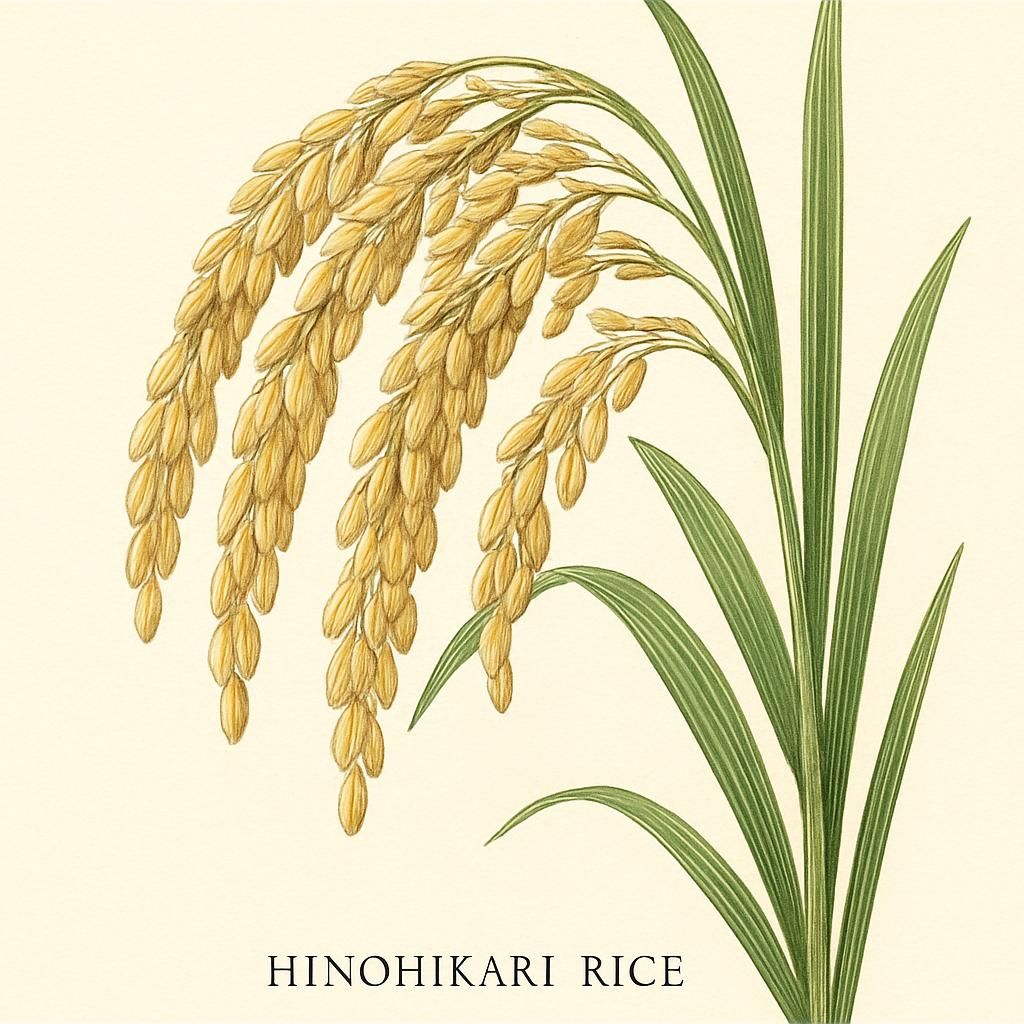
Hinohikari Rice
Hinohikari Rice is a premium short-grain rice renowned for its sweet flavor, sticky texture, and versatility, making it a preferred choice in Japanese cuisine. Cultivated primarily in Japan, it thrives in warm climates with specific soil and water management practices.
View Guide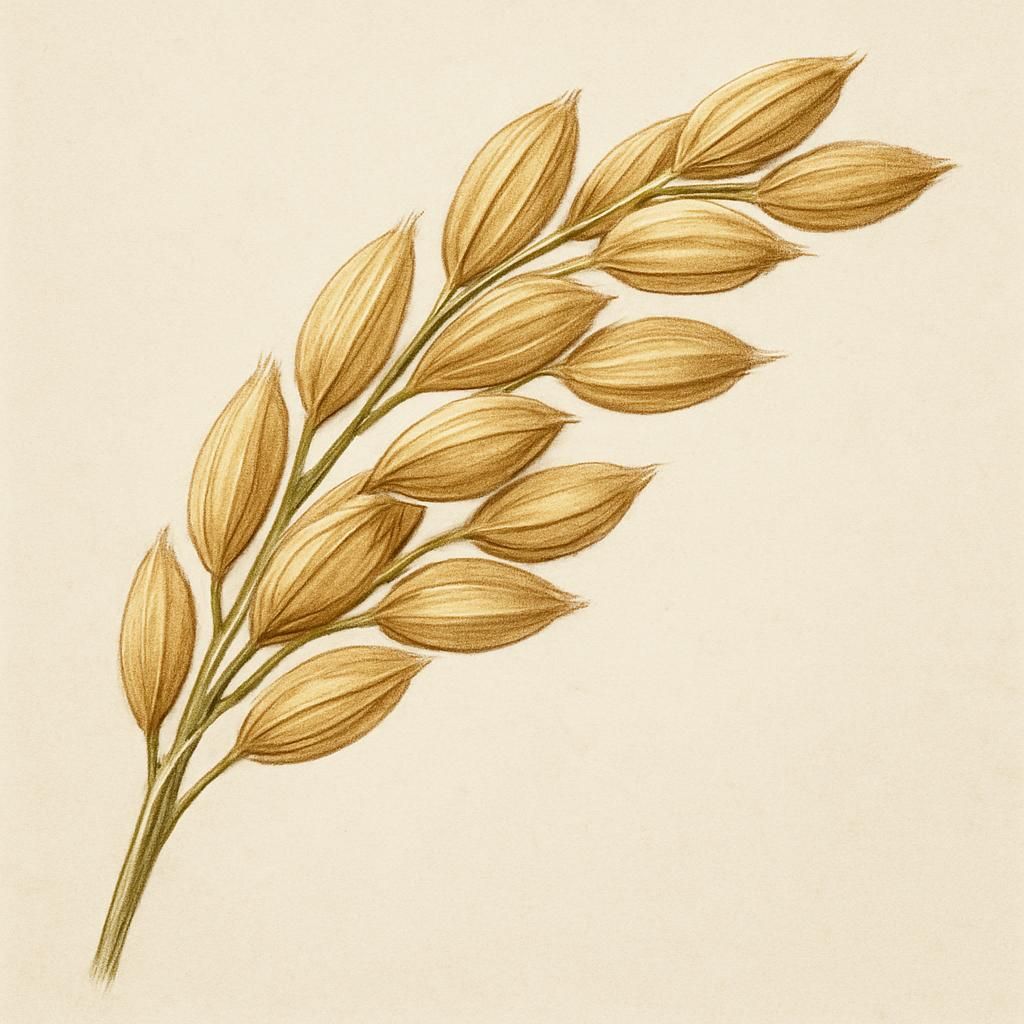
Hitomebore Rice
Hitomebore Rice is a premium Japanese rice variety known for its chewy texture and rich flavor. It's widely cultivated in Japan, particularly in regions like Miyagi Prefecture, demanding specific growing conditions to thrive.
View Guide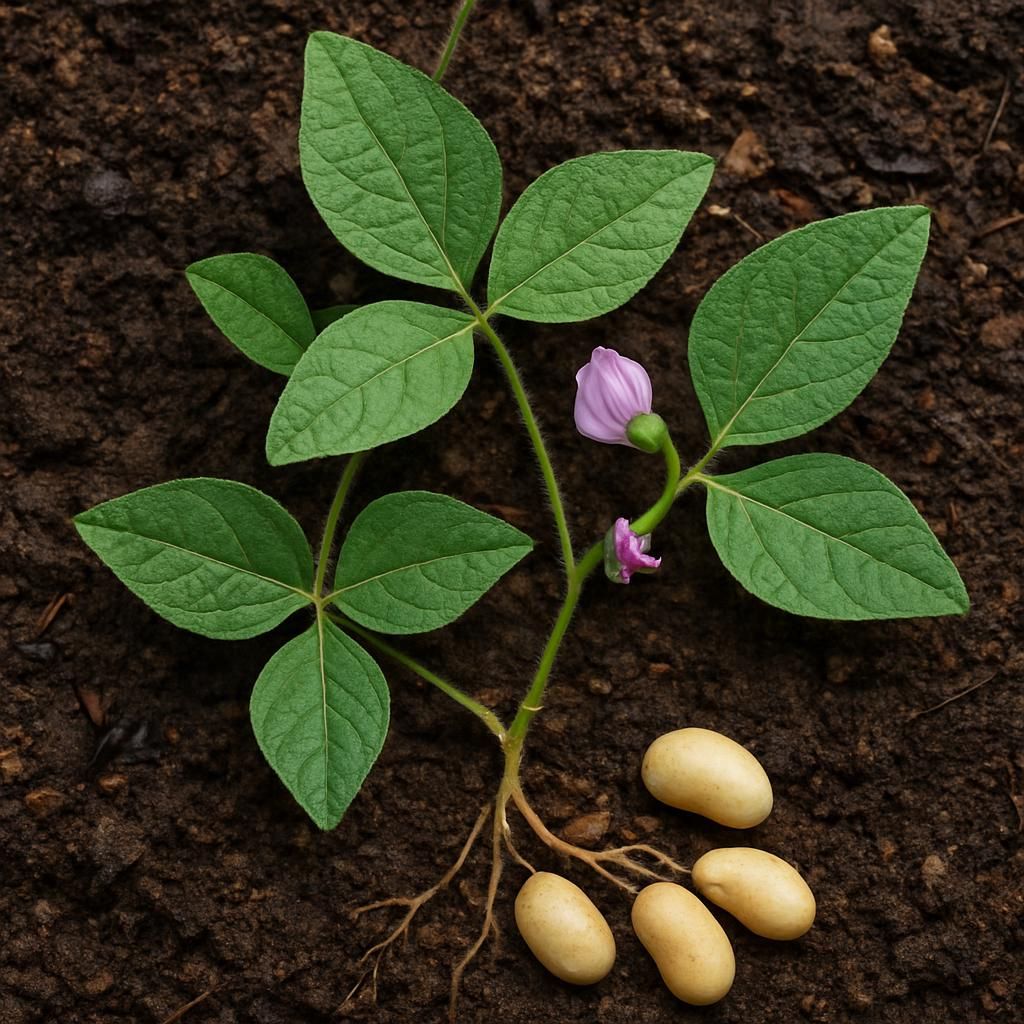
Hog Peanut
Hog peanut is a native North American perennial legume valued for its edible underground seeds and nitrogen-fixing ability. It thrives in woodland edges and moist soils, offering both food and soil-improvement benefits for home gardeners and small farms. This deep-dive guide covers every stage from planting to storage with professional-grade, practical advice.
View Guide
Holly
Holly encompasses a diverse genus of evergreen and deciduous shrubs and trees prized for their glossy foliage and vibrant berries. This comprehensive guide covers botanical traits, ideal growing conditions, planting methods, care routines, pest management, harvesting, and companion strategies for successful cultivation.
View Guide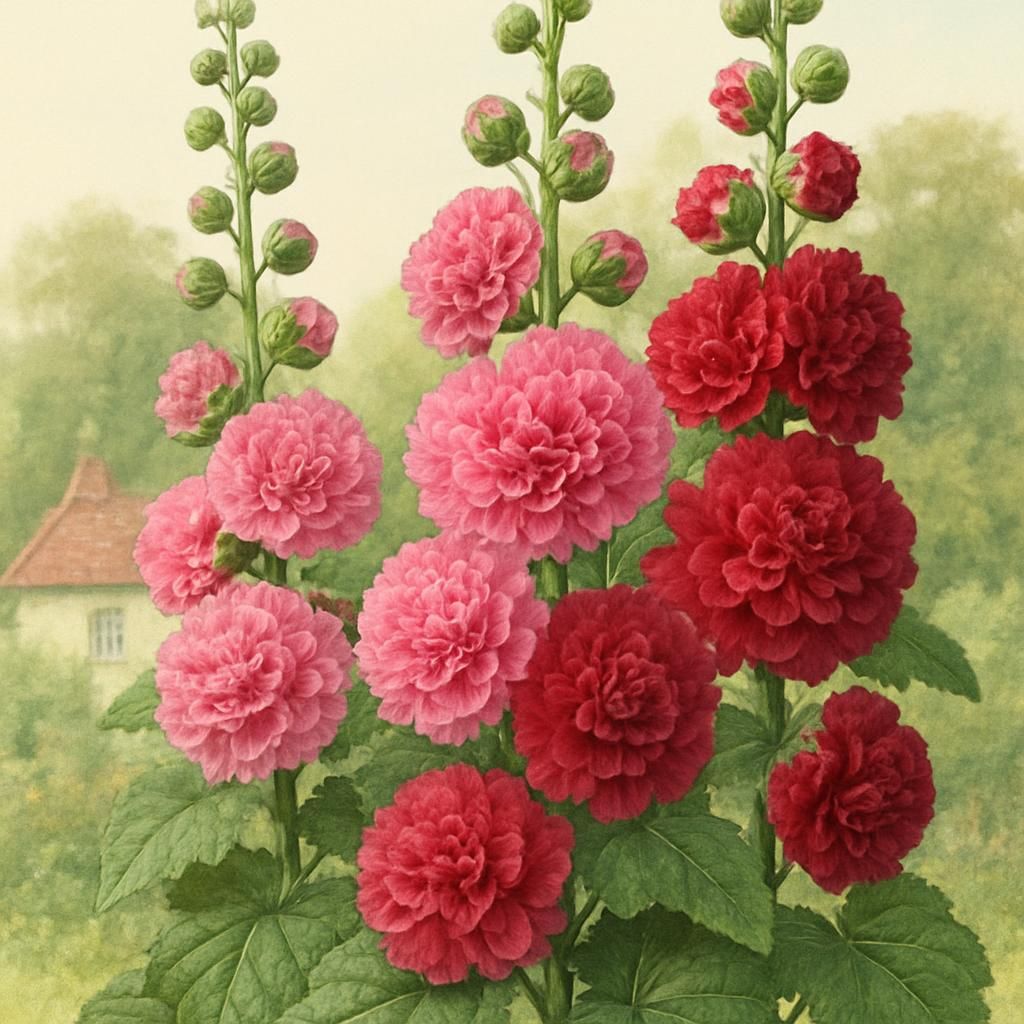
Hollyhock
Hollyhock is a classic biennial or short-lived perennial prized for towering flower spikes that bring vertical drama to cottage gardens and pollinator borders. This guide delivers professional-grade, practical advice on soil, propagation, care, and organic pest management to help growers succeed with this iconic ornamental.
View Guide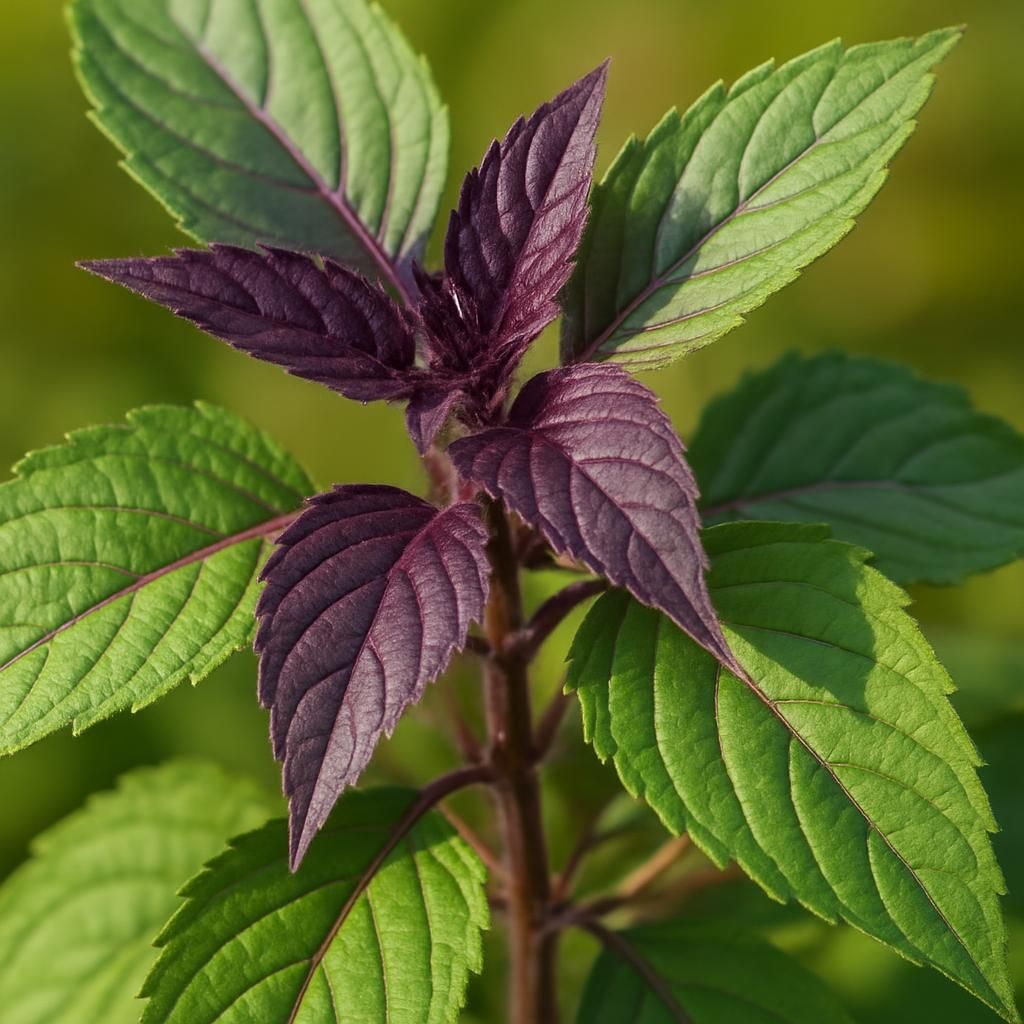
Holy Basil (Hototogisu)
Holy Basil (Hototogisu), or Tulsi, is a revered herb in Ayurveda, known for its therapeutic properties. It's an adaptable plant thriving in varied climates, requiring moderate care, making it suitable for both indoor and outdoor cultivation.
View Guide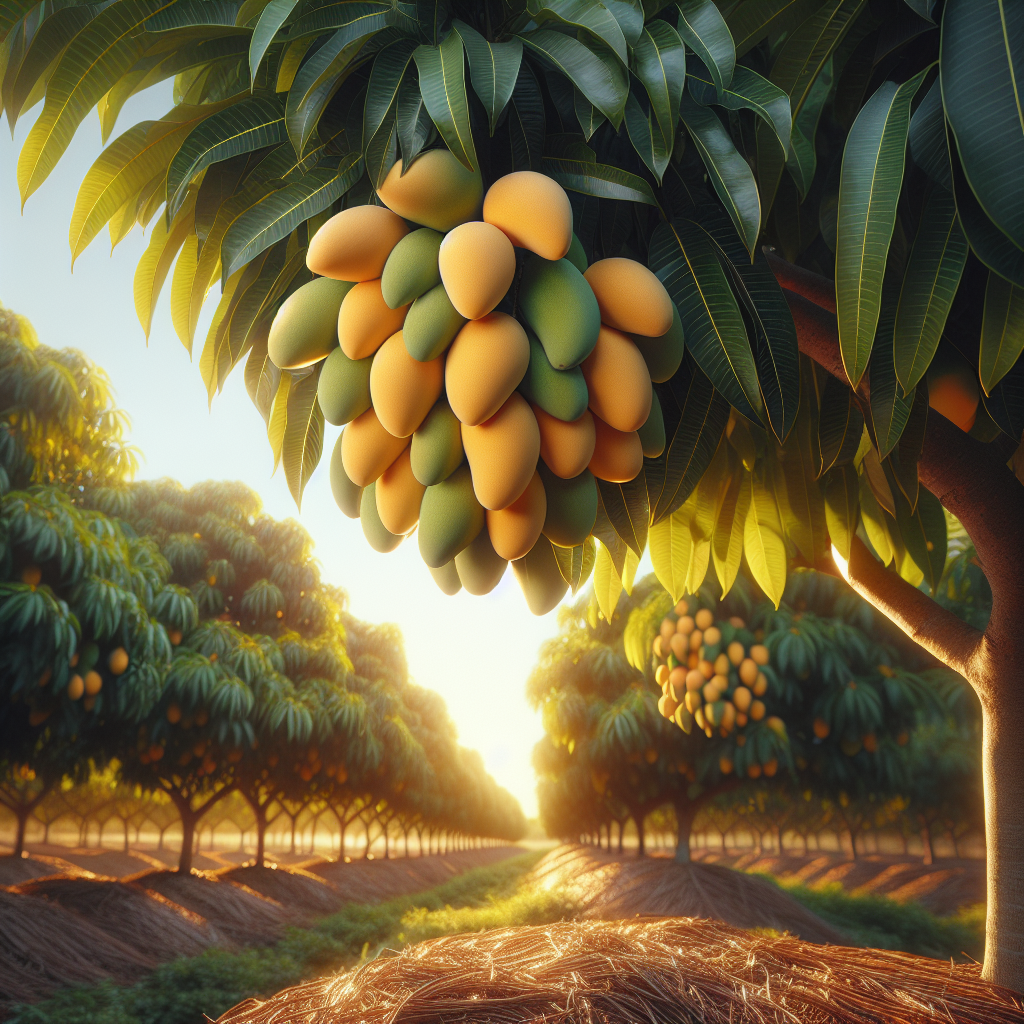
Honey Mango
Honey Mango is most commonly associated in trade with the Ataulfo type: a small to medium, golden-yellow mango prized for its creamy, fiber-light flesh and intense sweetness. It performs best in warm, frost-free regions with a pronounced dry period for flowering, and rewards careful growers with premium fruit quality, strong market appeal, and excellent fresh-eating characteristics.
View Guide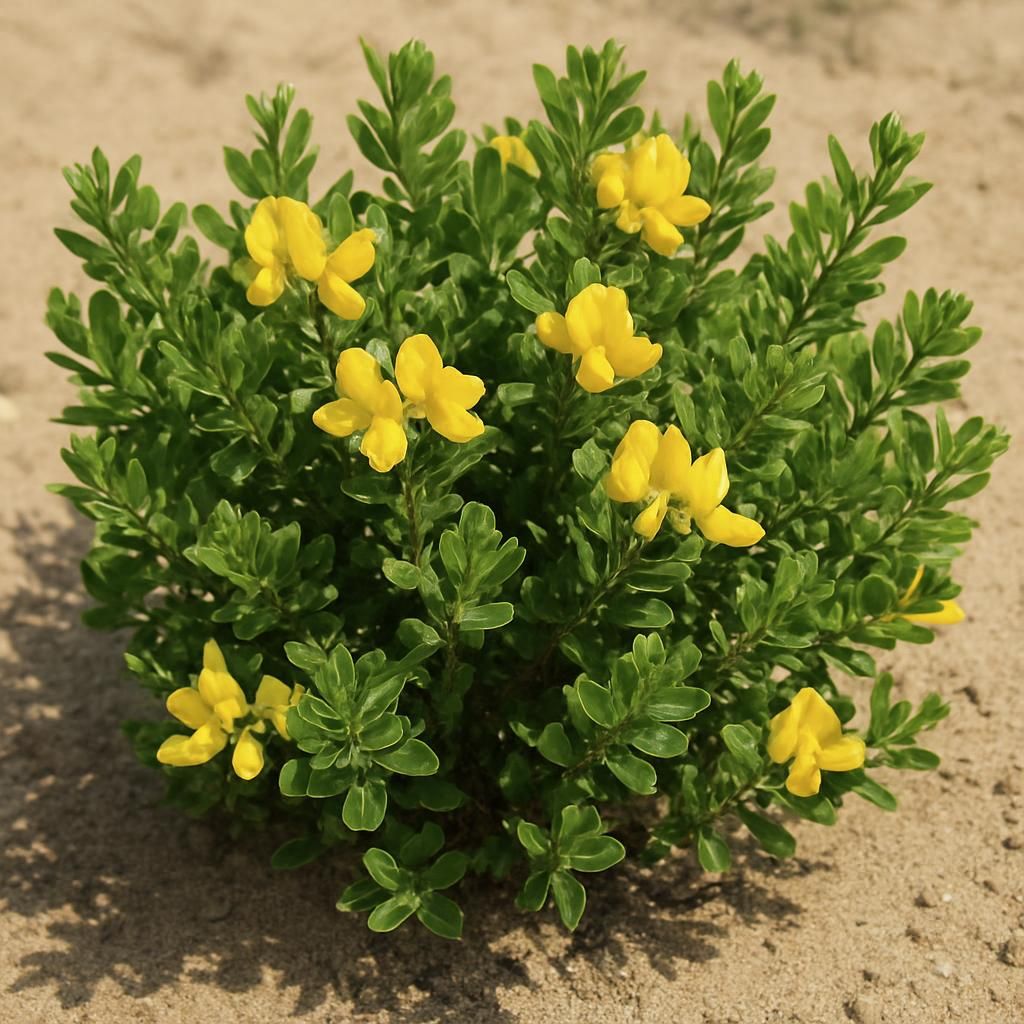
Honeybush
Honeybush is a woody, nitrogen-fixing shrub native to South Africa whose dried leaves and stems produce a naturally sweet, caffeine-free herbal tea with antioxidant properties. It thrives in well-drained, acidic sandy soils of the fynbos biome and requires minimal irrigation once established. Commercial cultivation focuses on sustainable wild harvesting practices and selective breeding for higher biomass and improved flavor.
View Guide
Honeycrisp Apple
Honeycrisp Apple is a premium dessert apple cultivar prized for its explosive crispness, high juice content, and balanced sweet-tart flavor. It is highly rewarding but more demanding than many apples, requiring careful site selection, crop load management, calcium nutrition, and disease prevention to produce top-quality fruit with good storage life.
View Guide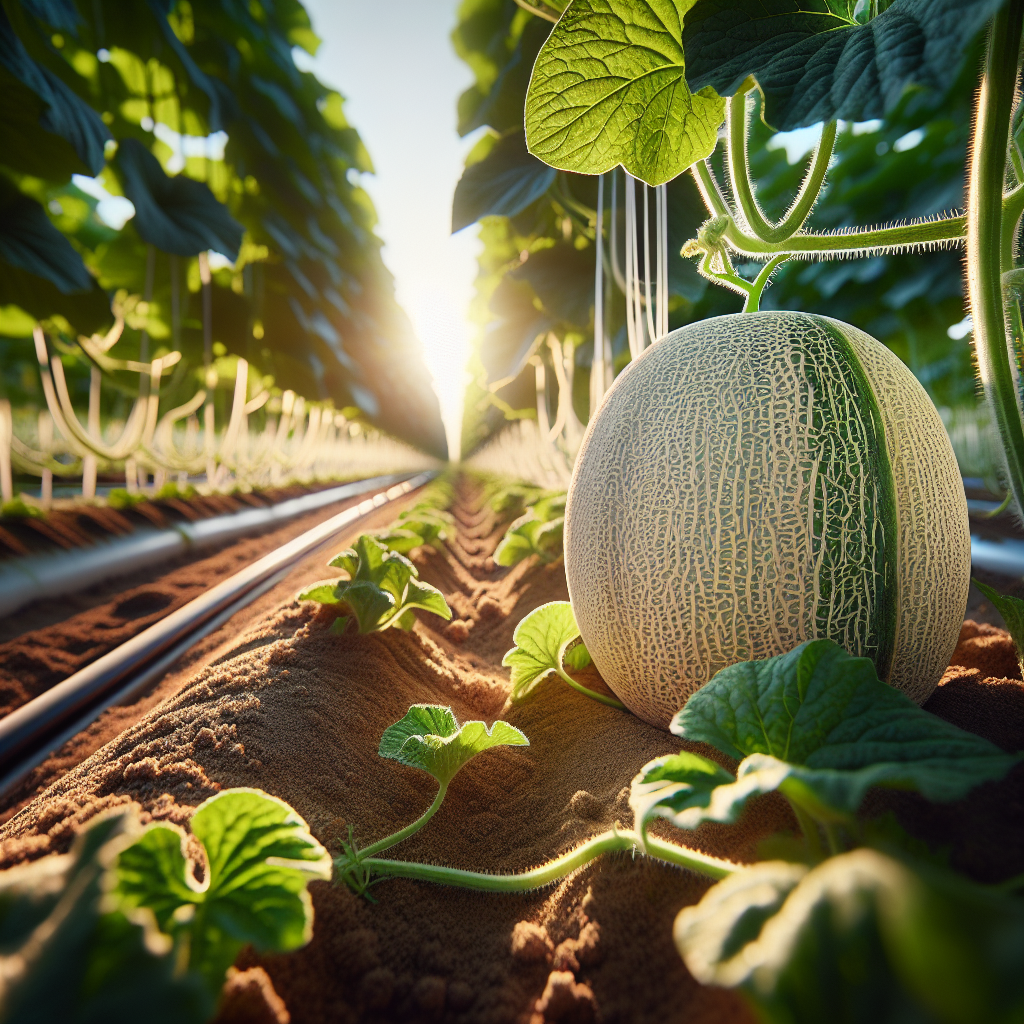
Honeydew
Honeydew is a sweet, smooth-rinded muskmelon valued for its pale green flesh, high sugar potential, and excellent keeping quality compared with many other melons. It thrives in warm, sunny conditions, requires careful water and nutrient management, and rewards growers with premium fruit when pollination, vine health, and harvest timing are managed precisely.
View Guide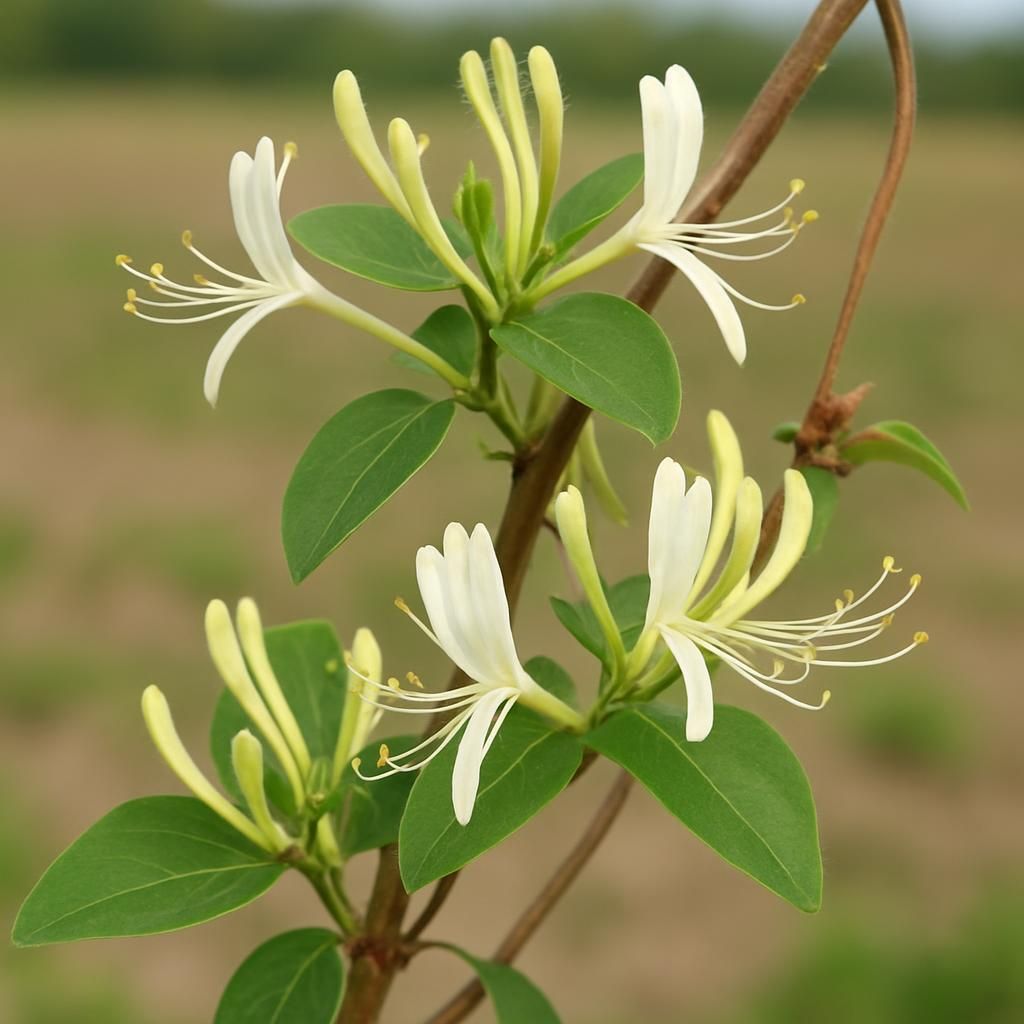
honeysuckle
Honeysuckle is a vigorous woody vine or shrub that can rapidly overtake garden beds, hedgerows, and field margins, smothering desirable plants and reducing biodiversity. Its twining stems and aggressive suckering make it a persistent challenge for both commercial growers and home gardeners seeking to protect crop production areas. Effective long-term management requires integrated cultural, mechanical, and targeted organic controls.
View Guide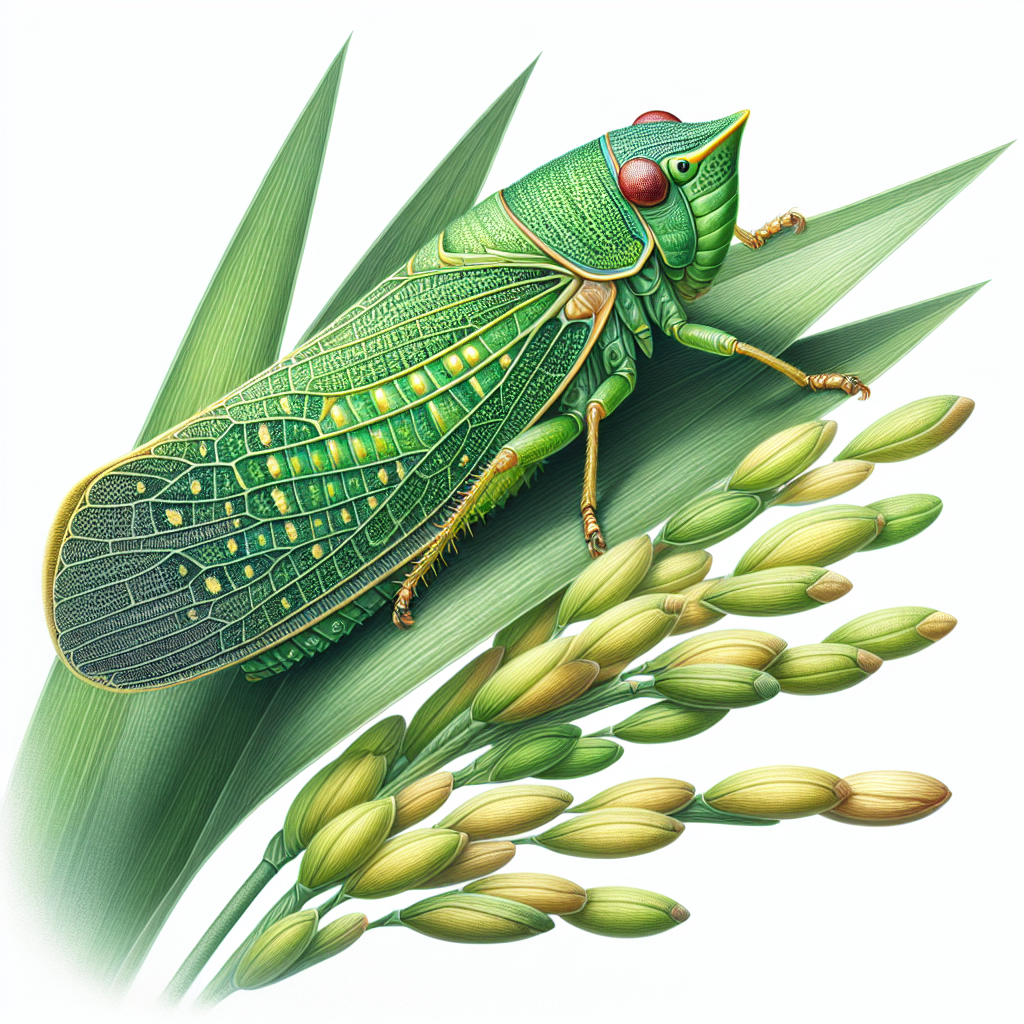
Hoppers
Hoppers, commonly known as leafhoppers, are small, wedge-shaped insects that suck sap from plant leaves and stems, causing stippling, yellowing, and potential disease transmission. They pose a significant threat to crops like rice, sugarcane, and mangoes, multiplying rapidly in warm, humid conditions. Effective management combines cultural practices, biological controls, and organic treatments to minimize damage and prevent outbreaks.
View Profile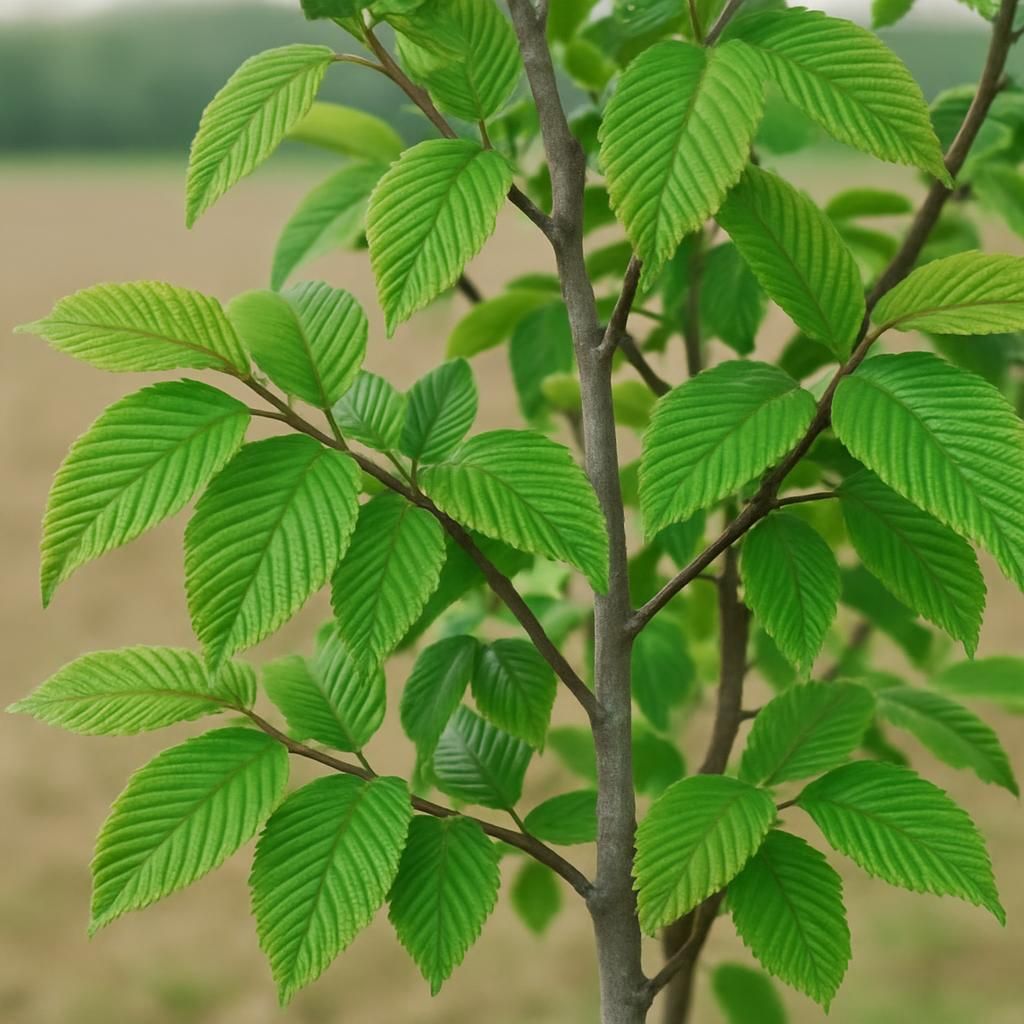
Hornbeam
Hornbeam is a slow-growing, deciduous hardwood tree valued for its dense wood, attractive foliage, and use in hedging, timber, and agroforestry systems. It thrives in temperate climates with well-drained, fertile soils and is prized for its resilience and longevity.
View Guide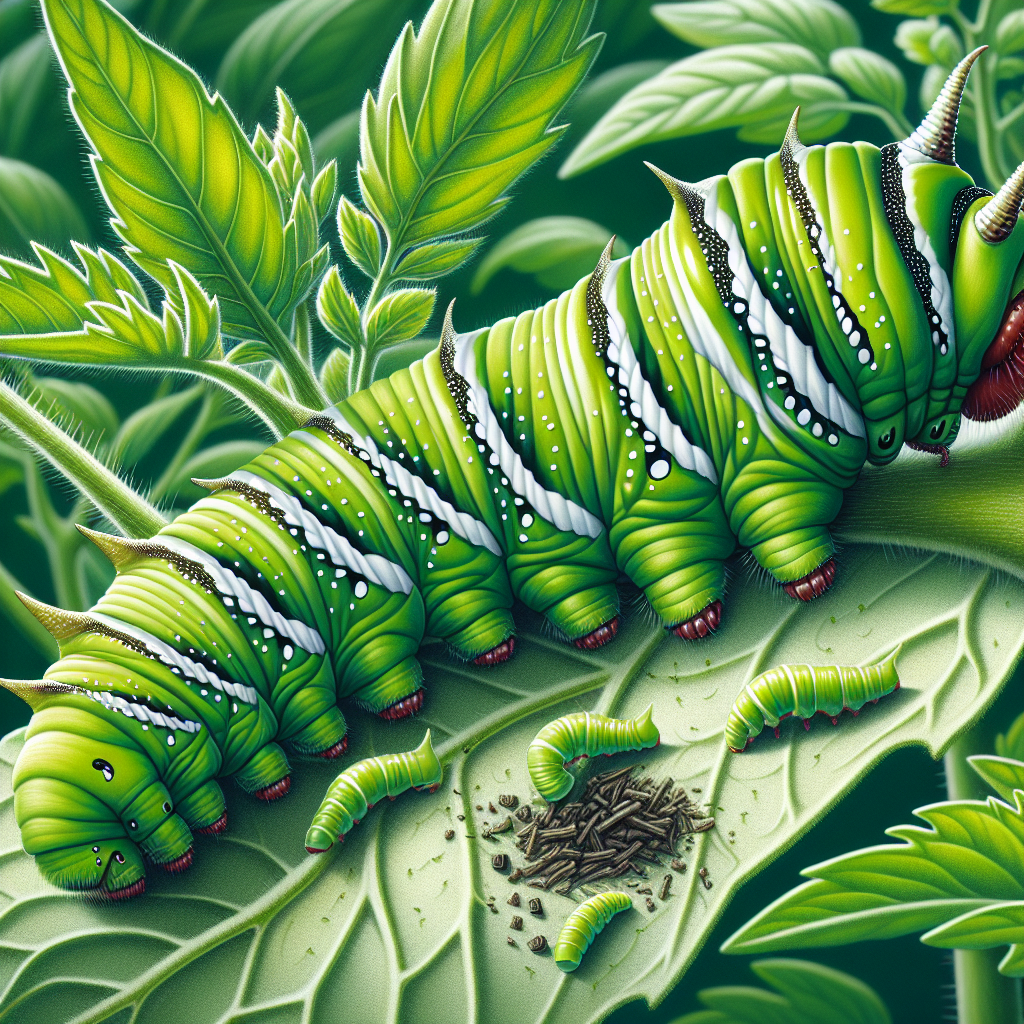
Hornworms
Hornworms are large, voracious caterpillars that devastate tomato, pepper, and eggplant crops by rapidly defoliating plants and boring into fruits. Recognizable by their green bodies, white stripes, and distinctive horn-like tail, they can strip a plant bare overnight. Effective management combines early detection, organic controls like BT, and natural predators for sustainable prevention.
View Profile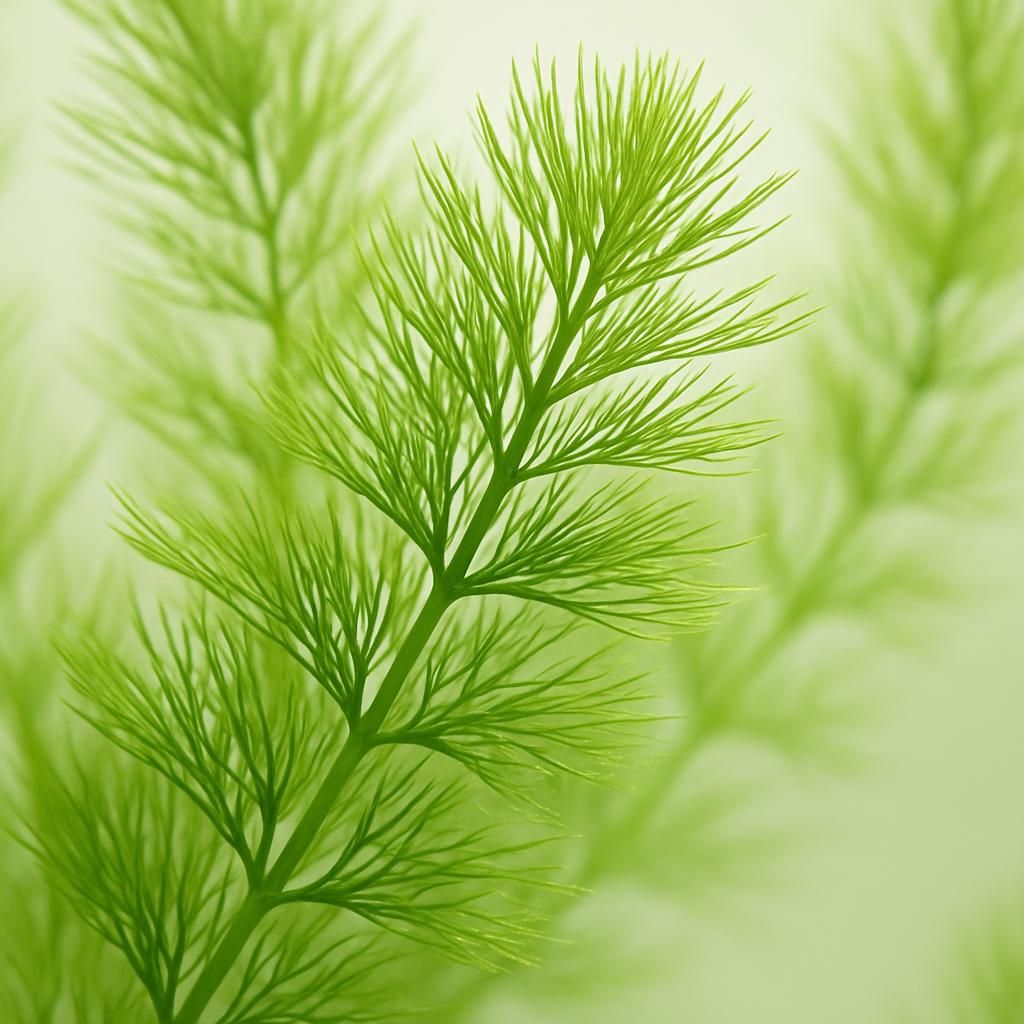
Hornwort
Hornwort (Ceratophyllum demersum) is a fast-growing, rootless submerged aquatic plant widely used in ponds, aquariums, and constructed wetlands for nutrient uptake, oxygenation, and habitat creation. This guide provides professional agricultural and aquaculture growers with detailed cultivation, management, and harvesting protocols optimized for biomass production and water quality improvement.
View Guide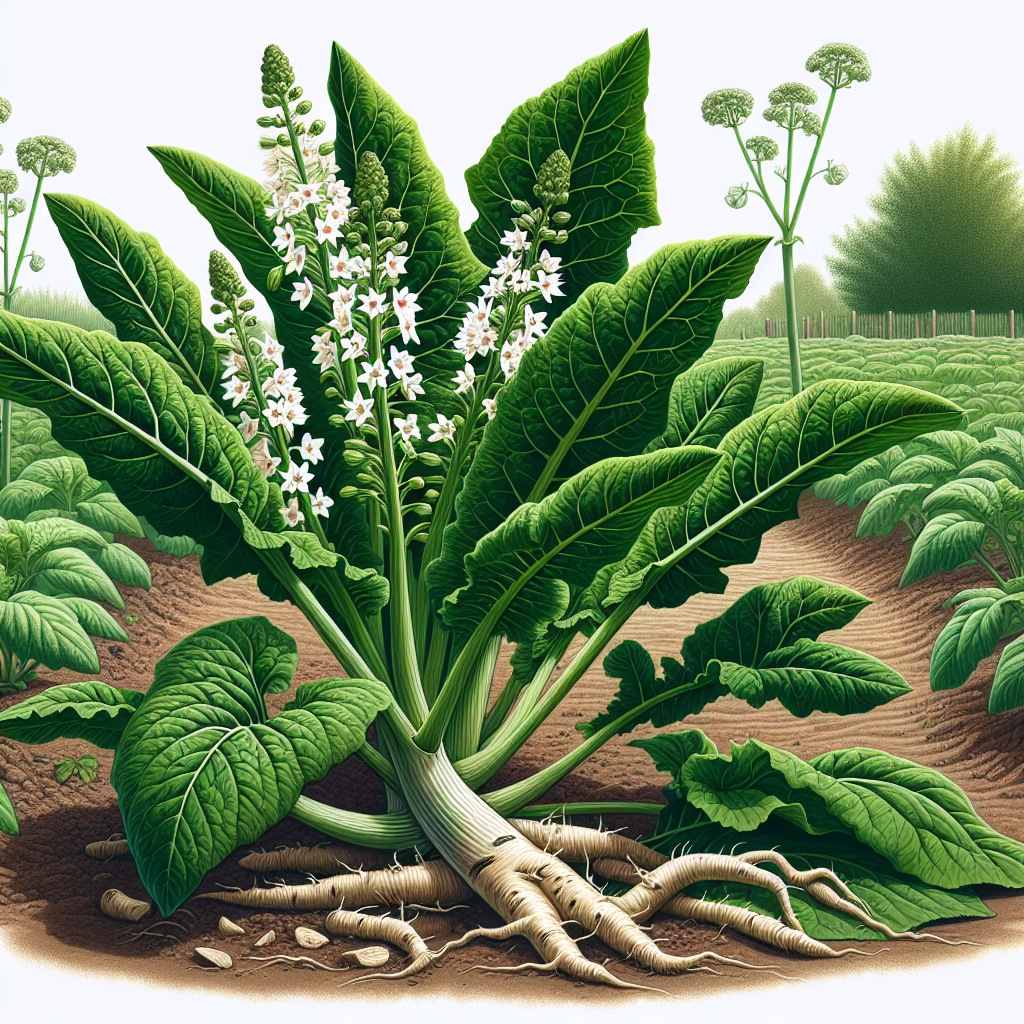
Horseradish
Horseradish (Armoracia rusticana) is a highly invasive perennial weed notorious for its aggressive underground rhizome growth, outcompeting crops in gardens and fields. This guide provides definitive diagnostics for identification, lifecycle insights, and proven organic management strategies to eradicate it effectively. Farmers can reclaim their land with persistent cultural, mechanical, and organic controls detailed here.
View Guide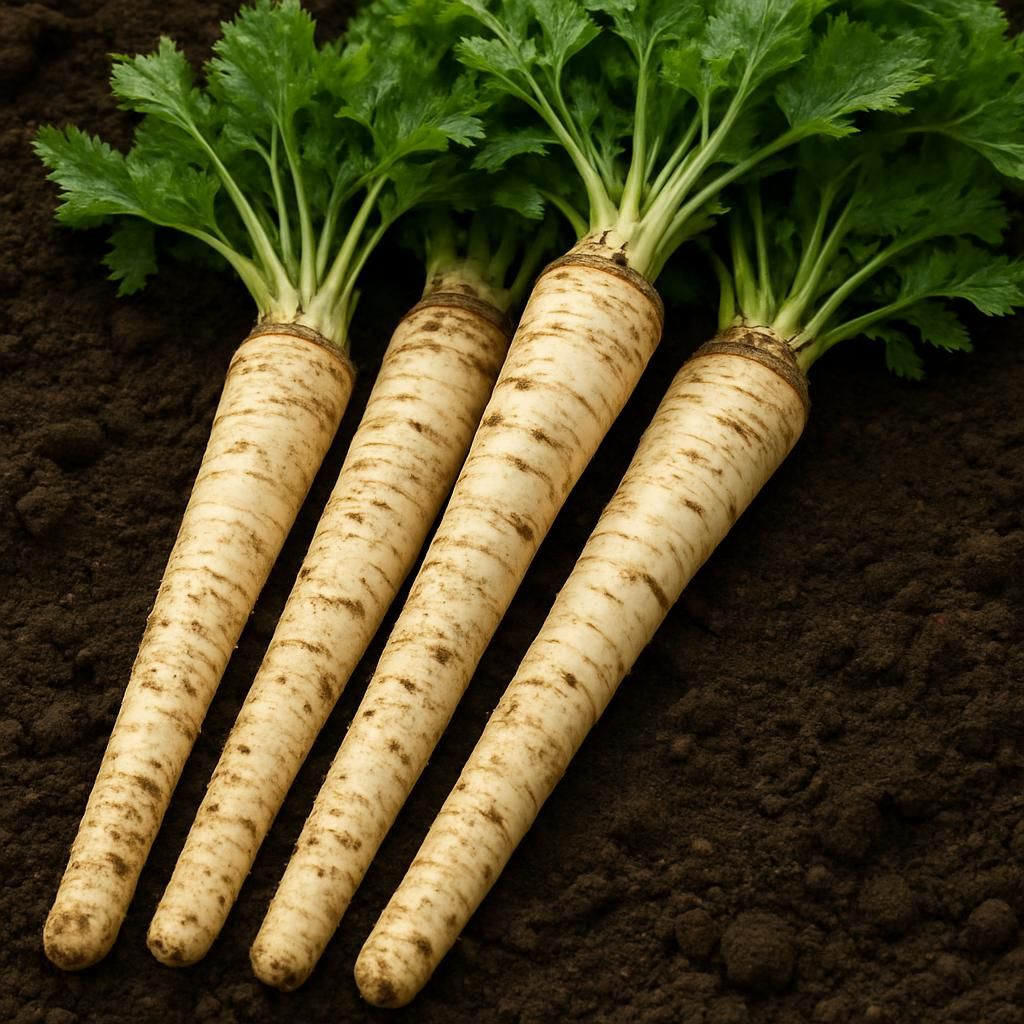
Horseradish (Maliner Kren)
Maliner Kren is a vigorous, high-quality horseradish cultivar prized for its thick, straight roots and intense pungency. This cool-season perennial is grown primarily for its edible roots, which are harvested, grated, and preserved as a sharp condiment. With proper site preparation and management, it delivers reliable, high-value yields for home gardeners and commercial producers alike.
View Guide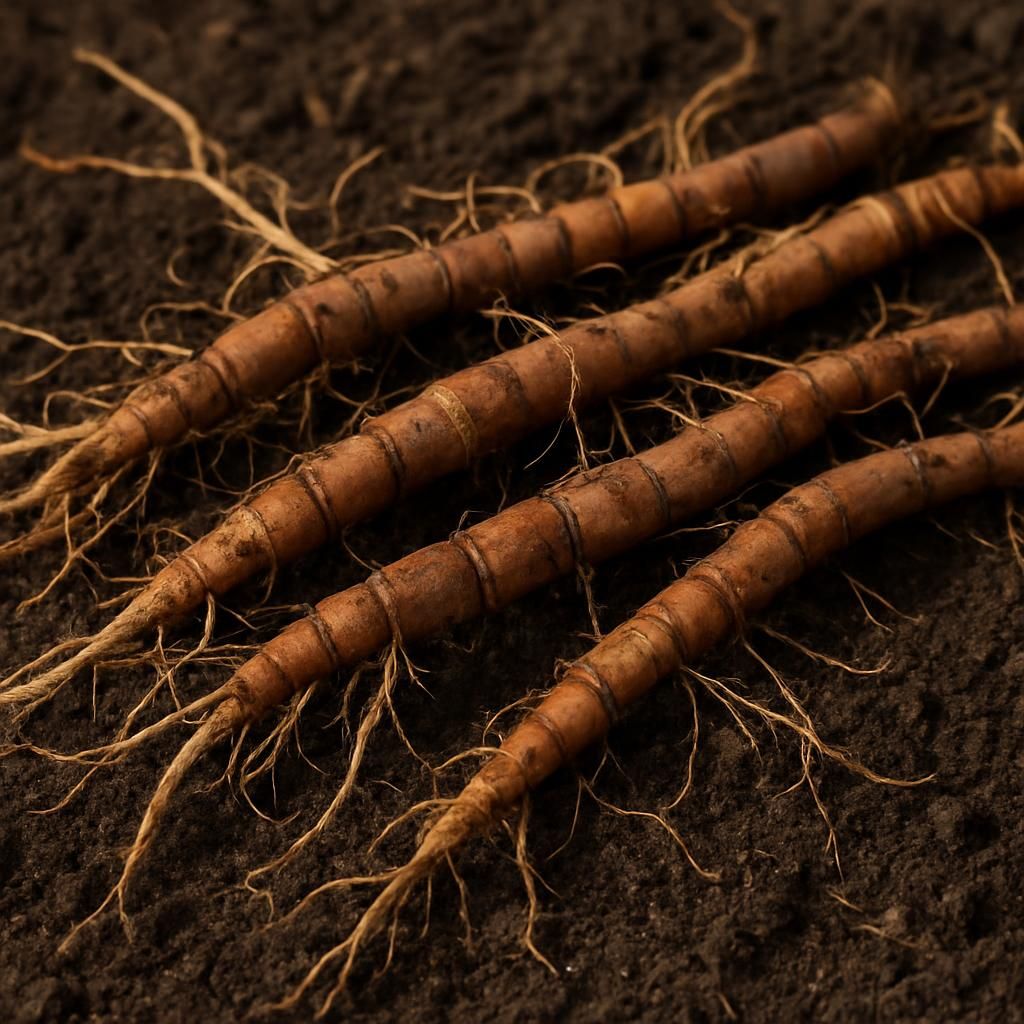
Horsetail Root
Horsetail Root is the underground rhizome of the ancient vascular plant Equisetum arvense, valued for its high silica content and traditional medicinal uses. This guide delivers professional-grade cultivation methods for reliable rhizome production in temperate and subtropical climates.
View Guide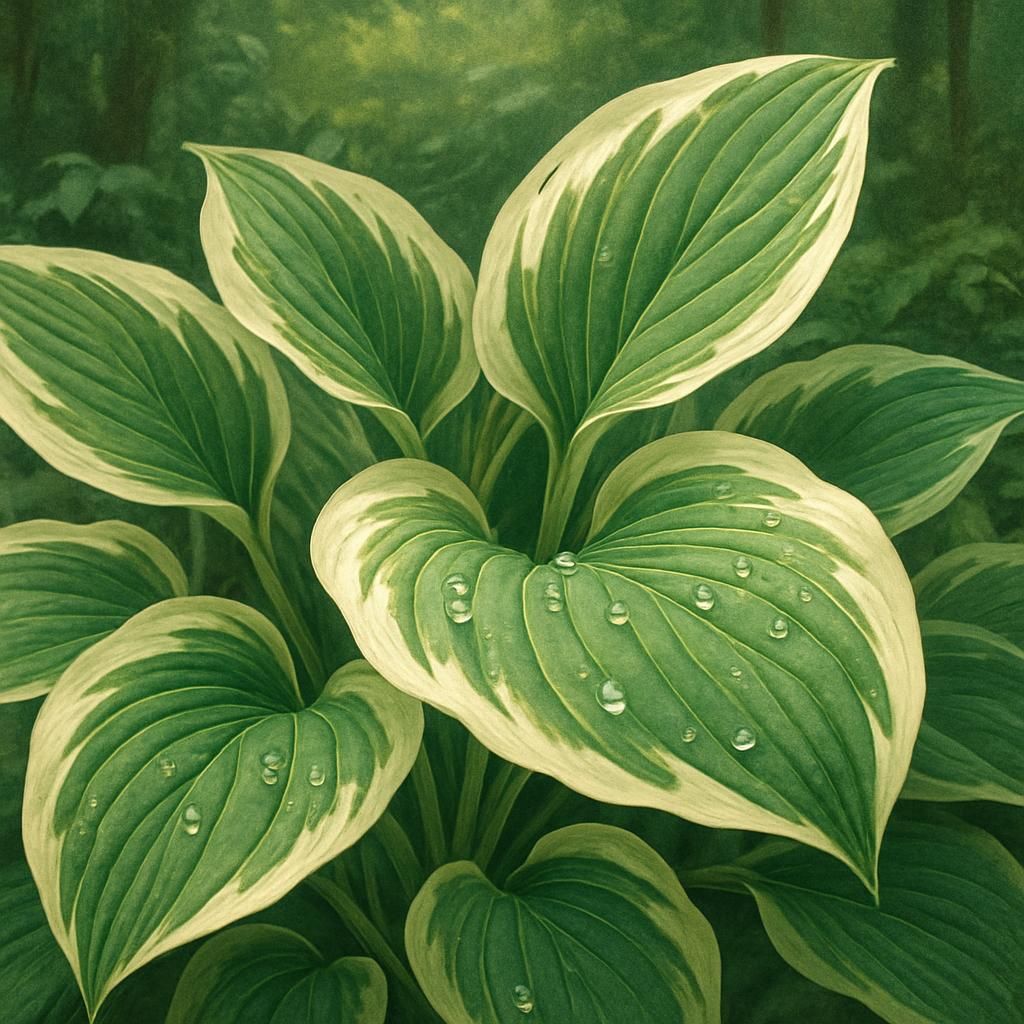
hostas
Hostas are shade-loving herbaceous perennials prized for their striking foliage and low-maintenance growth in temperate gardens. This guide covers optimal soil conditions, planting techniques, seasonal care, and organic pest management to ensure vigorous, long-lived plants.
View Guide
huanglongbing
Huanglongbing (HLB), also known as citrus greening, is a devastating bacterial disease transmitted by the Asian citrus psyllid that affects citrus trees worldwide, causing mottled leaves, bitter fruit, and eventual tree death. No cure exists, making early detection and vector control critical for management. This guide provides professional diagnostic, organic treatment, and prevention strategies for farmers.
View Profile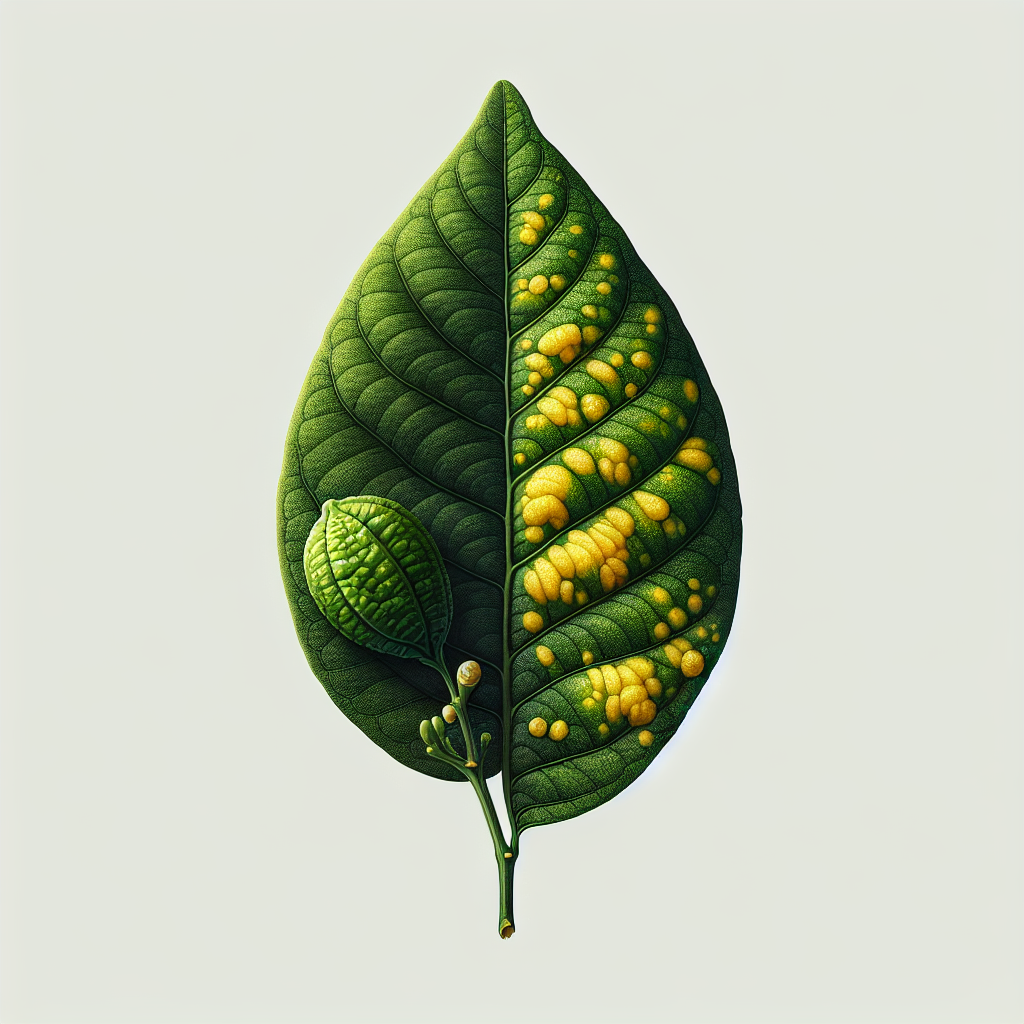
Huanglongbing (citrus greening)
Huanglongbing (HLB), also known as citrus greening, is a devastating bacterial disease transmitted by the Asian citrus psyllid, causing mottled leaves, bitter fruit, and eventual tree death. First identified in China in 1919, it has spread globally, severely impacting citrus production in major regions like Florida, Brazil, and Asia. No cure exists, making early detection, vector control, and prevention critical for management.
View Profile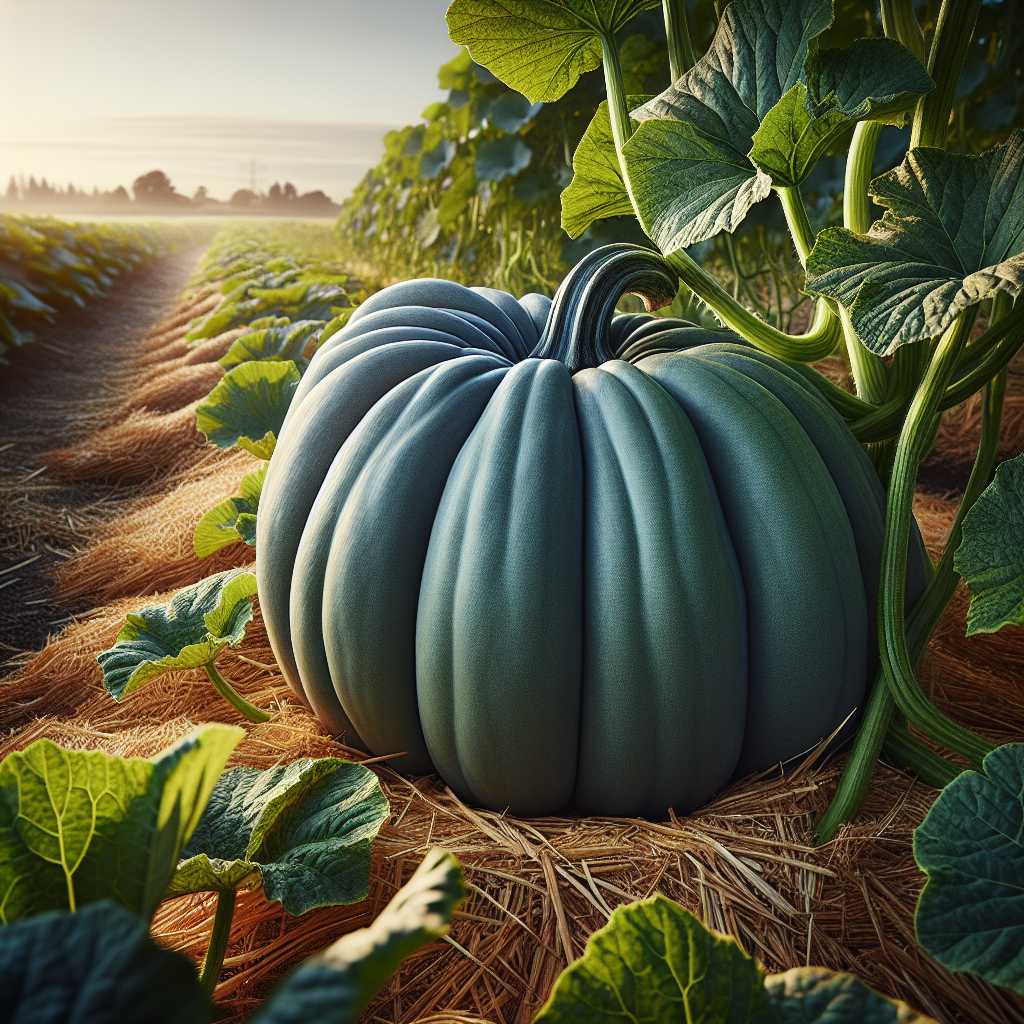
Hubbard Squash
Hubbard squash is a classic winter squash known for its large size, hard shell, long storage life, and rich, dense flesh that sweetens after curing. It is a vigorous warm-season cucurbit that rewards growers with excellent keeping quality, but it requires ample space, fertile soil, strong pollination, and careful disease management to reach its full potential.
View Guide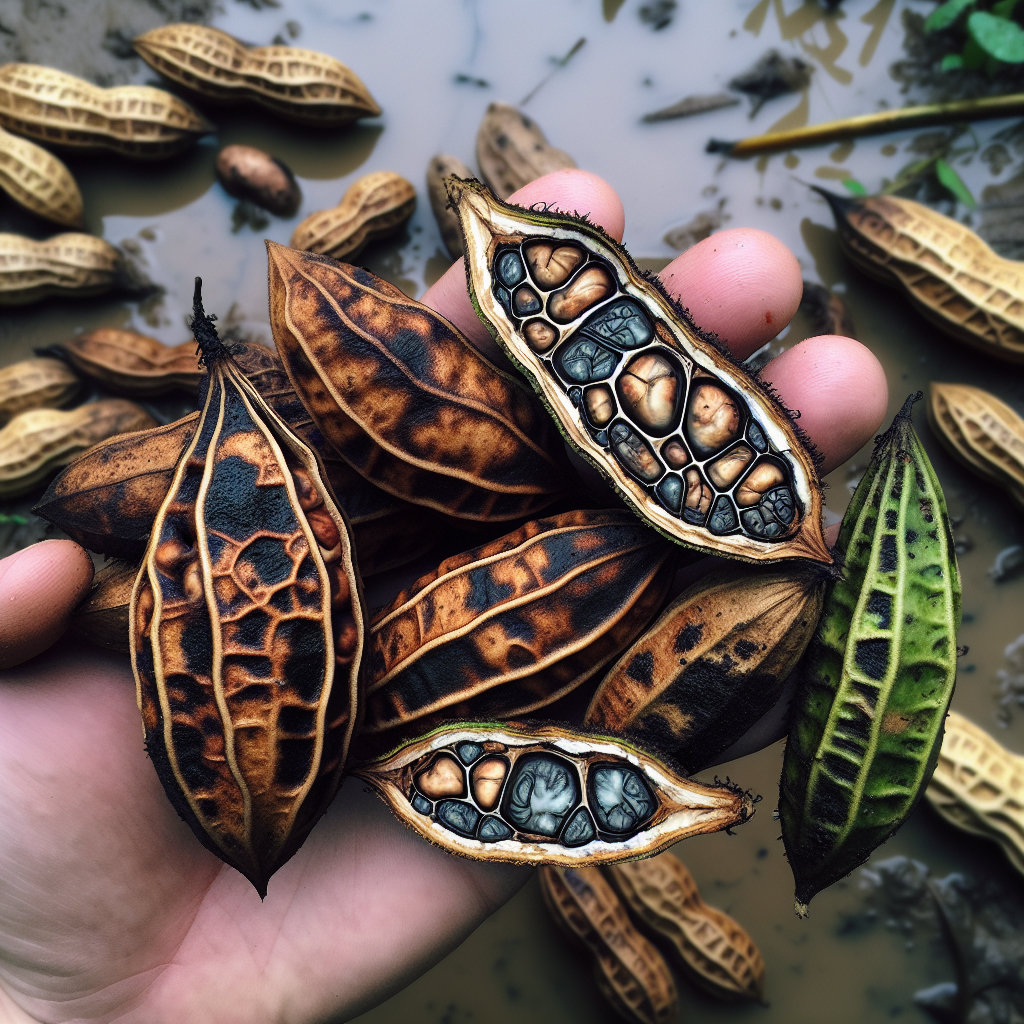
Hull rot
Hull rot is a destructive fungal disease primarily affecting peanut crops, causing dark lesions and decay on hulls that lead to significant yield losses and poor seed quality. Caused mainly by Monilochaetes infuscans and exacerbated by wet conditions, it spreads rapidly in humid environments. Effective management relies on cultural practices, resistant varieties, and timely organic interventions to minimize damage.
View Profile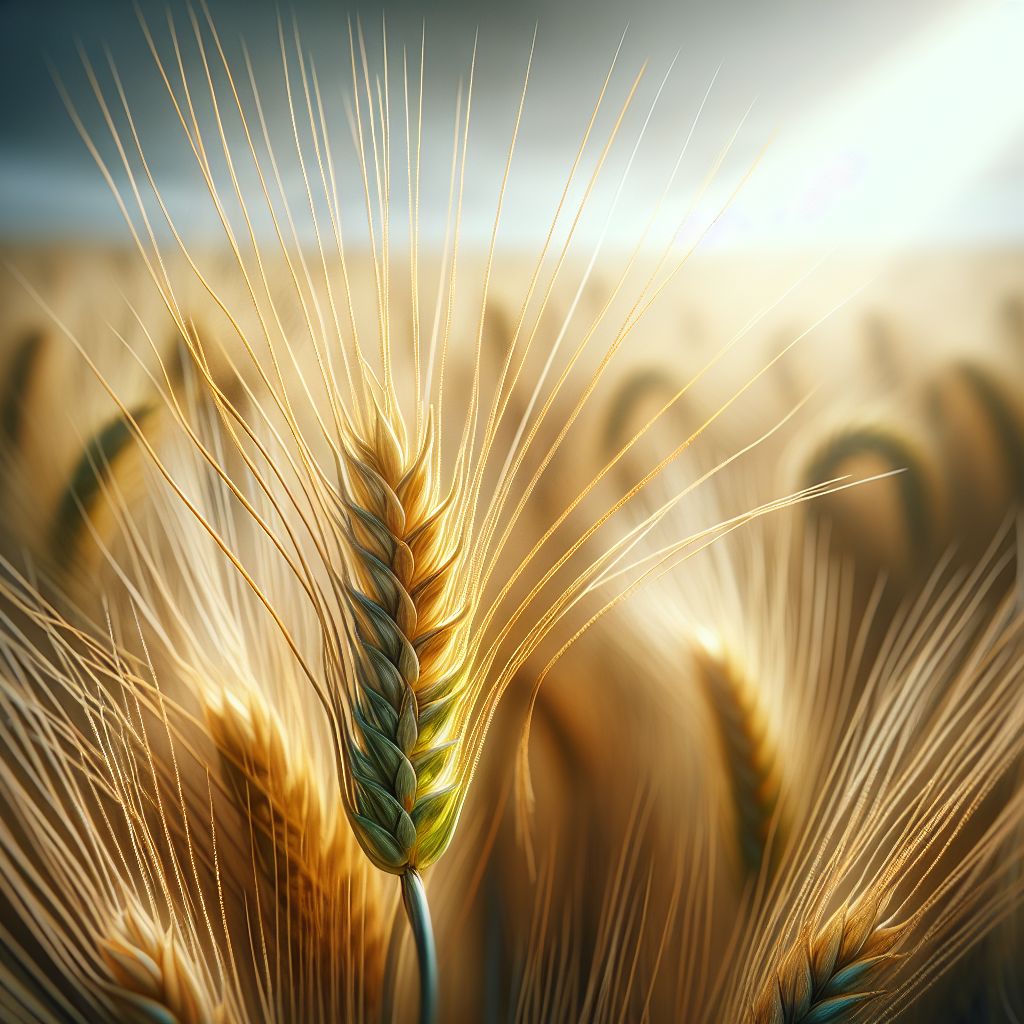
Hulless Barley
Hulless barley is a naturally free-threshing form of barley valued for food, feed, and resilient dryland production. It combines barley’s broad adaptability with easier post-harvest processing, making it especially attractive for whole grain use, on-farm milling, and low-input systems in cool to temperate climates.
View Guide