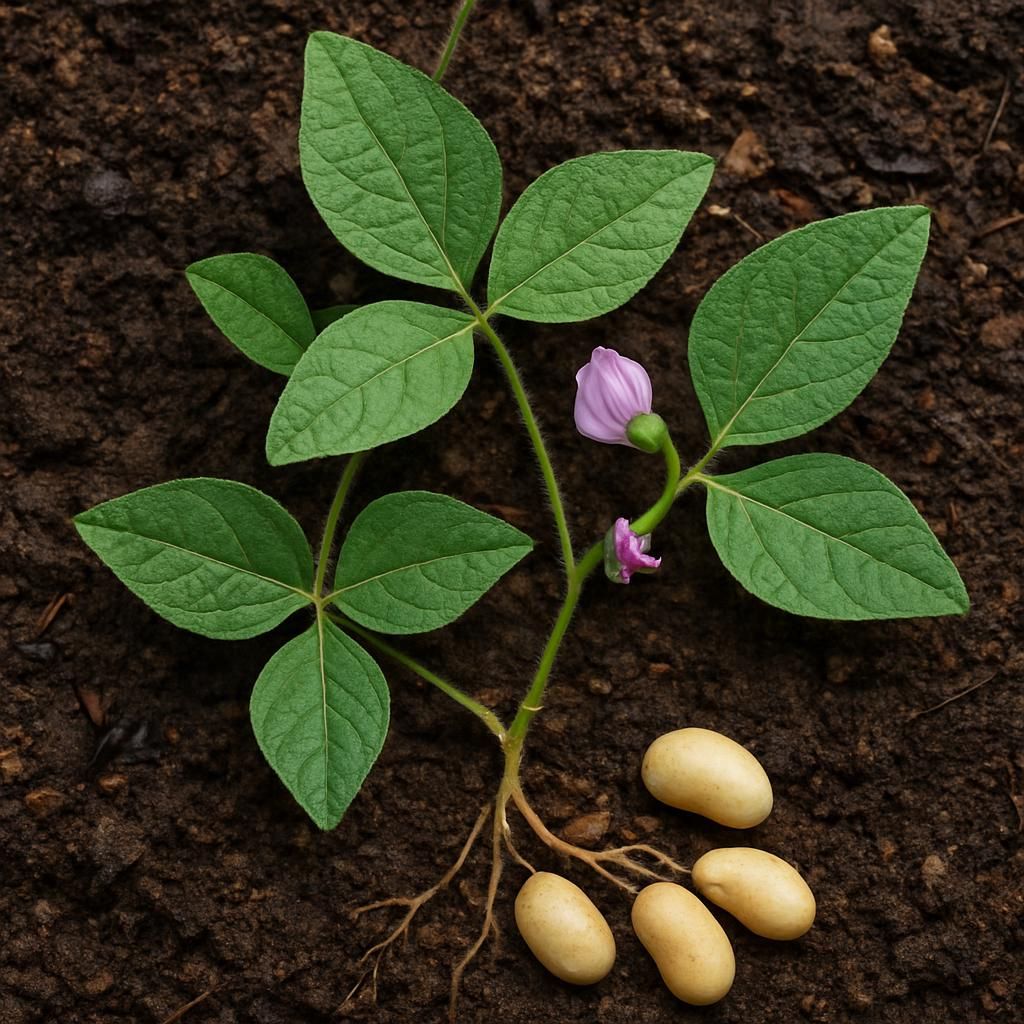
Introduction to Hog Peanut
Hog peanut (Amphicarpaea bracteata) is a versatile, nitrogen-fixing legume native to eastern North America. It produces two distinct types of seeds: aerial pods that rarely mature and subterranean pods that yield the edible "peanuts" prized by foragers and small-scale growers. Because it fixes atmospheric nitrogen and tolerates partial shade, hog peanut serves as both a low-maintenance food crop and a living soil amendment in agroforestry and permaculture systems.
Historically, Indigenous peoples harvested the starchy underground seeds as a staple during lean seasons. Today, interest is rising among regenerative farmers and homesteaders seeking resilient, low-input crops that also support pollinators and wildlife. With proper site selection and minimal intervention, a single planting can produce for multiple seasons.
Botanical Profile of Hog Peanut
Amphicarpaea bracteata belongs to the Fabaceae family and exhibits both annual and perennial growth habits depending on climate. The plant produces slender, twining stems that reach 1–3 m in length, bearing trifoliate leaves with ovate leaflets. Small, pale-purple to white pea-like flowers appear from mid-summer through early autumn.
Two fruiting strategies exist: chasmogamous flowers produce aerial pods containing 1–3 seeds, while cleistogamous flowers on lower stems develop into geocarpic pods that burrow 5–15 cm into the soil. The subterranean seeds are smooth, chestnut-brown, and 8–12 mm long, with a flavor reminiscent of cultivated peanuts when roasted.
The root system features a taproot and extensive lateral roots that host Rhizobium bacteria, enabling biological nitrogen fixation of 40–80 kg N/ha annually under favorable conditions.
Soil, pH, and Climate Requirements for Hog Peanut
Hog peanut performs best in moist, well-drained soils rich in organic matter. It tolerates a wide pH range but yields highest between 5.8 and 7.0. The plant prefers cool to warm temperate climates (USDA zones 3–8) and benefits from consistent moisture, especially during flowering and pod development.
| Parameter | Ideal Range | Notes |
|---|---|---|
| Soil Type | Loamy to sandy loam | High organic matter improves yields |
| Soil pH | 5.8–7.0 | Tolerates 5.5–7.5 |
| Temperature (Growing) | 15–28 °C daytime | Frost sensitive below –2 °C |
| Annual Rainfall | 600–1200 mm | Supplemental irrigation in dry spells |
| Light | Partial shade to full sun | 4–6 hours direct sun optimal |
| Soil Moisture | Consistently moist | Avoid waterlogging |
Step-by-Step Planting & Propagation
- Site Preparation: Choose a location with dappled shade or morning sun. Clear competing vegetation and incorporate 5–8 cm of well-rotted compost.
- Soil Testing: Adjust pH to 6.0–6.5 if needed using agricultural lime or elemental sulfur.
- Seed Collection or Purchase: Obtain fresh subterranean seeds from reputable native-plant nurseries or collect from wild populations with permission.
- Inoculation: Coat seeds with a Rhizobium inoculant specific to Amphicarpaea or related legumes before sowing.
- Sowing Depth and Spacing: Plant seeds 2–3 cm deep, 15–20 cm apart in rows 60–90 cm wide. For ground coverage, space plants 30 cm apart in a grid.
- Timing: Direct sow in early spring after last frost or start indoors 4–6 weeks earlier in biodegradable pots.
- Watering: Maintain even moisture until seedlings emerge (7–14 days).
Care & Maintenance regimes for Hog Peanut
Hog peanut requires minimal intervention once established. Focus on moisture management, weed suppression, and occasional nutrient top-dressing.
| Task | Frequency | Details |
|---|---|---|
| Watering | Weekly during establishment; every 10–14 days thereafter | Deep soak to 15 cm; reduce in cool, wet periods |
| Fertilizer | At planting and mid-season | 5–10 kg N/ha starter; avoid high-nitrogen fertilizers after establishment |
| Pruning | Late winter or early spring | Cut back dead vines to 10 cm above soil; remove diseased material |
| Mulching | Annual, 5–8 cm layer | Wood chips or leaf mold to retain moisture and suppress weeds |
| Weed Control | As needed | Hand-pull or shallow hoe; avoid deep cultivation near roots |
Pests, Diseases & Organic Management
Hog peanut is relatively pest-resistant but may encounter aphids, slugs, and leaf-feeding caterpillars. Fungal issues such as powdery mildew and root rots can occur in poorly drained soils.
Organic controls include:
- Companion planting with Nasturtium to deter aphids.
- Hand removal or beer traps for slugs.
- Neem oil or insecticidal soap for heavy aphid infestations.
- Improving drainage and practicing crop rotation to prevent root rots.
- Encouraging beneficial insects such as lady beetles and lacewings.
Harvesting, Curing & Optimal Storage
Harvest subterranean pods in late autumn after the first light frost when vines begin to senesce. Gently dig around plants with a garden fork, taking care not to damage pods. Aerial pods may be collected earlier but usually contain few viable seeds.
Cure harvested pods by spreading them in a single layer in a shaded, well-ventilated area at 15–20 °C for 7–10 days. Once dry, separate seeds from pods by hand or gentle threshing.
Store clean, dry seeds in paper envelopes or breathable cloth bags inside airtight containers at 4–10 °C and <60 % relative humidity. Properly cured seeds remain viable for 3–5 years. For culinary use, roast at 160 °C for 20–25 minutes until golden and nutty.
Companion Planting for Hog Peanut
Hog peanut pairs well with other shade-tolerant, nitrogen-loving species. Compatible companions include Clover, Thyme, and Yarrow for ground cover and pollinator support. It also benefits from the microclimate created by taller legumes such as Peas or Runner Peanuts when interplanted in forest gardens.
Avoid planting near heavy feeders like Corn that may outcompete for light. Its twining habit makes it an excellent living mulch beneath fruit trees or berry shrubs, where it suppresses weeds while contributing fixed nitrogen to the system.