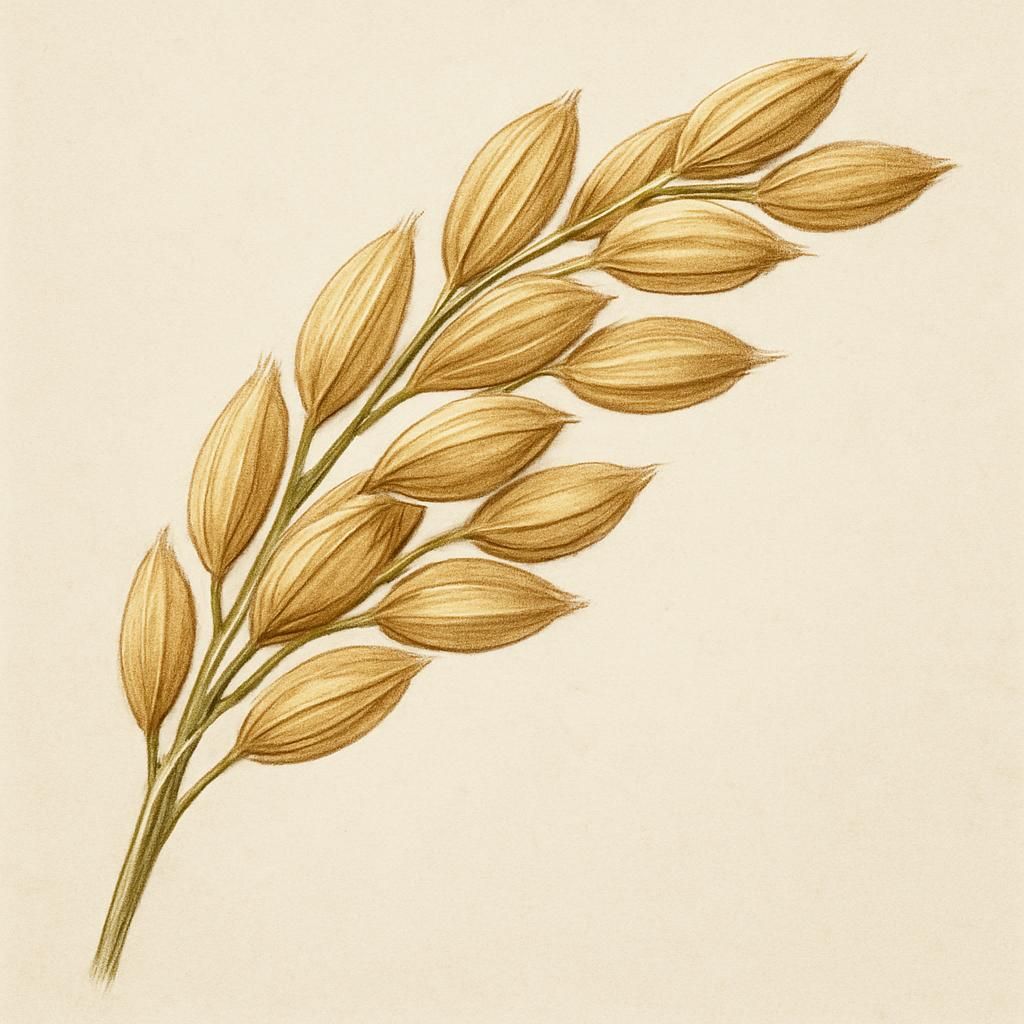
Introduction to Hitomebore Rice
Hitomebore Rice is one of the most popular rice varieties originating from Japan, celebrated for its unique chewy texture and sweet taste. This variety was first introduced in the 1980s and has since gained immense popularity not only in its home country but also internationally. Hitomebore translates to "Love at first sight," indicative of its pure grain aesthetics and delightful taste that enamors consumers globally.
Botanical Profile of Hitomebore Rice
Hitomebore Rice falls under the species Oryza sativa, more specifically tailored as a japonica rice variety. This cultivar is characterized by its short to medium grain structure, which is instrumental in its signature sticky texture post-cooking. It is particularly suited for climates that offer high humidity levels and moderate temperatures, aligning perfectly with its Japanese-originated climate.
Soil, pH, and Climate Requirements for Hitomebore Rice
Hitomebore Rice thrives in well-drained, fertile loamy soils rich in organic matter. It requires precise soil and climatic conditions to optimize growth and yield:
| Factor | Ideal Condition |
|---|---|
| Soil Type | Loamy, well-drained |
| Soil pH | 5.5 to 6.5 |
| Temperature | 24°C - 30°C (75°F - 86°F) |
| Rainfall | 1,000 - 2,000 mm annually |
Step-by-Step Planting & Propagation
Hitomebore rice propagation begins with seed selection and preparation. Here is a step-by-step guide:
- Seed Selection: Source quality seeds from a reputable supplier to ensure higher germination rates.
- Seed Soaking and Pre-Germination: Soak seeds in water for 24 hours, followed by pre-germination in a moist environment until shoots appear.
- Land Preparation: Till the soil thoroughly, ensuring it's prime for planting with proper leveling for irrigation.
- Transplantation: Once seedlings reach maturity (about 20-30 days post-germination), transplant them into prepared paddy fields.
- Spacing: Maintain an appropriate spacing of 15-25 cm between plants to avoid overcrowding.
Care & Maintenance Regimes for Hitomebore Rice
Caring for Hitomebore rice involves meticulous attention to watering, fertilization, and protection from pests and diseases.
| Activity | Schedule/Action |
|---|---|
| Watering | Keep fields flooded until 2 weeks before harvest |
| Fertilization | Apply nitrogen-rich fertilizers at planting and mid-way |
| Pruning | Not required |
Pests, Diseases & Organic Management
Hitomebore rice is susceptible to pests like Spider Mites and diseases such as blast and bacterial leaf blight. Organic management strategies include:
- Cultural Controls: Implement crop rotation with legumes or Soybeans to break pest cycles.
- Biological Controls: Use natural predators like ladybugs to manage aphid populations.
- Organic Pesticides: Neem oil and garlic sprays can deter pests while remaining environmentally friendly.
For more organic pest management strategies, you can explore our blog 7 Summer Pest Traps That Sabotage Small Farm Harvests.
Harvesting, Curing & Optimal Storage
Harvest Hitomebore rice when grains are fully matured, usually 120 to 150 days post-planting. Follow these steps:
- Harvesting: Use mechanical harvesters for large operations to ensure efficiency.
- Curing: Allow grains to dry completely before husking to maintain quality.
- Storage: Store in cool, dry locations in airtight containers to preserve flavor and prevent moisture.
Companion Planting for Hitomebore Rice
Companion planting can support Hitomebore rice by creating a balanced ecosystem that deters pests. Consider planting the following:
- Clover: Adds nitrogen to the soil, enhancing fertility.
- Nasturtium: Attracts beneficial insects and repels pests.
Learn more about strategic companion planting in our post Summer Companion Planting: 10 Organic Pairings to Boost Small Farm Resilience.