Encyclopedia
Definitive guides for crops, pests, and agricultural diseases.

Hawaiian Ginger
Hawaiian Ginger is a tropical rhizomatous plant valued for its lush ornamental growth, aromatic rhizomes, and traditional culinary and ethnobotanical uses across Polynesia and tropical Asia. Although often confused with common culinary ginger, it has distinct growth habits, stronger wild-spice character, and specific moisture and heat requirements that reward careful management.
View Guide
hawthorn
Hawthorn (Crataegus spp.) is an invasive woody shrub or small tree that aggressively invades agricultural fields, orchards, and pastures, outcompeting crops for light, water, and nutrients. Its thorny branches and dense growth hinder farm machinery and livestock movement while serving as hosts for pests like [aphids](/wiki/aphids) and diseases. Effective management requires a combination of mechanical, chemical, and cultural strategies tailored to farm scale.
View Guide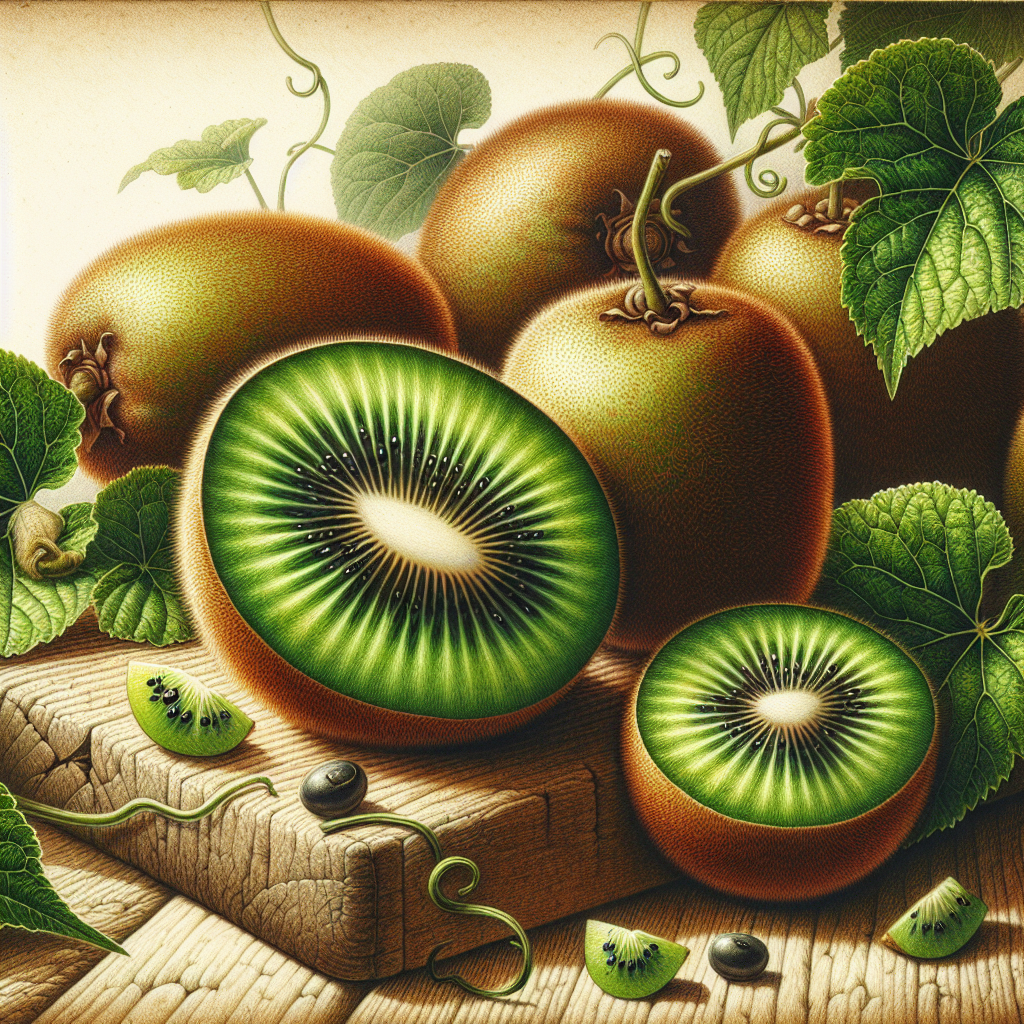
Hayward Kiwi
The Hayward Kiwi is the premier commercial green kiwi variety, prized for its large, oval fruits with fuzzy brown skin, vibrant green flesh, and exceptional sweetness balanced by a tangy kick. This vigorous vine thrives in temperate climates, producing heavy yields after 3-5 years when provided with strong support structures and cross-pollination from male vines. Perfect for home orchards or commercial operations, it offers reliable harvests of nutritious, vitamin C-packed fruits from fall through winter.
View Guide
Hazelnut
Hazelnut is a high-value temperate nut crop grown for its rich, sweet kernels and adaptable growth habit, either as a multi-stemmed shrub or a trained small tree. Successful production depends on cool winters, moderate summers, well-drained fertile soil, compatible pollinizers, and careful canopy, sucker, and moisture management.
View Guide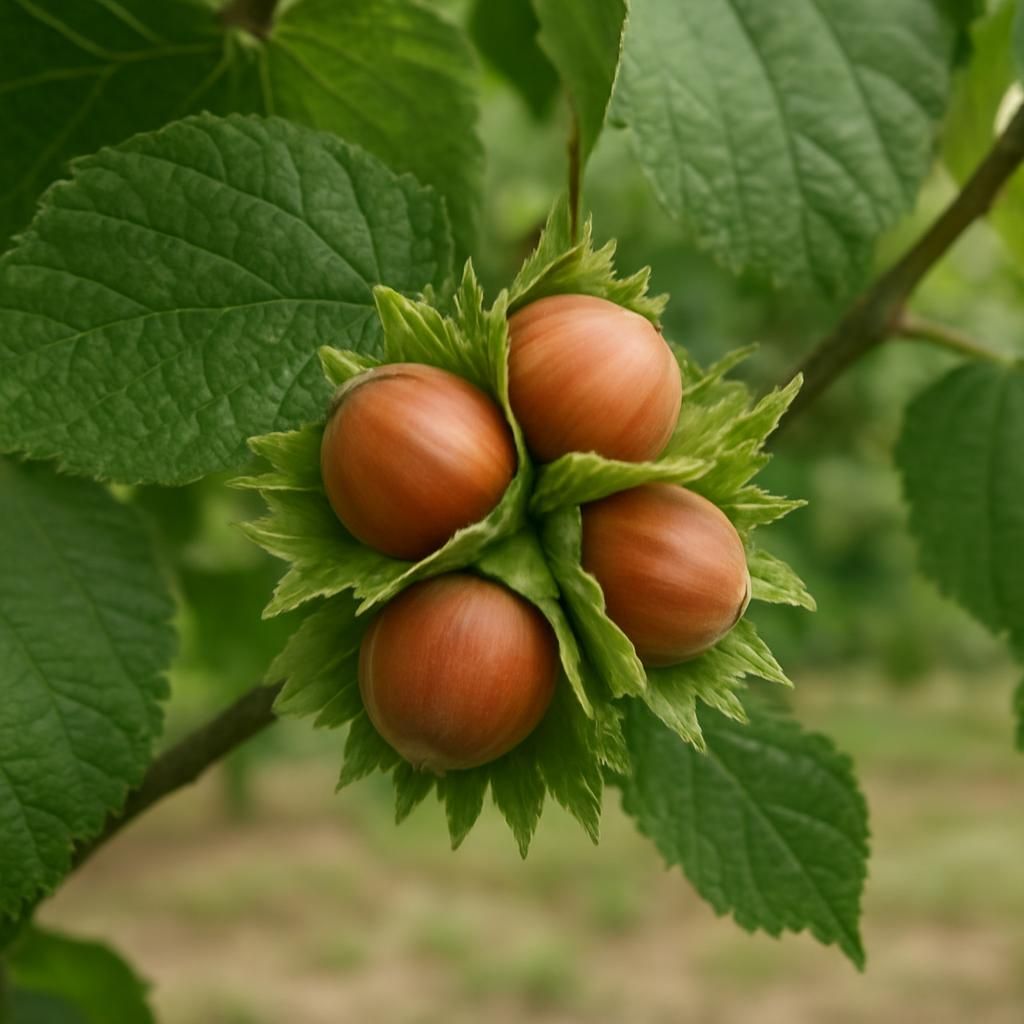
Hazelnut (Barcelona)
The Barcelona hazelnut is a high-yielding European cultivar prized for its large nuts, strong tree vigor, and reliable performance in temperate orchards. This guide delivers professional-grade advice on soil, planting, care, pest management, and harvest for commercial and home growers.
View Guide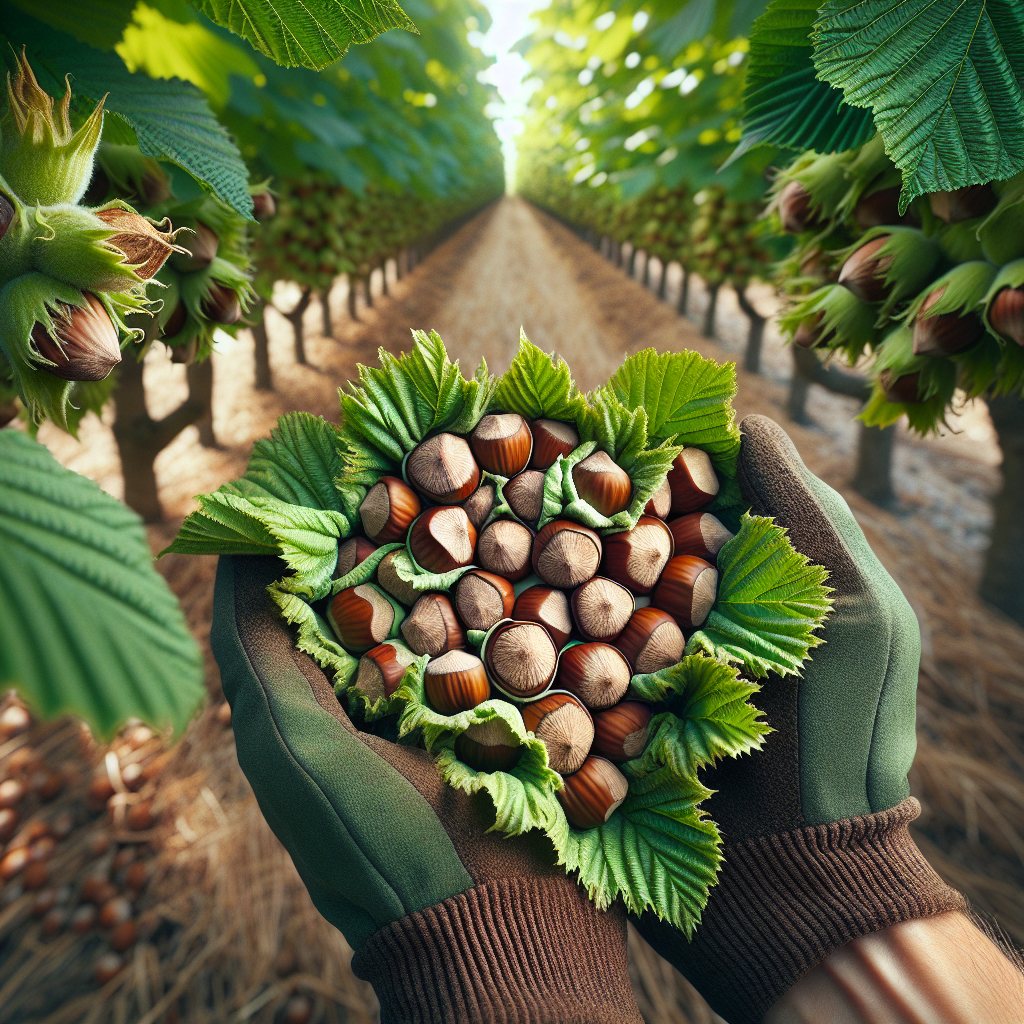
Hazelnut (Butler)
Hazelnut 'Butler' is a classic European hazelnut cultivar valued for its large nuts, vigorous growth, and usefulness as both a pollenizer and commercial orchard tree. It performs best in cool-temperate regions with well-drained soils, consistent spring moisture, and careful disease management, especially where eastern filbert blight is a concern.
View Guide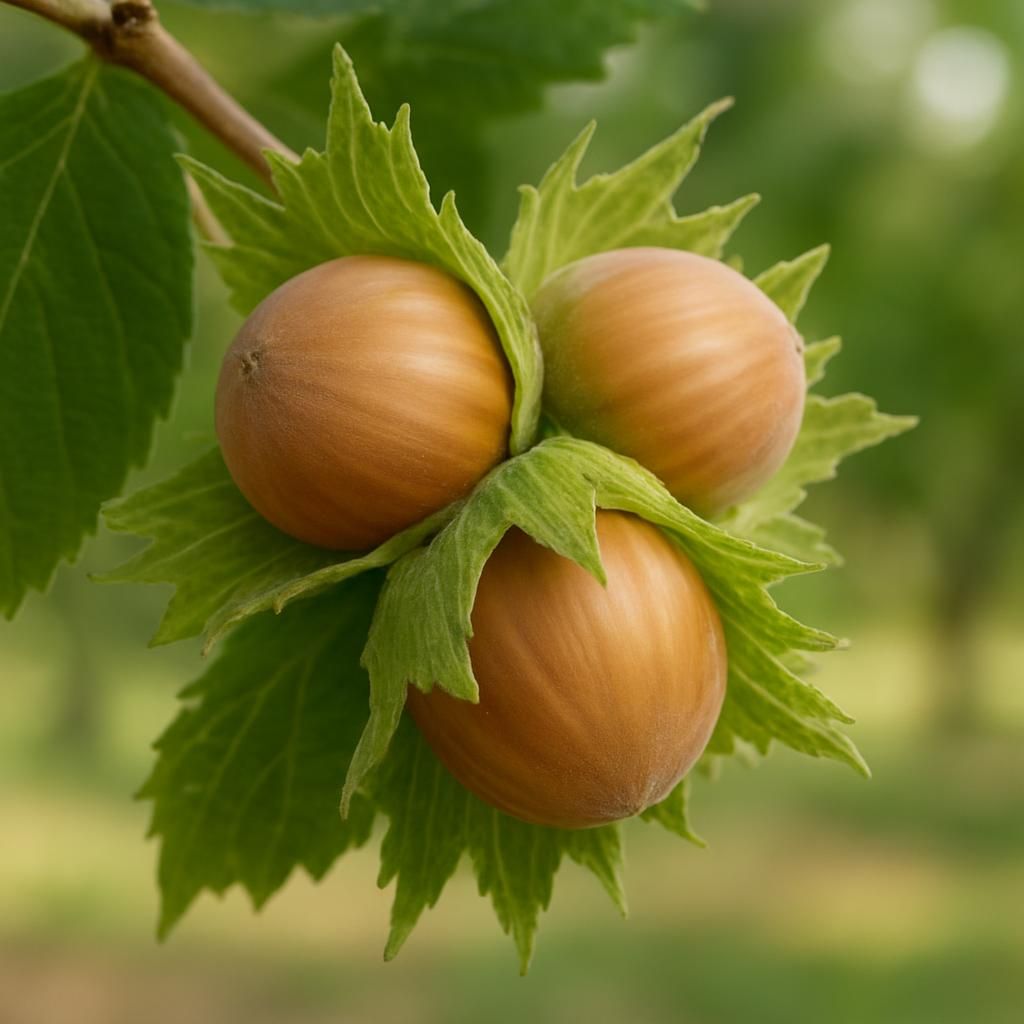
Hazelnut (Casina)
Casina is a high-yielding European hazelnut cultivar prized for its early ripening, large kernels, and strong disease resistance. This comprehensive guide covers site selection, planting, care, pest management, and harvesting for professional growers.
View Guide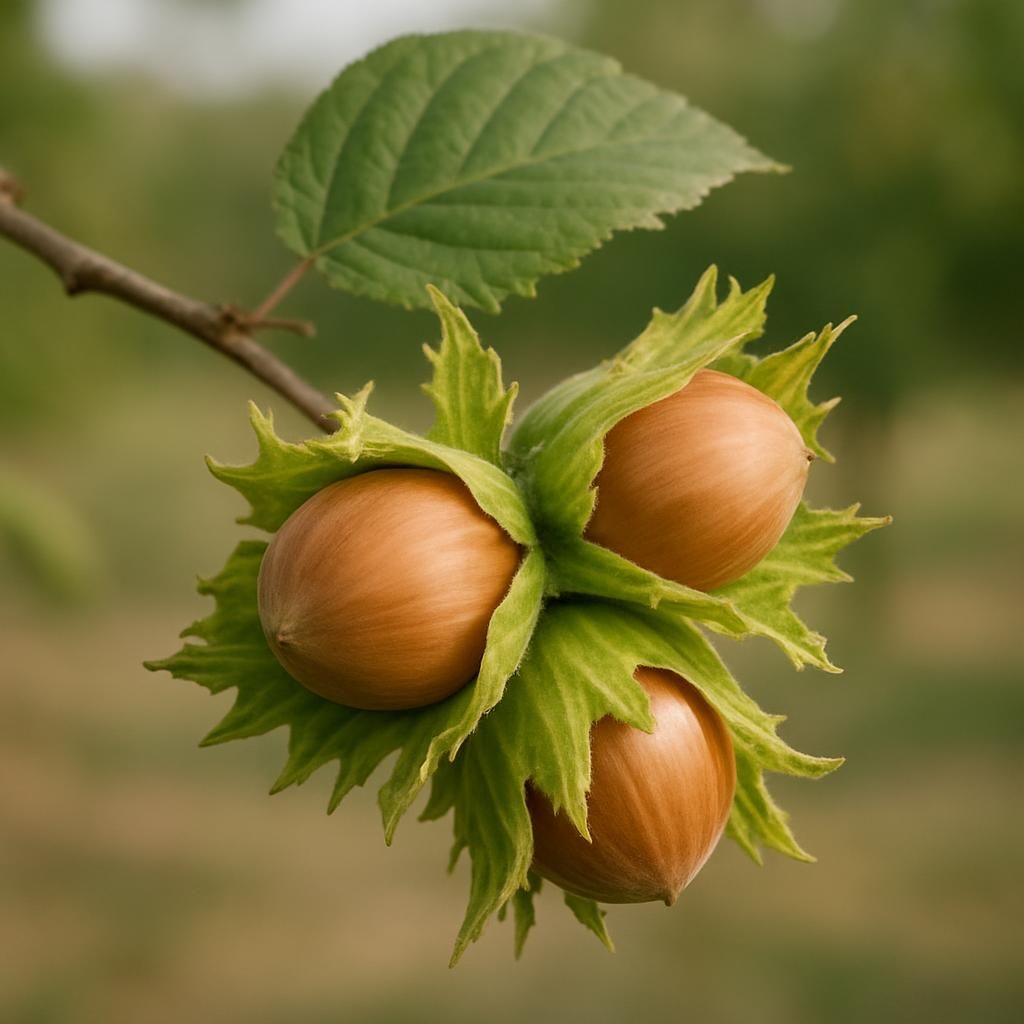
Hazelnut (Dorris)
Dorris is a high-yielding, late-blooming European hazelnut cultivar prized for its large kernels, excellent flavor, and strong resistance to eastern filbert blight. This definitive guide covers every stage of commercial and home-scale production from soil preparation through storage.
View Guide
Hazelnut (Ennis)
Hazelnut 'Ennis' is a classic European hazelnut cultivar valued for its exceptionally large, attractive nuts and strong fresh-market appeal. It performs best in cool-temperate regions with well-drained soils, careful disease management, and compatible pollinizers, rewarding growers with premium-quality kernels when orchard design and timing are handled correctly.
View Guide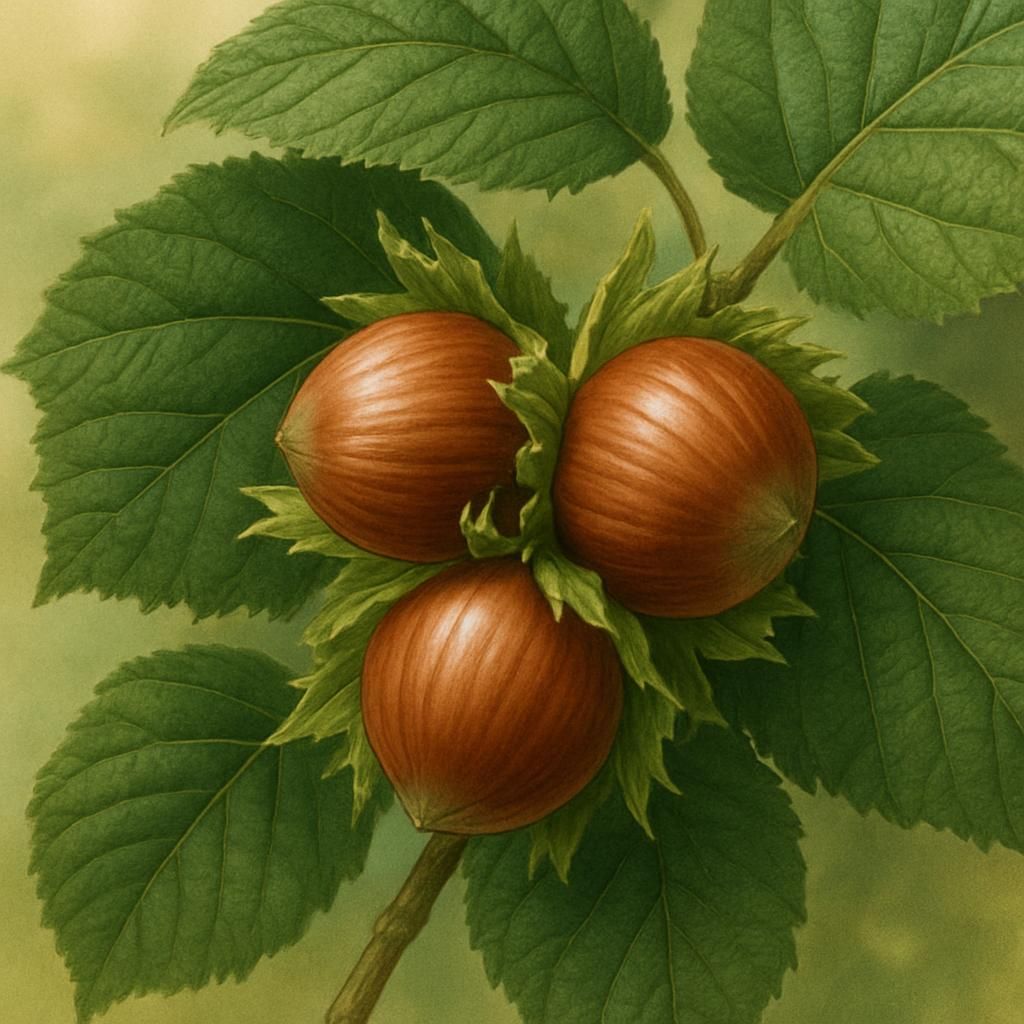
Hazelnut (Jefferson)
Jefferson is a high-yielding, disease-resistant hazelnut cultivar developed for commercial orchards in the Pacific Northwest. It offers excellent kernel quality, large nut size, and strong Eastern Filbert Blight tolerance, making it a top choice for modern growers seeking reliable production and long-term orchard viability.
View Guide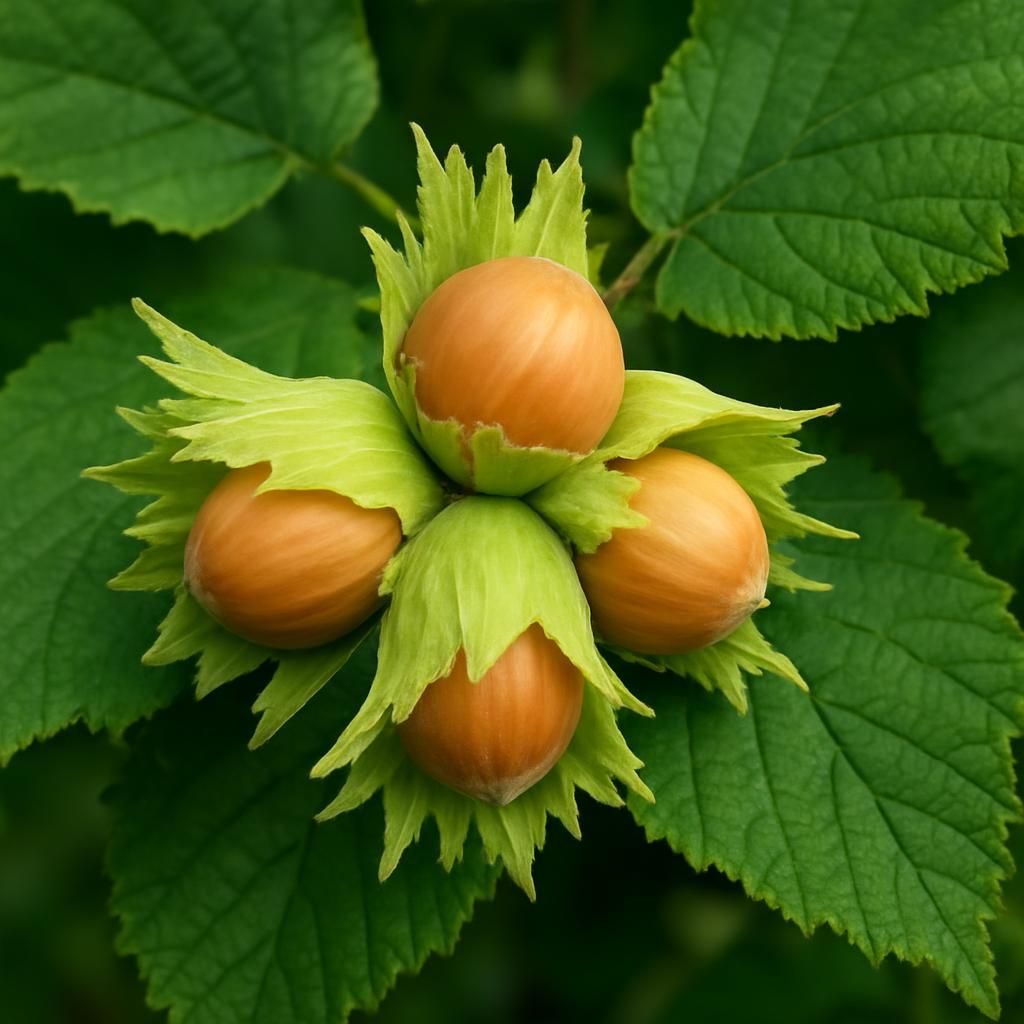
Hazelnut (Lewis)
Lewis is a high-yielding, disease-resistant hazelnut cultivar developed for Pacific Northwest conditions that produces medium-large nuts with excellent kernel quality. It offers reliable production, strong Eastern Filbert Blight tolerance, and is widely planted in commercial orchards and home gardens. The variety is valued for its consistent yields and suitability for both fresh markets and processing.
View Guide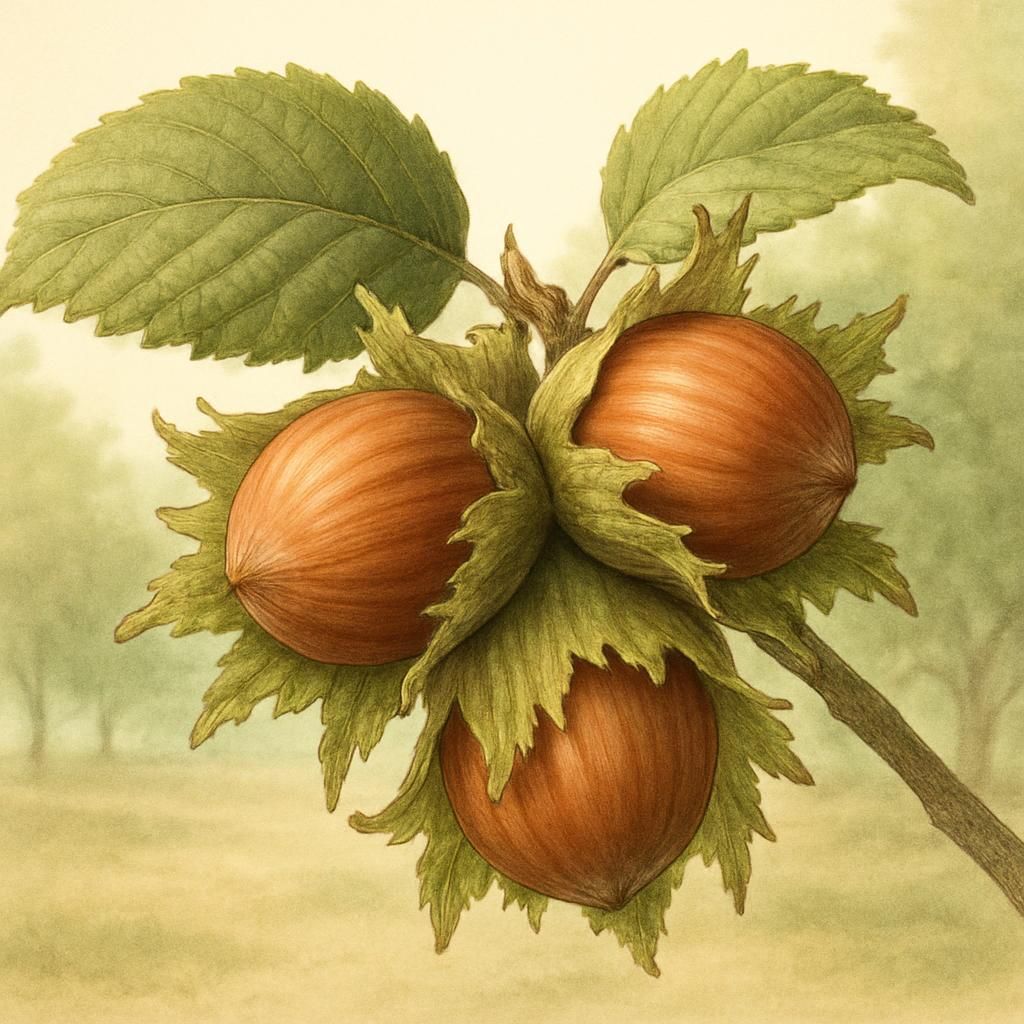
Hazelnut (Santiam)
Santiam is a high-yielding, disease-resistant hybrid hazelnut cultivar developed for commercial orchards in the Pacific Northwest. It produces medium-large nuts with excellent kernel quality and is prized for its Eastern Filbert Blight tolerance.
View Guide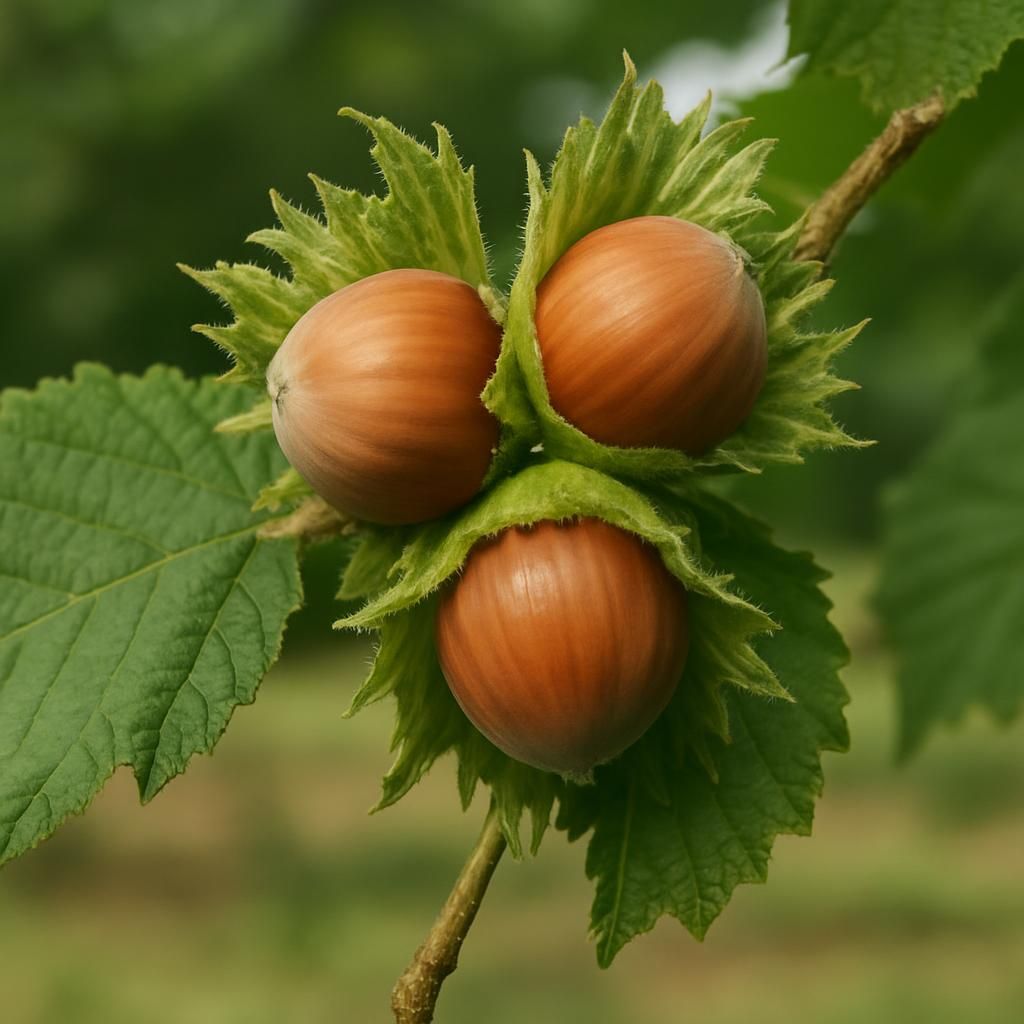
Hazelnut (Wepster)
Wepster is a high-yielding European hazelnut cultivar prized for its medium-large nuts, excellent kernel quality, and strong resistance to Eastern Filbert Blight. This definitive growing guide covers soil preparation, planting, irrigation schedules, pruning, organic pest management, harvesting, and companion planting strategies for commercial and home orchards.
View Guide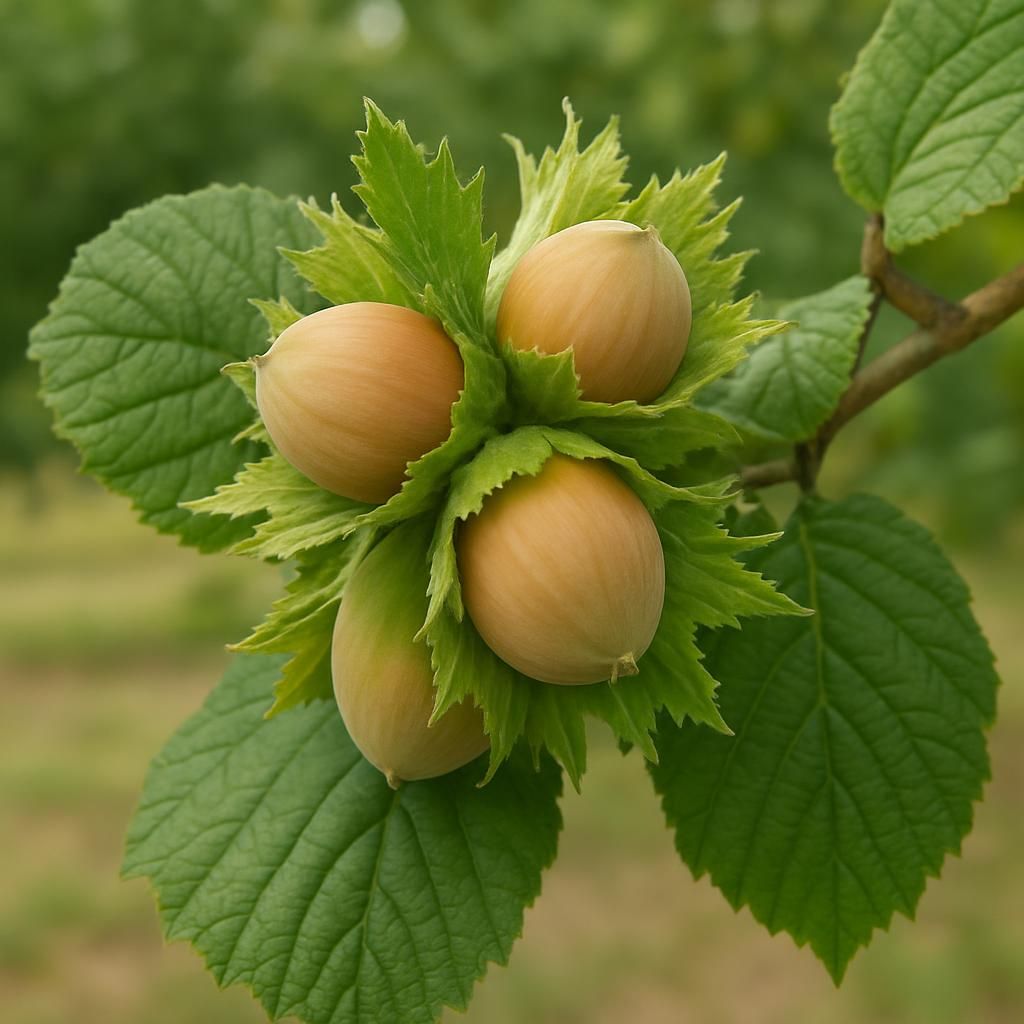
Hazelnut (Yamhill)
Yamhill is a high-yielding, disease-resistant hazelnut cultivar prized for its medium-large nuts and reliable performance in the Pacific Northwest. It offers strong Eastern Filbert Blight tolerance and consistent kernel quality for both commercial orchards and home growers. This guide delivers professional-grade cultivation details for successful long-term production.
View Guide
head bugs
Head bugs are notorious cereal crop pests known for targeting flowering heads and grains, causing significant yield losses in wheat, rice, and sorghum. These small, highly mobile insects feed voraciously on developing seeds, leading to chaffy heads and reduced grain quality. Effective management combines monitoring, cultural practices, and targeted organic controls for sustainable agriculture.
View Profile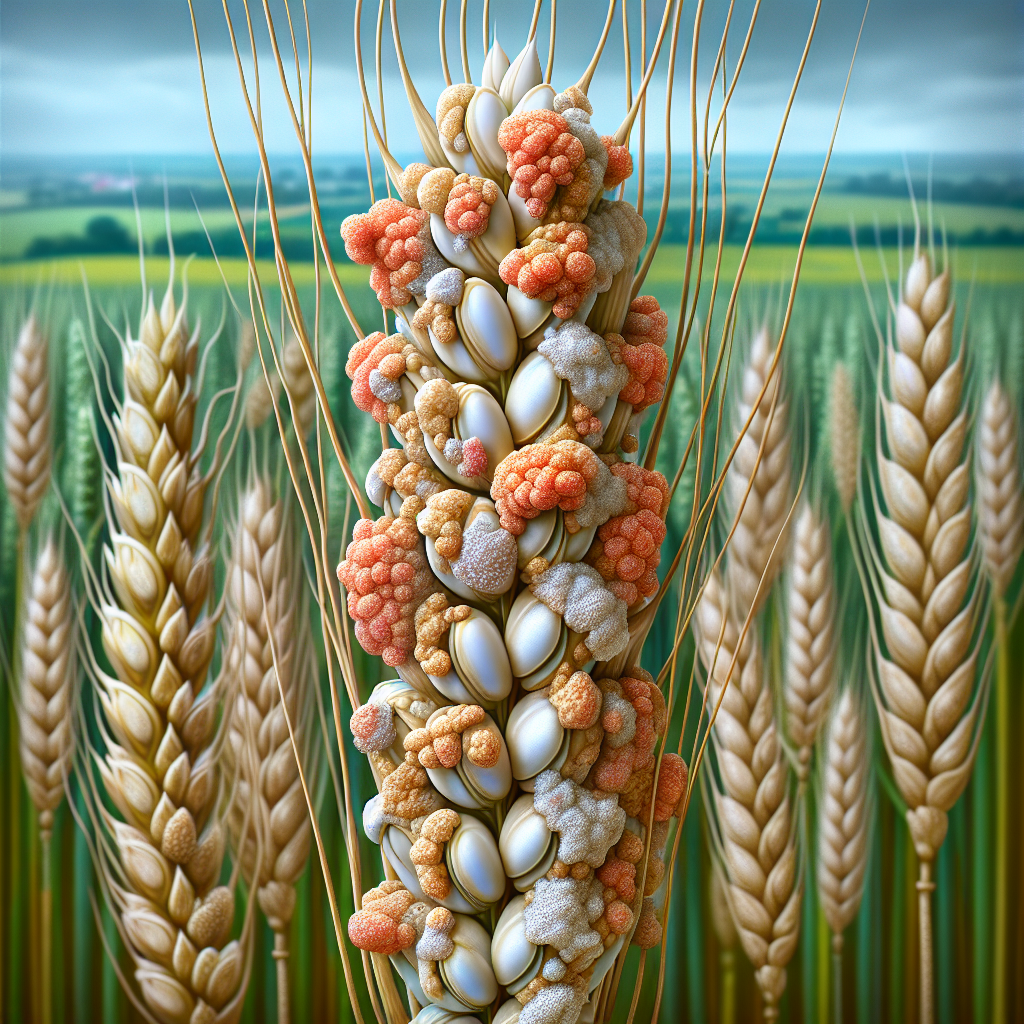
Head diseases
Head diseases are devastating fungal and bacterial infections that primarily target the reproductive heads or panicles of cereal crops like wheat, rice, and sorghum, leading to shriveled grains, mycotoxin contamination, and massive yield losses. These diseases thrive in warm, humid conditions and spread via spores and infected seed. Effective management relies on resistant varieties, cultural practices, and timely fungicide applications.
View Profile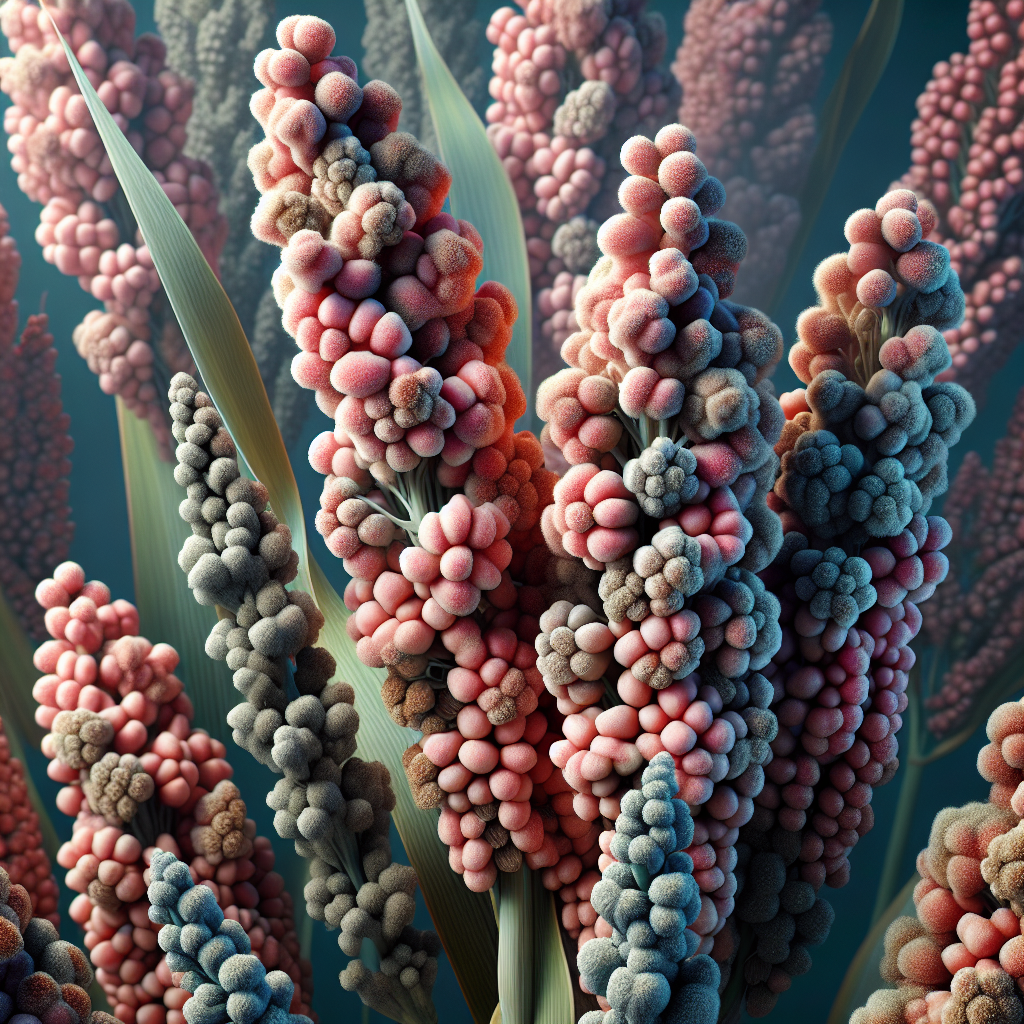
head molds
Head molds are fungal diseases that infect the heads or panicles of cereal crops during flowering and grain fill, causing discoloration, mold growth, and significant yield losses. Primarily triggered by high humidity and warm temperatures, they reduce grain quality and market value. Effective management relies on timely harvesting, resistant varieties, and cultural practices.
View Profile
head rots
Head rots are devastating fungal diseases primarily affecting the flowering heads of brassica crops like broccoli, cabbage, and cauliflower, causing wilting, browning, and rapid decay. Triggered by high humidity and poor airflow, they lead to significant yield losses in cool, wet conditions. Effective management relies on cultural practices, resistant varieties, and organic fungicides for prevention and control.
View Profile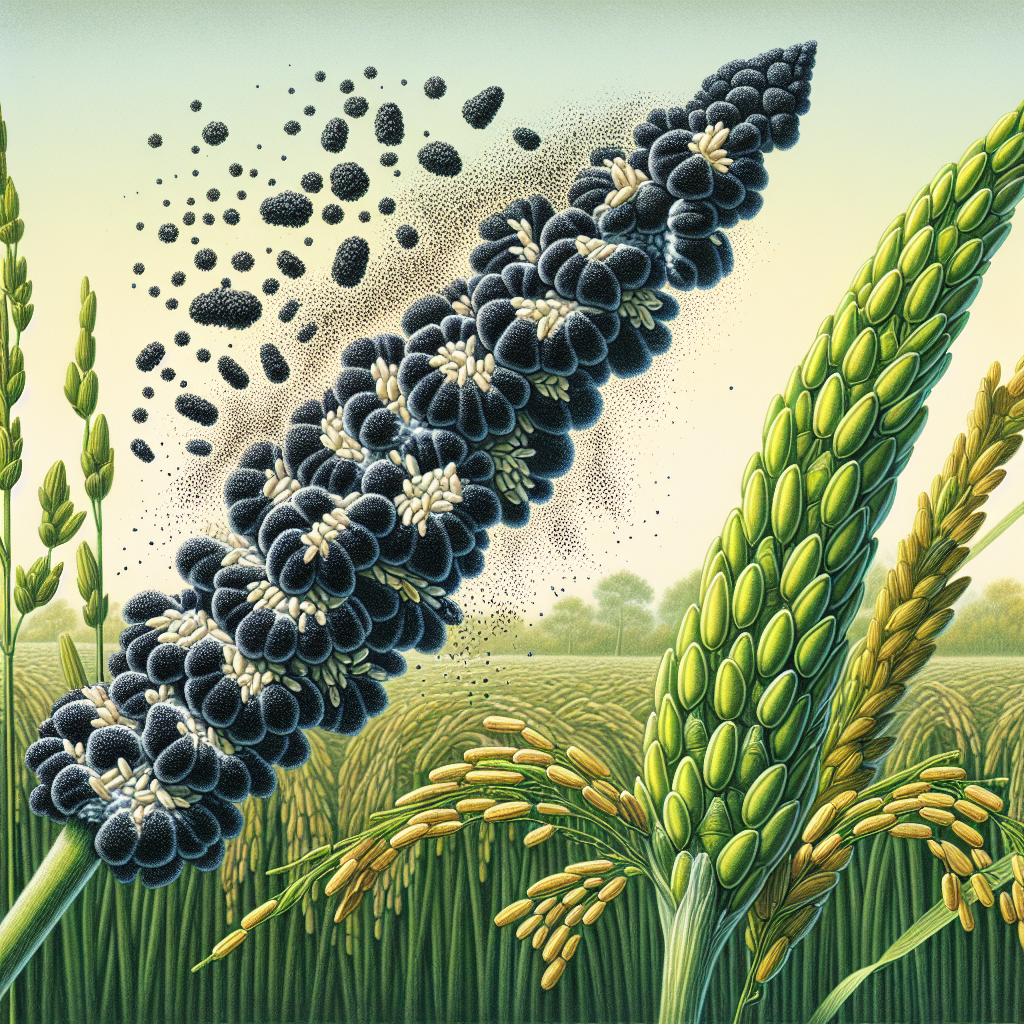
Head smut
Head smut is a destructive fungal disease primarily affecting rice and corn crops, transforming mature panicles or ears into masses of black teliospores. Caused by soilborne basidiomycete fungi in the genus Tilletia, it leads to significant yield losses in tropical and subtropical regions. Effective management relies on resistant varieties, sanitation, and cultural practices.
View Profile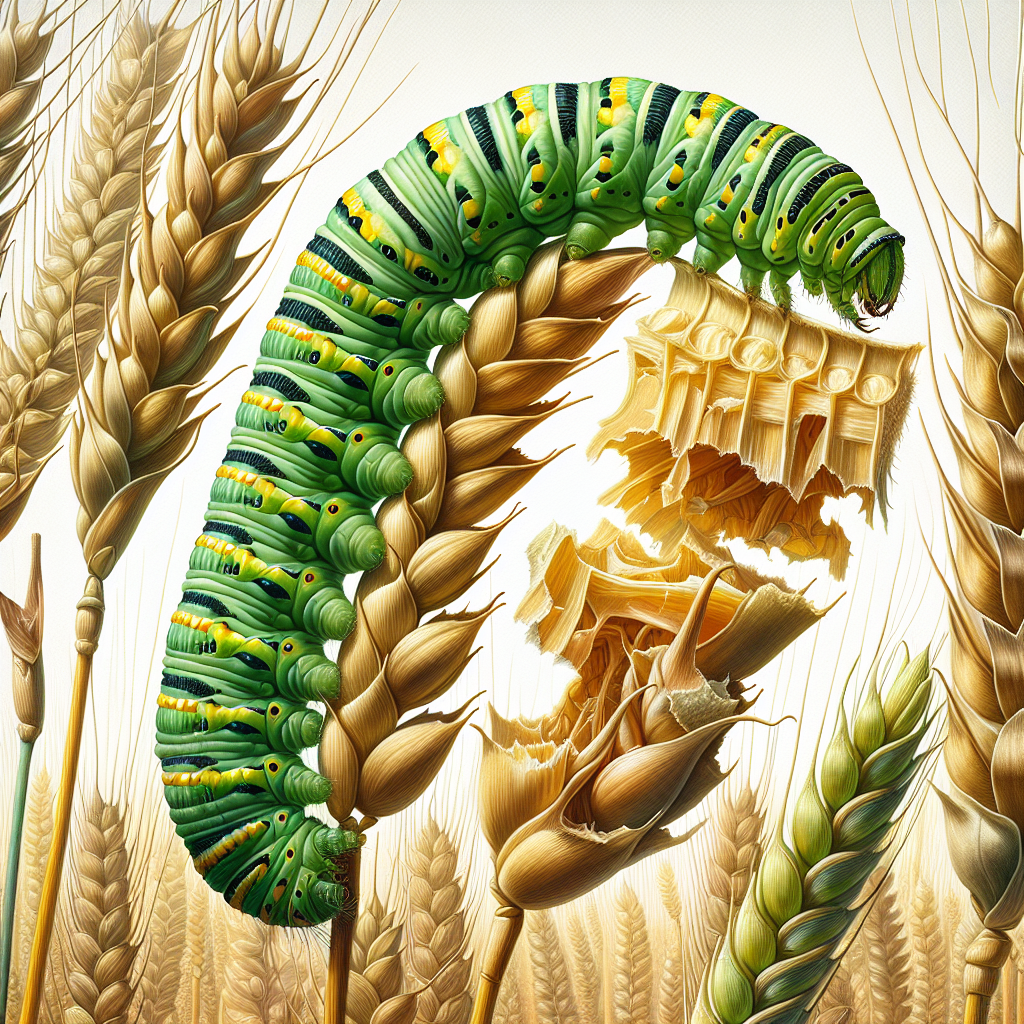
head-feeding caterpillars
Head-feeding caterpillars are destructive larvae targeting grain heads, panicles, and ears in cereal crops, causing significant yield losses through direct grain consumption and secondary damage. This guide provides comprehensive diagnostics, lifecycle insights, organic management strategies, and prevention tactics for farmers battling these pests. Effective control combines monitoring, biological agents, and cultural practices for sustainable agriculture.
View Profile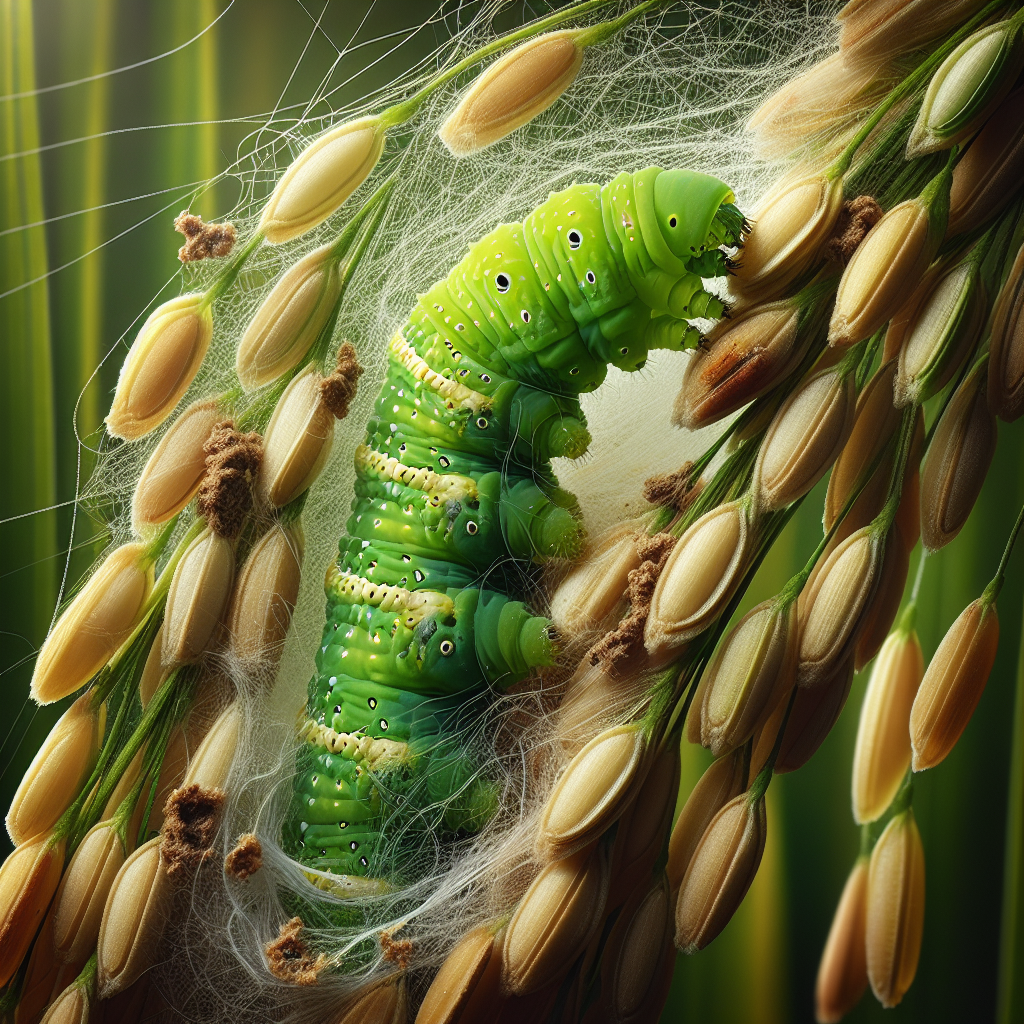
Head-feeding insects
Head-feeding insects are primarily caterpillars that target the developing heads, ears, or panicles of cereal and grain crops, causing severe yield losses by consuming grains and florets. These pests, including armyworms and earworms, thrive in warm, humid conditions and can devastate fields rapidly if not managed. Effective organic control relies on timely scouting, biological agents, and cultural practices to protect crop heads during vulnerable flowering stages.
View Profile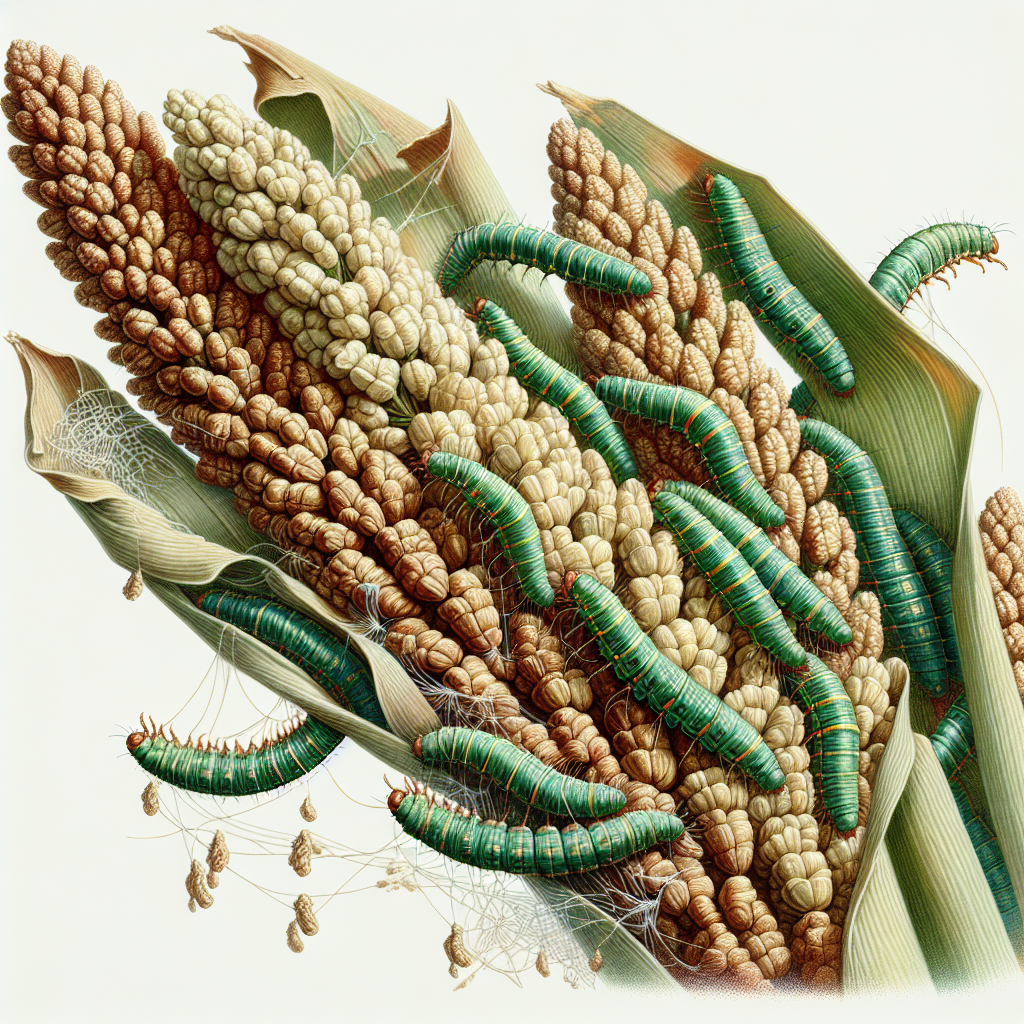
Headworms
Headworms are destructive caterpillars that target the reproductive heads of cereal crops like corn, sorghum, and millet, feeding on grains and causing significant yield losses. Primarily larvae of moths such as Helicoverpa zea and Spodoptera frugiperda, they bore into heads during grain fill, leading to mold and reduced quality. Effective management combines monitoring, biological controls, and cultural practices for sustainable control.
View Profile
Heart Rot
Heart rot is a destructive fungal disease caused by Phytophthora species that targets the internal tissues of fruit crops, leading to rapid decay of the central pulp. Commonly affecting pineapples, citrus, and stone fruits, it results in significant yield losses through soft, watery rot and off-flavors. Early detection and cultural management are key to minimizing damage in susceptible crops.
View Profile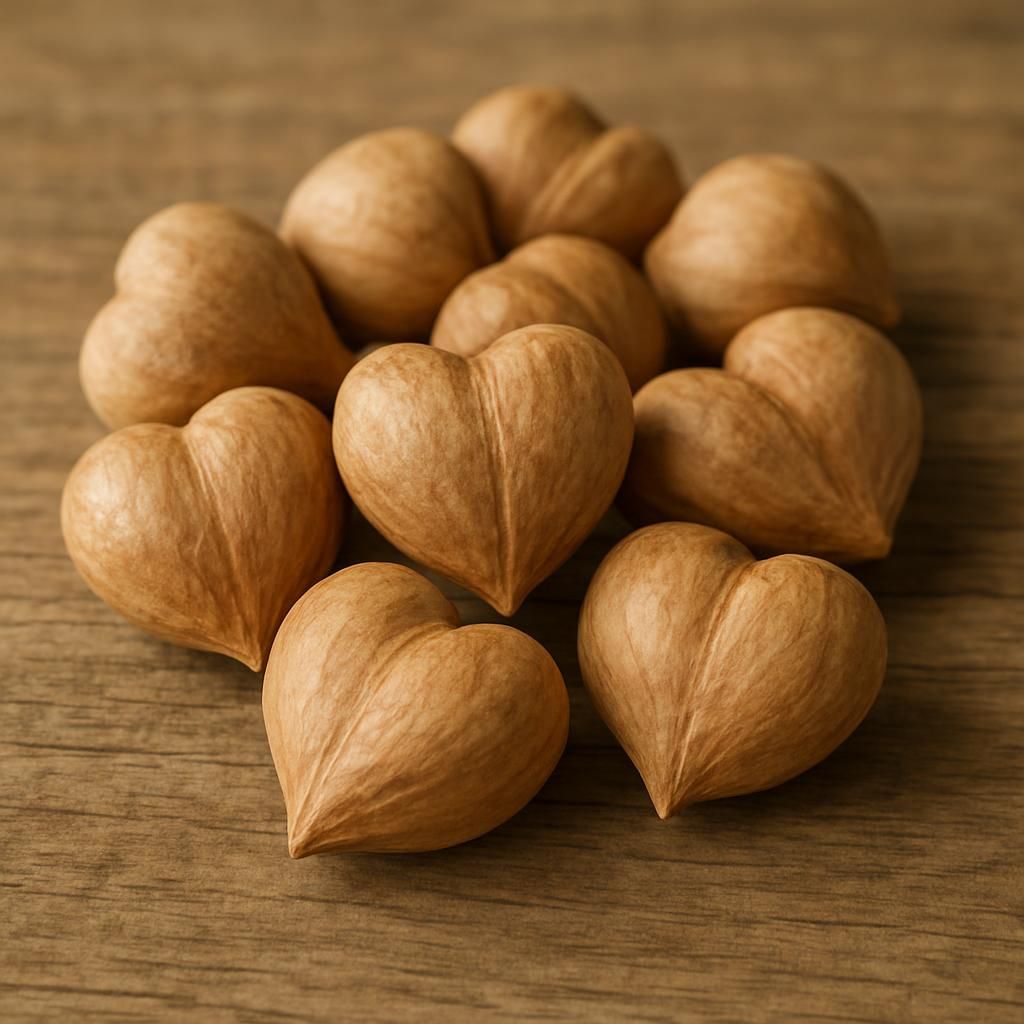
Heartnut (Juglans ailantifolia)
Heartnut is a cold-hardy Japanese walnut species prized for its heart-shaped kernels, high-quality timber, and reliable yields in temperate climates. This guide covers everything from soil preparation and planting to pest management, harvesting, and companion planting for successful commercial or home-scale production.
View Guide