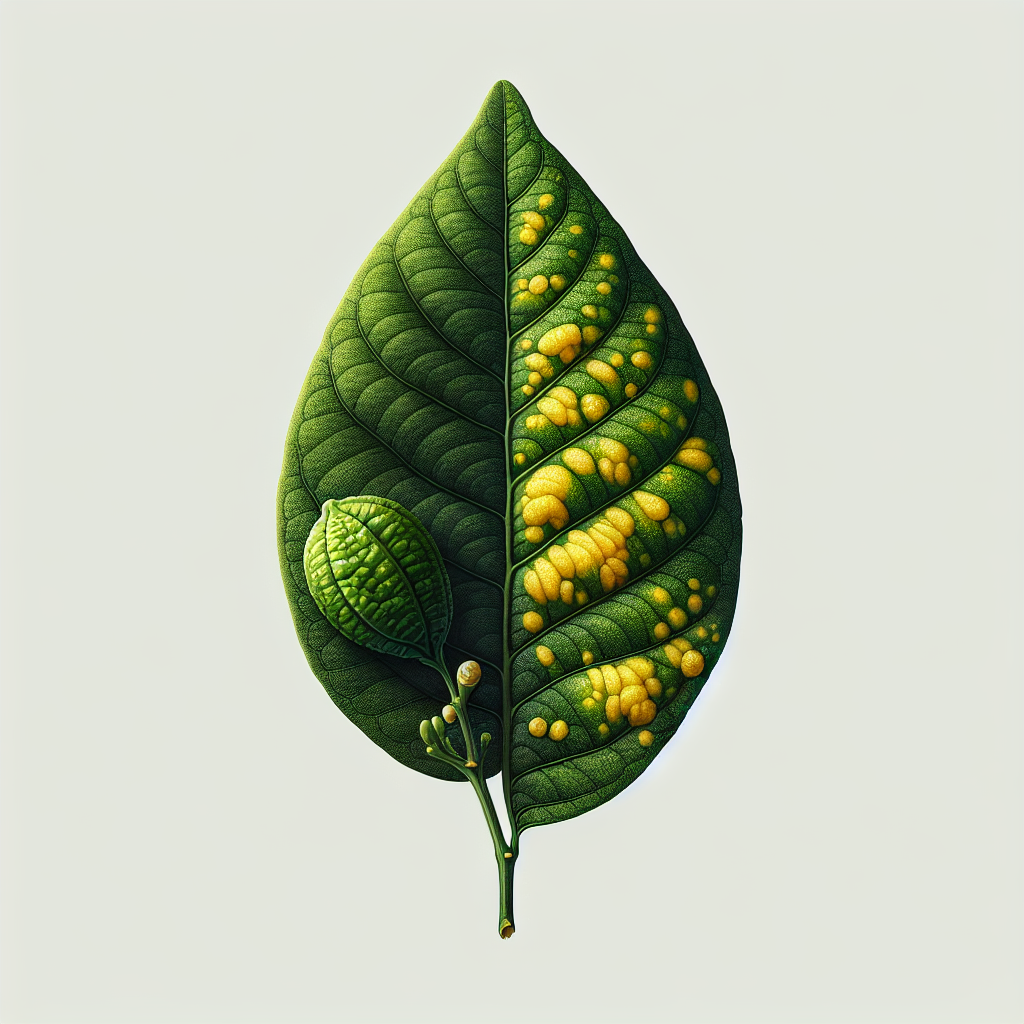
Introduction to Huanglongbing (citrus greening)
Huanglongbing (HLB), commonly referred to as citrus greening, represents one of the most destructive diseases facing global citrus industries today. Caused by the uncultured bacterium Candidatus Liberibacter asiaticus (CLas), Candidatus Liberibacter africanus, or Candidatus Liberibacter americanus, HLB is primarily spread by the Asian citrus psyllid, a tiny insect vector that feeds on phloem tissue and injects the pathogen during feeding. First documented in China in 1919, the disease has since ravaged citrus groves across Asia, Africa, the Americas, and beyond, leading to billions in economic losses. In Florida alone, HLB has reduced citrus production by over 75% since its detection in 2005.
The name 'huanglongbing' translates to 'yellow dragon disease' in Chinese, reflecting the characteristic yellow shoots and vein mottling on infected leaves. Unlike many fungal or viral diseases, HLB targets the tree's vascular system, disrupting nutrient and water transport, which results in stunted growth, misshapen fruit, and premature fruit drop. There is no known cure for HLB-infected trees; management relies on aggressive vector control, removal of infected trees, and planting resistant varieties. This guide provides comprehensive diagnostic criteria, lifecycle details, organic management strategies, and prevention tactics tailored for commercial growers and small-scale citrus farmers. For more on the pathogen itself, see the detailed entry on huanglongbing.
Understanding HLB is crucial not just for orange, lemon, and lime producers but for any operation growing citrus relatives. Early intervention can preserve yields, while neglect leads to total orchard decline within 3-5 years. Recent research emphasizes integrated pest management (IPM) combining biological controls, cultural practices, and vigilant scouting. As climate change expands psyllid habitats, proactive strategies are more vital than ever.
Identifying Symptoms & Damage
Diagnosing HLB requires keen observation of foliar, fruit, and root symptoms, often confirmed via PCR testing. Initial signs appear subtly on new flush: asymmetrical mottling with blotchy yellow veins on dark green leaves, resembling zinc deficiency or citrus leafminer damage. Affected leaves may curl upward, and shoots exhibit a 'blush' of yellowing. As disease progresses, entire canopies thin out, with dieback starting from the top.
Fruit symptoms are diagnostic: small, lopsized, green-islanded oranges with aborted seeds, bitter taste, and premature drop. Longitudinal sections reveal enlarged, corky phloem vessels. Roots show decline with sparse feeder roots, cortical cracking, and secondary invasions by Phytophthora or root-knot nematodes. Trees become stunted, yielding less than 10% of healthy output within years.
Damage quantification is severe: infected groves see 30-100% yield loss, with fruit quality plummeting due to high acidity and low sugar. Economic impact includes replanting costs exceeding $20,000 per acre. Differentiate from nutrient deficiencies (e.g., iron chlorosis lacks mottling) or citrus tristeza virus via lab tests. Scout weekly during flush periods using sticky traps for psyllids. Symptoms vary by host; sweet oranges show classic mottling, while grapefruits exhibit more severe fruit symptoms.
Lifecycle and Progression of Huanglongbing (citrus greening)
HLB's lifecycle hinges on the psyllid vector. Adult psyllids (0.15-0.2 inches, mottled brown) lay eggs on new flush; nymphs (5 instars) feed and acquire CLas after 1-3 weeks, becoming lifelong transmitters. Latency in psyllids is 1-12 days; bacteria multiply in salivary glands. Infected psyllids inoculate trees during brief probes, with transmission rates >90%.
In trees, CLas colonizes phloem, multiplying slowly (months to years for symptoms). Progression: latent (1-12 months), presymptomatic (1-2 years with mild mottling), symptomatic (yield loss begins), and terminal (tree death in 3-5 years). Bacteria move bidirectionally via phloem, favored by warm temperatures (68-95°F optimal). No seed transmission, but contaminated tools spread it.
Seasonal peaks align with flush cycles; tropical regions see year-round progression, while subtropical areas have slower winter rates. Root decline precedes canopy symptoms by months, exacerbating drought stress. Advanced PCR detects latent infections, enabling removal before spread.
Environmental Triggers & Risk Factors
HLB thrives in humid, subtropical/tropical climates (77-95°F, >60% humidity), accelerating psyllid reproduction (15-20 generations/year). New flush attracts psyllids, amplifying transmission. Poor soil drainage, drought, or root rot stress weakens trees, hastening symptom expression. High-density plantings (>150 trees/acre) facilitate spread.
Risk factors include proximity to abandoned groves harboring psyllids, wind-blown adults up to 1 mile, and contaminated nursery stock. Irrigation deficits compound phloem blockage. Climate shifts extend ranges; HLB now threatens California and Texas. Soil pH extremes or nutrient imbalances mimic symptoms, underscoring balanced fertility.
Organic Control & Treatment Plans
No curative organic treatment exists; focus on vector suppression and tree support. Deploy citrus psyllid-resistant rootstocks like US-942 or US-897. Release biological agents: Tamarixia radiata parasitoids (up to 80% nymph mortality) and predatory ladybugs. Organic insecticides like neem oil or spinosad target nymphs during flush (apply evenings, 7-10 day intervals).
Cultural tactics: balanced nutrition with micronutrients (e.g., manganese, zinc foliar sprays), reflective mulches to deter psyllids, and windbreaks. Remove infected trees promptly, destroying via chipping or burning. Therapeutic injections of micronutrients (e.g., chelated zinc) sustain yields 1-2 years. IPM scouting with delta traps (10/acre) triggers action at 0.2 psyllids/trap/week. Check our Spring Pest Patrol: Organic AI Strategies to Shield Your Crops from Common Invaders for tech-enhanced monitoring.
Soil drenches with mycorrhizal fungi bolster roots. Prune systematically to reduce flush synchrony. Yields can stabilize at 50-70% with rigorous IPM.
Preventing Huanglongbing (citrus greening) in the Future
Prevention is paramount: source certified HLB-free nursery stock, inspected quarterly. Area-wide psyllid control via coordinated sprays reduces inoculum. Quarantine new plantings 2-3 years. Use HLB-tolerant varieties like Sugar Belle or LB8-9. Maintain orchard sanitation: rogue centrals first.
Install 24-36" copper-zinc mesh barriers. Hyper-local weather monitoring aids flush prediction. Educate workers on hygiene. Long-term: breed resistant cultivars via CRISPR. Global efforts like USDA's HLB program emphasize surveillance.
Crops Most Affected by Huanglongbing (citrus greening)
Citrus species dominate impacts: sweet orange (e.g., Valencia, Navel) suffers 80-100% mortality untreated; grapefruit highly susceptible with severe fruit defects. Lemon (Eureka, Lisbon) shows mottling; trifoliate hybrids more tolerant. Mandarins vary—Satsuma resists better. Beyond Citrus, close relatives like kumquat and poncirus show symptoms, though less economically. HLB devastates $10B+ annually, threatening juice, fresh markets.