Encyclopedia
Definitive guides for crops, pests, and agricultural diseases.
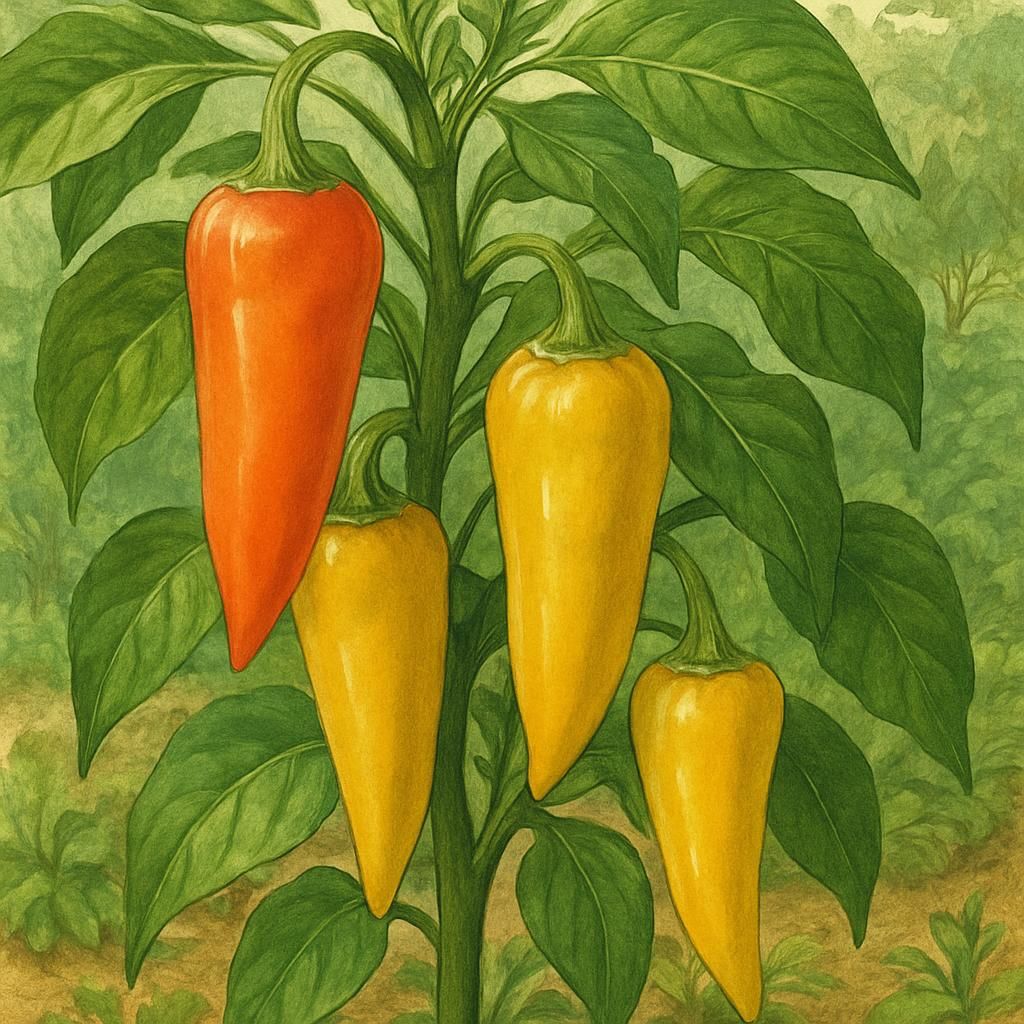
Hungarian Wax Pepper
Hungarian Wax Pepper, a prolific and moderately spicy chili, is favored for its bright yellow fruits that mature to red. Ideal for a variety of dishes, its cultivation involves tailored soil and climate conditions.
View Guide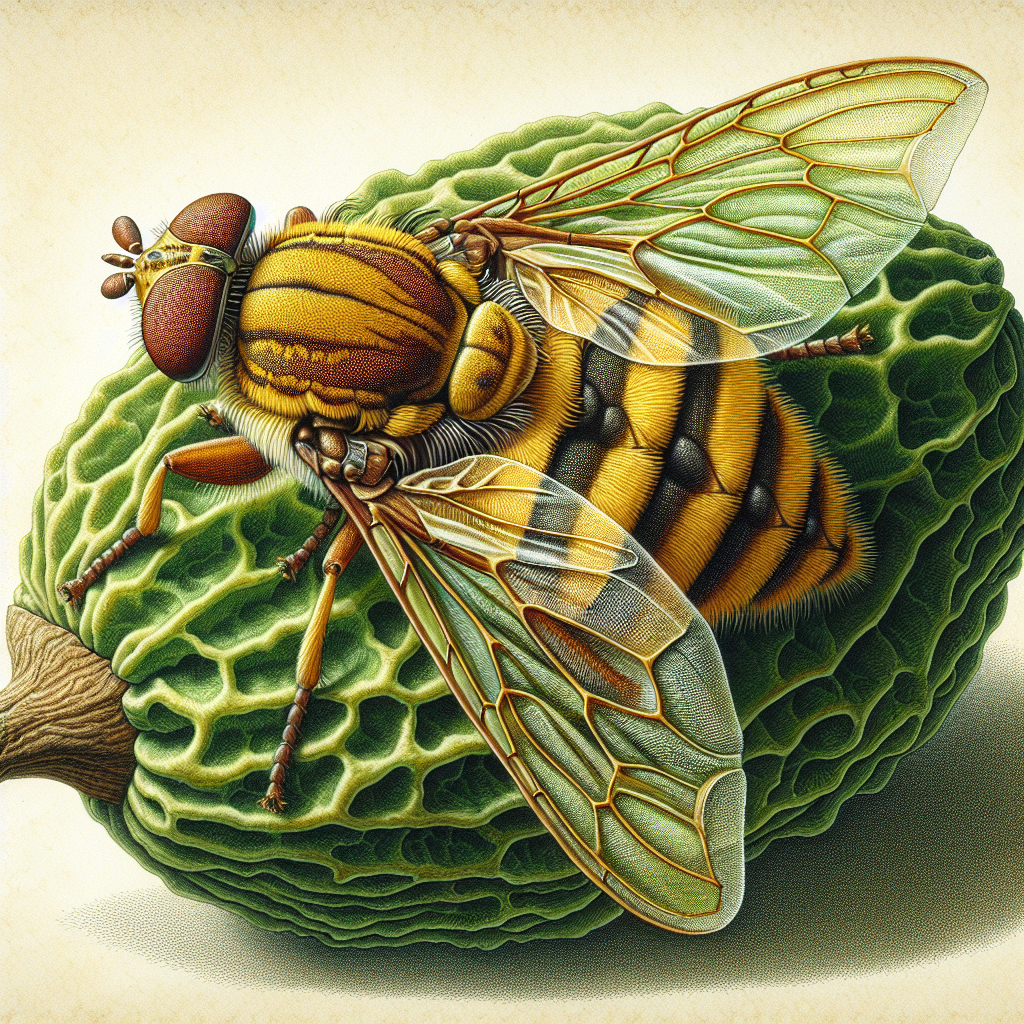
Husk fly
The husk fly, scientifically known as Rhagoletis completa, is a destructive pest primarily targeting walnut husks, causing premature drop and quality degradation. Effective management combines monitoring, sanitation, and organic controls to protect yields. This guide provides diagnostic symptoms, lifecycle details, and proven strategies for prevention and control.
View Profile
husk rot
Husk rot is a destructive fungal disease primarily affecting nut crops like pecans, walnuts, and chestnuts, caused by Phytophthora species that thrive in wet conditions. It leads to rapid decay of fruit husks, causing premature drop and significant yield losses. Effective management relies on cultural practices, sanitation, and targeted organic fungicides.
View Profile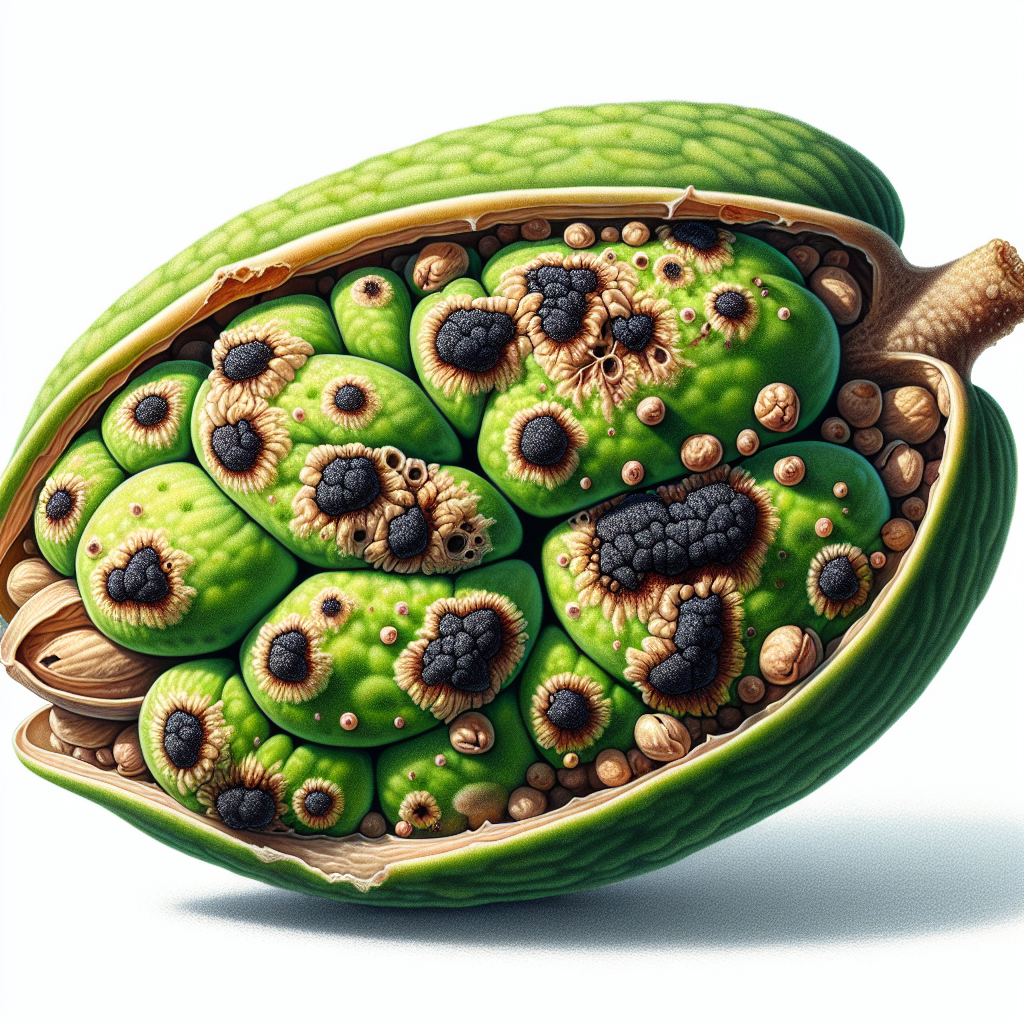
husk spot
Husk spot is a fungal disease primarily affecting pistachio trees, causing dark lesions and premature dehiscence of the husk surrounding the nut. Caused by Phomopsis pistaciae, it leads to significant yield losses through nut drop and reduced quality. Effective management relies on cultural practices, sanitation, and targeted fungicide applications during critical growth stages.
View Profile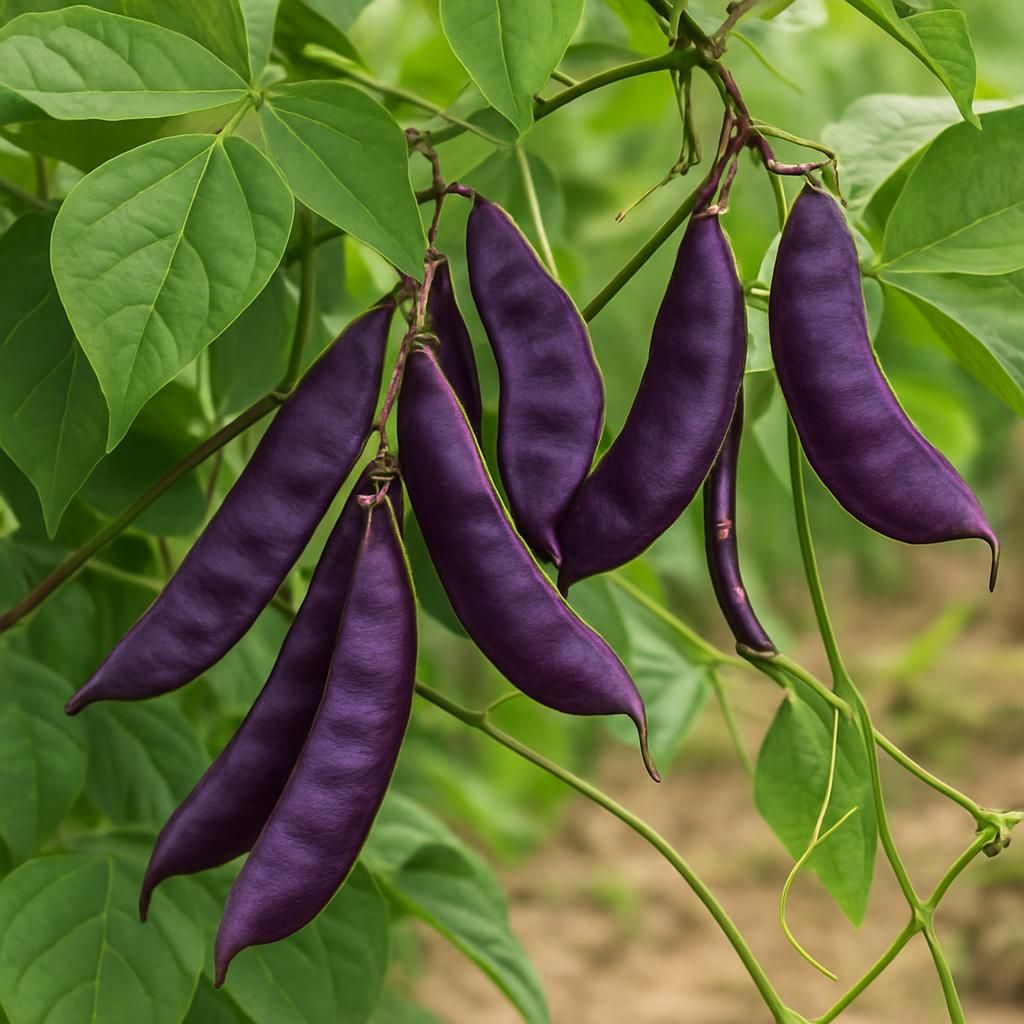
hyacinth bean
Hyacinth bean is a fast-growing, dual-purpose legume valued for its edible pods, seeds, and nitrogen-fixing ability. It thrives in warm climates and is widely cultivated in tropical and subtropical regions for both food and forage.
View Guide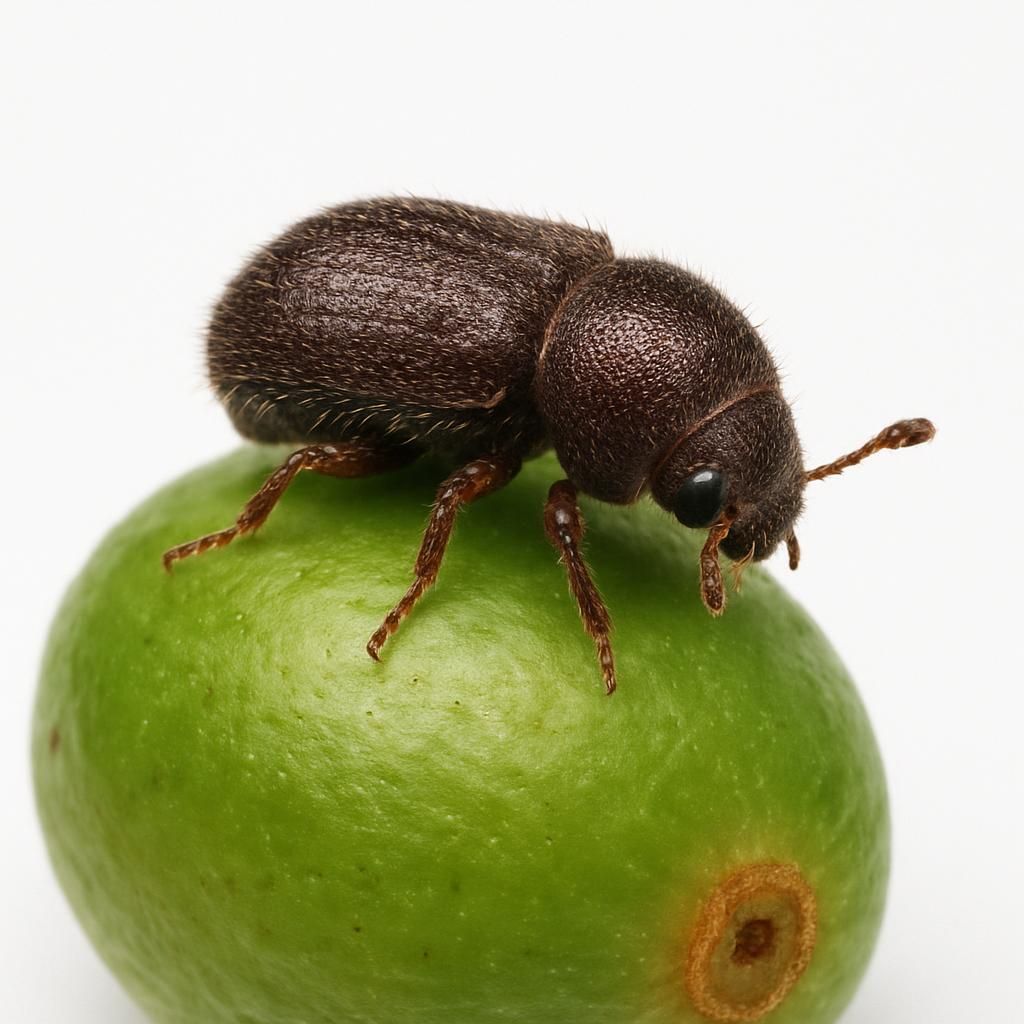
Hypothenemus hampei
Hypothenemus hampei, commonly known as the coffee berry borer, is the most economically damaging insect pest of coffee worldwide. This tiny beetle bores into developing berries, destroying the bean quality and causing significant yield losses. Effective management requires integrated cultural, biological, and targeted chemical strategies throughout the crop cycle.
View Profile
Ice Cream Bean (Inga edulis)
Ice Cream Bean (Inga edulis) is a fast-growing tropical legume tree prized for its sweet, creamy-white pulp that tastes like vanilla ice cream, encased in long pods. Native to South America, it thrives in humid climates, fixes nitrogen in soil, and provides shade, fodder, and erosion control. This guide covers cultivation from propagation to harvest for optimal yields.
View Guide
Ice Cream Bean (Inga feuilleei)
Ice Cream Bean (Inga feuilleei) is a fast-growing tropical legume tree prized for its sweet, cottony pods that taste like vanilla ice cream, offering both culinary delight and agroforestry benefits. Native to Central and South America, it thrives in humid tropics, fixes nitrogen in soil, and provides shade for understory crops. This guide covers cultivation from propagation to harvest for optimal yields.
View Guide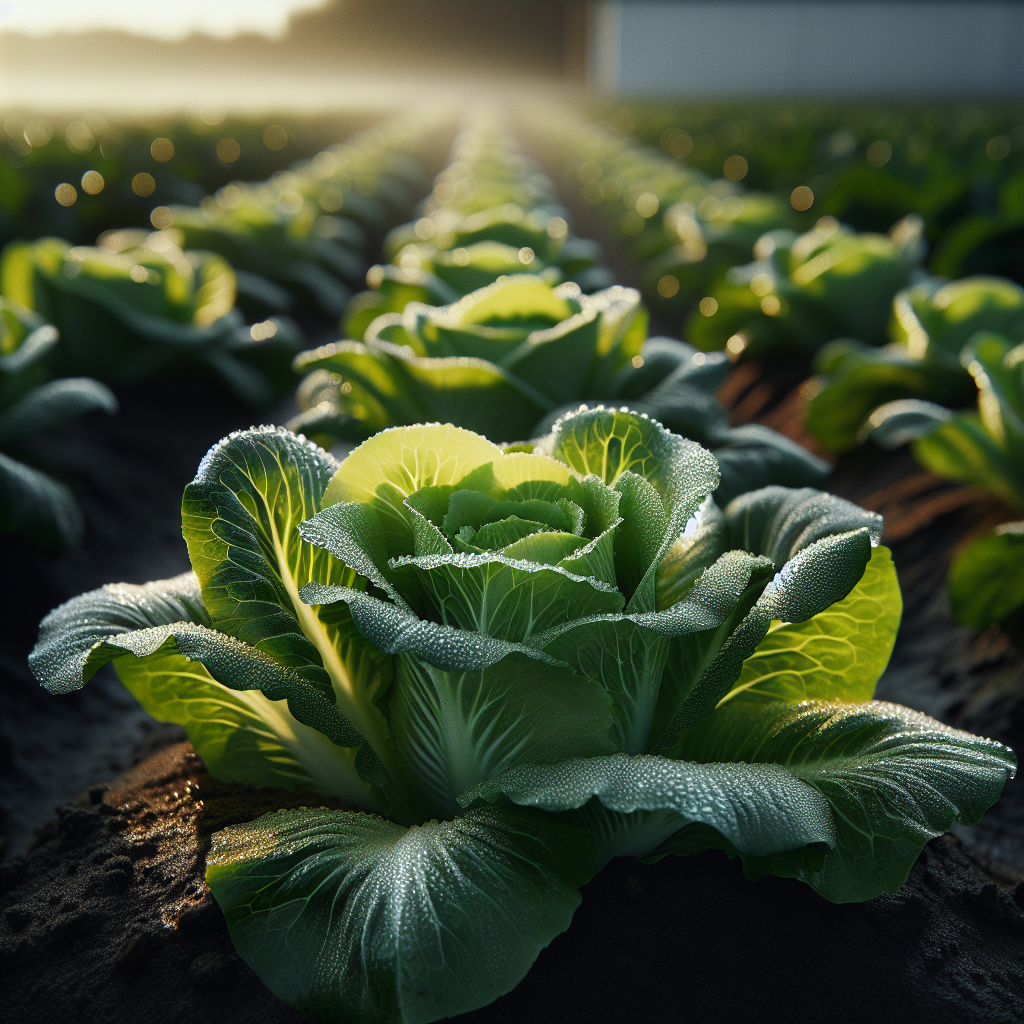
Iceberg Lettuce
Iceberg lettuce is a crisphead type of lettuce prized for its dense, round heads, high water content, and exceptional crunch. Although often considered simple, it is actually one of the more exacting lettuces to grow well because uniform moisture, cool temperatures, and careful timing are essential for tight head formation and premium quality.
View Guide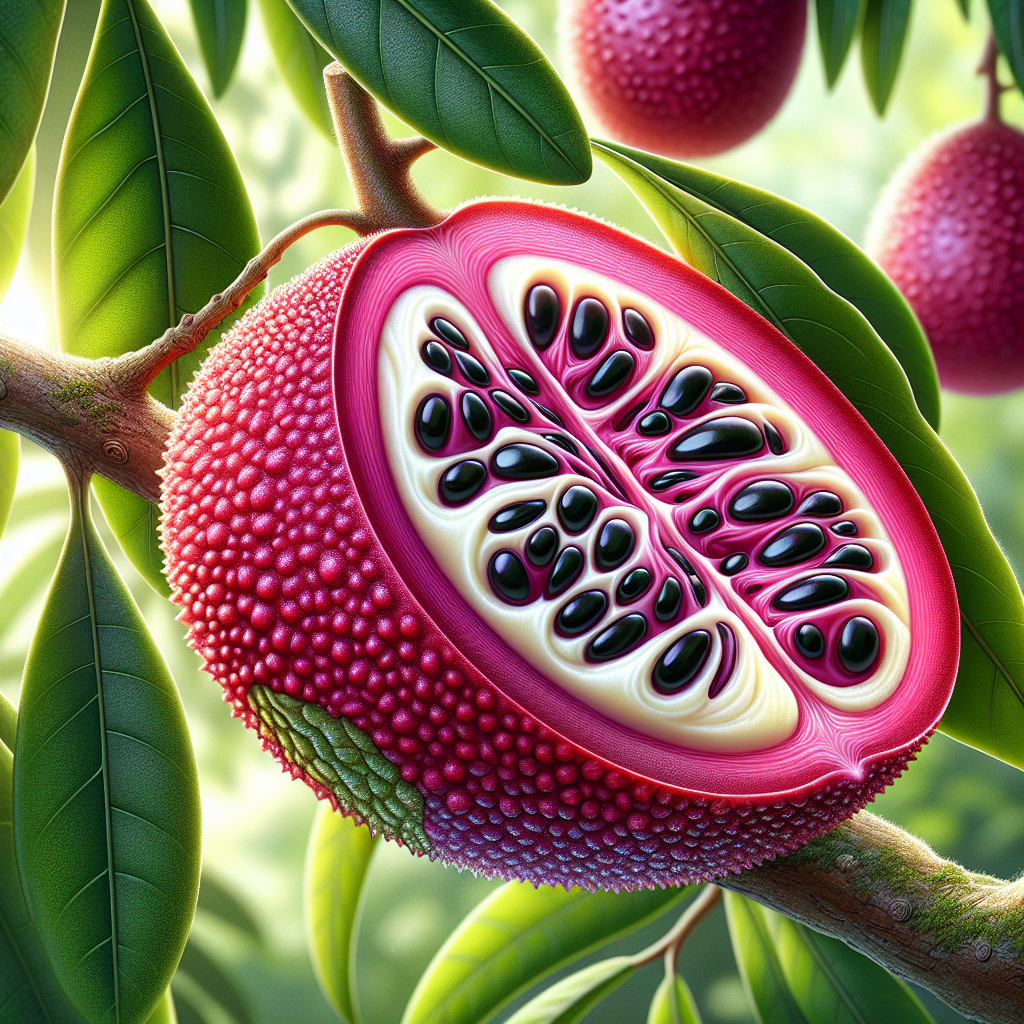
Ilama (Genova Red)
Ilama (Genova Red) is a rare, red-skinned variant of the ilama fruit tree, prized for its creamy, custard-like flesh with sweet strawberry notes. Native to Central America, this subtropical crop thrives in warm climates and produces heart-shaped fruits weighing 1-3 pounds. This guide provides expert cultivation techniques for high yields and superior fruit quality.
View Guide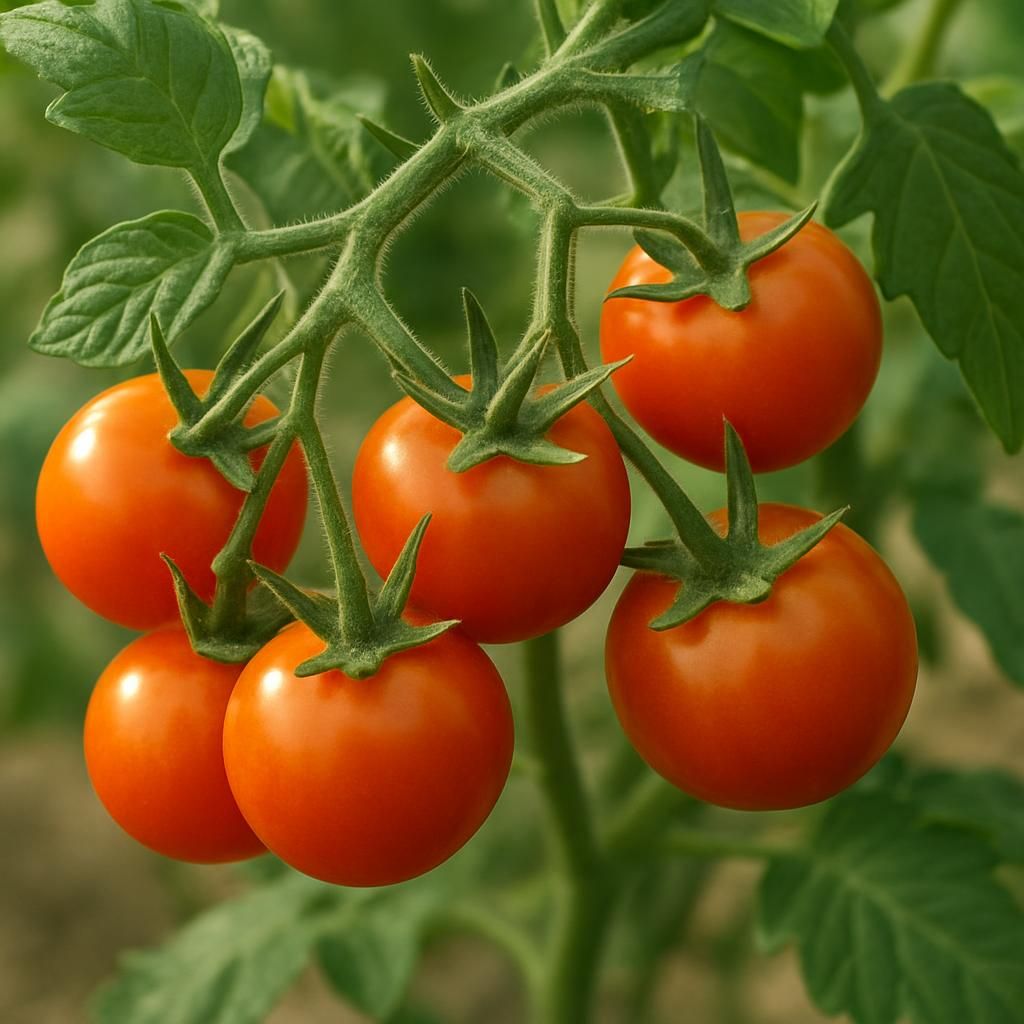
Ildi Tomato
Ildi Tomato is a compact, high-yielding cherry-type cultivar prized for its early maturity, sweet flavor, and continuous fruit production on determinate vines. It excels in both container and open-field production, offering excellent disease resistance and adaptability across a wide range of climates. Professional growers value its reliable performance and market appeal for fresh eating and processing.
View Guide
Ilex aquifolium
Ilex aquifolium, commonly known as English holly or European holly, is a broadleaf evergreen shrub or small tree prized for its glossy, spiny leaves and bright red winter berries. It is widely cultivated for ornamental hedges, topiary, cut foliage, and holiday decorations. Professional growers value its resilience, longevity, and low-maintenance nature once established.
View Guide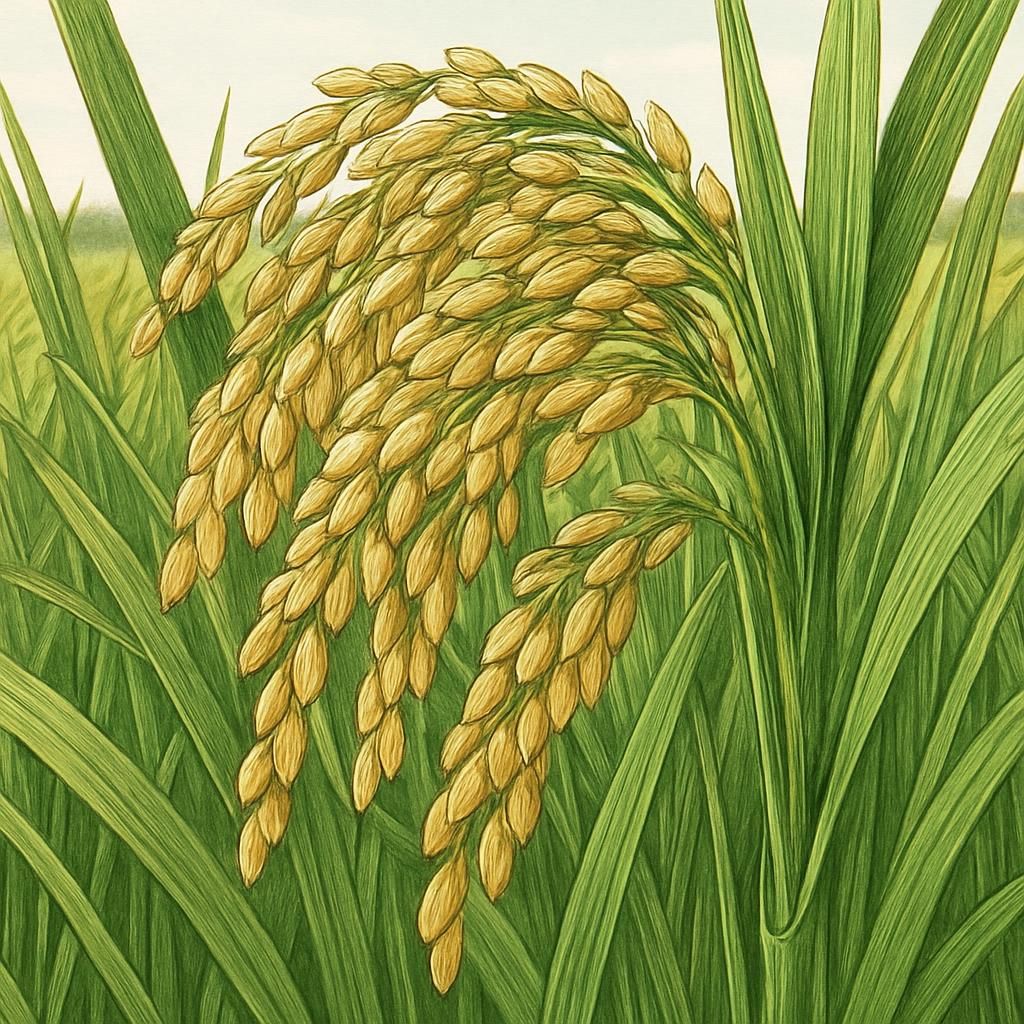
Illabong Rice
Illabong Rice is a unique variety of rice known for its adaptability and quality grain yield. Perfect for growers seeking a resilient crop with moderate care requirements, Illabong Rice thrives in wetland conditions.
View Guide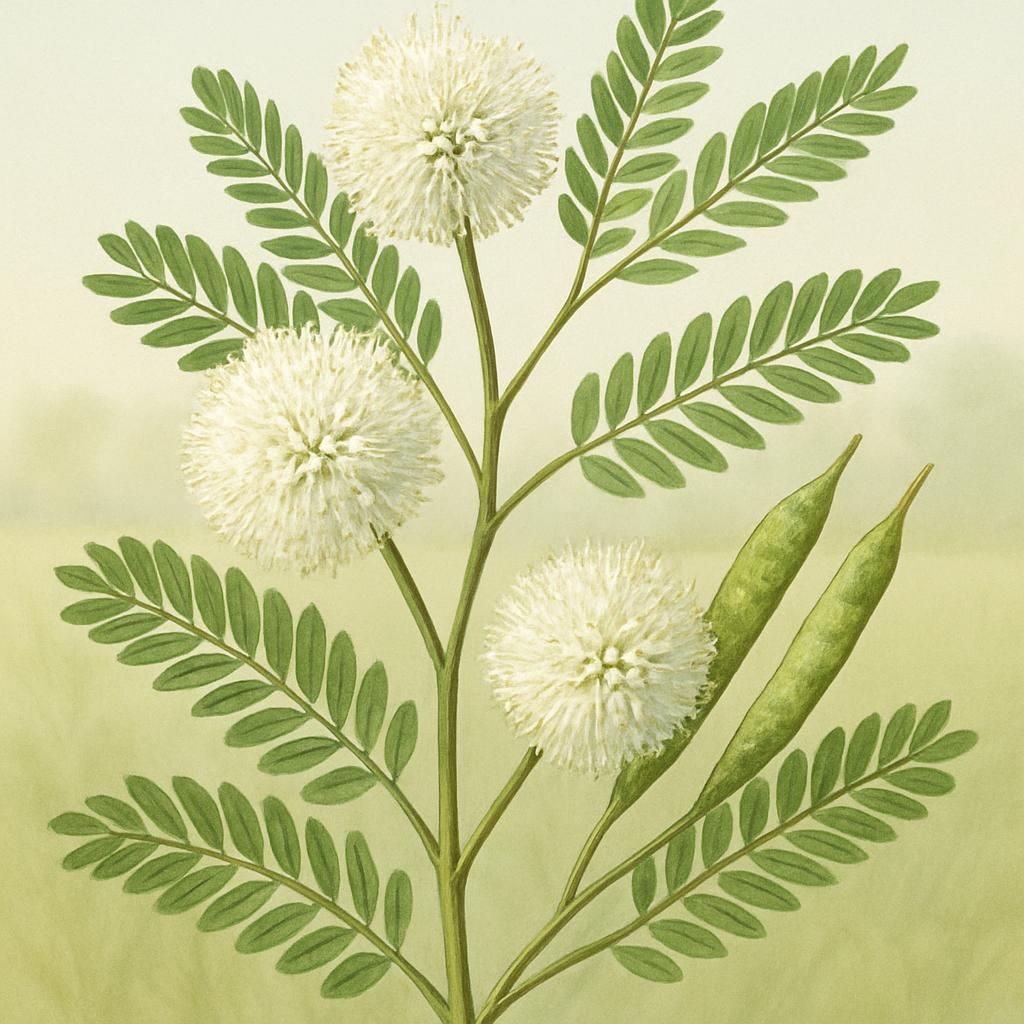
Illinois bundleflower
Illinois bundleflower is a native North American perennial legume valued for forage, wildlife habitat, and soil improvement. It fixes nitrogen effectively and tolerates a wide range of soils, making it a resilient choice for sustainable agriculture.
View Guide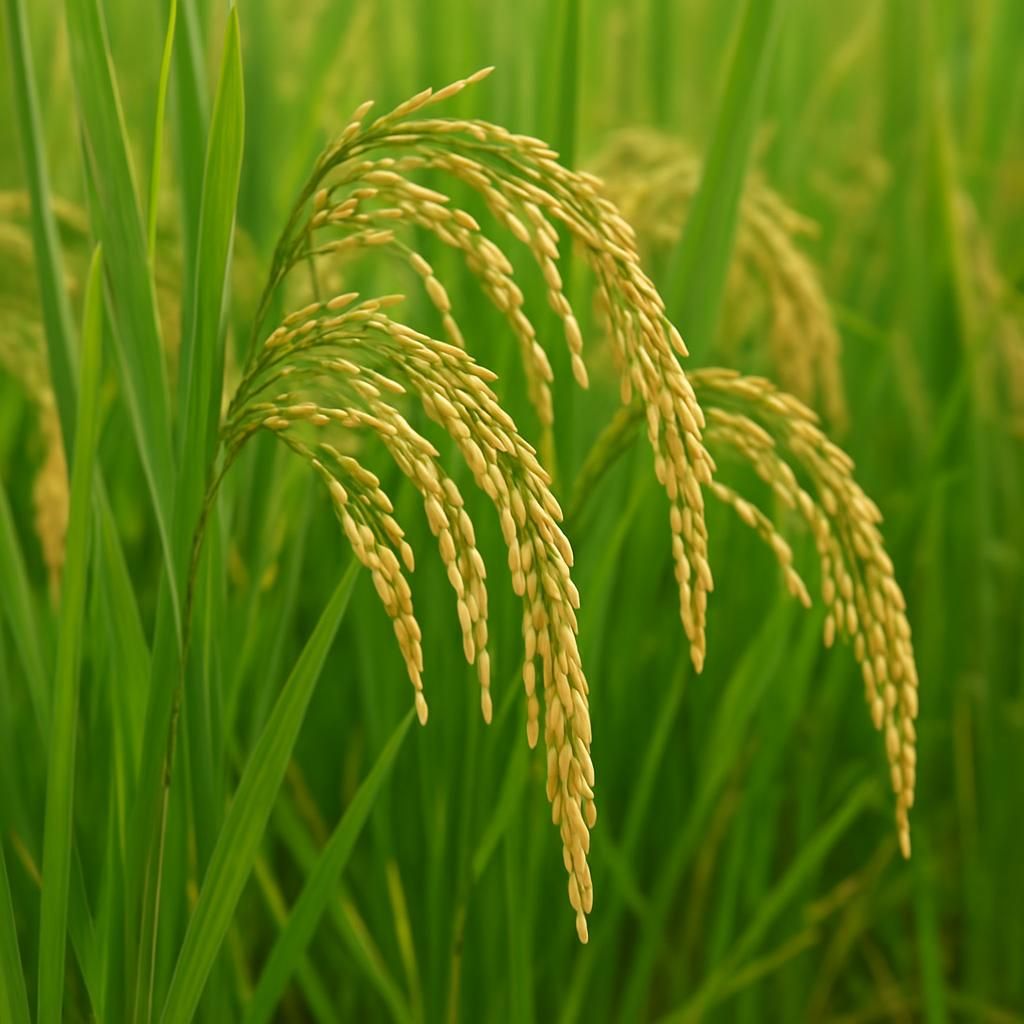
Illuppai Poo Samba Rice
Illuppai Poo Samba is a traditional rice variety from Tamil Nadu, India, known for its unique aroma. It is popular for its medium-sized grains that are ideal for making idli and dosa batter.
View Guide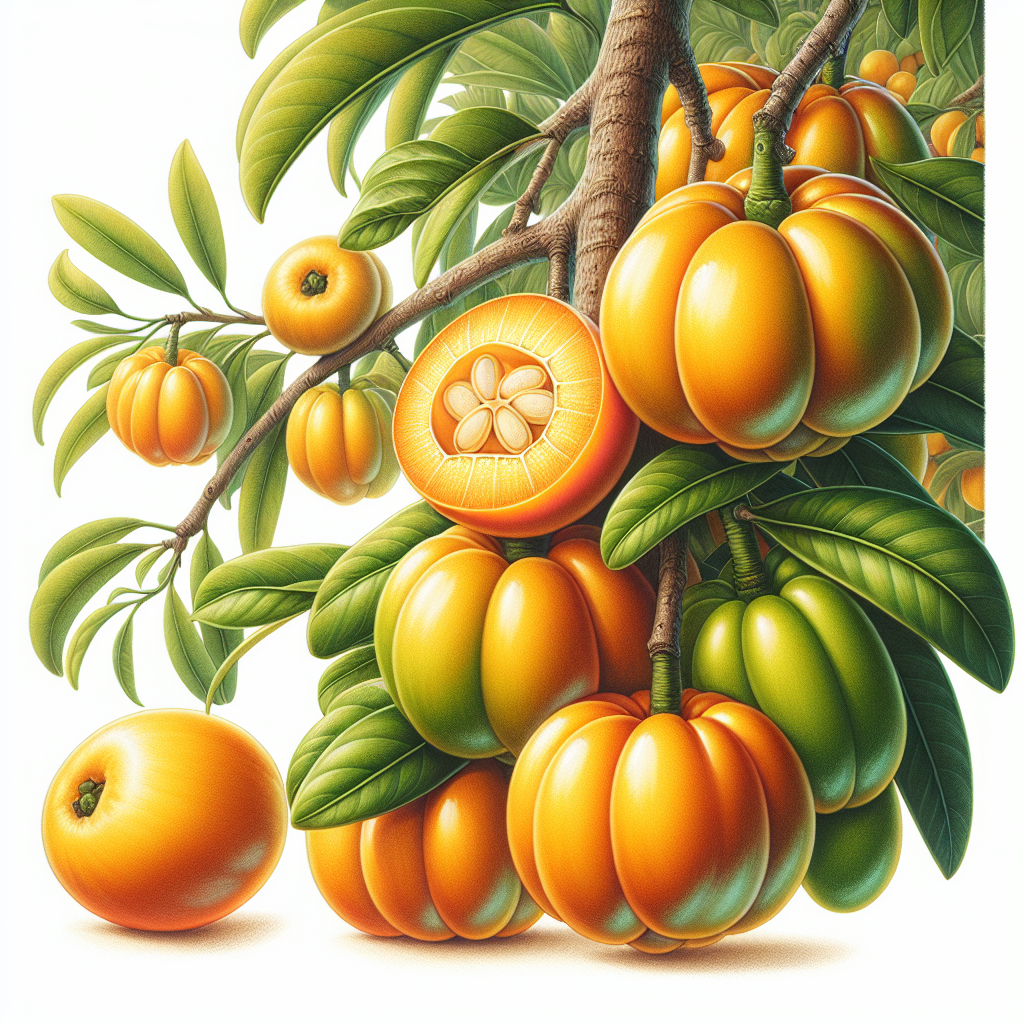
Imbe (Garcinia livingstonei)
Imbe, or Garcinia livingstonei, is a tropical evergreen tree prized for its juicy, aromatic fruits with a tangy-sweet flavor reminiscent of mango and citrus. Native to southern Africa, it thrives in humid subtropical climates and offers commercial potential for fresh markets, juices, and preserves. This guide provides expert cultivation techniques for optimal yields.
View Guide
Imperator Carrot
Imperator carrot is a classic long, slender, high-sugar market carrot type prized for its smooth roots, strong color, and fresh-market appeal. It performs best in deep, loose, stone-free soil and requires more precise moisture and fertility management than shorter carrot types because its roots are especially prone to forking, cracking, and misshaping under stress.
View Guide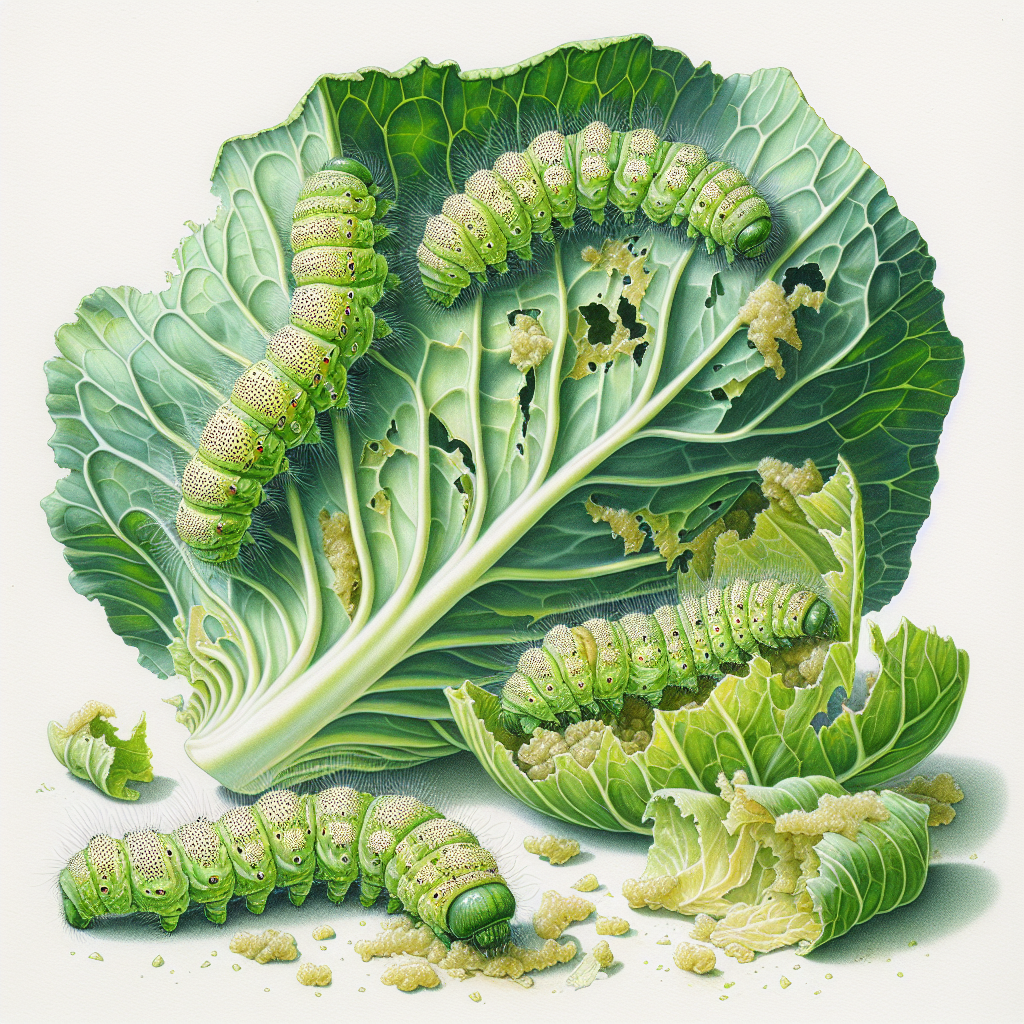
imported cabbage white larvae
Imported cabbage white larvae, the green caterpillars of Pieris rapae, are a widespread pest devastating brassica crops by skeletonizing leaves. This guide provides definitive identification, lifecycle insights, organic management strategies, and prevention tactics for farmers and gardeners. Protect your cabbage, broccoli, and kale harvests with proven agricultural techniques.
View Profile
Imported cabbageworm
The imported cabbageworm is a widespread pest notorious for defoliating brassica crops like cabbage, broccoli, and kale. Its green larvae blend seamlessly with foliage, causing extensive damage by skeletonizing leaves. Effective management combines organic controls, natural predators, and cultural practices for sustainable protection.
View Profile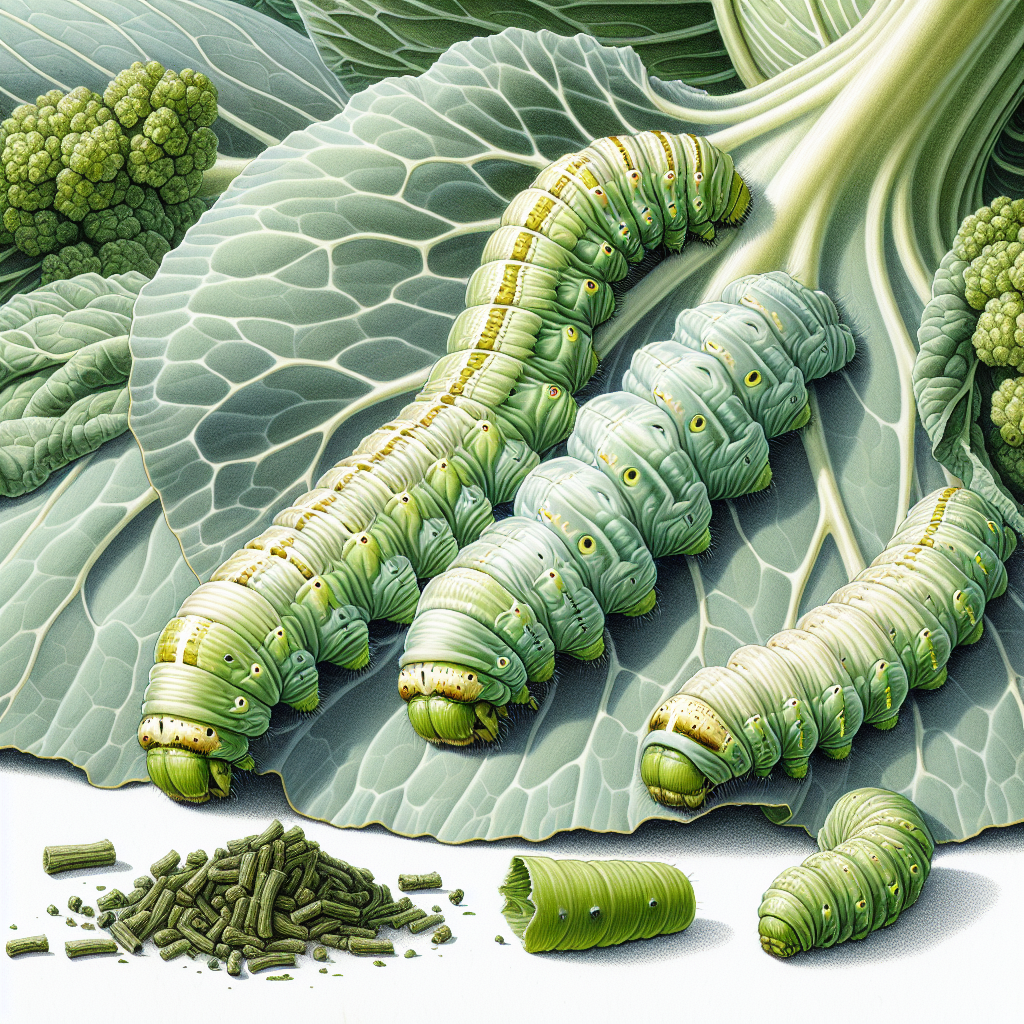
imported cabbageworm larvae
Imported cabbageworm larvae are the green, velvety caterpillars of the imported cabbageworm moth, notorious for devouring leaves of cabbage family crops. These pests cause extensive damage by skeletonizing foliage, leading to reduced yields and plant stress. Effective management combines monitoring, organic controls like BT, and cultural practices for long-term prevention.
View Profile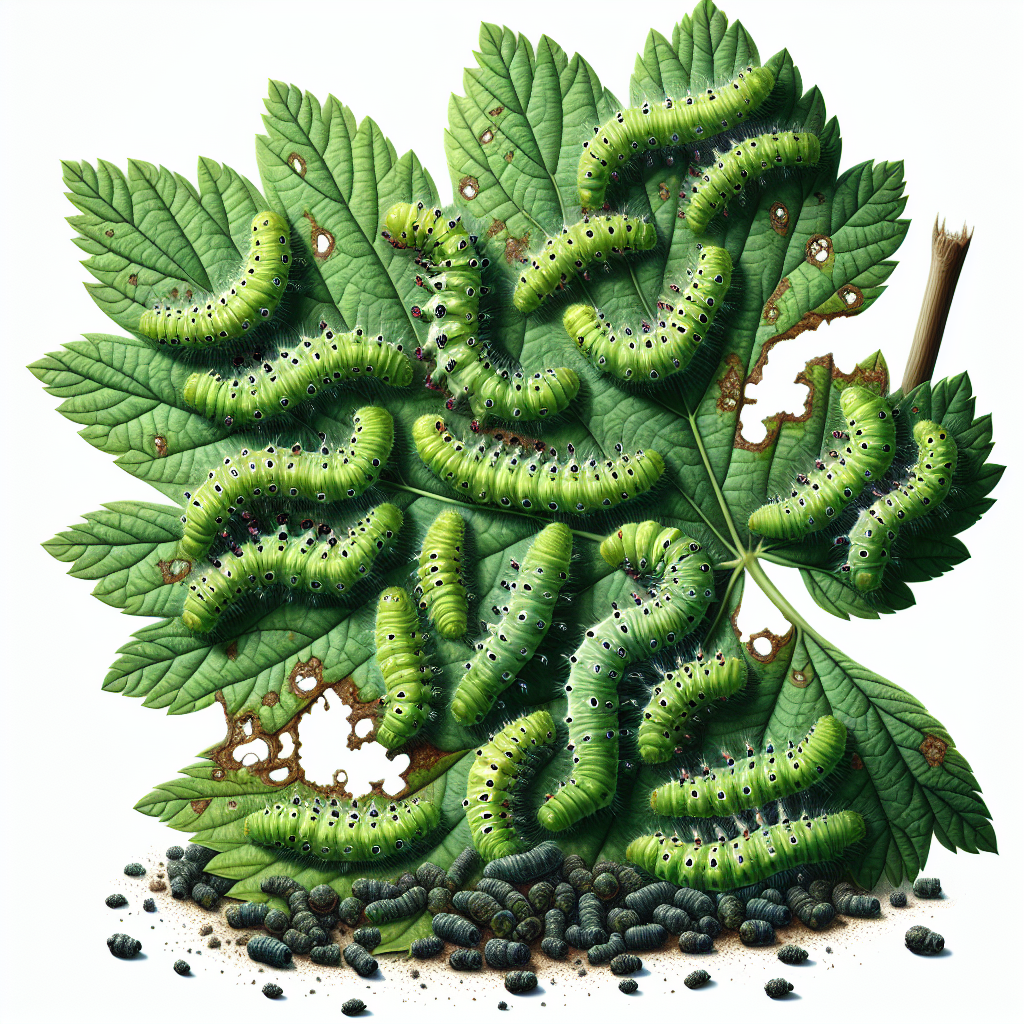
Imported currant worm
The imported currant worm (Nematus ribesii) is a destructive sawfly larva that rapidly defoliates currant and gooseberry bushes, often stripping plants bare in days. Native to Europe but widespread in North America, it poses a significant threat to berry crops during spring and early summer. Effective management combines vigilant scouting, organic controls like BT and neem oil, and cultural practices for long-term prevention.
View Profile
Incredible Sweet Corn
Incredible Sweet Corn is a popular sugary-enhanced sweet corn variety prized for its large ears, strong vigor, and excellent fresh-eating quality. It performs especially well in home gardens and market plots where growers want reliable germination, broad adaptability, and a generous harvest window with good sweetness and texture.
View Guide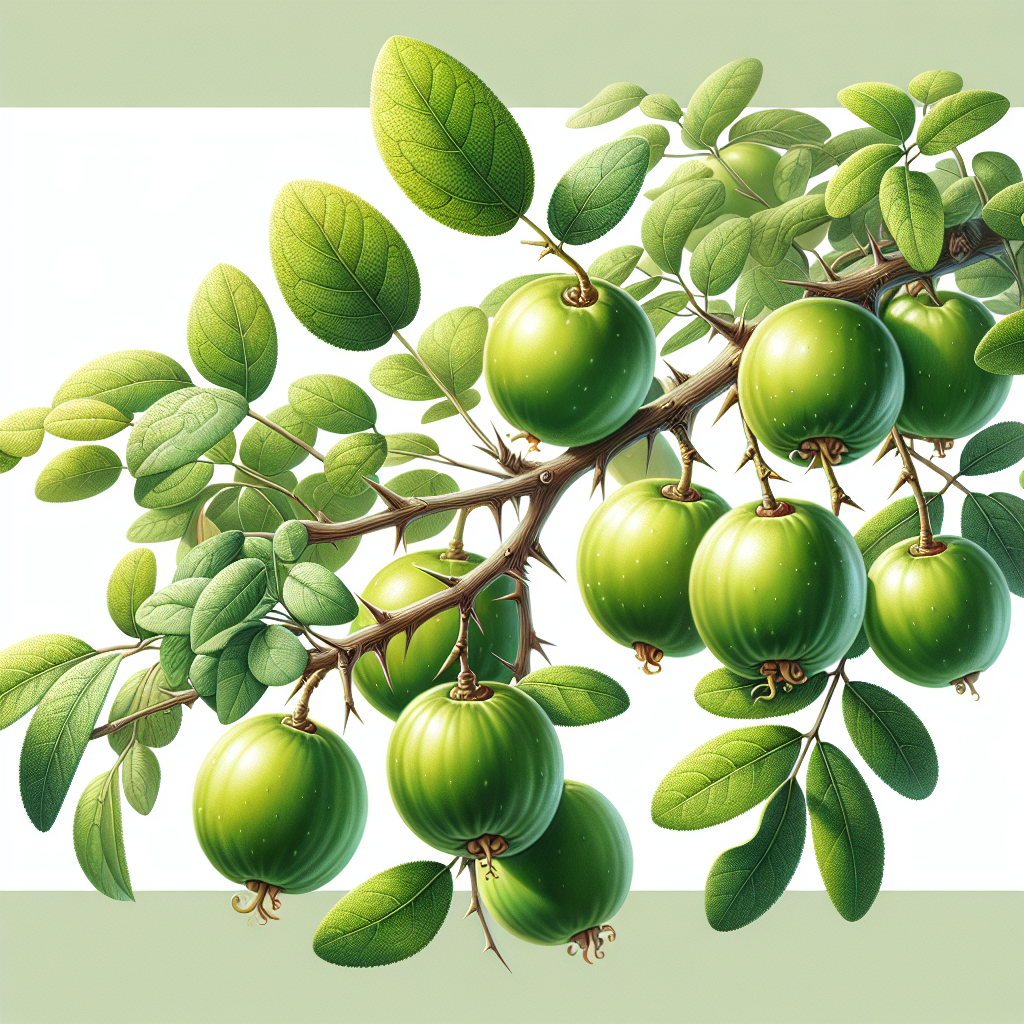
Indian Jujube (Ber - Gola)
Indian Jujube (Ber - Gola) is a resilient subtropical fruit tree prized for its sweet, apple-like fruits and exceptional drought tolerance. This comprehensive guide covers everything from soil preparation and propagation to pest management and harvesting techniques for optimal yields. Ideal for small farms and home orchards in arid regions.
View Guide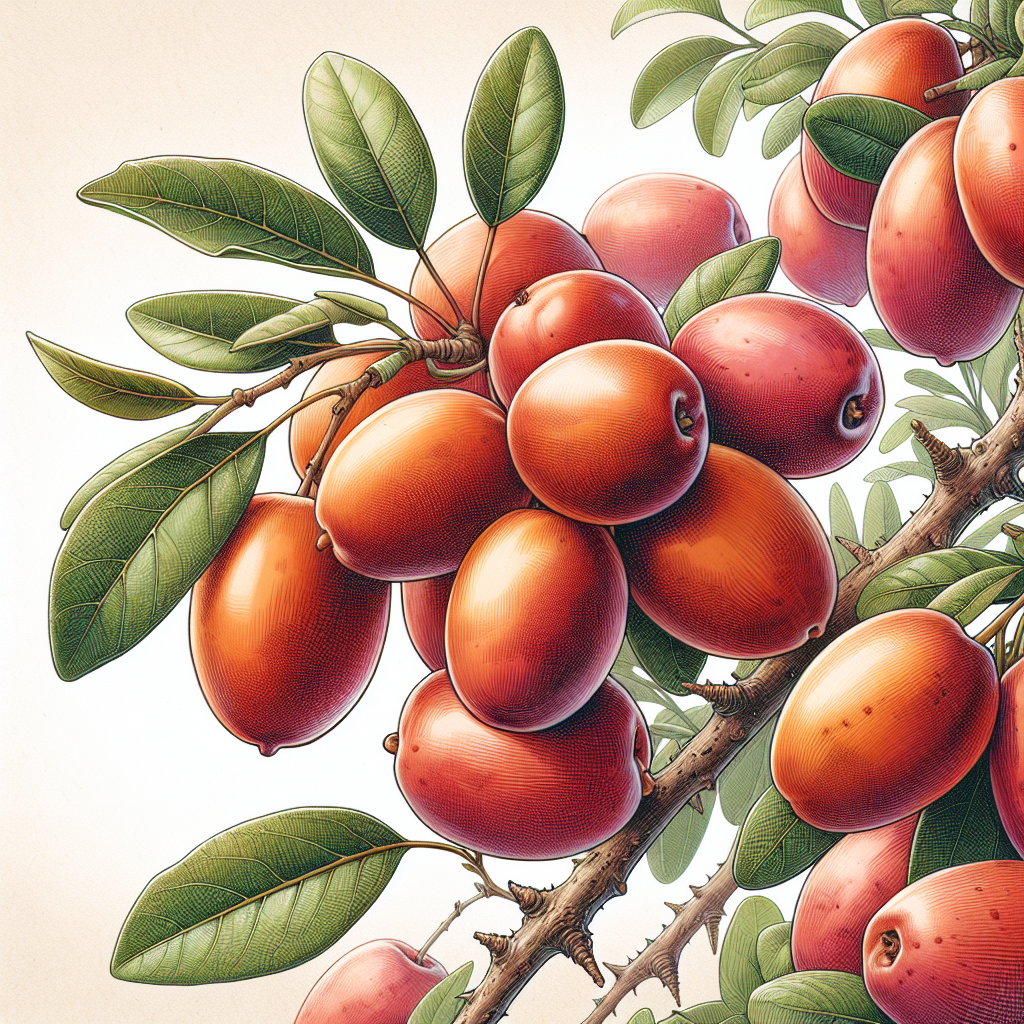
Indian Jujube (Ber - Umran)
Indian Jujube, known as Ber Umran, is a drought-tolerant fruit tree prized for its sweet, apple-like fruits and resilience in arid climates. This comprehensive guide covers cultivation from soil preparation to harvest, offering professional techniques for optimal yields. Ideal for small farms seeking low-maintenance, high-value crops.
View Guide