Introduction to Honeybush
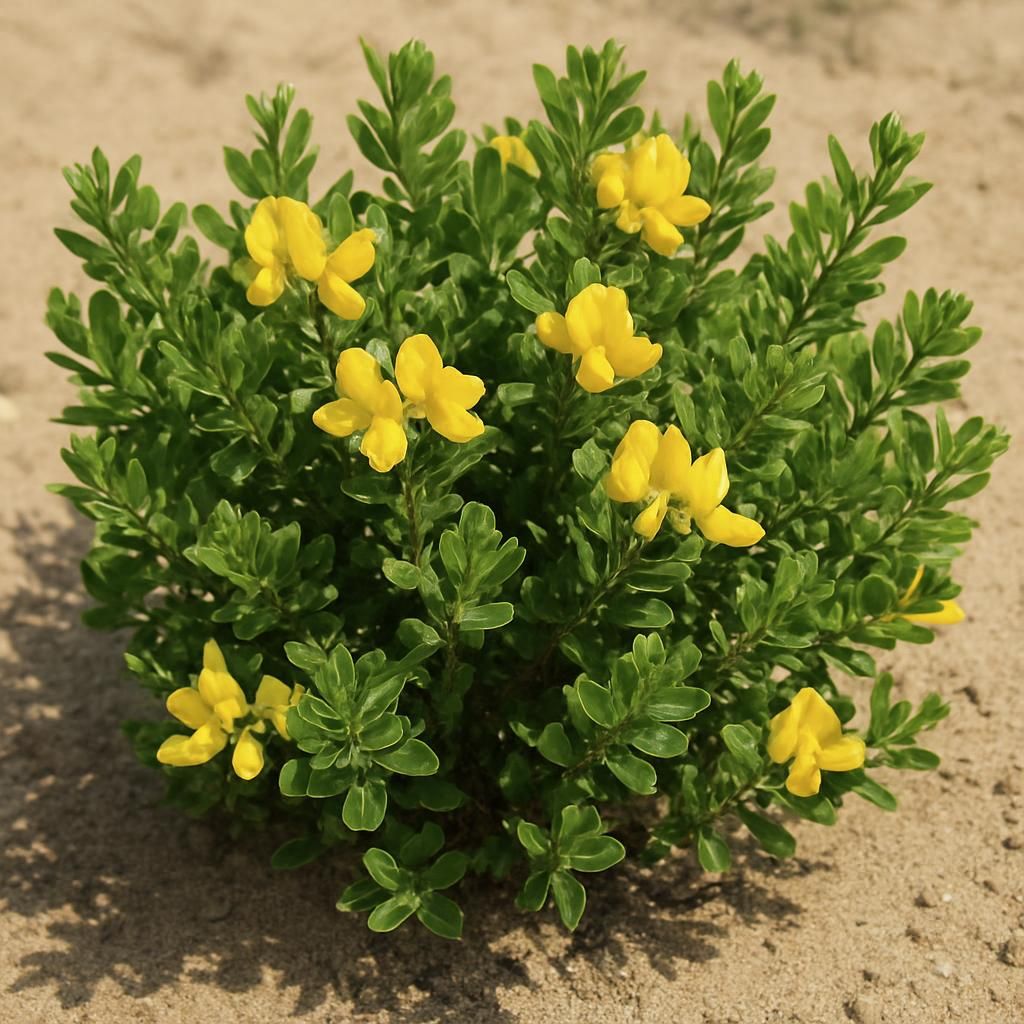
Honeybush (Cyclopia genistoides) is a member of the Fabaceae family and a signature crop of South Africa’s Cape Floristic Region. The plant produces slender branches with bright yellow, pea-like flowers and narrow leaflets that release a distinctive honey-like aroma when dried. Its caffeine-free infusion is prized for its naturally sweet taste and high antioxidant content, making it a popular alternative to traditional Tea. Cultivation has expanded from wild harvesting to managed plantations, supporting both biodiversity conservation and rural livelihoods.
Botanical Profile of Honeybush
Honeybush is a multi-stemmed, evergreen shrub that typically reaches 1–2 m in height. It fixes atmospheric nitrogen through root nodules, improving soil fertility in nutrient-poor fynbos soils. The bright yellow flowers appear in late spring and attract native pollinators. Leaves are linear to lanceolate, 15–30 mm long, and arranged in whorls. The plant regenerates vigorously after fire or pruning, an adaptation that supports sustainable harvesting cycles.
Soil, pH, and Climate Requirements for Honeybush
Honeybush demands well-drained, nutrient-poor sandy soils typical of the fynbos ecosystem. It prefers a Mediterranean climate with cool, wet winters and warm, dry summers. Avoid heavy clay or waterlogged sites. The following table outlines optimal growing conditions:
| Parameter | Ideal Range | Notes |
|---|---|---|
| Soil Type | Sandy, well-drained | Avoid compacted or clay-heavy soils |
| Soil pH | 4.5–5.5 | Strongly acidic; liming not recommended |
| Annual Rainfall | 400–800 mm | Supplemental irrigation only in first year |
| Temperature Range | 10–30 °C | Tolerates light frost down to –2 °C |
| Altitude | 0–800 m | Coastal to lower mountain slopes |
| Sun Exposure | Full sun | Minimum 6 hours direct sunlight daily |
Step-by-Step Planting & Propagation
- Select healthy, disease-free mother plants in late summer.
- Take semi-hardwood cuttings 10–15 cm long with at least three nodes.
- Dip cuttings in a rooting hormone and plant in a sterile, acidic sand-peat mix.
- Maintain high humidity under shade cloth until roots form (6–8 weeks).
- Harden off seedlings for two weeks before transplanting.
- Transplant at 1.5 m × 1.5 m spacing in prepared rows during early autumn.
- Water deeply immediately after planting and apply a 5 cm layer of pine-needle mulch.
Care & Maintenance regimes for Honeybush
Young plants require regular weeding and light irrigation during the first summer. Established shrubs need minimal intervention beyond periodic pruning and fire-management practices that mimic natural fynbos cycles. The table below summarizes the recommended schedule:
| Season | Watering | Fertilizer | Pruning |
|---|---|---|---|
| Spring | Deep soak every 10–14 days if dry | None; rely on nitrogen fixation | Light tip prune to encourage branching |
| Summer | None after establishment | None | Remove dead wood after flowering |
| Autumn | None | Optional light compost tea (1:10) | Harvest prune 30–40 cm above ground |
| Winter | None | None | Remove frost-damaged stems |
Pests, Diseases & Organic Management
Honeybush is relatively pest-resistant due to its aromatic compounds, but young plants may suffer from Aphids and occasional fungal leaf spots. Monitor for root rot in poorly drained soils. Use yellow sticky traps for aphids and maintain strict sanitation. Copper-based fungicides approved for organic use can control leaf spot outbreaks. Avoid synthetic pesticides to preserve beneficial insects and the plant’s market positioning as an organic product.
Harvesting, Curing & Optimal Storage
Harvest occurs from February to May when stems are semi-lignified. Cut branches 30–40 cm above ground, leaving enough material for regrowth. Bundle stems and air-dry in shaded, well-ventilated structures for 7–10 days. Once moisture content reaches 8–10 %, chop material to 5–10 mm pieces. Store in airtight, food-grade containers away from light and moisture. Properly cured Honeybush retains flavor and antioxidant activity for up to 24 months.
Companion Planting for Honeybush
Honeybush pairs well with other fynbos species such as Thyme and Rosemary that share similar soil and water requirements. These aromatic companions help deter aphids and improve biodiversity. Avoid planting near heavy feeders such as Corn that demand higher fertility. Interplanting with nitrogen-fixing legumes can further enhance soil health while maintaining the low-input philosophy of Honeybush cultivation.
For more information on sustainable soil practices, read The Hidden Power of Mulching: 8 Organic Strategies to Transform Small Farm Soil.