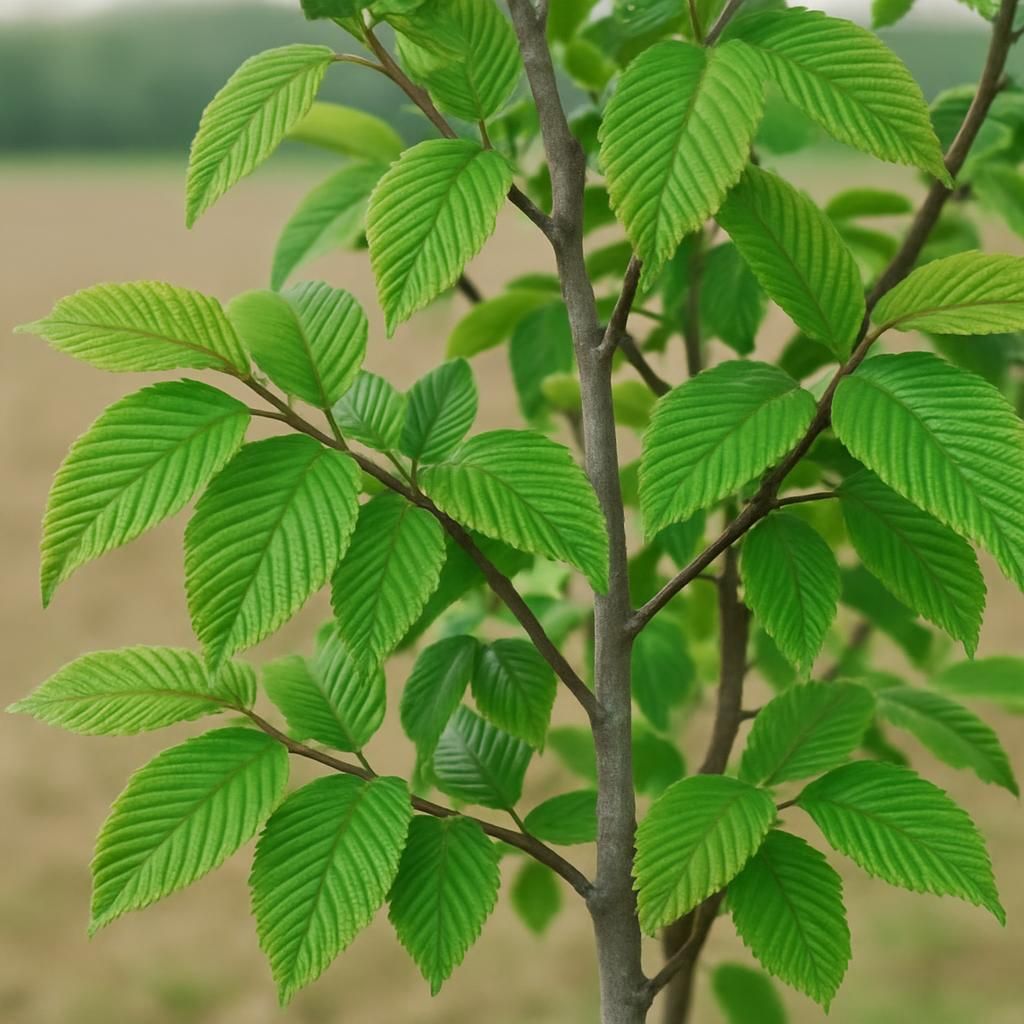
Introduction to Hornbeam
Hornbeam (Carpinus betulus), also known as European hornbeam, is a versatile deciduous tree native to Europe and western Asia. Its extremely hard, dense wood has earned it the nickname "ironwood," making it a favorite for traditional tool handles, furniture, and flooring. In modern agriculture and landscaping, hornbeam excels as a living hedge, windbreak, and timber species due to its slow growth, longevity, and ability to tolerate heavy pruning. This guide provides professional-grade, practical advice for growers interested in establishing hornbeam for commercial, ornamental, or conservation purposes.
Botanical Profile of Hornbeam
Hornbeam belongs to the Betulaceae family and typically reaches 15–25 meters in height with a broad, spreading crown. The bark is smooth and silvery-gray when young, developing shallow fissures with age. Leaves are ovate, doubly serrated, and turn brilliant gold in autumn. Male catkins appear in spring before the leaves, while female flowers develop into distinctive winged nutlets. The root system is shallow yet extensive, allowing good soil stabilization on slopes. Hornbeam is monoecious and wind-pollinated, producing small, triangular nuts enclosed in leafy bracts.
Soil, pH, and Climate Requirements for Hornbeam
Hornbeam performs best in temperate climates with cool winters and moderate summers. It prefers deep, fertile, loamy soils but tolerates clay and occasional waterlogging better than many hardwoods. Avoid extremely sandy or highly acidic sites without amendment.
| Parameter | Ideal Range | Notes |
|---|---|---|
| Soil Type | Loam to clay loam | Well-drained yet moisture-retentive |
| Soil pH | 5.5–7.5 | Tolerates slight acidity; liming helps alkaline sites |
| Temperature Range | −20°C to 30°C | Hardy to USDA zone 5; avoid extreme heat |
| Annual Rainfall | 600–1200 mm | Supplemental irrigation beneficial in dry summers |
| Sunlight | Full sun to partial shade | Best growth in open positions |
| Elevation | 0–800 m | Thrives in lowland to mid-hill regions |
Step-by-Step Planting & Propagation
Hornbeam can be propagated from seed or nursery transplants. Collect ripe nuts in autumn, stratify for 90–120 days at 4°C, then sow in spring. For faster establishment, purchase 1–2 year-old bare-root or container-grown saplings. Plant in late autumn or early spring when soil is workable. Dig holes twice the width of the root ball and backfill with native soil amended with well-rotted compost. Space trees 4–6 meters apart for timber or 1–1.5 meters for hedging. Water thoroughly after planting and apply a 5–8 cm mulch layer to conserve moisture and suppress weeds.
Care & Maintenance regimes for Hornbeam
Young hornbeam trees require consistent moisture during the first two growing seasons. Once established, they are moderately drought-tolerant. Fertilization is rarely needed on fertile soils; apply a balanced slow-release fertilizer only if growth is poor. Pruning is essential for hedging and timber form. Remove dead or crossing branches in late winter. For formal hedges, shear twice annually.
| Activity | Frequency | Details |
|---|---|---|
| Watering | Weekly for first 2 years | 20–30 liters per tree; reduce once established |
| Fertilizer | Annually in early spring | 50 g NPK 10-10-10 per young tree; omit on rich soils |
| Pruning | Late winter & midsummer | Hedge: shear to maintain shape; Timber: remove lower branches gradually |
Pests, Diseases & Organic Management
Hornbeam is generally pest-resistant but can be affected by Aphids, Scale insects, and Powdery mildew. Monitor new growth in spring. Use horticultural oil or insecticidal soap for aphids and scale. Improve air circulation and avoid overhead watering to reduce mildew. Deer and rabbits may browse young shoots; install protective netting or tree guards in high-pressure areas. Maintain healthy soil biology through organic mulches and compost to enhance natural resistance.
Harvesting, Curing & Optimal Storage
Timber is typically harvested at 60–80 years when trees reach 30–40 cm diameter at breast height. Cut during winter dormancy for best wood quality. Allow logs to air-dry under cover for 12–18 months to reach 12–15% moisture content. For hedging material, prune annually and use fresh trimmings for woven fences or mulch. Store dried hornbeam firewood in a ventilated shed; it burns slowly with high heat output.
Companion Planting for Hornbeam
Hornbeam integrates well with understory species such as Blueberry, Raspberry, and shade-tolerant herbs like Thyme. Its leaf litter improves soil structure for neighboring plants. Avoid planting with heavy feeders that compete for surface nutrients. In agroforestry systems, pair hornbeam windbreaks with Wheat or Barley to reduce wind damage and enhance microclimate. Regular monitoring of soil moisture and nutrient levels ensures compatible growth across the planting.
For additional guidance on seasonal soil strategies, see The Forgotten Art of Fall Soil Revival: 8 Organic Strategies for Small Farm Resilience.