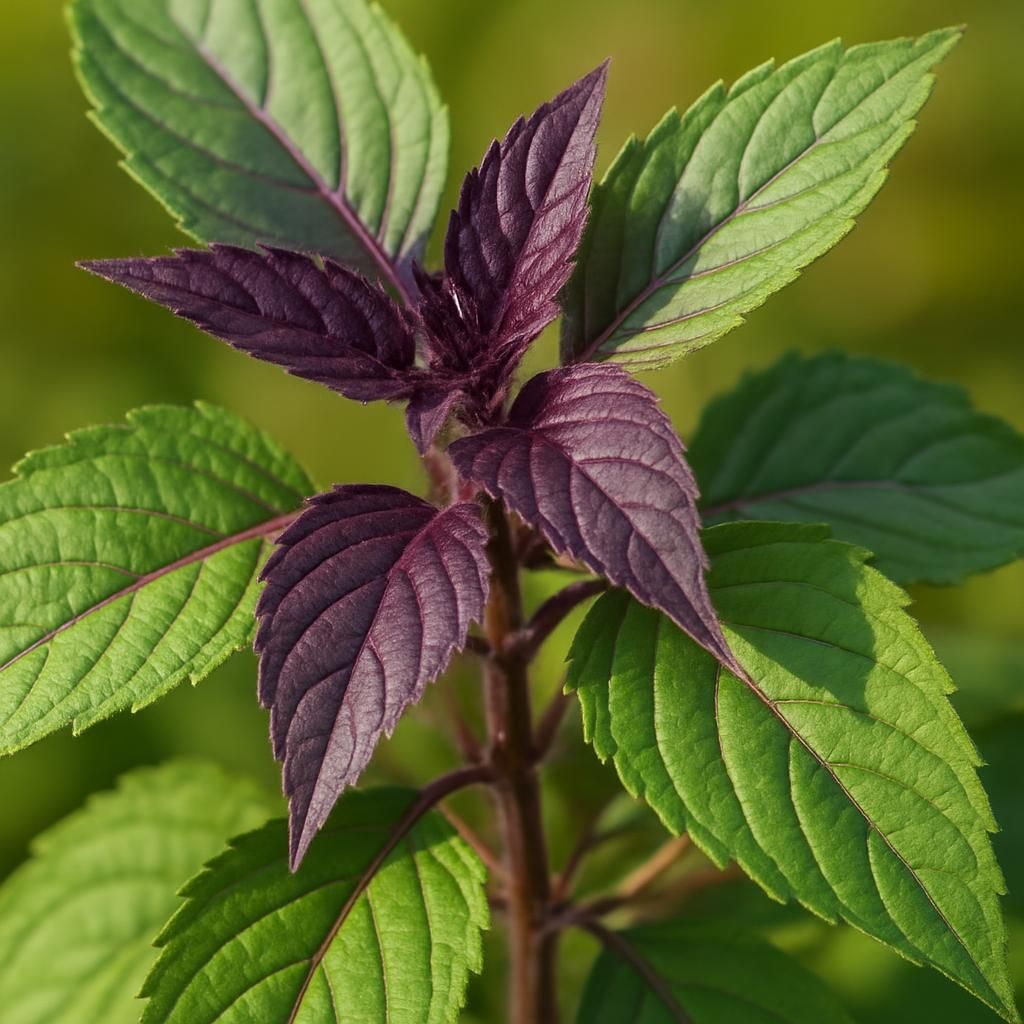
Introduction to Holy Basil (Hototogisu)
Holy Basil, known as 'Tulsi' in India, is a sacred plant with a rich history in Ayurvedic medicine. The 'Hototogisu' variety boasts striking shades of purple and green, accompanied by a distinct, clove-like scent. Due to its therapeutic properties, it's widely grown not only for its medicinal benefits but also for culinary uses.
Botanical Profile of Holy Basil (Hototogisu)
The 'Hototogisu' variant of Holy Basil is a perennial plant in tropical climates and an annual in temperate regions. This variety features small, ovate leaves with serrated edges, ranging in color from bright green to deep purple. It flowers with small purplish or white blooms in late summer, attracting various pollinators.
Soil, pH, and Climate Requirements for Holy Basil (Hototogisu)
Ensuring optimal growing conditions is crucial for the health and vigor of Holy Basil. Below are the ideal parameters:
| Condition | Ideal Range |
|---|---|
| Soil Type | Well-drained, loamy |
| pH Level | 6.0 - 7.5 |
| Temperature | 70 - 90°F (21-32°C) |
| Light | Full sun |
| Humidity | Moderate |
Holy Basil prefers warm temperatures and sunlight for optimal growth. However, it can tolerate a range of conditions, making it a resilient choice for various climates.
Step-by-Step Planting & Propagation
- Seed Selection: Choose high-quality seeds from a reputable source to ensure vigorous growth.
- Sowing: Plant seeds about 1/4 inch deep in seed trays or directly in the soil after the danger of frost has passed.
- Germination: Maintain a temperature of around 75°F (24°C) to facilitate germination, which typically takes 5-10 days.
- Transplanting: Once seedlings develop 2-3 true leaves, transplant them outdoors, ensuring a space of 12-18 inches apart.
- Propagation: Aside from seeds, Holy Basil can be propagated through stem cuttings. Place a 4-inch cutting in water until roots develop, then plant in soil.
Care & Maintenance Regimes for Holy Basil (Hototogisu)
Regular care enhances the yield and quality of Holy Basil.
| Factor | Schedule |
|---|---|
| Watering | Once a week deeply, increase in dry periods |
| Fertilizing | Balanced fertilizer every 4-6 weeks |
| Pruning | Regularly trim to promote bushiness |
Holy Basil requires consistent but not excessive watering. Ensure soil remains moist, but avoid waterlogging. Fertilize periodically to bolster growth, and trim flowers to encourage leaf production.
Pests, Diseases & Organic Management
Holy Basil is mainly susceptible to Spider Mites and Aphids. In terms of diseases, watch for Powdery Mildew and root rot.
Pest Management
- Spider Mites: Insecticidal soap or neem oil can effectively control spider mites.
- Aphids: Encourage beneficial insects like ladybugs or use water sprays to dislodge them.
Disease Management
- Powdery Mildew: Improve air circulation and apply organic fungicides as needed.
- Root Rot: Ensure proper drainage and avoid overwatering.
For broader pest management strategies, explore our blog post.
Harvesting, Curing & Optimal Storage
Harvesting should be done before the plant flowers fully to get the highest phytochemical content:
- Initial Harvest: Once the plant reaches 8 inches in height, begin harvesting by pinching off the tips.
- Regular Harvest: Harvest every 4-6 weeks, which encourages the plant to become bushier.
- Curing and Storage: Air-dry harvested leaves and store them in airtight containers to preserve potency.
Companion Planting for Holy Basil (Hototogisu)
Holy Basil can be an excellent companion plant, especially benefiting from or providing benefits to plants like Tomato and Pepper. These combinations can help repel insects like Mosquitos.
Explore more about companion planting in our related blog post.