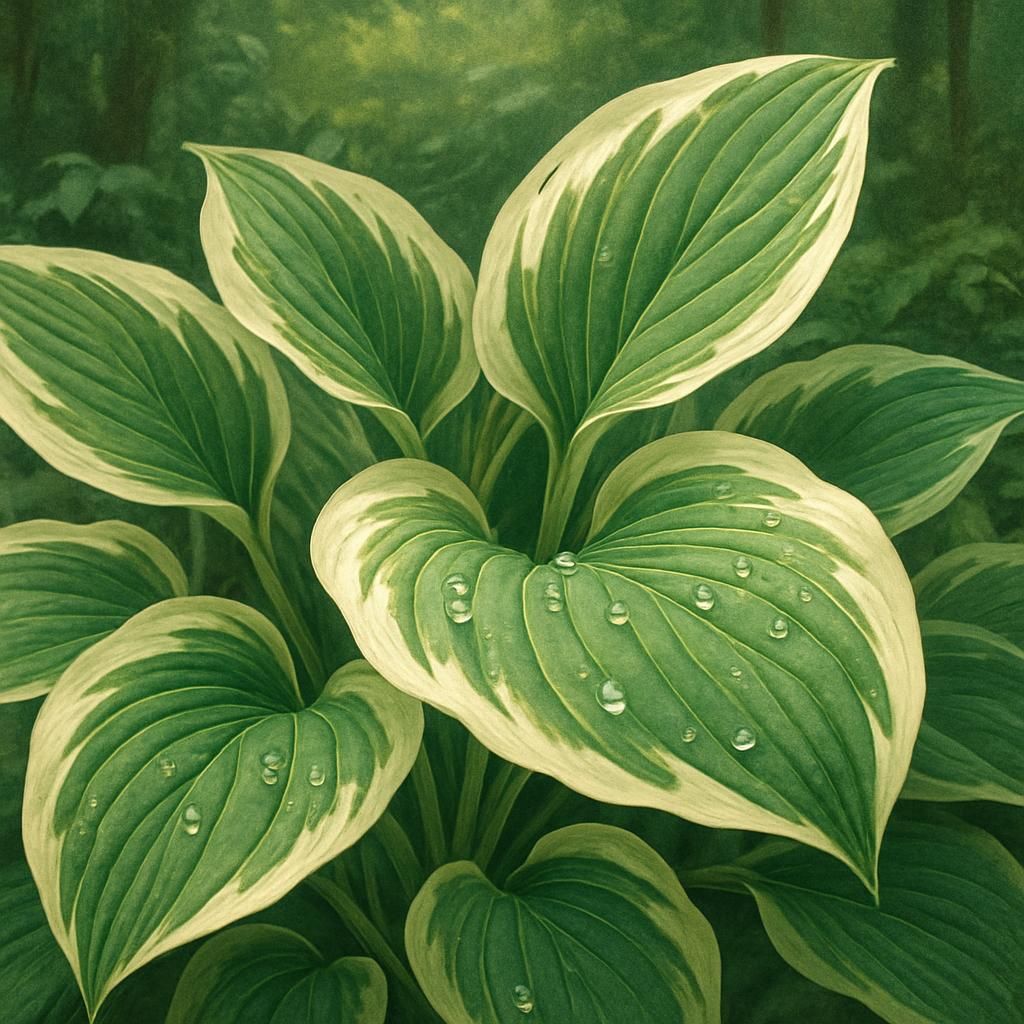
Introduction to hostas
Hostas have become one of the most widely planted perennials in temperate landscapes due to their exceptional shade tolerance, diverse leaf forms, and reliable performance with minimal intervention. Native to East Asia, these clump-forming plants thrive in woodland edges and moist, humus-rich soils where filtered light prevents leaf scorch. Gardeners value hostas for their ability to fill shaded borders, stabilize slopes, and provide season-long texture when flowering perennials have faded.
Beyond aesthetics, hostas play a functional role in soil health by developing extensive fibrous root systems that improve structure and reduce erosion in shaded microclimates. Their broad leaves create a living mulch that moderates soil temperature and retains moisture during summer heat. With hundreds of registered cultivars ranging from miniature specimens under 6 inches to giant forms exceeding 4 feet across, hostas offer unmatched versatility for both small urban gardens and expansive estate landscapes.
Botanical Profile of hostas
Hostas belong to the Asparagaceae family and are herbaceous perennials characterized by broad, ovate to lanceolate leaves emerging from a central crown. Most species exhibit parallel venation and a waxy cuticle that reduces transpiration in low-light environments. Flower scapes rise above the foliage in early to mid-summer, producing tubular lavender, white, or pale purple blooms that attract hummingbirds and bees.
The genus displays remarkable genetic diversity, with leaf colors ranging from deep blue-green (due to epicuticular wax) to golden-yellow and variegated patterns. Rhizomatous roots store carbohydrates, enabling plants to survive winter dormancy and re-emerge reliably each spring. Most cultivars reach maturity in 3–5 years, forming dense clumps that can be divided for propagation.
Soil, pH, and Climate Requirements for hostas (MUST INCLUDE A MARKDOWN TABLE OF IDEAL CONDITIONS)
Hostas perform best in consistently moist, well-drained soils rich in organic matter. They prefer slightly acidic to neutral conditions and thrive in USDA zones 3–8 where winter chilling induces dormancy. Avoid planting in heavy clay without amendment or in full sun, which causes leaf burn.
| Parameter | Ideal Range/Value | Notes |
|---|---|---|
| Soil Type | Loamy, well-drained with high humus | Incorporate 2–3 inches compost annually |
| Soil pH | 6.0–7.0 | Test annually; lime if below 5.5 |
| Temperature Range | 50–75°F (10–24°C) active growth | Protect from late spring frosts |
| USDA Hardiness Zones | 3–8 | Mulch crowns in zones 3–5 for winter protection |
| Sunlight Exposure | Partial to full shade | Morning sun acceptable; avoid afternoon sun |
| Spacing | 12–36 inches depending on cultivar | Larger varieties require 30–36 inches |
Step-by-Step Planting & Propagation
Begin site preparation by clearing weeds and incorporating 3–4 inches of well-rotted compost or leaf mold to improve structure and fertility. Dig planting holes twice the width of the root ball and equal in depth. Position the crown at soil level, spreading roots outward before backfilling and watering thoroughly to eliminate air pockets.
For propagation, divide mature clumps in early spring before new growth emerges or in early fall after flowering. Use a sharp spade to section the crown into divisions with at least three eyes (buds) each. Replant immediately at the same depth, watering consistently for the first four weeks. Seed propagation is possible but slow; fresh seed sown in moist, sterile medium at 65°F germinates in 2–8 weeks, though seedlings may not match parent traits.
Care & Maintenance regimes for hostas (MUST INCLUDE A MARKDOWN TABLE OF WATER, FERTILIZER, AND PRUNING SCHEDULES)
Consistent moisture is critical during establishment and summer heat. Apply a 2-inch layer of organic mulch to conserve water and suppress weeds. Fertilize sparingly with balanced, slow-release formulations or well-aged compost tea to avoid excessive foliage at the expense of root development.
| Season | Watering Schedule | Fertilizer Application | Pruning/Maintenance Tasks |
|---|---|---|---|
| Spring | 1 inch per week; increase during dry spells | Apply balanced 10-10-10 slow-release at 1 lb per 100 sq ft | Remove winter-damaged foliage; divide if crowded |
| Summer | Maintain even moisture; water deeply twice weekly | Optional side-dress with compost tea mid-season | Deadhead spent flower scapes; monitor for pests |
| Fall | Reduce to 0.5 inch per week as plants enter dormancy | Apply 1–2 inches compost as winter mulch | Cut back foliage after first hard frost |
| Winter | Minimal; ensure mulch remains in place | None required | Inspect mulch depth; protect from rodents |
Pests, Diseases & Organic Management
Common pests include slugs and snails, deer, and aphids. Slugs cause irregular holes in leaves; control with beer traps, diatomaceous earth barriers, or iron phosphate baits. Deer browse entire plants; protect with fencing or repellent sprays containing capsaicin. Aphids cluster on new growth and can be managed with strong water sprays or insecticidal soap.
Diseases such as anthracnose and crown rot occur in poorly drained soils. Improve drainage and avoid overhead irrigation. Viral infections may cause mottling; remove and destroy affected plants. Rotate planting locations every 5–7 years to reduce soil-borne pathogen buildup.
Harvesting, Curing & Optimal Storage
Hostas are not harvested for consumption but valued as ornamental perennials. Divide and transplant in spring or fall when soil temperatures are moderate. Store bare-root divisions in moist sphagnum moss at 35–40°F for up to two weeks before replanting. Potted plants can overwinter in a protected cold frame or unheated garage, keeping soil barely moist.
Companion Planting for hostas
Hostas pair well with shade-tolerant companions such as ferns, astilbes, and heucheras that share similar moisture and light requirements. Thyme planted at the edges provides aromatic ground cover and deters some crawling insects. Avoid aggressive spreaders like mint that may outcompete hosta crowns. Nasturtium offers edible flowers and attracts beneficial insects while providing light shade for smaller hosta cultivars.