Encyclopedia
Definitive guides for crops, pests, and agricultural diseases.
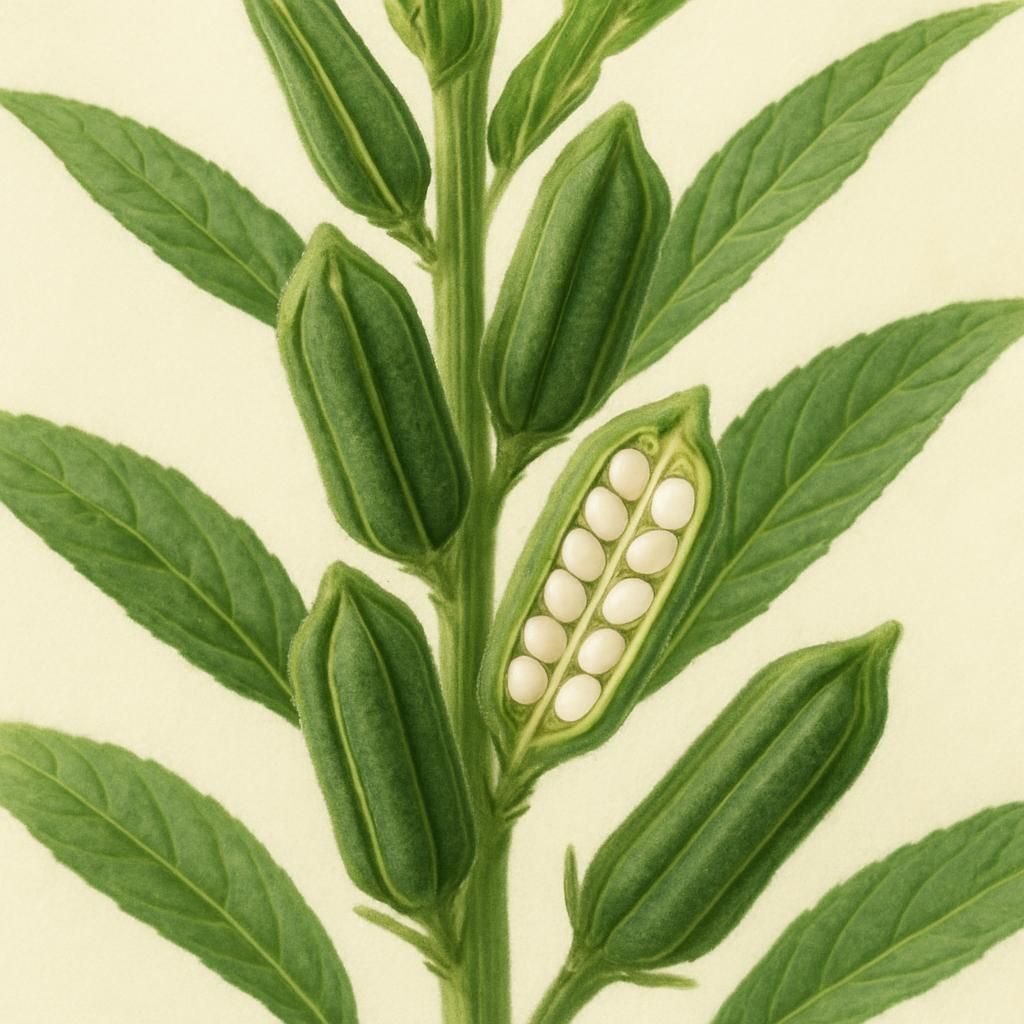
Sesame Seed (White)
White sesame is a high-value oilseed crop prized for its mild flavor, high oil content, and versatility in food and industrial uses. This guide delivers professional-grade advice on soil preparation, planting, irrigation, pest management, and post-harvest handling to maximize yields and seed quality.
View Guide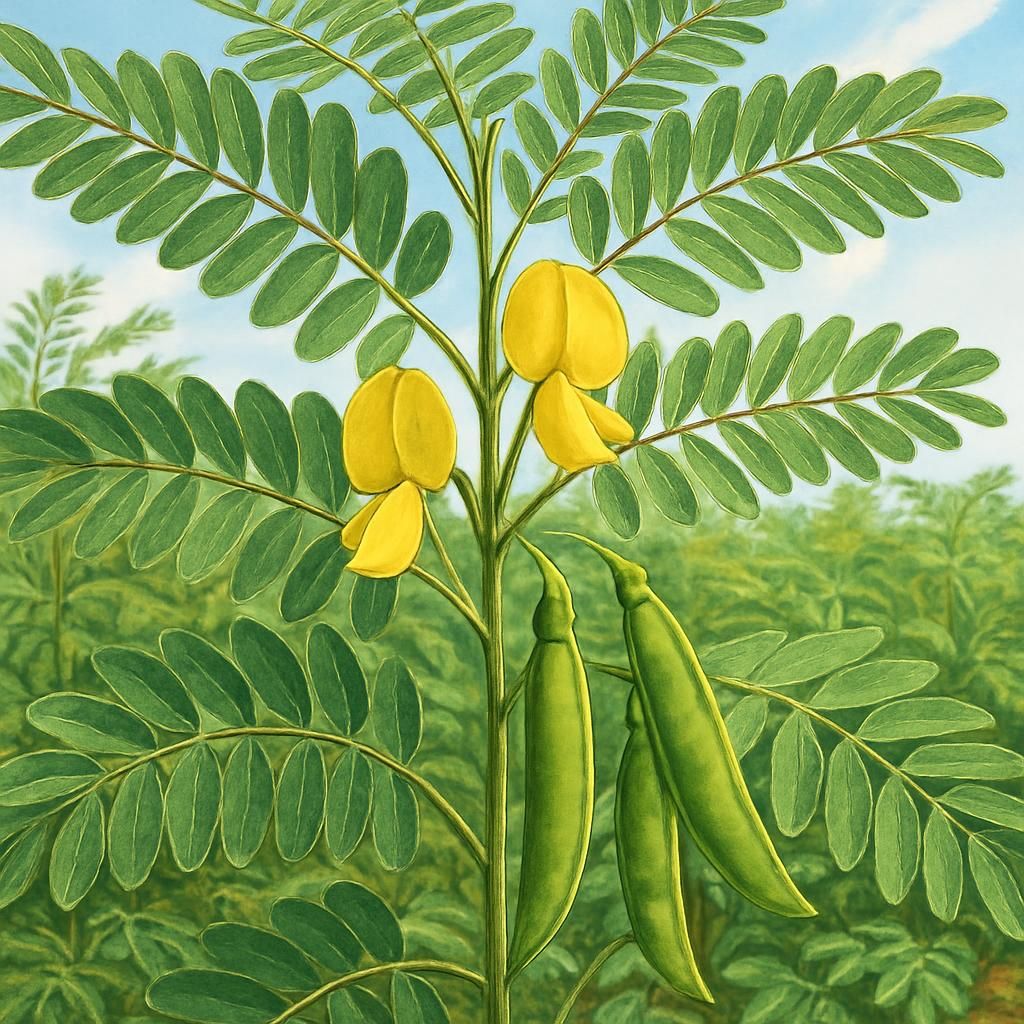
sesbania
Sesbania is a fast-growing, nitrogen-fixing legume valued for green manure, fodder, and soil improvement in tropical and subtropical agriculture.
View Guide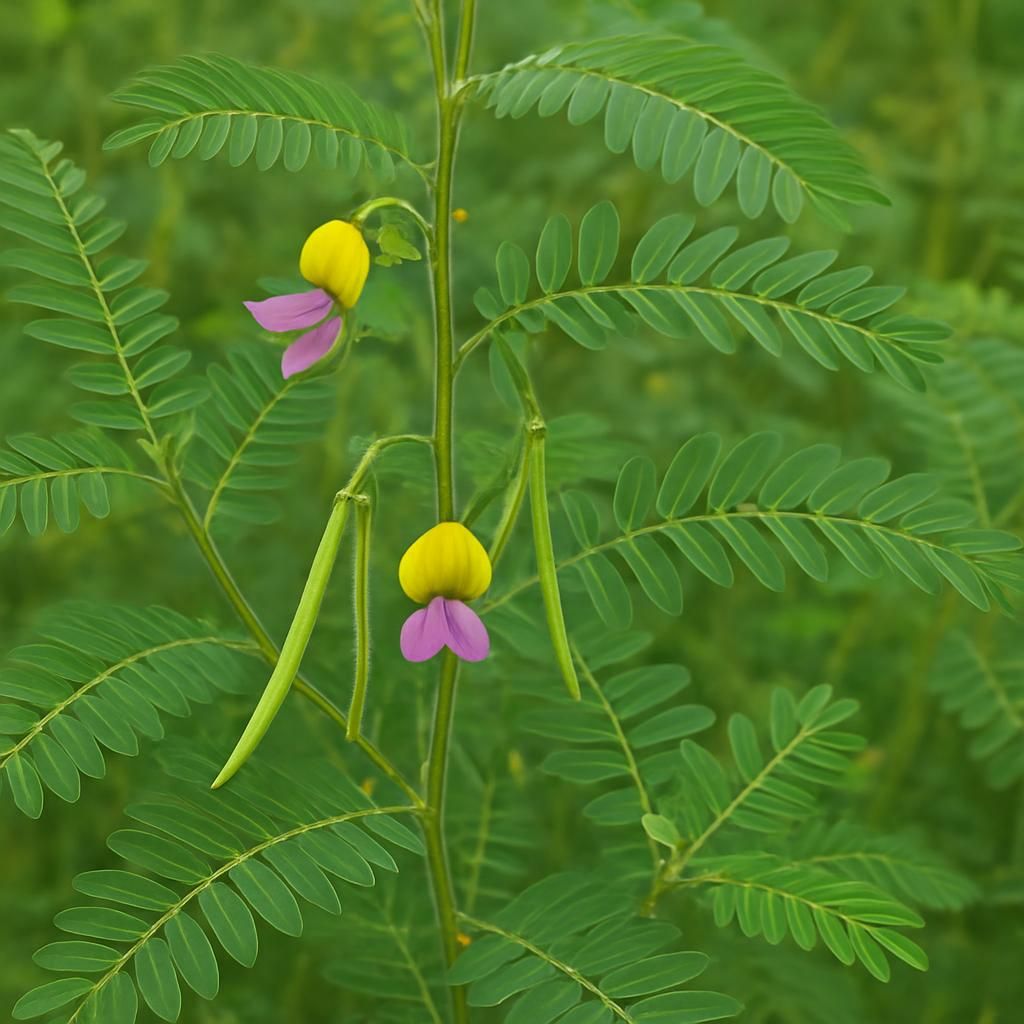
Sesbania (cowpea)
Sesbania (cowpea) is a fast-growing, nitrogen-fixing legume widely used as a green manure, fodder, and soil-improving cover crop in tropical and subtropical farming systems. It thrives in poor soils and delivers rapid biomass while enhancing long-term soil fertility through symbiotic rhizobia.
View Guide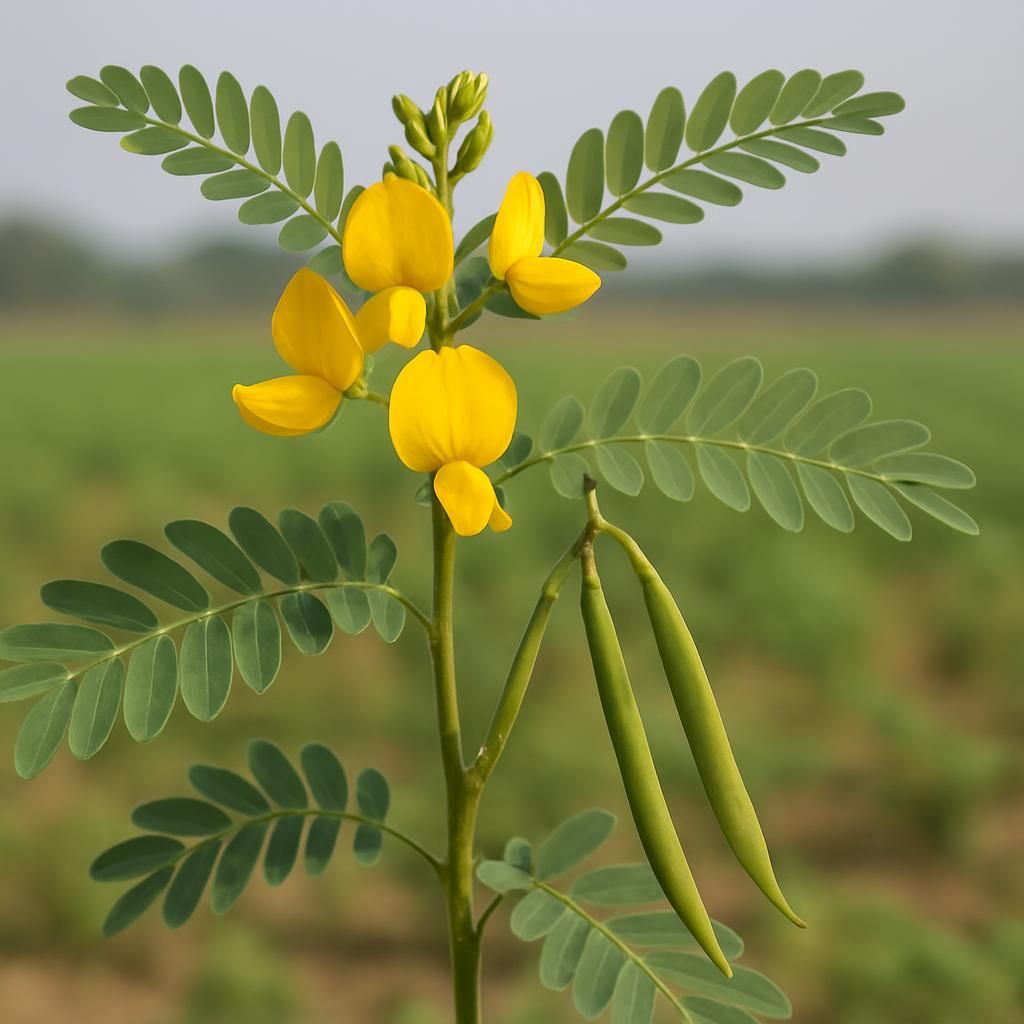
Sesbania sesban
Sesbania sesban is a fast-growing, nitrogen-fixing perennial shrub widely used in agroforestry, soil improvement, and fodder production across tropical and subtropical regions. It thrives in marginal soils and provides multiple benefits including green manure, fuelwood, and erosion control.
View Guide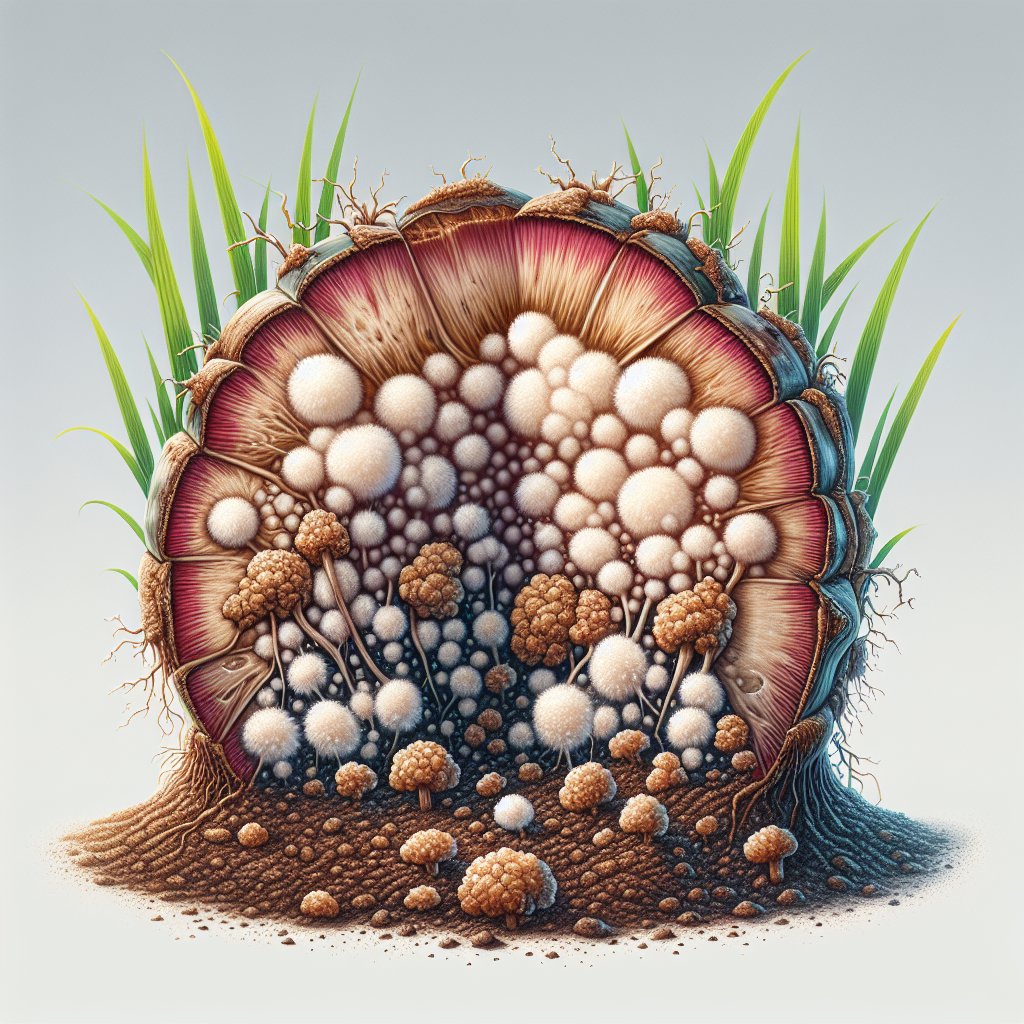
Sett Rot
Sett rot is a devastating fungal disease primarily affecting root and tuber crops in tropical and subtropical regions, caused by Sclerotium rolfsii var. settensis. It leads to rapid rotting of underground plant parts, causing wilting, yellowing, and plant death. Effective management relies on cultural practices, organic biocontrols, and strict prevention strategies.
View Profile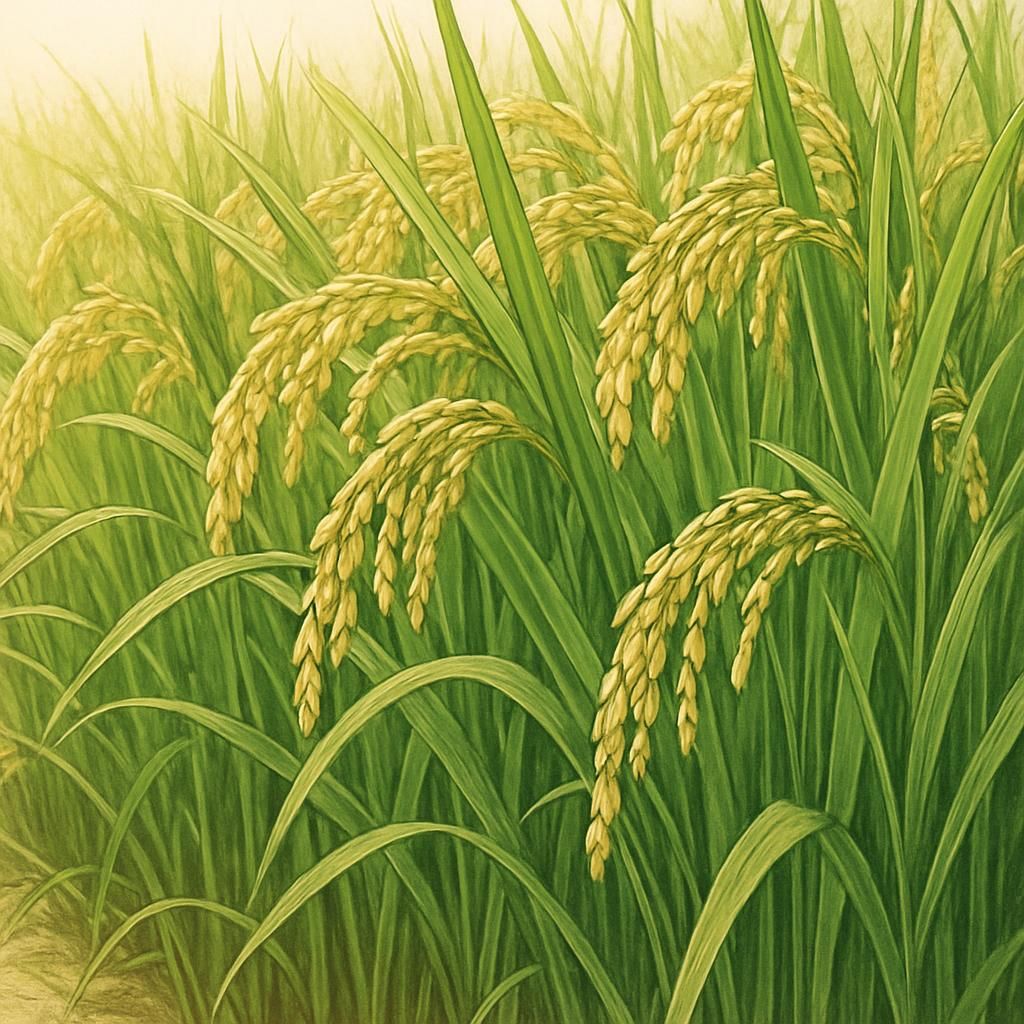
Shail Rice
Shail Rice is a specialty rice variety known for its high yield and adaptability to various climates. Ideal for both commercial and small-scale farming, it offers exceptional grain quality and disease resistance.
View Guide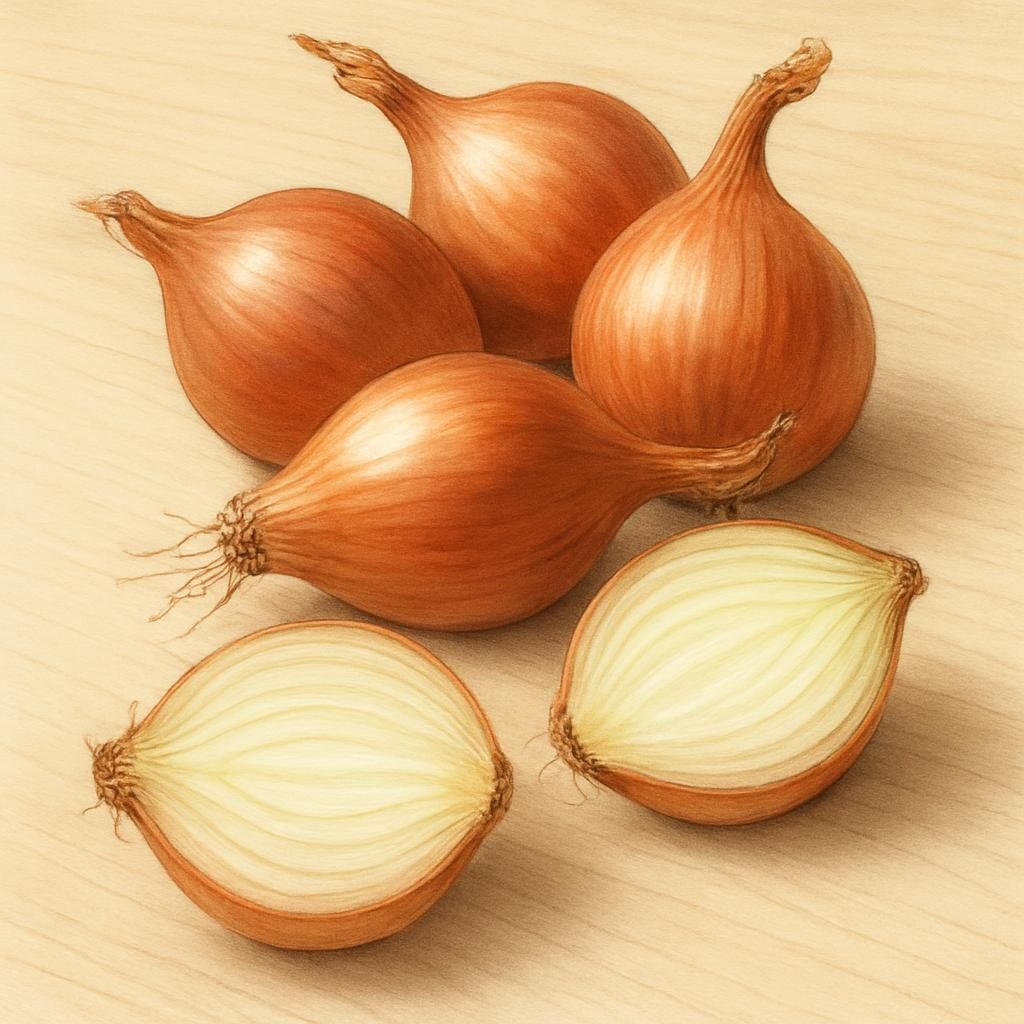
Shallot (Dutch Yellow)
Dutch Yellow shallots are a mild, sweet, elongated allium prized by chefs and home gardeners for their rich flavor and long storage life. This guide covers every stage of production from soil preparation through curing and storage with professional-grade, field-tested recommendations.
View Guide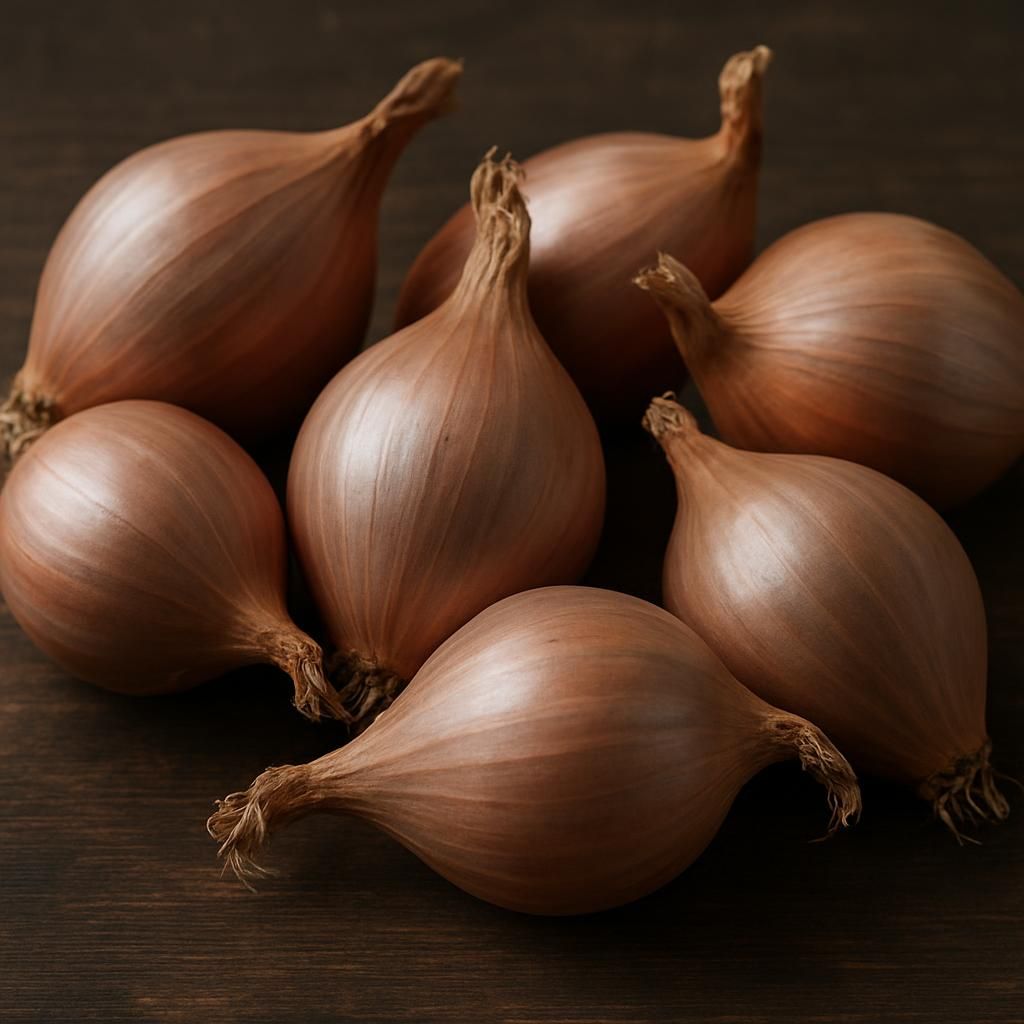
Shallot (French Grey)
French Grey shallots are a premium, cold-hardy heirloom variety prized for their intense flavor, elongated bulbs, and superior storage life. This definitive guide covers soil preparation, planting timelines, organic pest management, and post-harvest curing techniques for commercial and home growers.
View Guide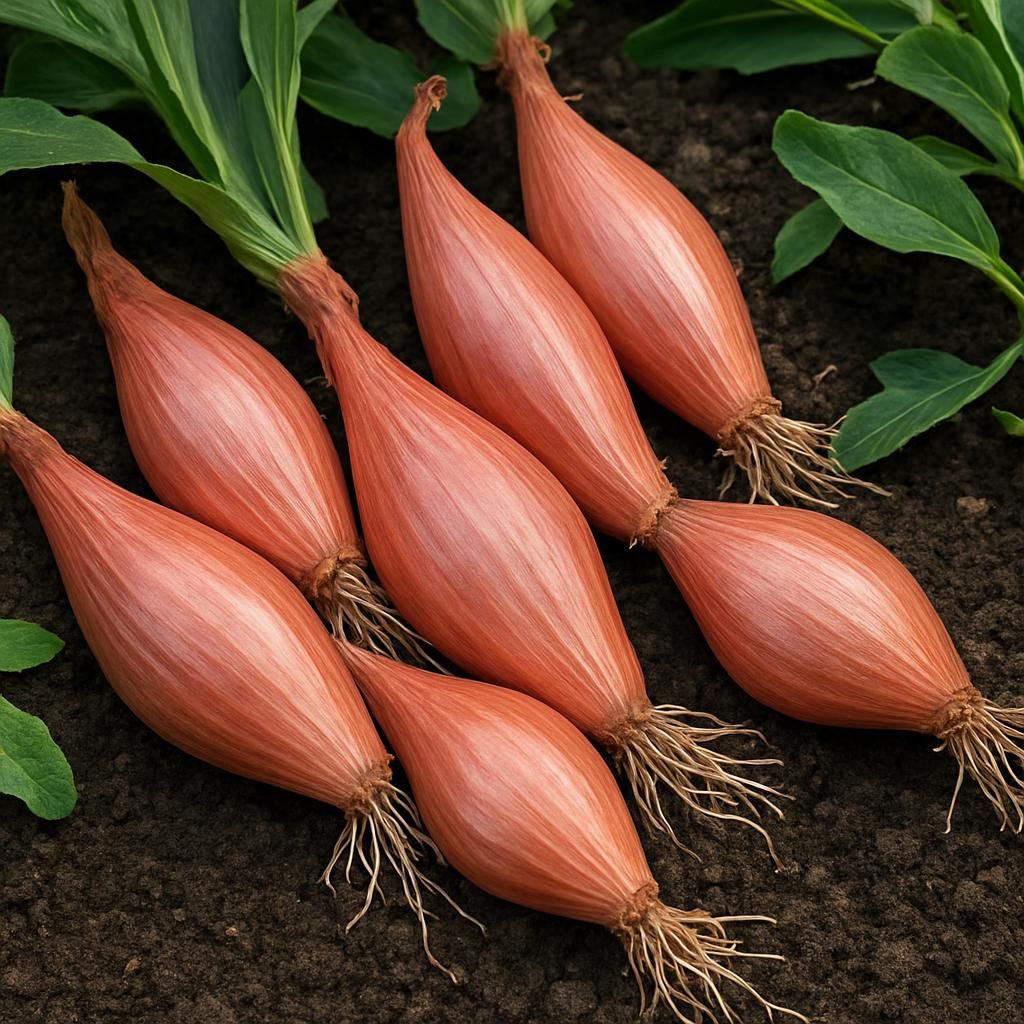
Shallot (Zebrune)
Shallot (Zebrune) is a French heirloom variety prized for its elongated, copper-pink bulbs and mild, sweet flavor. This guide delivers professional, research-backed cultivation methods for home gardeners and small-scale farmers seeking reliable yields and long storage life.
View Guide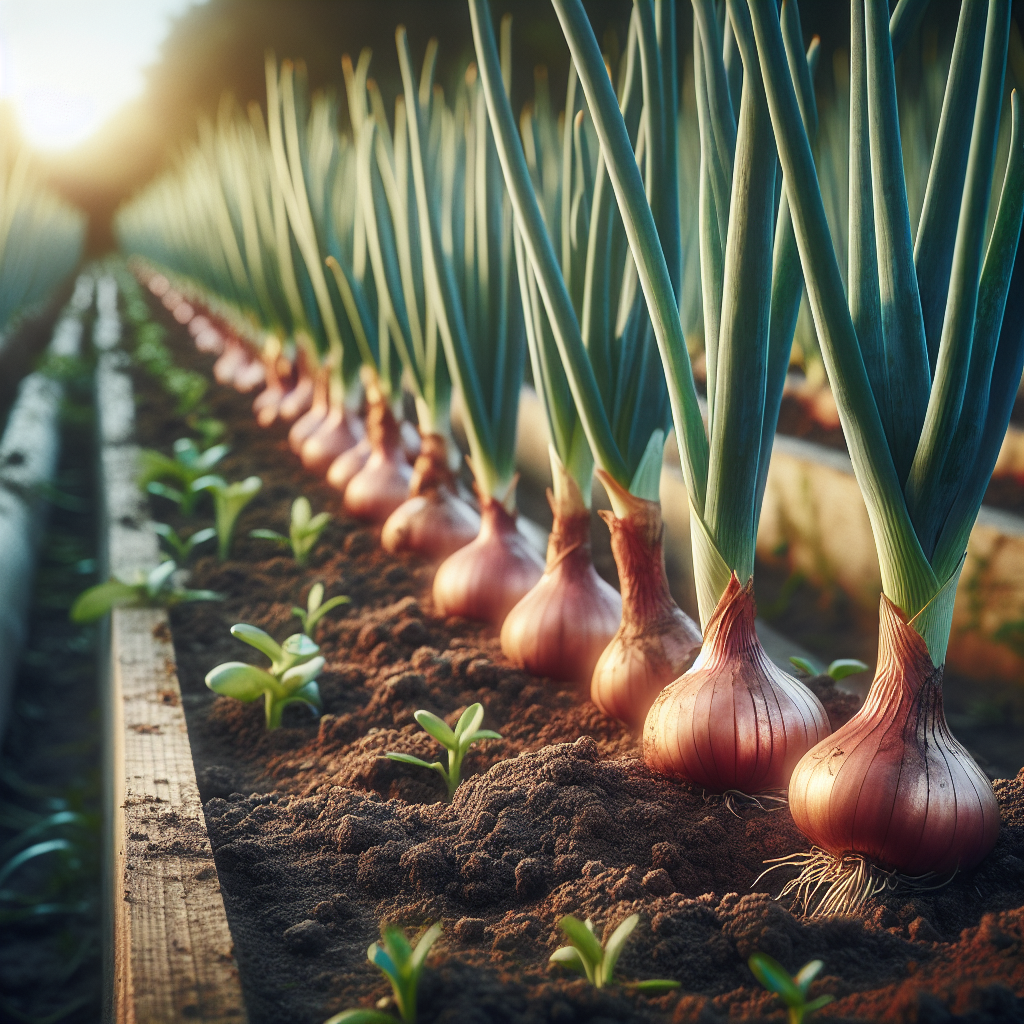
Shallots (Zebrune)
Shallots 'Zebrune' is a classic French banana shallot prized for its elongated copper-brown bulbs, refined sweetness, and excellent storage life. It is a cool-season allium that rewards careful soil preparation, precise spacing, and disciplined moisture management with high-quality bulbs ideal for fresh cooking and long keeping.
View Guide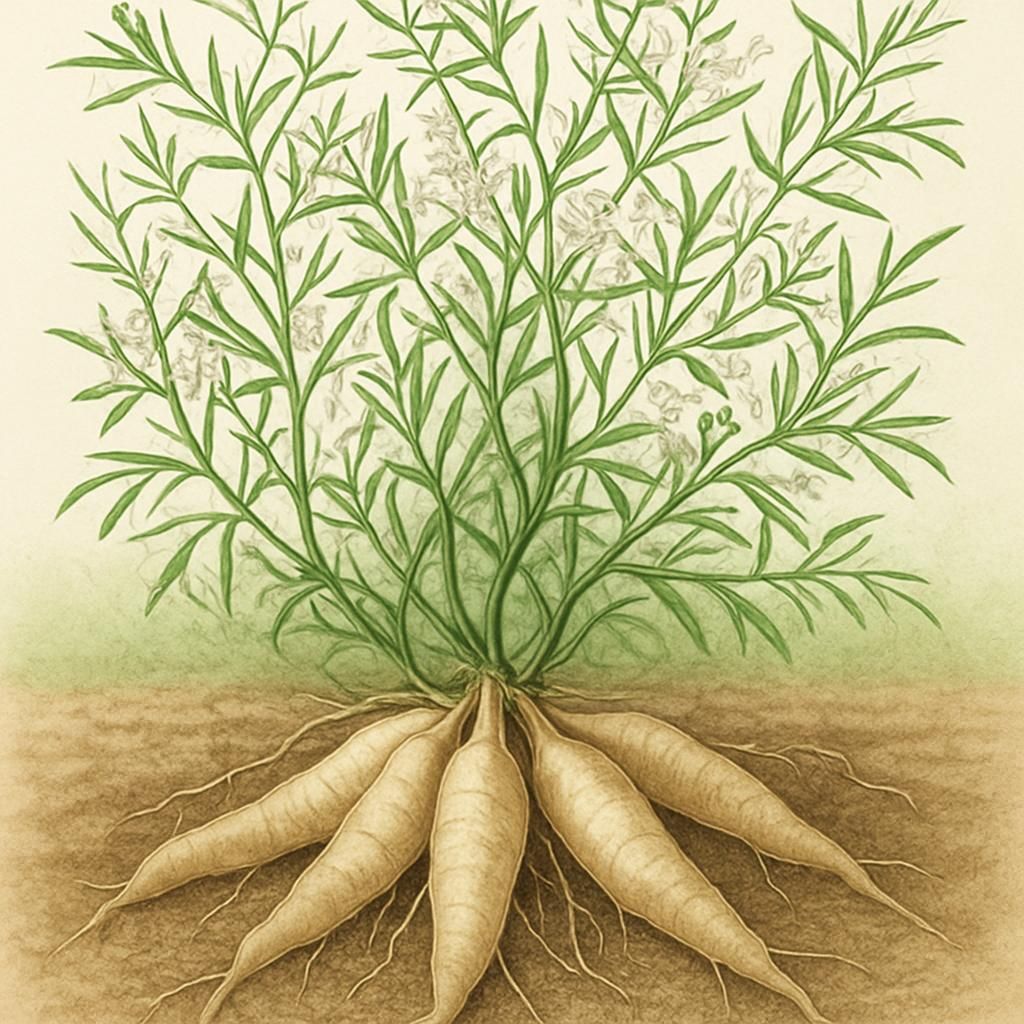
Shatavari Root
Shatavari Root is a perennial climbing herb prized for its tuberous roots used in traditional medicine and emerging commercial cultivation. It thrives in subtropical climates with well-drained soils and requires 2–3 years from planting to first harvest. Professional growers value it for drought tolerance once established and consistent demand in herbal markets.
View Guide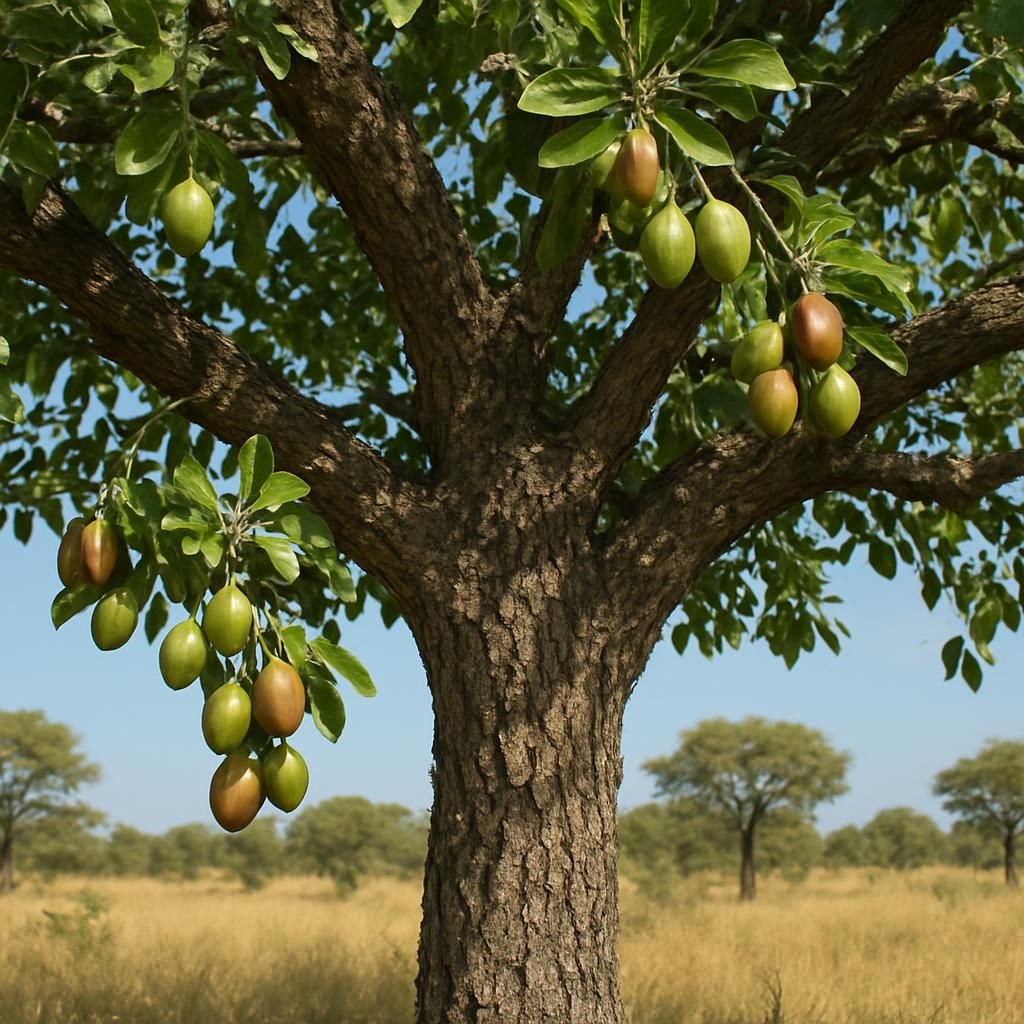
Shea Nut (Vitellaria paradoxa)
Vitellaria paradoxa, commonly known as the shea tree, is a long-lived African savanna species prized for its nutrient-rich nuts that yield shea butter used globally in cosmetics, food, and pharmaceuticals. This guide covers every stage of commercial and smallholder cultivation from propagation through harvest and storage.
View Guide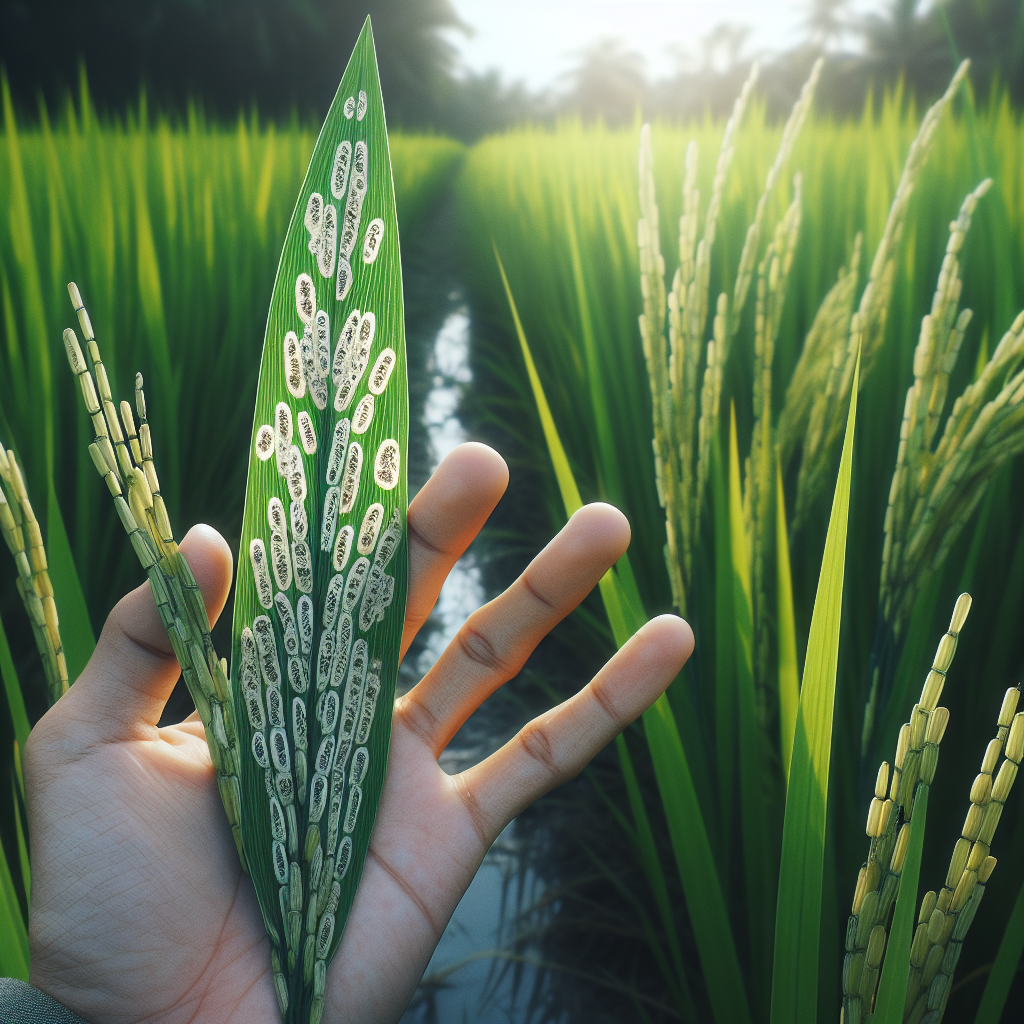
Sheath Blight
Sheath blight, caused by the soilborne fungus Rhizoctonia solani, is a devastating disease primarily affecting rice and other gramineous crops, leading to significant yield losses through lesions on leaf sheaths and stems. It thrives in warm, humid conditions with high nitrogen levels, making it a major concern in tropical and subtropical rice-growing regions. Effective management relies on cultural practices, resistant varieties, and targeted organic treatments to minimize spread and damage.
View Profile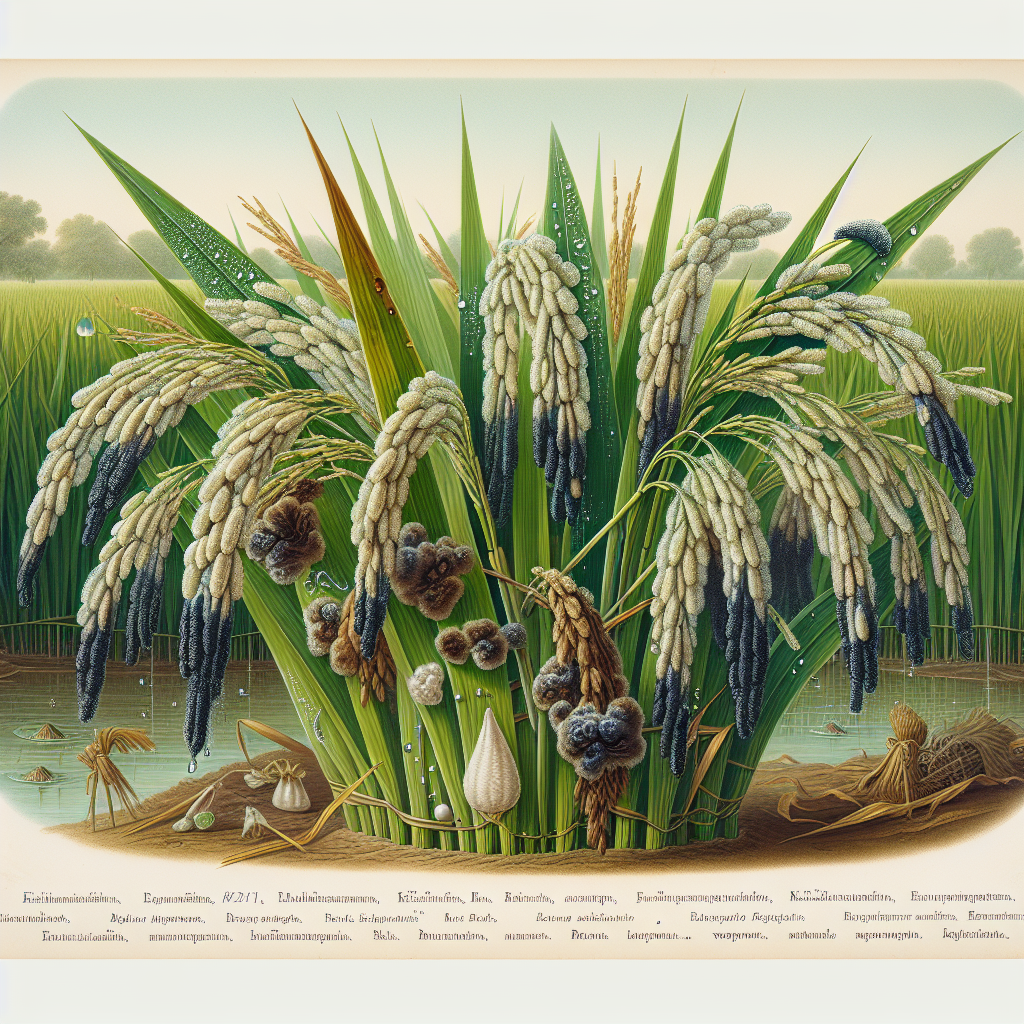
Sheath rots
Sheath rots are devastating fungal diseases primarily affecting rice and other gramineous crops, causing leaf sheath discoloration, rotting, and premature plant death. They thrive in high humidity and warm temperatures, leading to significant yield losses. Effective management relies on cultural practices, resistant varieties, and organic biocontrols.
View Profile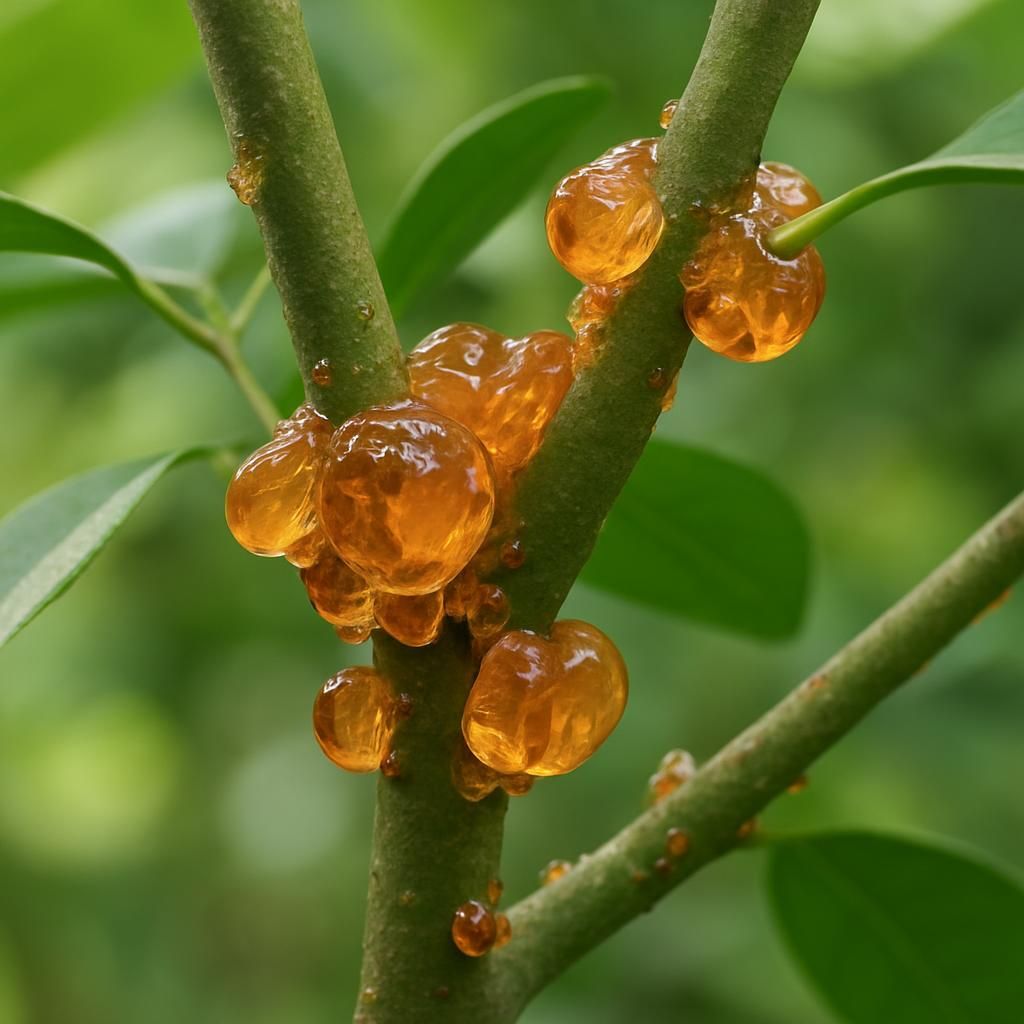
Shellac Resin
Shellac resin is a natural polymer secreted by the lac insect Kerria lacca and harvested from host trees in tropical and subtropical regions. This definitive guide covers every stage of commercial production, from host tree selection and insect inoculation to resin harvesting, processing, and storage best practices.
View Guide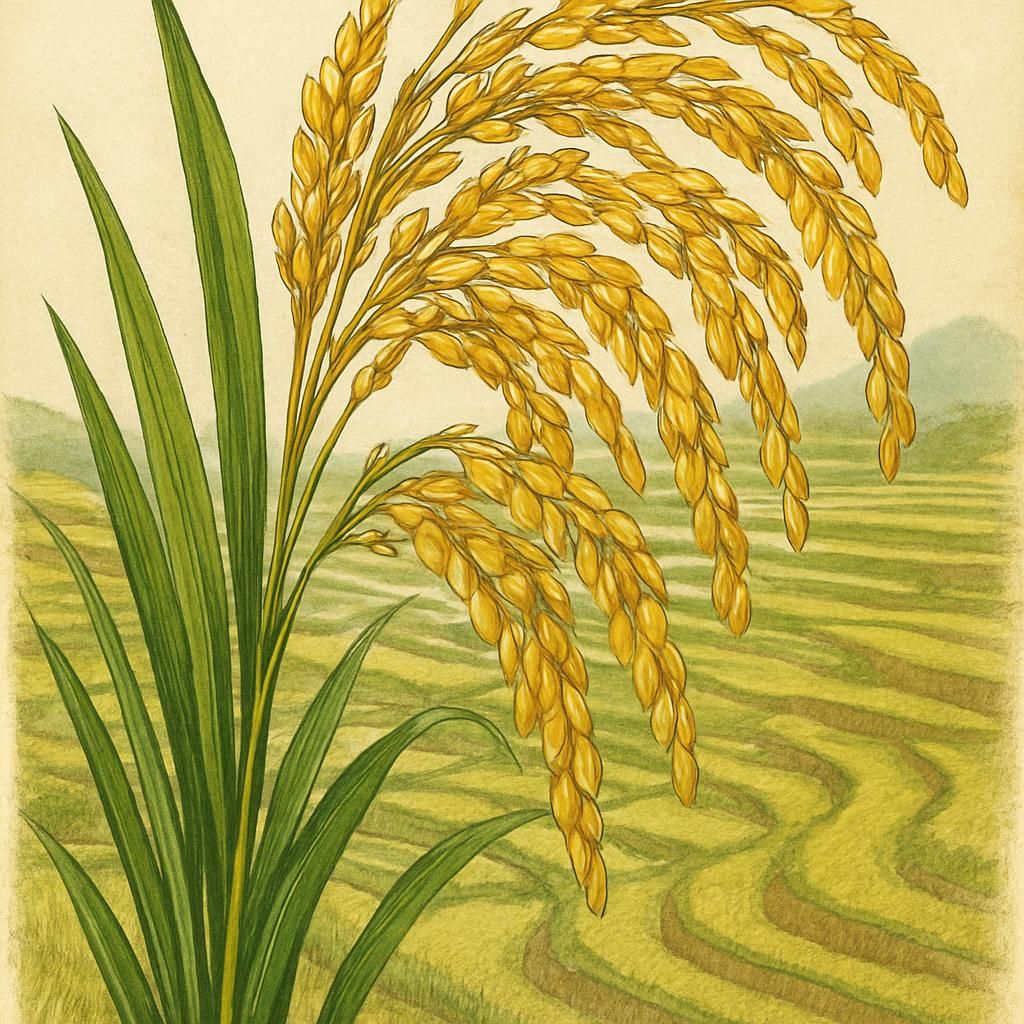
Sherpa Rice
Sherpa Rice is a high-altitude rice variety known for its adaptability to cooler climates and unique flavor profile. Ideal for regions with cooler temperatures and well-drained soils, Sherpa Rice offers a challenging yet rewarding growing experience.
View Guide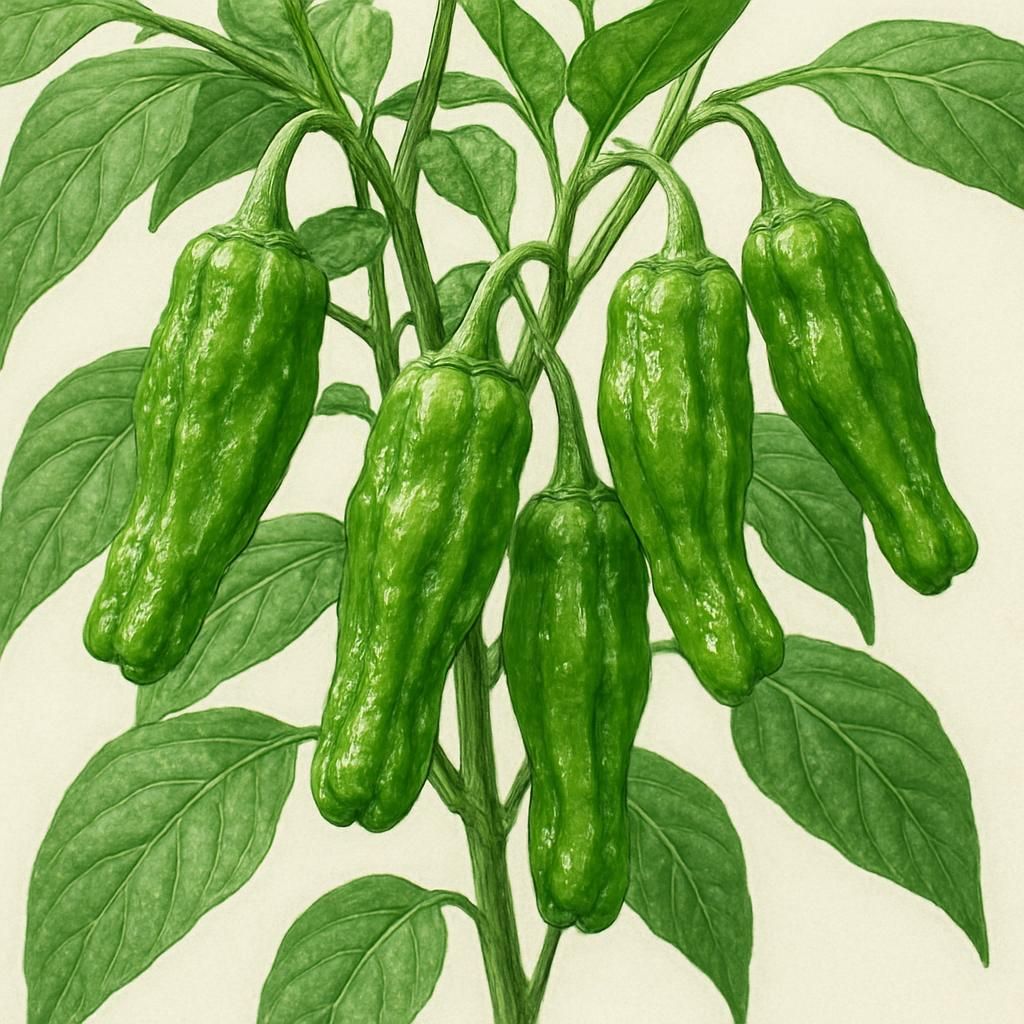
Shishito (Lion Head)
Shishito (Lion Head) is a mild, thin-walled Japanese pepper prized for its sweet, slightly smoky flavor and thin skin that blisters beautifully when grilled or pan-seared. This high-value specialty crop performs well in both open-field and protected cultivation, offering rapid returns and consistent demand in fresh markets and restaurants.
View Guide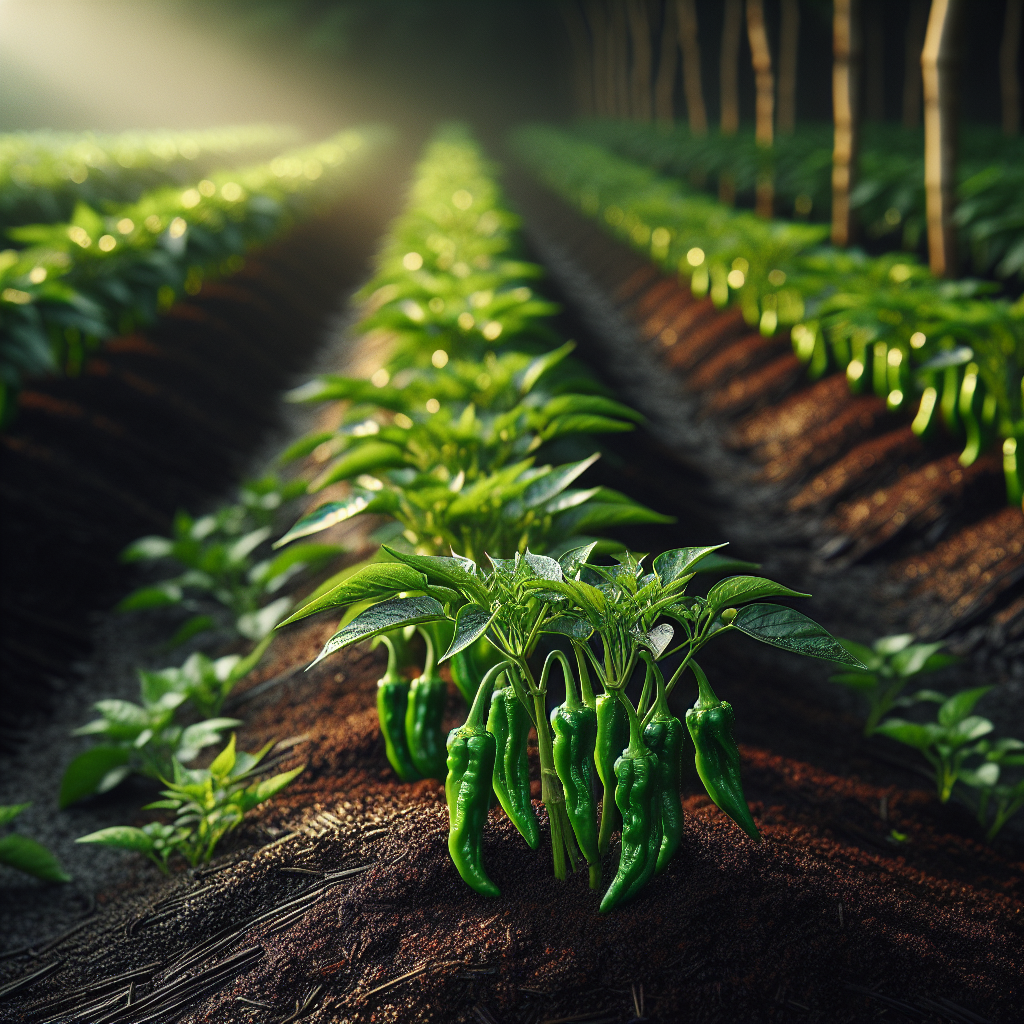
Shishito Pepper
Shishito pepper is a thin-walled Japanese frying pepper prized for its mild, sweet, grassy flavor and heavy yields over a long warm season. It is one of the most rewarding specialty peppers for home gardeners and market growers because plants are productive, adaptable, and harvestable at the green stage before full maturity.
View Guide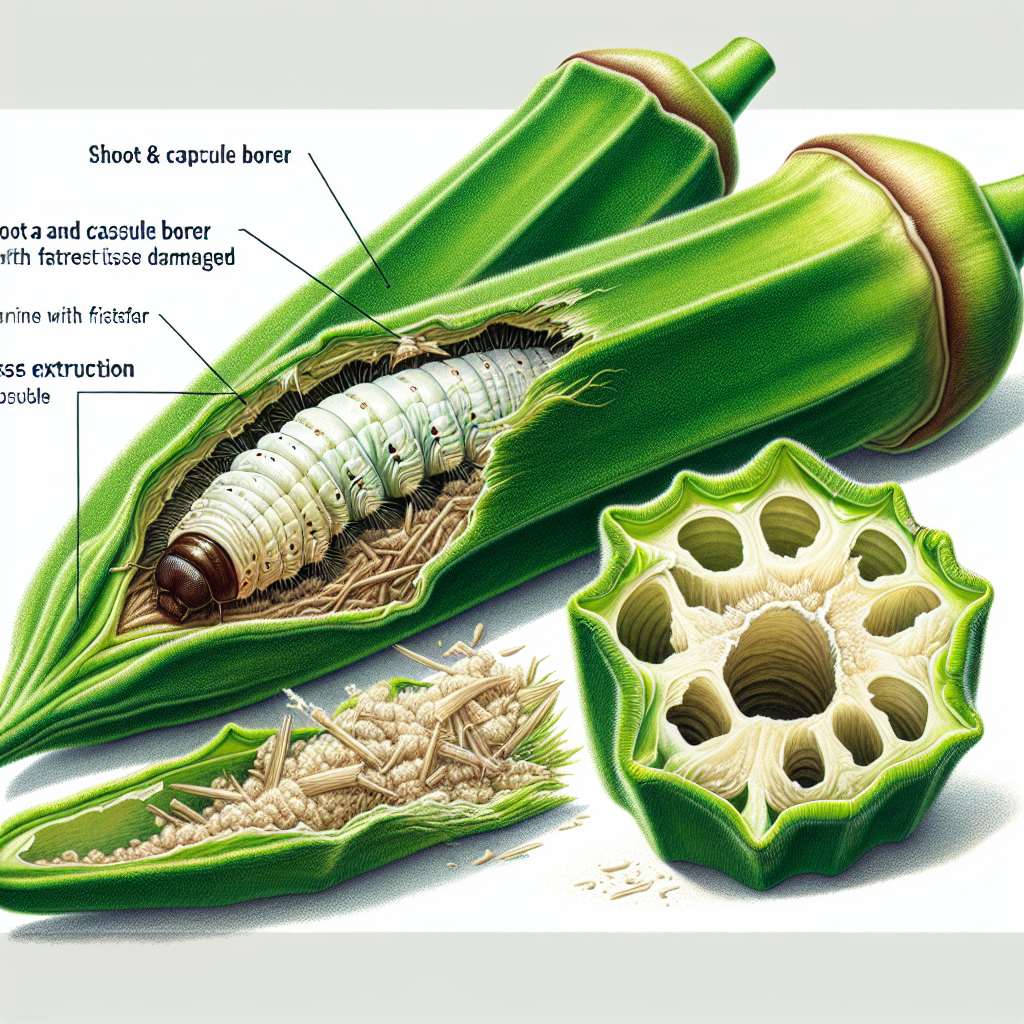
Shoot and capsule borers
Shoot and capsule borers are destructive moth larvae that tunnel into tender shoots, flower buds, and fruit capsules of various crops, causing wilting, dieback, and significant yield losses. Primarily affecting solanaceous and malvaceous plants, these pests are prevalent in tropical and subtropical regions. Effective management combines cultural practices, biological controls, and timely monitoring for sustainable agriculture.
View Profile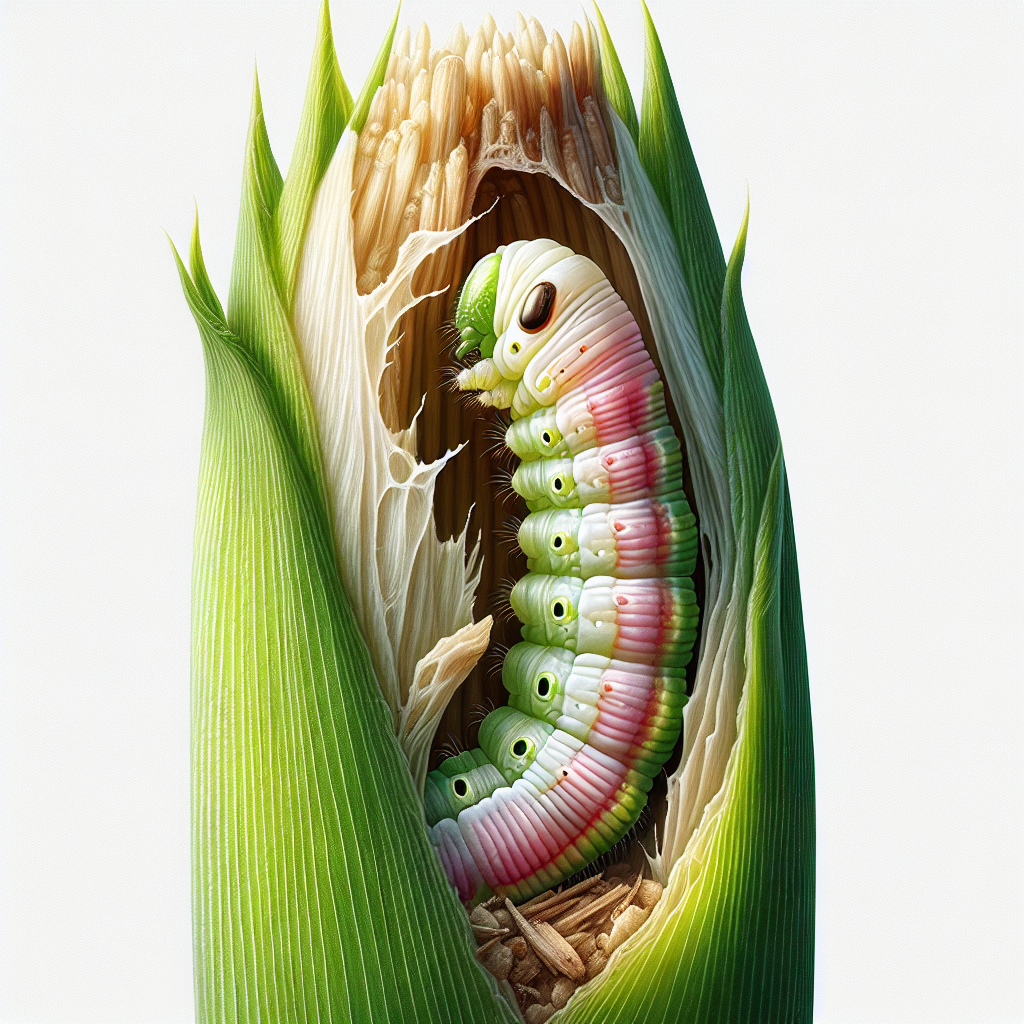
Shoot borers
Shoot borers are destructive insect larvae that tunnel into plant shoots, stems, and young growth, causing wilting, stunting, and significant yield losses in staple crops. This guide provides comprehensive diagnostics, lifecycle insights, organic management strategies, and prevention tips for farmers. Effective control combines cultural practices, biological agents, and timely monitoring to protect vulnerable crops.
View Profile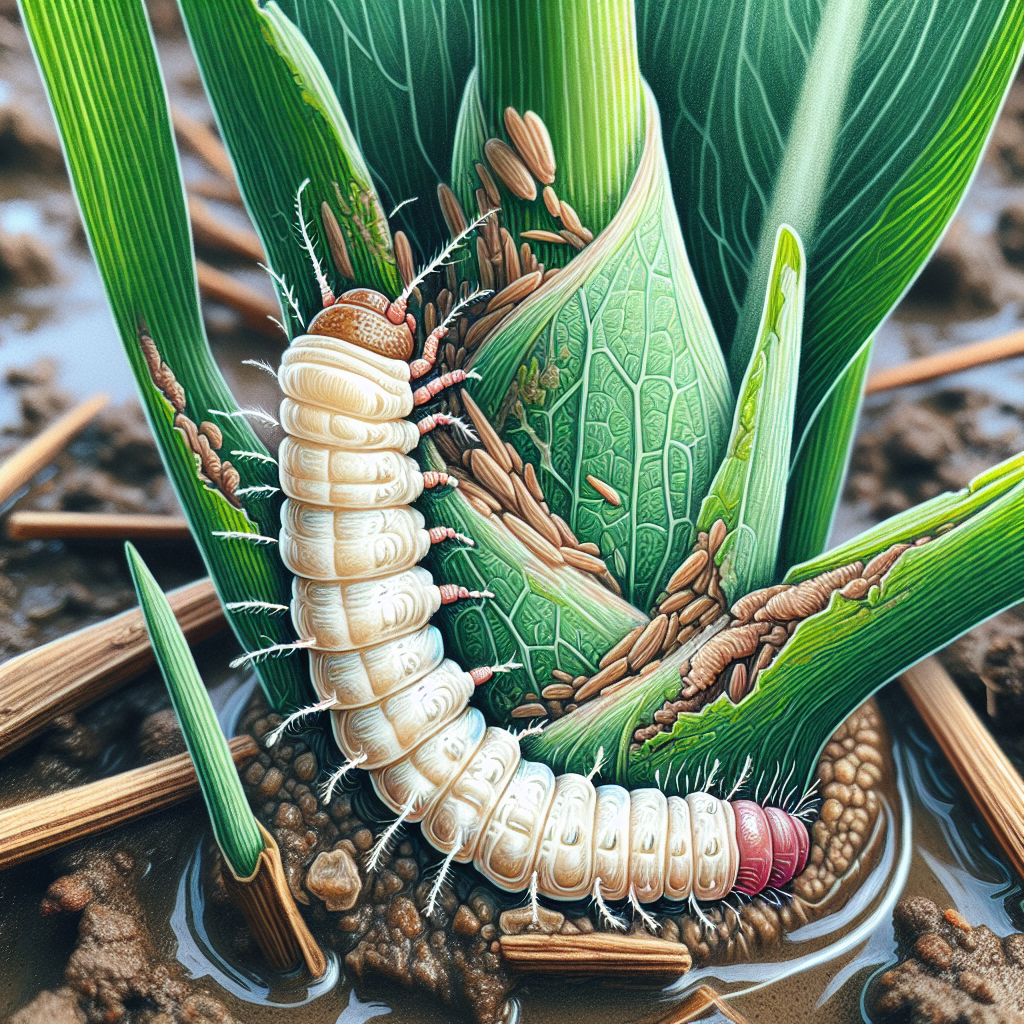
Shoot flies
Shoot flies are small, destructive pests targeting cereal crops like rice, wheat, and sorghum, with larvae boring into young shoots causing 'dead hearts' and significant yield losses. This guide provides definitive diagnostics, lifecycle insights, organic management strategies, and prevention tactics for farmers. Effective control hinges on early detection and integrated organic practices to protect vulnerable seedlings.
View Profile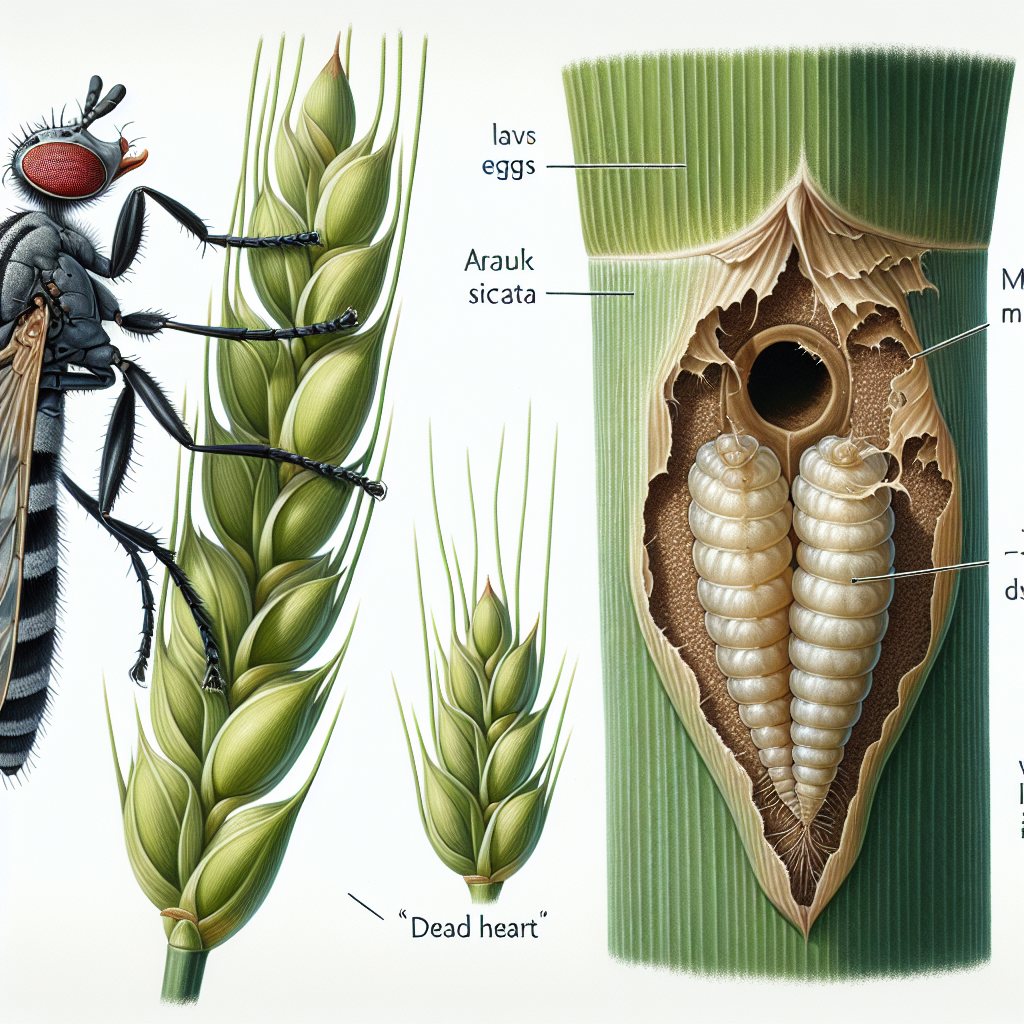
shoot fly
Shoot flies are small, destructive pests targeting cereal crops like wheat, rice, and sorghum, where their maggots bore into young shoots causing 'dead hearts' and significant yield losses. This guide provides comprehensive diagnostics, lifecycle insights, organic management strategies, and prevention tactics for farmers. Effective control hinges on early detection, cultural practices, and biological interventions to protect vulnerable seedlings.
View Profile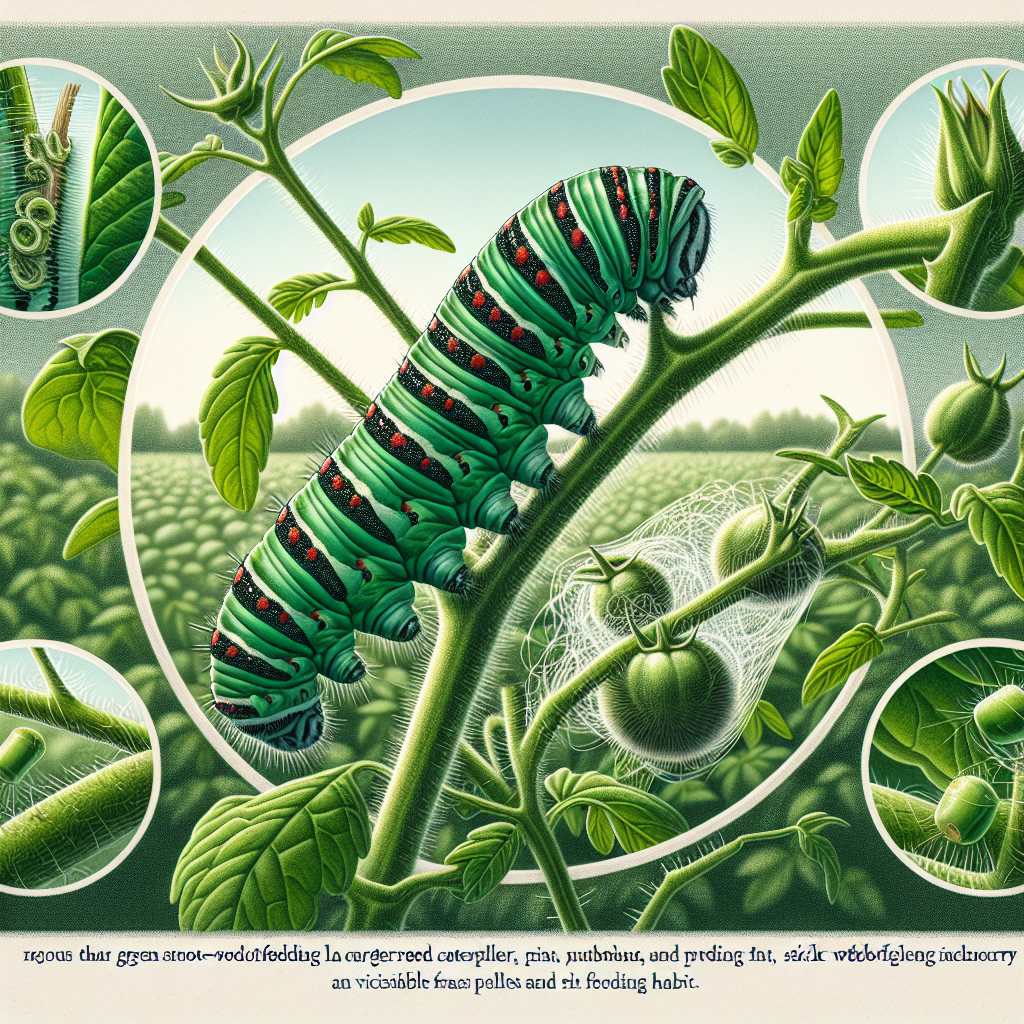
Shoot-feeding caterpillars
Shoot-feeding caterpillars are larval stages of moths that target tender new growth on crops, causing significant damage to shoots, buds, and young leaves. These pests can devastate yields in vegetables, fruits, and field crops by skeletonizing foliage and boring into stems. Effective management combines monitoring, organic controls like BT, and cultural practices for long-term prevention.
View Profile
Shot hole
Shot hole is a widespread fungal disease causing characteristic small, shot-like holes in leaves, stems, and fruit of stone fruits and ornamentals. Triggered by wet spring weather, it weakens trees by reducing photosynthesis and predisposing them to secondary infections. Effective management relies on cultural practices, resistant varieties, and timely organic fungicides.
View Profile