Introduction to Shoot flies
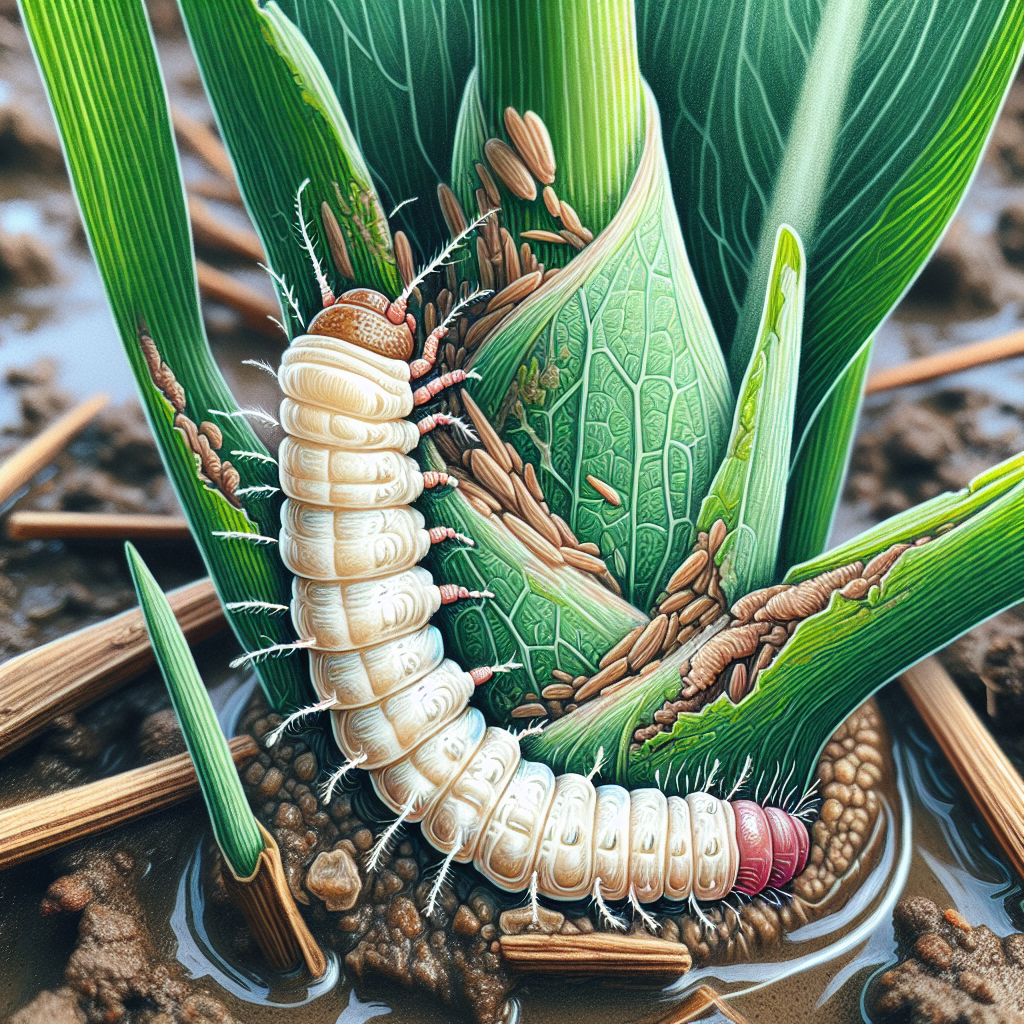
Shoot flies (Atherigona spp., commonly Atherigona soccata) represent a major threat to cereal production worldwide, particularly in tropical and subtropical regions. These tiny dipteran pests, belonging to the Muscidae family, are notorious for infesting young seedlings and tillers of grasses, leading to devastating damage during the critical early growth stages. Adult shoot flies are grayish flies about 3-5 mm long, resembling house flies but smaller, while their creamy-white maggots wreak havoc by tunneling into shoots.
Farmers often first notice the pest through characteristic 'dead heart' symptoms—central leaves turning yellow and wilting, mimicking nutrient deficiency or drought stress. Yield losses can reach 20-60% in severe infestations, especially in rice, wheat, and sorghum fields. Understanding shoot fly biology and implementing timely interventions is crucial for sustainable agriculture. This comprehensive guide equips growers with professional diagnostics, organic controls, and prevention strategies to safeguard crops effectively. For more on early pest detection, check this insightful Spring Pest Patrol blog.
Identifying Symptoms & Damage
Accurate identification of shoot fly damage is the cornerstone of effective management. The primary symptom is the 'dead heart,' where the growing point of the seedling or tiller is killed, causing the central leaf to wither, turn reddish-brown, and droop while surrounding leaves remain green. Affected plants often produce side tillers, but these are weaker and result in reduced panicle formation and grain fill.
Examine plants closely: pinch the base of the dead heart; a watery, slimy maggot (3-5 mm long) confirms shoot fly infestation. Larvae feed on meristematic tissue, leaving frass and a characteristic U-shaped reddish lesion at the entry point. Adult flies lay eggs singly on leaf blades near the soil line, visible as white rice-like grains.
Damage is most severe 7-30 days after planting, coinciding with seedling and tillering stages. Differentiate from other pests like stem borers (which attack older plants with sawdust-like frass) or cutworms (which clip stems at soil level). Secondary damage includes bacterial infections entering through larval tunnels, exacerbating wilting. Scout fields weekly, focusing on field edges and moist lowlands where flies congregate. Threshold: 5-10% dead hearts warrants action.
Lifecycle and Progression of Shoot flies
Shoot flies complete 6-12 generations per year, depending on climate, with a lifecycle of 15-25 days. Adults emerge from pupae in soil, live 1-2 weeks, and are most active at dawn/dusk, ovipositing 300-400 eggs per female on undersides of young leaves. Eggs hatch in 1-2 days into maggots that bore into shoots within hours.
Larvae (3 instars, 7-10 days) feed voraciously, pupating in the plant base or soil for 3-5 days. Peak infestations align with monsoon rains and warm temperatures (25-35°C). Overwinter as pupae in dry soil. Progression: Eggs → Larvae (shoot destruction) → Pupae → Adults (egg-laying). Monitor with sticky traps (yellow for adults) or dissect 20-30 tillers per acre. Understanding this rapid cycle enables precise timing of controls, disrupting reproduction before population explosions.
Environmental Triggers & Risk Factors
Shoot flies thrive in warm, humid conditions (25-35°C, 80% RH), with rain-splash aiding egg dispersal. Risk spikes after unseasonal rains or in fields with dense, lush seedlings from excess nitrogen. Susceptible varieties, late planting, and ratoon crops heighten vulnerability—volunteers and grassy weeds serve as reservoirs.
Poor drainage, compacted soil, and low sunlight favor pupation. High nitrogen levels promote tender shoots attractive to females. In wheat, autumn-sown fields face early attacks; in rice, direct-seeded fields suffer more than transplanted. Drought-stressed plants recover poorly from dead hearts. Mitigate by avoiding excessive N-fertilization early and destroying crop residues to break pupal dormancy. Climate change extends breeding seasons, demanding vigilant monitoring.
Organic Control & Treatment Plans
Organic management integrates cultural, biological, and mechanical tactics for sustainable suppression. Cultural: Plant resistant varieties like IR36 rice or K-68 sorghum; time sowing to evade peaks (e.g., early wheat in November). Uproot and crush dead hearts daily to kill larvae. Intercrop with cowpeas or apply 20-25 kg/ha neem cake at planting.
Biological: Release Trichogramma parasitoids (1,00,000/ha) at egg stage; encourage predators like spiders, carabids. Spray neem oil (5 ml/L) or NSKE (5%) at 10-15 day intervals, targeting young larvae—3 applications reduce damage 40-60%. Bacillus thuringiensis (Bt) kurstaki (2 g/L) effective against early instars.
Mechanical: Use light traps (2-4/ha) at night; rogue infested plants. Seed treatment with bio-agents like Pseudomonas fluorescens (10 g/kg seed). Integrated Plan: Scout weekly; act at 5% dead hearts. Combine early planting + neem + parasitoids for 70-80% control. Rotate with non-hosts like legumes to disrupt cycles. Avoid broad-spectrum sprays preserving beneficials like ladybugs predators.
Preventing Shoot flies in the Future
Prevention outperforms cure through proactive strategies. Select resistant hybrids: Pusa Basmati 1 for rice, HD-2967 for wheat. Optimal spacing (20-25 cm rows) reduces humidity microclimates. Balanced nutrition—split N applications post-tillering. Destroy stubble and weeds promptly; deep summer ploughing exposes pupae to sun/predators.
Mulch with straw (5-7 cm) deters oviposition. Seed rates: 25-30 kg/ha for sorghum ensure vigorous seedlings outgrow minor damage. Monitor forecasts for rain-triggered flights. Companion planting marigolds repels adults. Long-term: Farmscape diversification with borders of mustard traps flies. Annual rotation cycles (cereal-legume-fallow) starve populations. Record scouting data for predictive planting windows.
Crops Most Affected by Shoot flies
Shoot flies primarily target Gramineae family cereals. Rice (rice, basmati-rice): 30-50% losses in direct-seeded; dead hearts at 2-3 leaf stage. Sorghum (sorghum, grain-sorghum): Up to 60% in rainfed kharif crop. Wheat (wheat, durum-wheat): Seedling phase attacks. Maize (corn): Secondary host. Others: Pearl millet (millet), oats (oats), barley (barley), sugarcane (sugarcane) tillers. Rarely affects fine grains like finger millet. Global hotspots: India, Africa, SE Asia. Hybrids suffer more due to succulence.