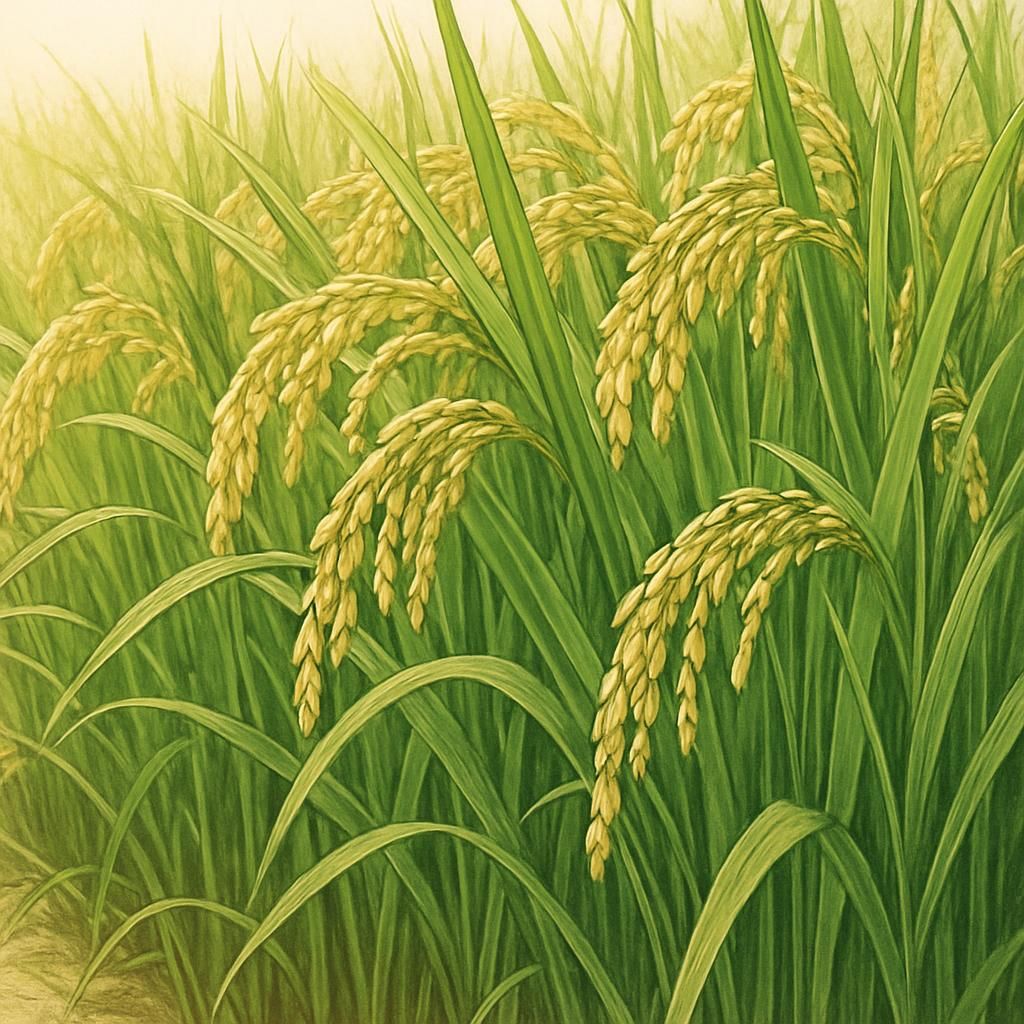
Introduction to Shail Rice
Shail Rice is an alluring variety renowned for its adaptability and superior grain quality. Cultivated primarily in regions suited for rice farming, Shail Rice has gained a reputation for its high yield and resistance to common rice diseases. Agriculturists and home growers alike have found success in incorporating this robust crop into their farming repertoire thanks to its adaptable nature.
Botanical Profile of Shail Rice
Scientifically referred to as Oryza sativa, Shail Rice falls under the Poaceae family. As a distinct cultivar, it shares the general characteristics of the rice species yet exhibits unique features such as enhanced pest resistance and efficient nutrient use, making it a preferred choice for sustainable farming.
Soil, pH, and Climate Requirements for Shail Rice
For optimal growth, Shail Rice requires specific conditions to flourish. Understanding these parameters enables the grower to maximize yield and quality.
| Condition | Ideal Range |
|---|---|
| Soil Type | Loamy, Clayey |
| Soil pH | 5.5 - 6.5 |
| Temperature | 20°C - 30°C |
| Rainfall | 1000mm - 2000mm/year |
Shail Rice prefers loamy to clayey soils with a slightly acidic to neutral pH for optimal nutrient accessibility. Moderate to warm climates and substantial rainfall support its growth cycle.
Step-by-Step Planting & Propagation
- Land Preparation: Begin by clearing the area of weeds and debris. Plow the soil deeply and create leveled plots to ensure even water distribution.
- Seed Preparation: Use certified seeds to ensure purity and vigor. Soak the seeds for 24-48 hours before planting to boost germination rates.
- Sowing: Transplant seedlings 15 to 20 days after sowing. Space them at 20cm x 15cm to encourage healthy tillering and better air circulation.
- Water Management: Maintain standing water levels until the flowering stage to curb weed growth and facilitate nutrient uptake.
Care & Maintenance Regimes for Shail Rice
Consistent care through each growth stage is crucial for a healthy rice crop.
| Activity | Timing | Notes |
|---|---|---|
| Watering | 2-3 times per week | Depending on rainfall and stage |
| Fertilizing | Bi-weekly | Use nitrogen-rich fertilizers |
| Pruning | Not applicable | Regular weeding is recommended |
Monitoring water in the rice paddies ensures that crops do not experience stress. Fertilizer schedules must be designed to provide essential nutrients, matching the crop's growth stages.
Pests, Diseases & Organic Management
While Shail Rice is resilient, it can still face threats from pests like Spider Mites and diseases such as Blast. Implement integrated pest management practices by introducing natural predators and using organic insecticides where necessary. Regular field inspections and maintaining clear water channels reduce disease instances.
Harvesting, Curing & Optimal Storage
Shail Rice is typically ready for harvest around 120-150 days post-planting. Signs of maturity include yellowing of the stems and grains turning hard. Harvest using a sickle or mechanized harvester. Post-harvest, cure the rice by drying it for 3-4 days under the sun to reduce moisture content. For storage, ensure grains are kept in a cool, dry place in airtight containers to prevent pest infestations and preserve quality.
Companion Planting for Shail Rice
Incorporate crops like Soybeans and Lettuce around Shail Rice fields to enrich the soil with nitrogen and to benefit pest deterrence. Companion planting not only optimizes space but improves biodiversity.
For further tips on companion planting that boosts farm resilience, check out the blog post Summer Companion Planting: 10 Organic Pairings to Boost Small Farm Resilience.
While Shail Rice is primarily harvested for its nutritional grain output, its adaptability and potential for high yields make it a fantastic choice for both seasoned and new farmers. As the global climate evolves, selecting adaptable crop varieties like Shail Rice ensures future farming success.