Introduction to Shishito Pepper
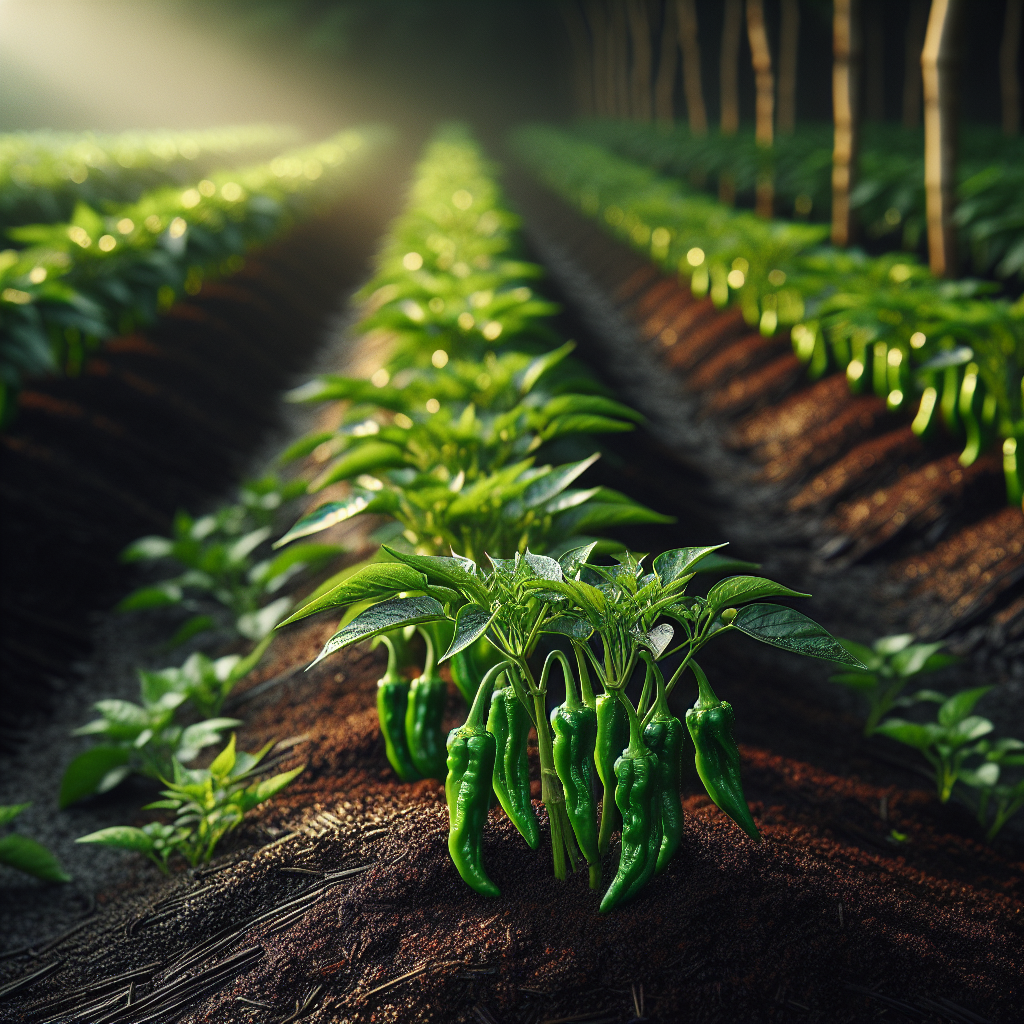
A traditional East Asian frying pepper, this cultivar is most closely associated with Japanese cuisine, where it is commonly blistered whole and finished with oil and salt. The fruits are slender, lightly wrinkled, and typically 2 to 4 inches long, with thin walls that cook quickly. Most fruits are mild, but the variety is famous for occasional surprise heat; a small percentage of pods can develop noticeably more pungency, especially when plants experience heat spikes, drought stress, uneven watering, or delayed harvest.
From a grower’s perspective, this is an exceptionally useful pepper for both kitchen gardens and small commercial plots. It begins producing relatively early compared with many larger-fruited peppers, sets heavily in warm weather, and tolerates repeated harvests. The crop is usually marketed and eaten green, so growers do not need to wait for full red ripeness to achieve high-quality harvests. That makes it a strong option for extending sales windows and for harvesting before late-season disease pressure intensifies.
Shishito performs best where the growing season includes warm days, mild nights, and plenty of sunlight. It can still be grown in cooler temperate regions, but it benefits greatly from season extension, warm seed-starting conditions, and mulched soils. Like most peppers, it resents cold roots, waterlogged ground, and abrupt fluctuations in moisture.
Botanical Profile of Shishito Pepper
This pepper belongs to the species Capsicum annuum, the same species that includes bell peppers, jalapeños, poblanos, and many other sweet and hot forms. Although often grouped casually with chili peppers, it is botanically a fruiting annual or short-lived perennial in frost-free climates. In most production systems, it is grown as a warm-season annual.
Plants typically mature to 18 to 36 inches tall and 18 to 24 inches wide, depending on fertility, spacing, climate, and whether they are container-grown or field-grown. The canopy is moderately open, with branching stems that can become brittle under heavy fruit load. Leaves are smooth, pointed, and medium green. Flowers are usually white, star-shaped, and self-pollinating, though insect activity and airflow can improve fruit set under protected culture.
The fruit shape is one of the defining cultivar traits: elongated, narrow, slightly lobed, and wrinkled near the stem end. Fruits are generally harvested at the immature green stage when flavor is bright and the skin is glossy. If left on the plant, pods eventually turn red and develop a sweeter, deeper flavor, though many growers find the green stage more marketable and consistent.
Scoville heat typically remains low, often around 50 to 200 SHU, but environmental stress can increase capsaicinoid expression in some fruits. That inconsistency is part of the appeal rather than a flaw. In contrast to very hot peppers such as Ghost Pepper, this cultivar is grown more for aroma, sweetness, texture, and culinary versatility than for heat.
Botanically, peppers have a relatively shallow but spreading root system concentrated in the upper soil profile. That explains their sensitivity to both drought and saturated conditions. Fine roots are particularly vulnerable to compaction, cold soil, and high soluble salts. This is why careful irrigation management and well-structured soil are more important than simply adding fertilizer.
Soil, pH, and Climate Requirements for Shishito Pepper
The ideal soil is a fertile, well-drained loam or sandy loam rich in organic matter, with a pH between 6.0 and 6.8. Plants will tolerate slightly broader conditions, roughly 5.8 to 7.0, but nutrient availability is most balanced in the low-to-mid 6 range. Below pH 5.8, calcium, magnesium, and phosphorus issues become more common; above pH 7.0, iron and manganese deficiencies may appear as interveinal chlorosis on newer leaves.
Drainage is critical. Shishito roots need oxygen in the root zone, so avoid heavy clay sites unless amended and raised. A good target is a crumbly soil structure that holds moisture evenly but never stays soggy for more than 24 hours after irrigation or rainfall. If you squeeze moist soil in your hand, it should hold together lightly but break apart with a tap. If it forms a sticky ribbon, drainage is too poor.
Organic matter should ideally be 3% to 6% in mineral soils. Work in fully finished compost before planting, but avoid excessive raw manure or very high nitrogen pre-plant applications, which can produce lush foliage at the expense of flower set. For broader fertility planning, see soil health tips.
Temperature strongly influences germination, growth, flowering, and fruit quality. Seeds germinate best at 80 to 90°F (27 to 32°C). Below 70°F (21°C), emergence becomes slow and erratic. Established plants grow best with daytime temperatures around 70 to 85°F (21 to 29°C) and nighttime temperatures above 58°F (14°C). Flower drop becomes more likely when daytime temperatures exceed 95°F (35°C), especially if combined with low humidity and water stress.
Full sun is essential for yield and flavor. Aim for at least 8 hours of direct light daily. In extremely hot inland climates, light afternoon shade can reduce sunscald and blossom drop, but too much shade leads to spindly plants and fewer fruits.
Humidity should be moderate. Very high humidity can encourage foliar disease and reduce pollen viability, while extremely dry, hot air can stress plants and increase the proportion of spicy fruits. A mulched root zone and consistent irrigation help stabilize plant metabolism and reduce these swings.
Step-by-Step Planting & Propagation
Start seeds indoors 8 to 10 weeks before the last expected frost. Use a sterile seed-starting mix, sow seeds 1/4 inch deep, and keep media temperature between 80 and 85°F (27 to 29°C) for fastest, most even germination. Bottom heat is especially helpful. Seeds usually emerge in 7 to 21 days depending on temperature and freshness.
After emergence, provide bright light immediately. Seedlings grown too cool or too dim become leggy and transplant poorly. Keep daytime air temperatures around 70 to 75°F (21 to 24°C) and nights around 65 to 68°F (18 to 20°C). Water enough to keep the medium evenly moist, but never saturated. The correct moisture level feels like a wrung-out sponge. If algae forms on the tray surface or stems collapse at the base, the environment is too wet and stagnant.
Once seedlings produce their first true leaves, begin light feeding weekly with a diluted balanced fertilizer. Avoid overfeeding at this stage; dark, overly lush seedlings are more susceptible to transplant shock and Aphids.
Pot up to larger cells or 3- to 4-inch pots when roots begin circling or leaves overlap neighboring plants. Bury only to the original soil line; unlike tomatoes, peppers do not benefit significantly from deep stem burial. Maintain strong airflow to build stocky transplants.
Harden off for 7 to 10 days before transplanting by gradually exposing plants to outdoor sun, wind, and fluctuating temperatures. Do not transplant until soil temperature is at least 65°F (18°C), ideally closer to 70°F (21°C), and all frost risk has passed. Cold soil can stall growth for weeks and permanently reduce early yield.
Space plants 18 to 24 inches apart in rows 24 to 36 inches apart. In intensive beds, two staggered rows per 30-inch bed can work well if airflow remains adequate. Closer spacing can increase early yield per square foot but may also raise humidity and disease pressure.
At transplanting, water the root ball thoroughly and set plants at the same depth they were growing in containers. If using black plastic or biodegradable mulch, install it before planting to warm soil and suppress weeds. In cooler climates, row cover during the first 2 to 3 weeks after transplanting can noticeably improve establishment, but remove covers at flowering if pollinator access or heat buildup becomes a concern.
Direct seeding is possible only in long, hot climates with consistently warm soil, but transplanting is the standard and more reliable method.
Care & Maintenance regimes for Shishito Pepper
Successful management depends on steadiness. Plants perform best when moisture, temperature, and fertility remain relatively consistent from transplanting through final harvest.
Irrigation should keep the top 6 to 8 inches of soil evenly moist but never waterlogged. As a working target, maintain soil at roughly 60% to 80% of field capacity. Practically, that means the soil should feel cool and moist at root depth, not muddy, and should not dry into hard clods between waterings. Most mature plants need about 1 to 1.5 inches of water per week, but sandy soils, containers, and hot windy conditions may require more frequent irrigation.
Signs of underwatering include midday wilt that does not recover by evening, curled or dull leaves, aborted blossoms, smaller fruits, and a higher chance of unexpectedly hot pods. Signs of overwatering include persistent drooping despite wet soil, yellowing lower leaves, edema, slow growth, and increased susceptibility to root diseases. If soil smells sour or stays glossy-wet for days, drainage is inadequate.
Drip irrigation is ideal because it keeps foliage dry and delivers water directly to the root zone. Water deeply and less frequently rather than with daily shallow sprinkles. A 2- to 3-inch layer of straw or leaf mulch helps buffer root temperature and moisture swings.
Nutrition should be balanced rather than aggressive. A pre-plant incorporation of compost plus a moderate complete fertilizer is often sufficient for good soils. Once plants begin flowering, avoid high nitrogen feeding that pushes leaf growth and delays fruiting. A side-dress with a fertilizer slightly higher in potassium and calcium can support continued fruit set and reduce quality disorders. Tissue or soil tests are best for commercial precision, but as a general guide, pale lower leaves and stalled growth may indicate nitrogen shortage, while blossom-end rot points more often to erratic moisture and calcium transport failure than to a simple lack of calcium in the soil.
Staking is useful even though plants are not particularly tall. Fruit clusters can make stems splay outward, especially after rain or heavy irrigation. A single stake with soft ties, or a low Florida weave in short rows, reduces branch breakage and keeps fruit cleaner.
Pruning is minimal. Remove any leaves touching the ground and thin only enough to improve airflow if the canopy becomes dense. Excessive pruning can expose fruits to sunscald and reduce total yield.
Weed control matters because peppers are shallow-rooted and poor competitors early on. Cultivate lightly to avoid root disturbance. Mulch is the safest long-term strategy.
In protected tunnels or greenhouses, pay close attention to ventilation. High heat can reduce pollination and fruit set. Slightly shaking plants during bloom can improve pollen movement in still air.
Pests, Diseases & Organic Management
The main insect pests are Aphids, Thrips, Flea Beetles, Pepper Weevils in certain regions, Whiteflies, Cutworms, Hornworms, and Spider Mites. Early scouting is essential. Check the undersides of leaves, growing tips, and young fruit caps at least twice weekly.
Aphids cluster on tender shoots and can distort new growth while transmitting viruses. A strong water spray, conservation of beneficial insects, and insecticidal soap are effective early measures. Thrips are more problematic because they scar tissues and vector Tomato Spotted Wilt Virus. Blue or yellow sticky cards help monitor populations, but crop sanitation and weed control around planting areas are just as important.
Spider Mites thrive in hot, dusty, dry conditions. Fine stippling on leaves and faint webbing are early clues. Increase humidity around the crop only through better irrigation and dust suppression, not by frequent overhead watering late in the day. Neem and horticultural oils can help, but coverage must be thorough and applications should avoid hot sun.
Cutworms damage young transplants at the soil line. Collars, clean bed preparation, and evening scouting are effective. Flea Beetles create shot holes in leaves and are more dangerous to seedlings than mature plants.
Common diseases include Bacterial Leaf Spot, Anthracnose, Phytophthora Root and Crown Rot, Damping-Off in seedlings, Powdery Mildew in dry late seasons, and several viruses such as Cucumber Mosaic Virus, Tobacco Mosaic Virus, and Tomato Spotted Wilt Virus. Prevention is far more effective than rescue.
Use certified disease-free seed or transplants, rotate out of solanaceous crops for at least 3 years when possible, and avoid planting after peppers, tomatoes, eggplants, or potatoes. If you also grow Tomato, separate successions and sanitize tools between crops. Never work wet plants when bacterial disease is present.
For root rot prevention, ensure raised beds or well-drained fields, especially where summer storms are common. Phytophthora is favored by standing water and can collapse plants suddenly. Remove infected plants promptly and do not compost severely diseased material unless composting temperatures are reliably high.
Organic disease management centers on spacing, airflow, mulching to limit soil splash, drip irrigation, sanitation, resistant or vigorous seed lines, and copper-based products only when necessary and allowed in your system. Copper can suppress Bacterial Leaf Spot but is preventive, not curative, and repeated heavy use can affect soil biology.
Viruses cannot be cured. Rogue infected plants immediately if they show severe mosaic, stunting, fern-like growth, ring spots, or malformed fruit. Control vector insects and eliminate nearby weed hosts.
Harvesting, Curing & Optimal Storage
Harvest begins about 55 to 70 days after transplanting, depending on temperature, fertility, and transplant size. The best market stage is usually when fruits are 2 to 4 inches long, glossy, firm, and medium green. Slight wrinkling is normal and characteristic, but the fruit should still feel crisp and turgid.
Use scissors or pruners rather than pulling by hand whenever possible. Pepper stems can be brittle, and rough harvesting can snap productive branches. Frequent picking every 2 to 4 days stimulates continued flowering and prevents overmature fruit from slowing production.
Do not confuse maturity with maximum size alone. Overgrown green fruits often become seedier, less tender, and more likely to develop unexpected heat. For the classic culinary profile, pick before the pods dull in color or begin transitioning to red.
This crop does not require curing in the same sense as onions, garlic, or winter squash. Instead, postharvest handling focuses on field heat removal and gentle storage. Harvest in the cool part of the morning after dew has dried. Keep fruit shaded immediately after picking. Wash only if necessary, and dry thoroughly before packing.
Store at 45 to 50°F (7 to 10°C) with 90% to 95% relative humidity. At these conditions, peppers may keep for 1 to 2 weeks with minimal shriveling. Temperatures much below 45°F can cause chilling injury, expressed as pitting, dull skin, water-soaked patches, and rapid breakdown after removal from storage. Room-temperature storage is acceptable only for very short periods.
For home use, fruits can also be blistered and frozen after cooling, though texture softens after thawing. Fresh market quality is always highest when fruit is sold or consumed soon after harvest.
Companion Planting for Shishito Pepper
Good companions are those that either improve the root-zone environment, attract beneficial insects, or occupy different canopy and rooting niches without competing heavily. Three especially useful partners are Thai Basil, Onion, and Nasturtium.
Thai basil can help diversify the planting, attract pollinators and predatory insects when allowed to flower, and create a productive culinary pairing. Onion contributes a narrow upright form that fits well between pepper rows and may help confuse certain pests through its pungent foliage. Nasturtium works well at bed edges as a trap and beneficial-insect plant, drawing Aphids away from peppers in some systems while also attracting hoverflies and other allies.
Other useful neighbors include low-growing lettuce early in the season before the pepper canopy expands, carrots in adjacent rows, and clover in managed pathways rather than directly beneath plants. Avoid crowding peppers with very aggressive feeders or sprawling cucurbits that reduce airflow and make harvest difficult.
Do not plant peppers repeatedly in the same bed with other solanaceous crops such as tomato, eggplant, or potato if disease carryover is a concern. Companion planting is most effective when integrated with rotation, mulch, sanitation, and irrigation management rather than treated as a stand-alone solution.
For growers seeking premium quality, the most important principle is simple: keep plants warm, evenly watered, moderately fed, and frequently harvested. When those fundamentals are right, Shishito pepper is one of the longest-producing, most forgiving, and most profitable specialty peppers you can grow.