Encyclopedia
Definitive guides for crops, pests, and agricultural diseases.

Shot hole disease
Shot hole disease is a widespread fungal infection primarily affecting stone fruits like peaches, cherries, and apricots, characterized by small, shot-like holes in leaves caused by fungal fruiting bodies. It thrives in cool, wet conditions and can lead to significant defoliation and reduced yields if unmanaged. Effective organic management focuses on cultural practices, sanitation, and targeted fungicides.
View Profile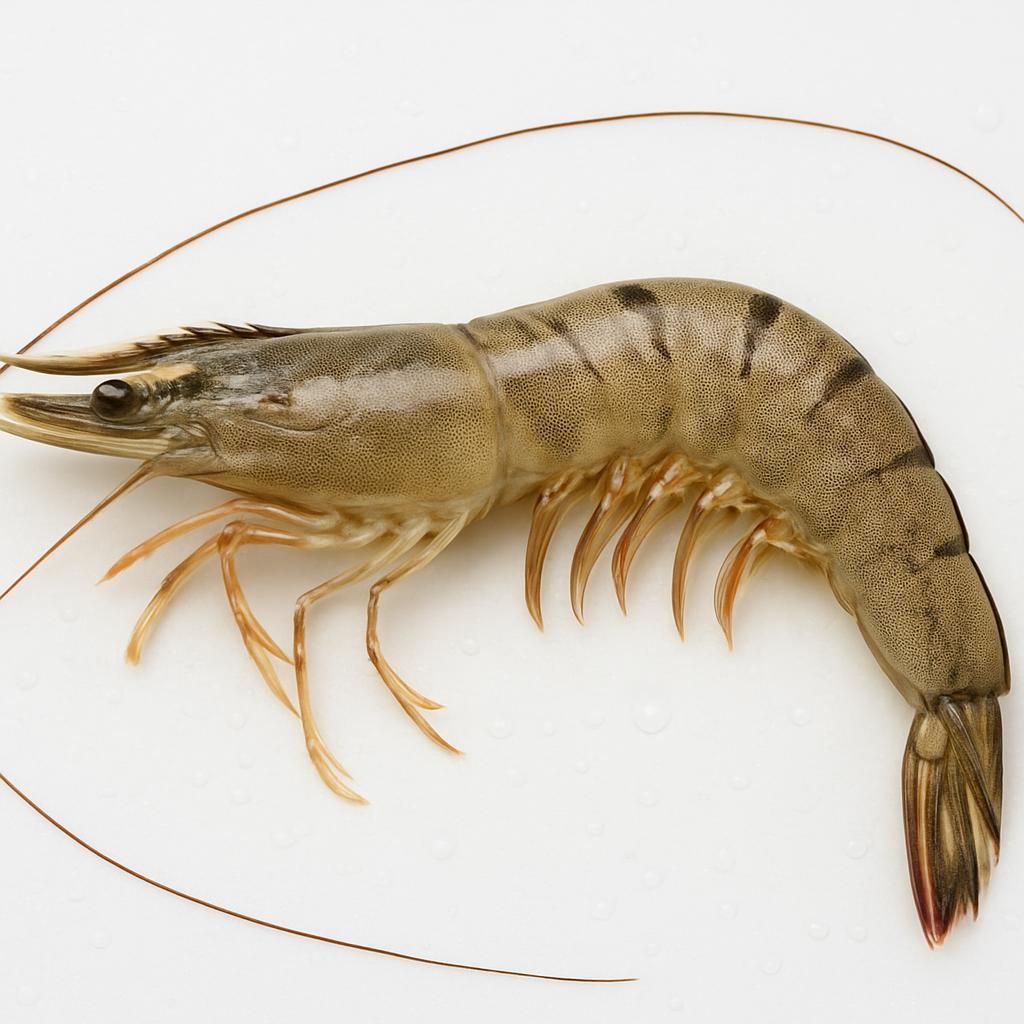
shrimp
Shrimp infestations in agriculture refer to the accidental introduction of marine shrimp into freshwater irrigation systems, hydroponic setups, and coastal-adjacent fields where they can damage young seedlings and alter water quality. This guide provides professional diagnostic criteria, lifecycle details, and integrated management strategies for growers facing this unusual but disruptive pest. Emphasis is placed on practical, organic-compatible methods that protect crop health while minimizing environmental impact.
View Profile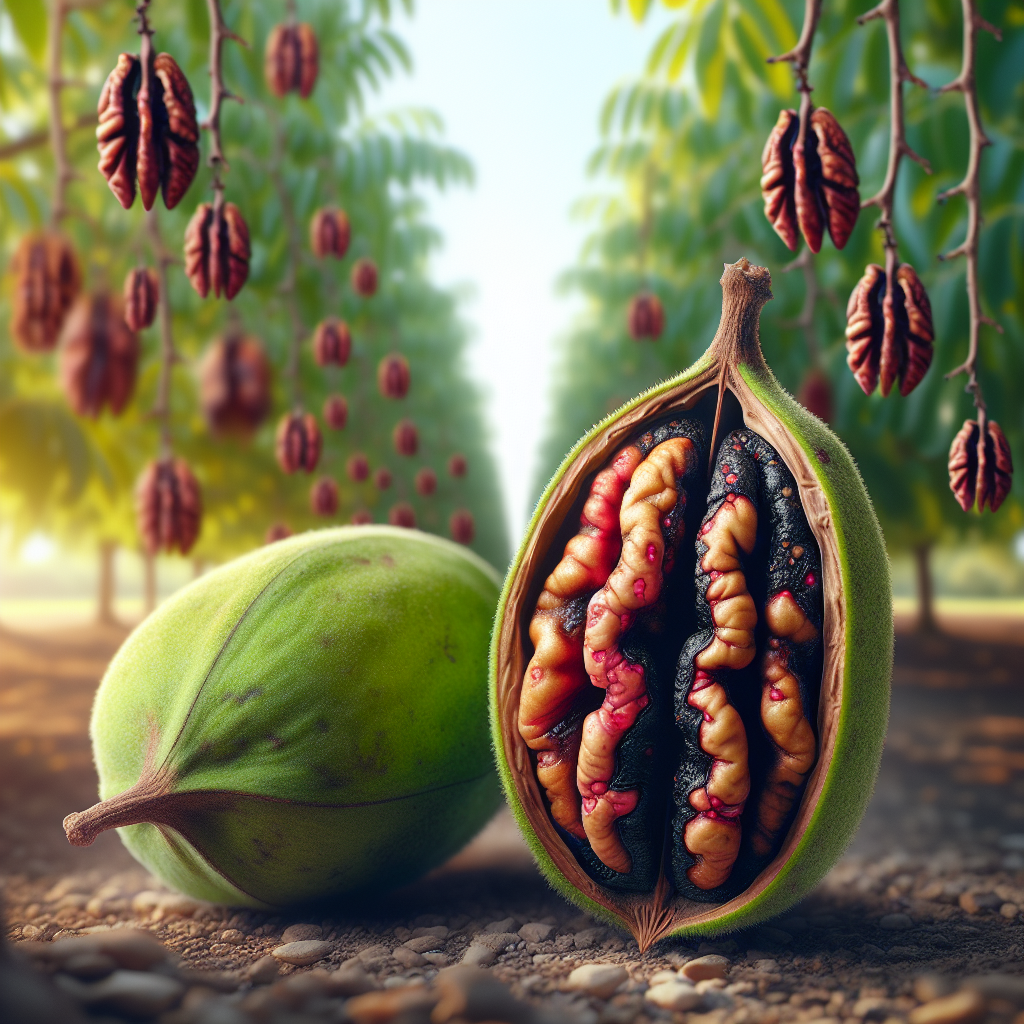
Shuck Dieback
Shuck dieback is a destructive fungal disease primarily affecting pecan trees, causing premature drying and blackening of the shuck (hull) surrounding developing nuts. It leads to significant nut drop and reduced yields, often exacerbated by environmental stress. Effective management relies on cultural practices, organic fungicides, and resistant cultivars.
View Profile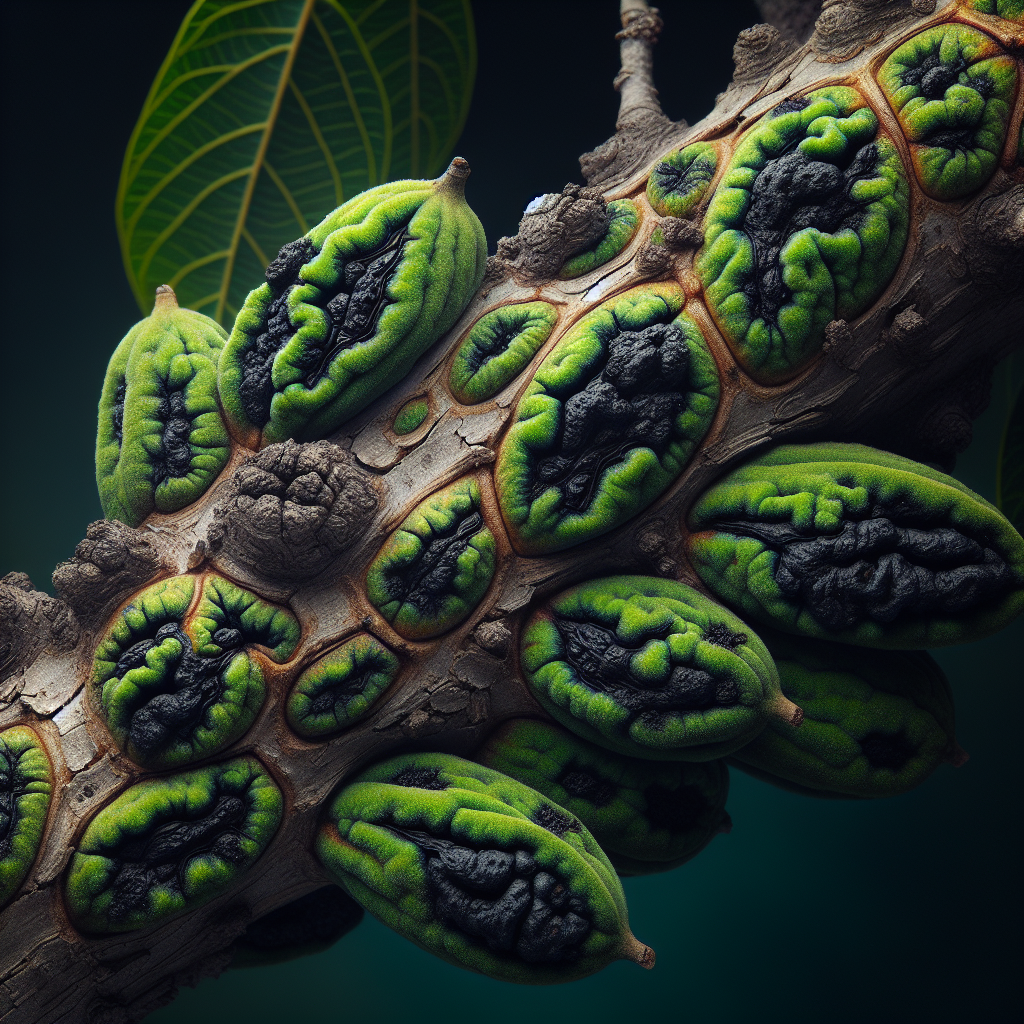
shuck dieback complexes
Shuck dieback complexes are devastating disease syndromes primarily affecting pecan trees, characterized by progressive necrosis and premature drop of shucks, often caused by a combination of fungal pathogens. These complexes lead to significant nut crop losses, with symptoms exacerbated by environmental stress. Effective management relies on cultural practices, sanitation, and targeted organic fungicides.
View Profile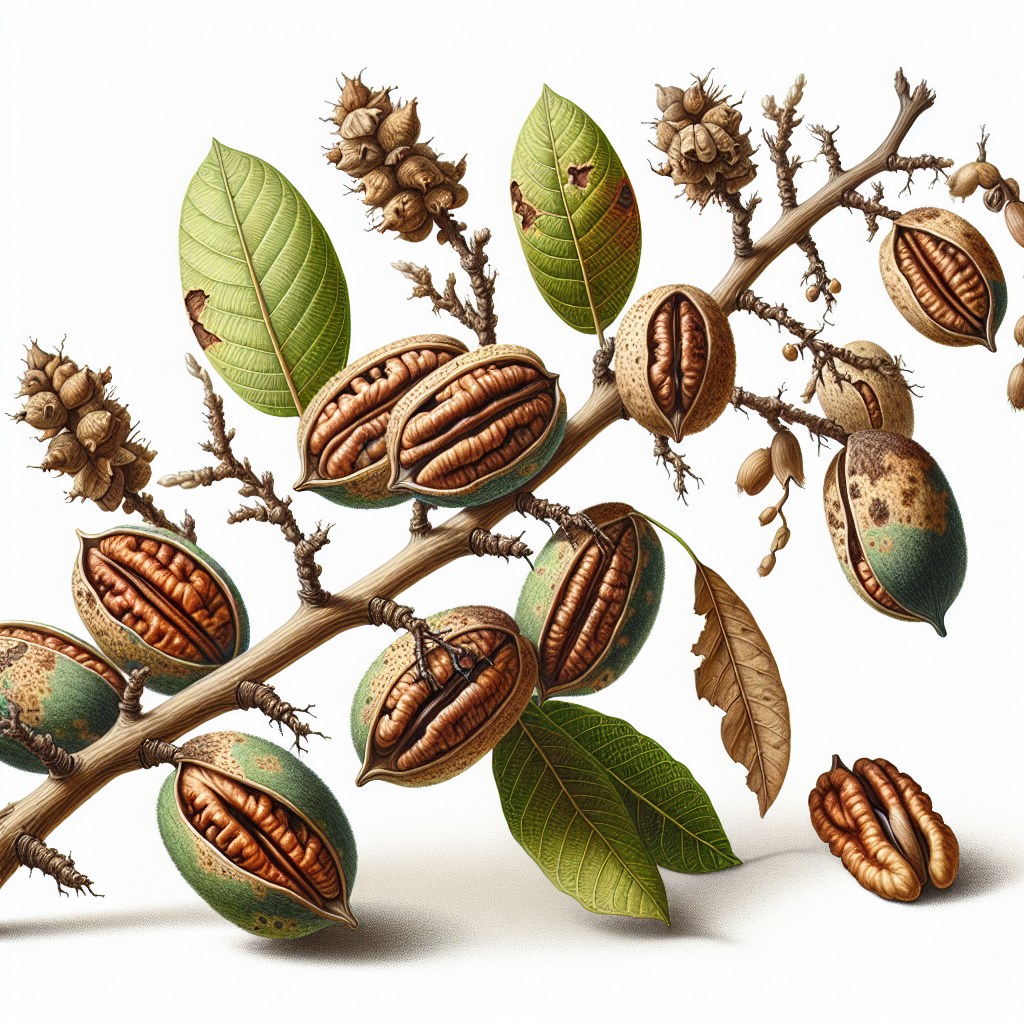
shuck disorders
Shuck disorders refer to a range of physiological abnormalities affecting the shuck (outer husk or covering) of nut crops, particularly pecans, leading to poor kernel development, premature dehiscence, and reduced yields. These non-infectious issues arise from environmental stresses, nutritional imbalances, and cultural mismanagement rather than pathogens. Effective management focuses on prevention through balanced nutrition, irrigation, and site selection.
View Profile
Sigatoka
Sigatoka, also known as banana leaf spot disease, is a devastating fungal infection primarily affecting banana plantations worldwide, caused by Mycosphaerella species. It manifests as necrotic leaf spots that reduce photosynthesis, leading to significant yield losses of up to 50% in severe cases. Effective management relies on cultural practices, resistant varieties, and targeted fungicide applications.
View Profile
Sigatoka leaf spot
Sigatoka leaf spot is a devastating fungal disease primarily affecting banana plantations worldwide, caused by Mycosphaerella musicola (yellow Sigatoka) and more aggressively by black Sigatoka. It manifests as necrotic leaf spots that reduce photosynthesis, leading to significant yield losses of up to 50% in severe cases. Effective management relies on cultural practices, resistant varieties, and targeted fungicide applications.
View Profile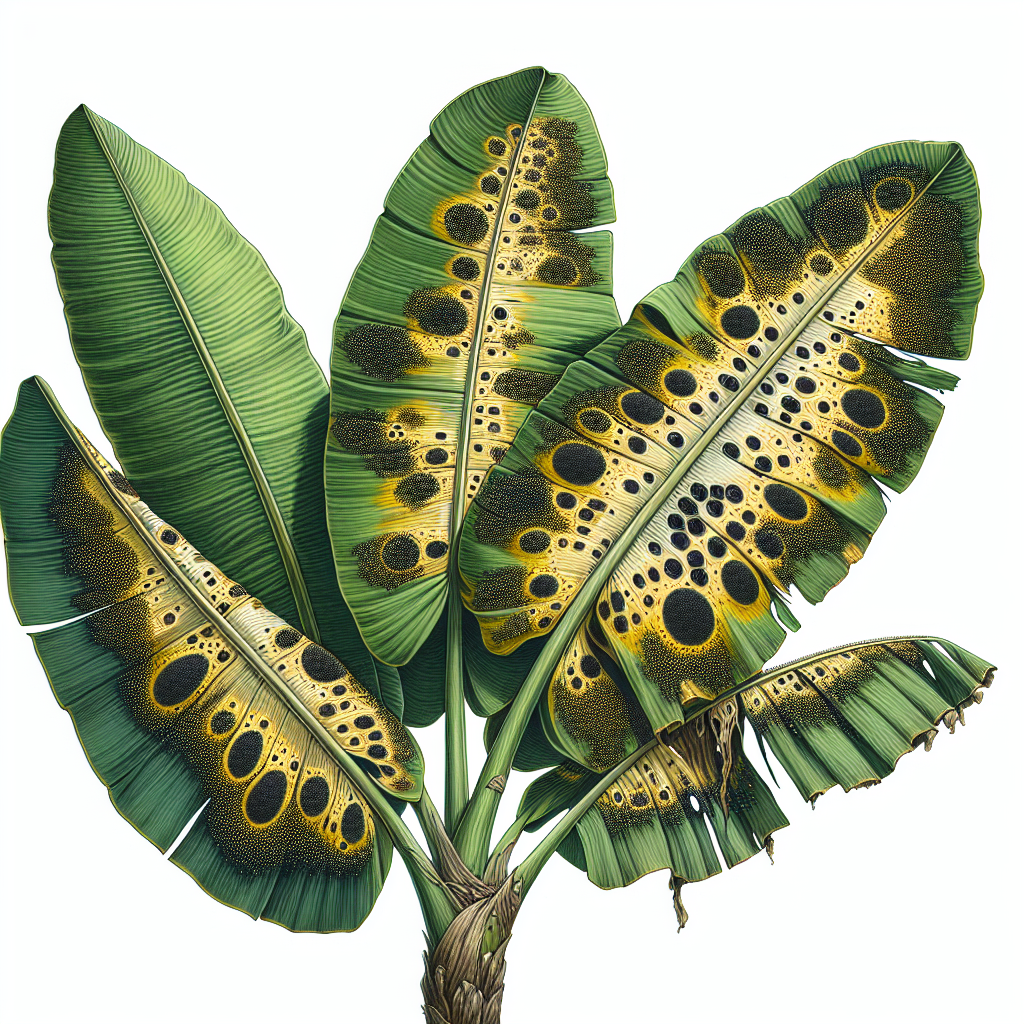
Sigatoka leaf spot diseases
Sigatoka leaf spot diseases, caused by fungal pathogens Mycosphaerella fijiensis and Mycosphaerella musicola, devastate banana plantations worldwide by reducing photosynthetic capacity through leaf necrosis. Known as black and yellow Sigatoka, these diseases spread rapidly in humid tropics, leading to significant yield losses of up to 50% if unmanaged. Effective integrated management combining cultural practices, resistant varieties, and organic fungicides is essential for control.
View Profile
Sigatoka-type leaf spot diseases
Sigatoka-type leaf spot diseases are devastating fungal infections primarily affecting banana and plantain crops, causing necrotic leaf spots that reduce photosynthesis and yield. Known as black Sigatoka and yellow Sigatoka, these pathogens thrive in humid tropical environments, leading to significant economic losses in commercial plantations. Effective management combines cultural practices, resistant varieties, and targeted organic treatments.
View Profile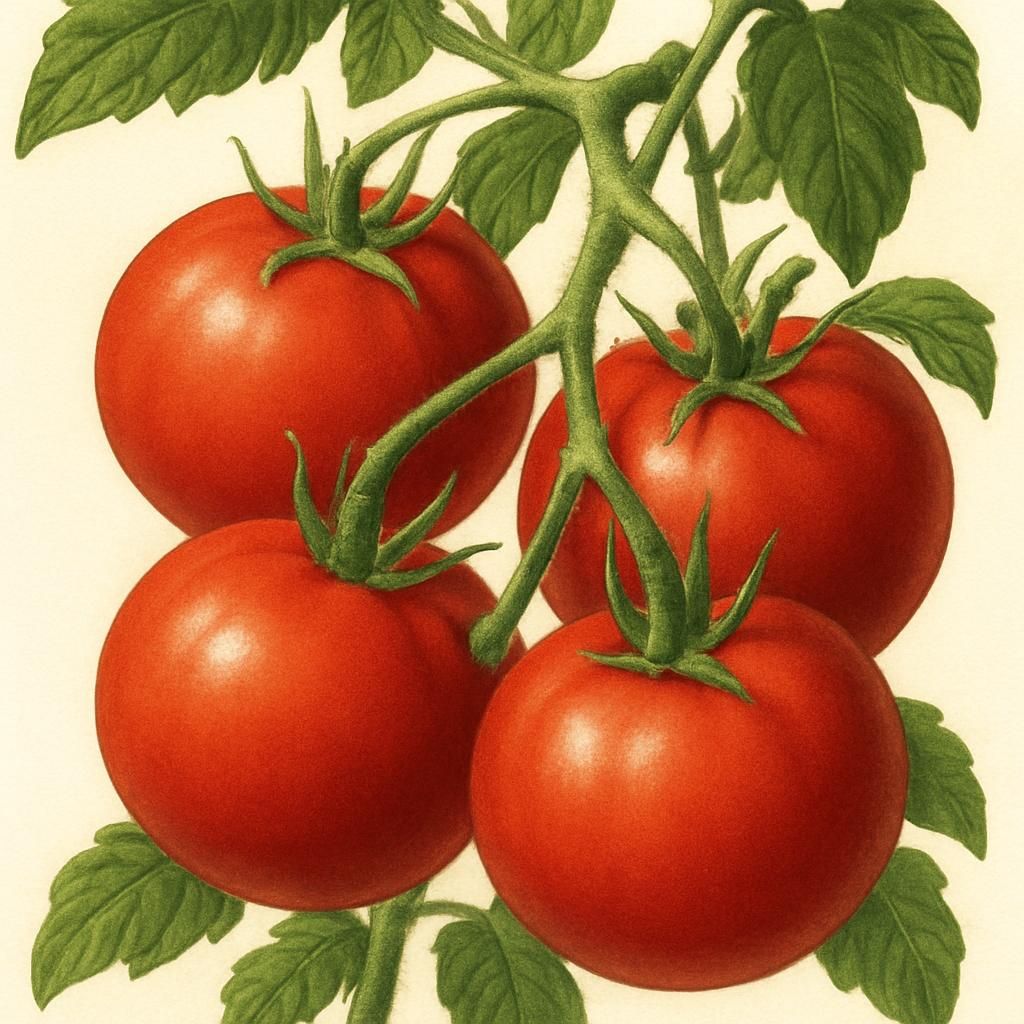
Siletz Tomato
Siletz Tomato is an early-maturing, determinate heirloom-type variety developed for cool, short-season climates. It produces medium-sized, flavorful red fruits ideal for fresh eating and canning. This guide covers every stage from soil preparation through storage.
View Guide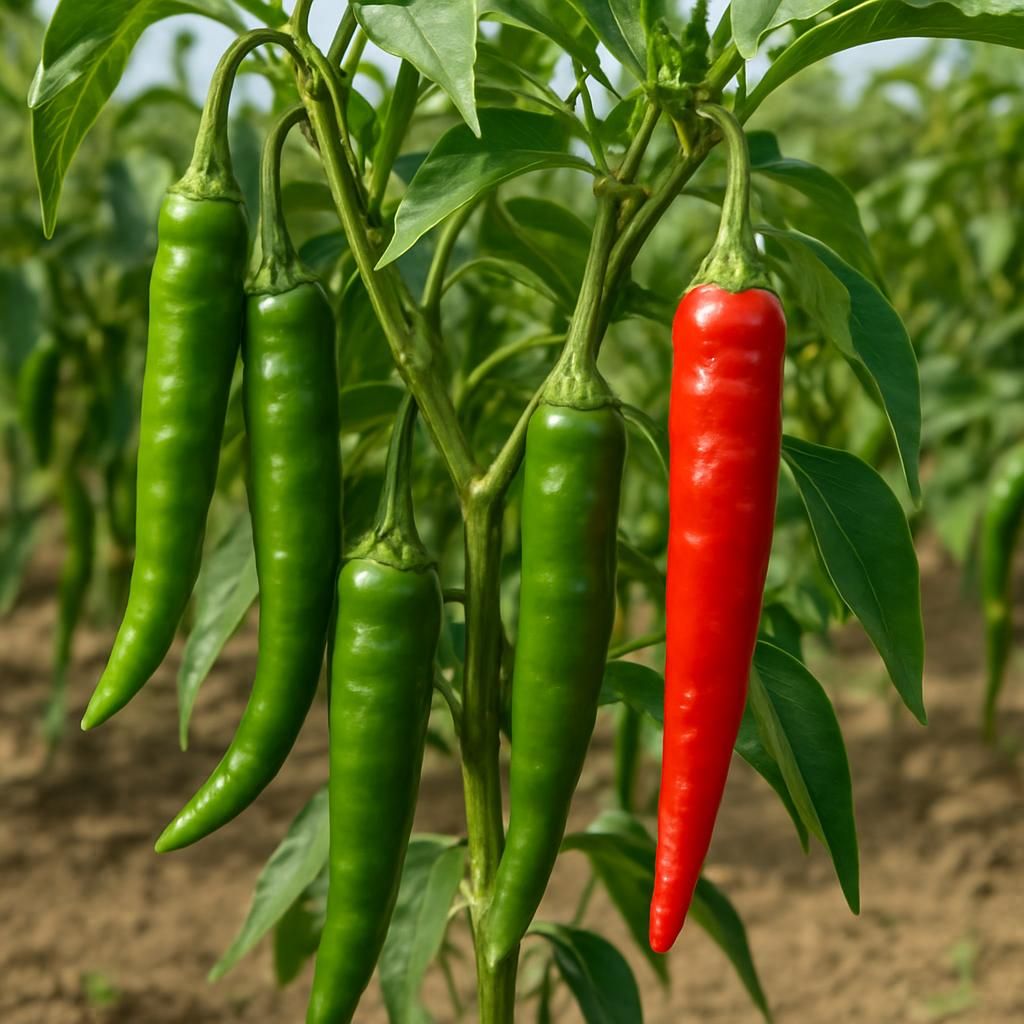
Siling Haba
Siling Haba is a long, slender Filipino chili pepper prized for its moderate heat and bright flavor. This professional guide covers soil preparation, planting, care schedules, pest management, and harvesting for reliable commercial and home yields.
View Guide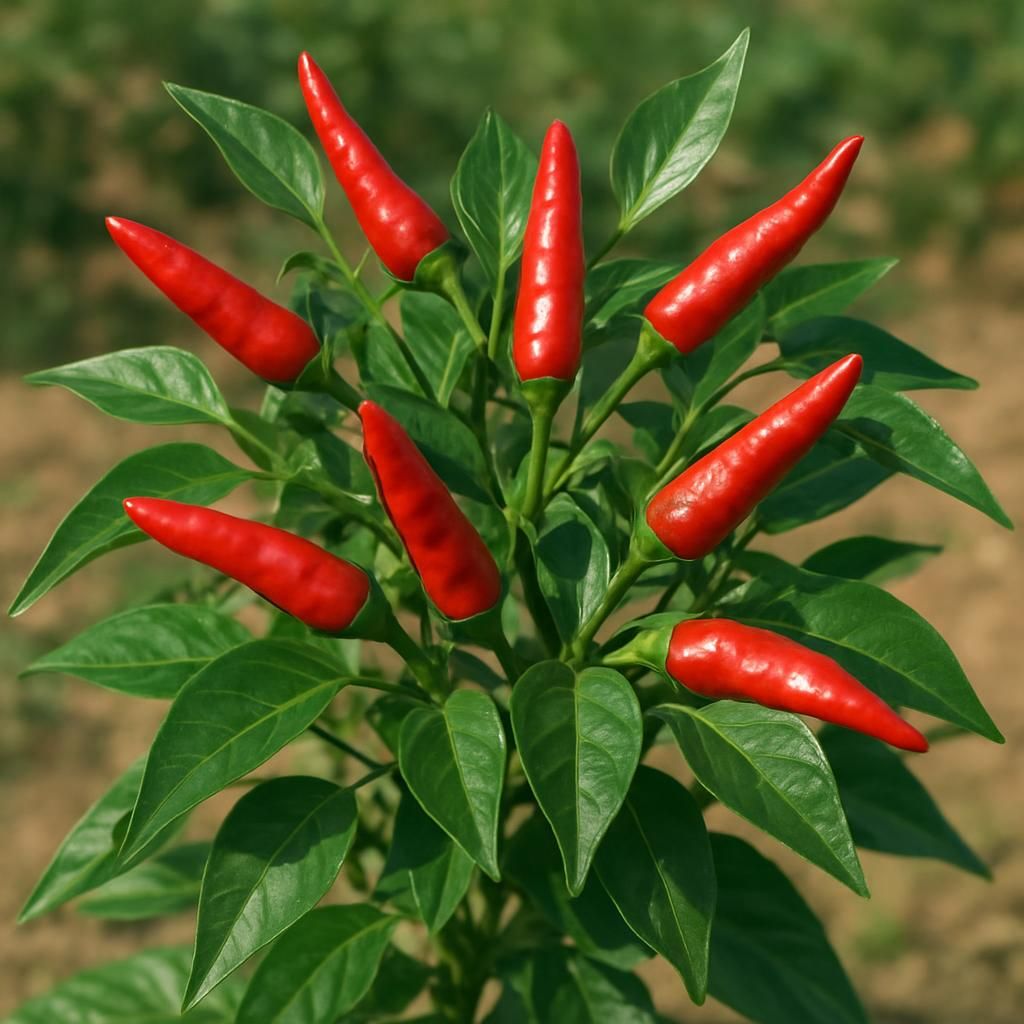
Siling Labuyo
Siling Labuyo is a small, extremely pungent Philippine chili pepper prized for its intense heat and culinary versatility. This compact, high-yielding perennial shrub thrives in tropical and subtropical climates and is widely grown for both fresh and dried markets.
View Guide
silver leaf
Silver leaf is a destructive fungal disease primarily affecting woody plants like plums, cherries, and other stone fruits, caused by the fungus Chondrostereum purpureum. It leads to silvering of leaves, branch dieback, and eventual tree death through vascular blockage. Early detection and prompt management are crucial for limiting spread in orchards and gardens.
View Profile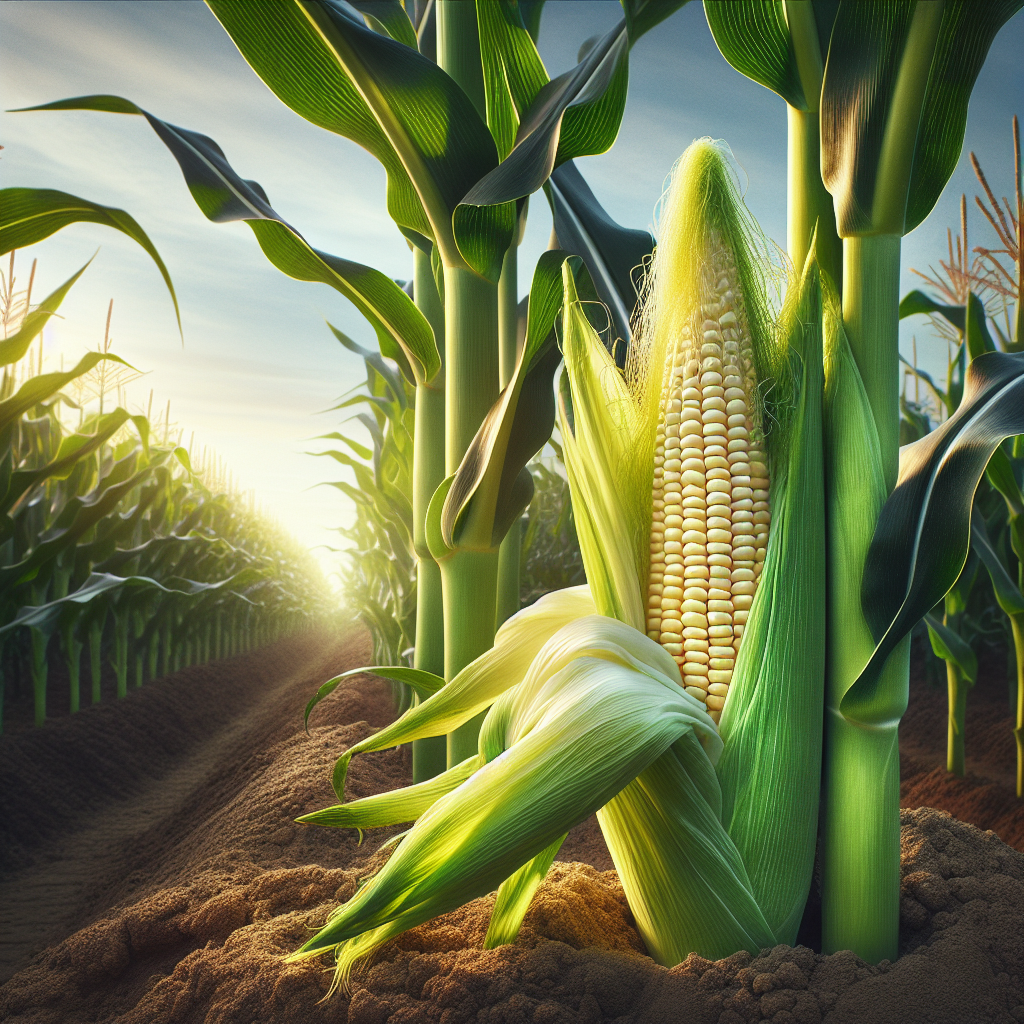
Silver Queen Sweet Corn
Silver Queen Sweet Corn is a classic late-season white sweet corn prized for its tall plants, large ears, creamy kernels, and exceptional old-fashioned sweetness. Best known in the eastern United States, it performs best in warm weather, fertile well-drained soil, and blocks planted for strong wind pollination and uniform ear fill.
View Guide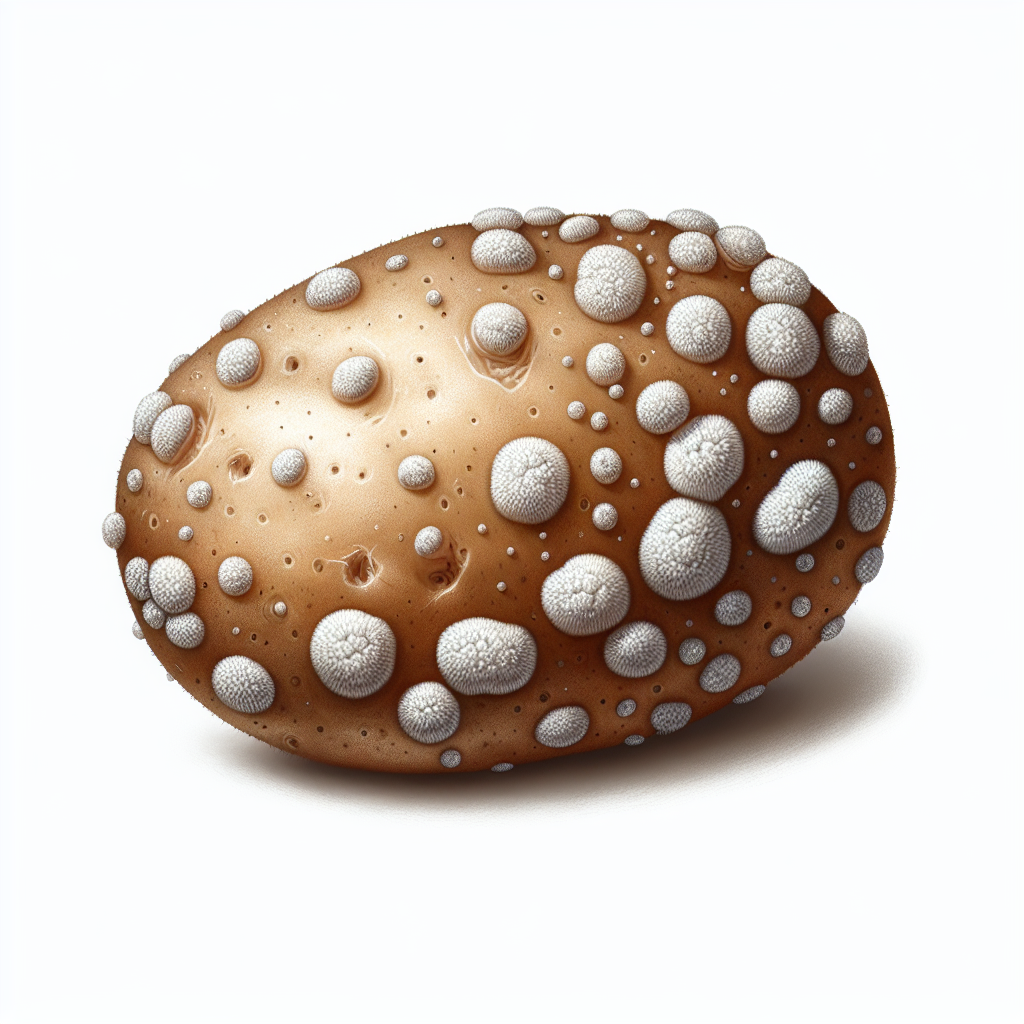
Silver Scurf
Silver scurf is a fungal disease primarily affecting potato tubers, caused by Helminthosporium solani, leading to superficial silver-gray lesions that reduce marketability and promote weight loss in storage. It thrives in cool, moist conditions during harvest and storage, making it a significant concern for potato growers worldwide. Effective management relies on cultural practices, seed tuber treatment, and vigilant post-harvest handling to minimize economic losses.
View Profile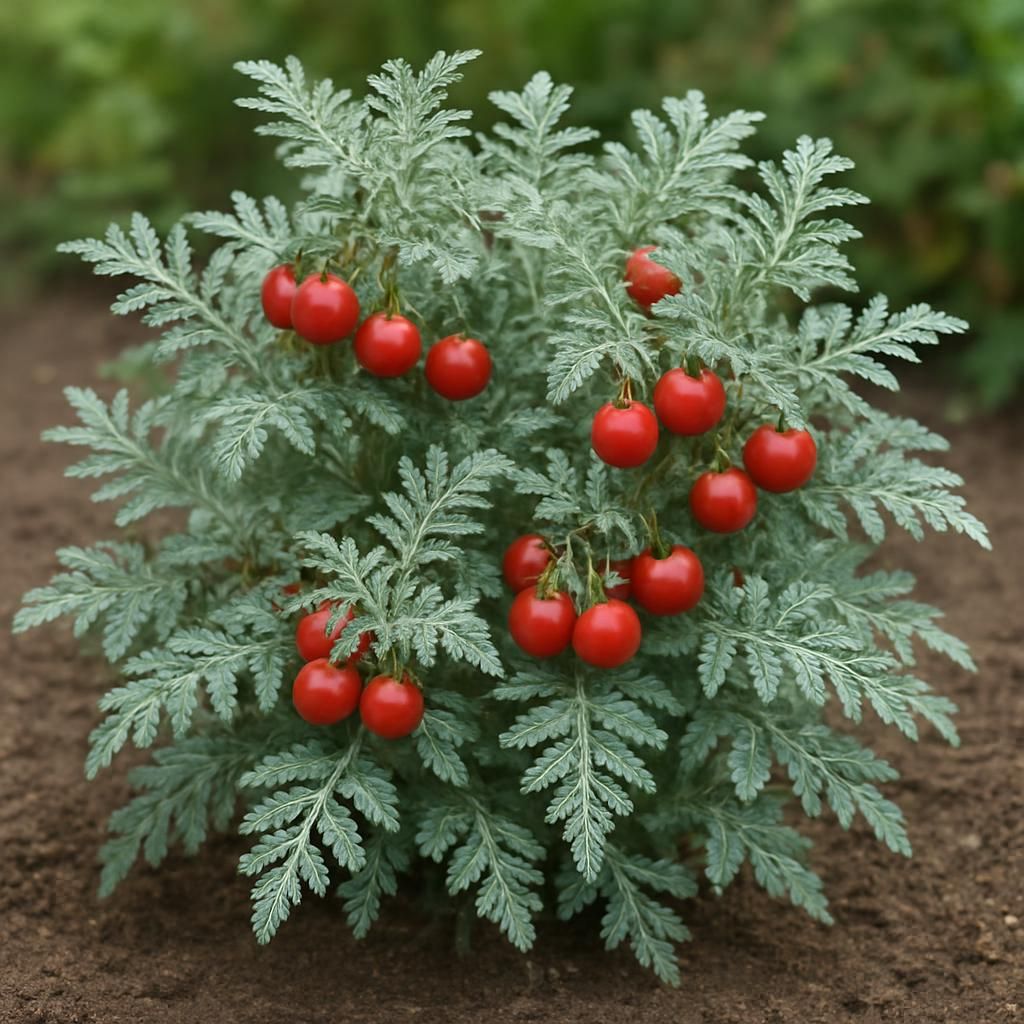
Silvery Fir Tree Tomato
The Silvery Fir Tree Tomato is a compact, highly ornamental heirloom variety known for its silvery, fern-like foliage and abundant clusters of small, flavorful red fruits. This determinate tomato reaches 24–36 inches in height, making it ideal for containers, small gardens, and intensive planting systems. It offers reliable yields with strong disease resistance and a unique aesthetic that distinguishes it from standard tomato cultivars.
View Guide
Six-Row Barley
Six-row barley is a cool-season cereal grain valued for feed, malting, forage, and cover-cropping, distinguished by its dense heads bearing six aligned rows of kernels. It is generally more adaptable and hardy than many specialty barley types, but high yields and good grain quality depend on precise timing, moderate fertility, careful water management, and strong disease prevention.
View Guide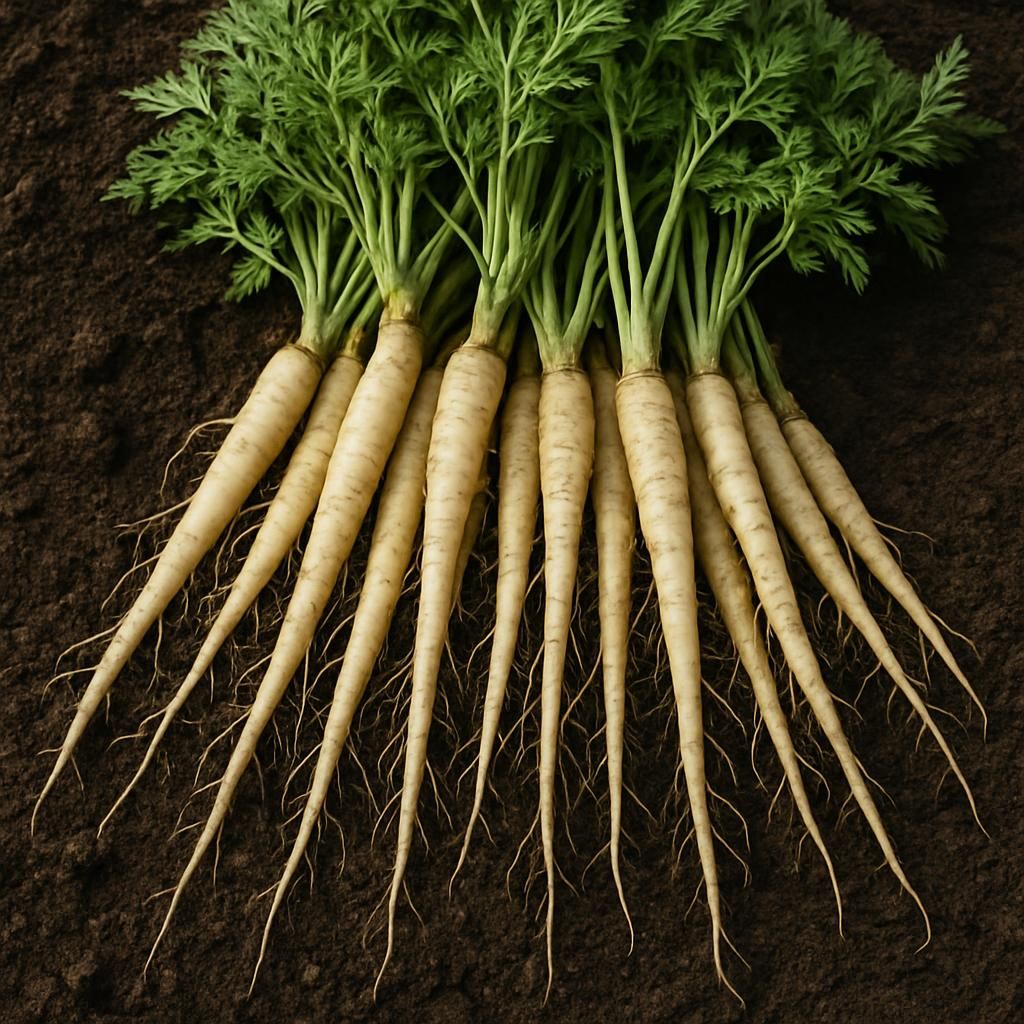
Skirret (Sium sisarum)
Skirret is a hardy perennial root vegetable prized for its sweet, nutty, white taproots that have been cultivated in Europe since Roman times. It offers reliable cool-season production, tolerates heavy soils, and delivers high-value specialty produce for home gardeners and small farms seeking heritage crops.
View Guide
Slow decline
Slow decline is a insidious root and vascular disease caused primarily by Phytophthora species, leading to gradual tree and vine deterioration over years. It manifests as subtle canopy thinning, reduced vigor, and eventual dieback, often mistaken for environmental stress. Effective management relies on soil health optimization, resistant rootstocks, and organic biocontrols to halt progression.
View Profile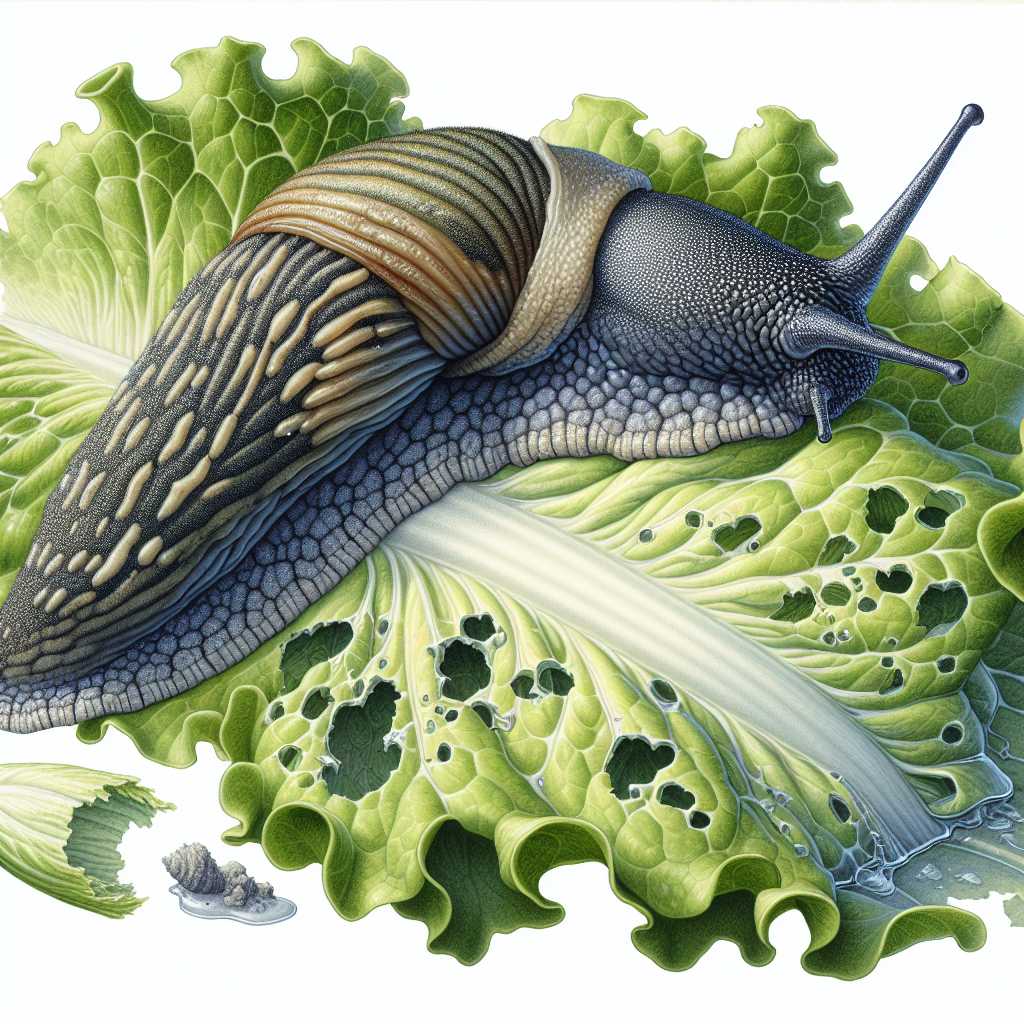
Slugs
Slugs are soft-bodied mollusks that devastate crops by chewing irregular holes in leaves, stems, and fruits, thriving in moist environments worldwide. This guide provides definitive diagnostics, lifecycle insights, organic management strategies, and prevention tactics for farmers battling slug infestations. Protect your yields with proven agricultural expertise tailored for small farms and gardens.
View Profile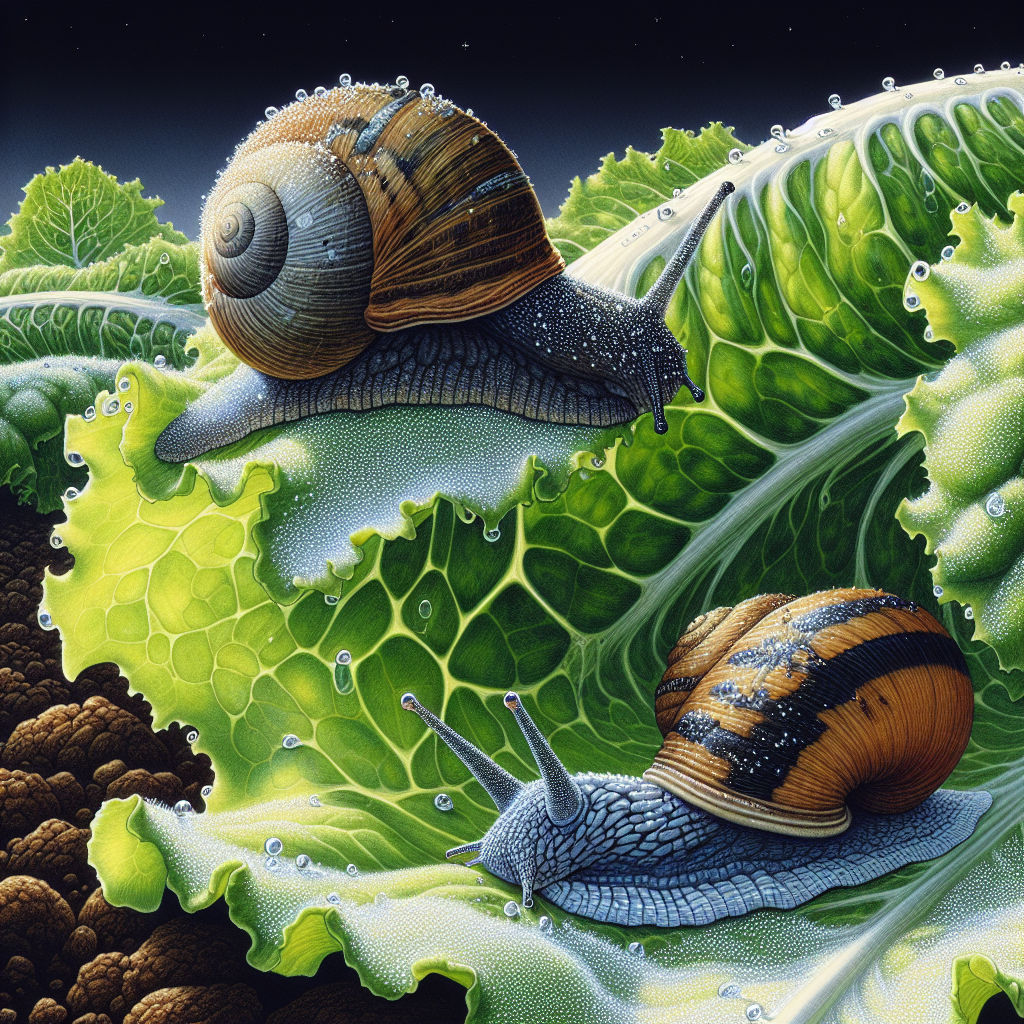
Slugs and snails
Slugs and snails are voracious mollusks that devastate seedlings, leaves, and fruits in moist environments, leaving characteristic slime trails and irregular holes. This guide provides definitive identification, lifecycle insights, organic controls, and prevention strategies for farmers and gardeners. Effective management combines cultural practices, barriers, and natural predators to protect crops year-round.
View Profile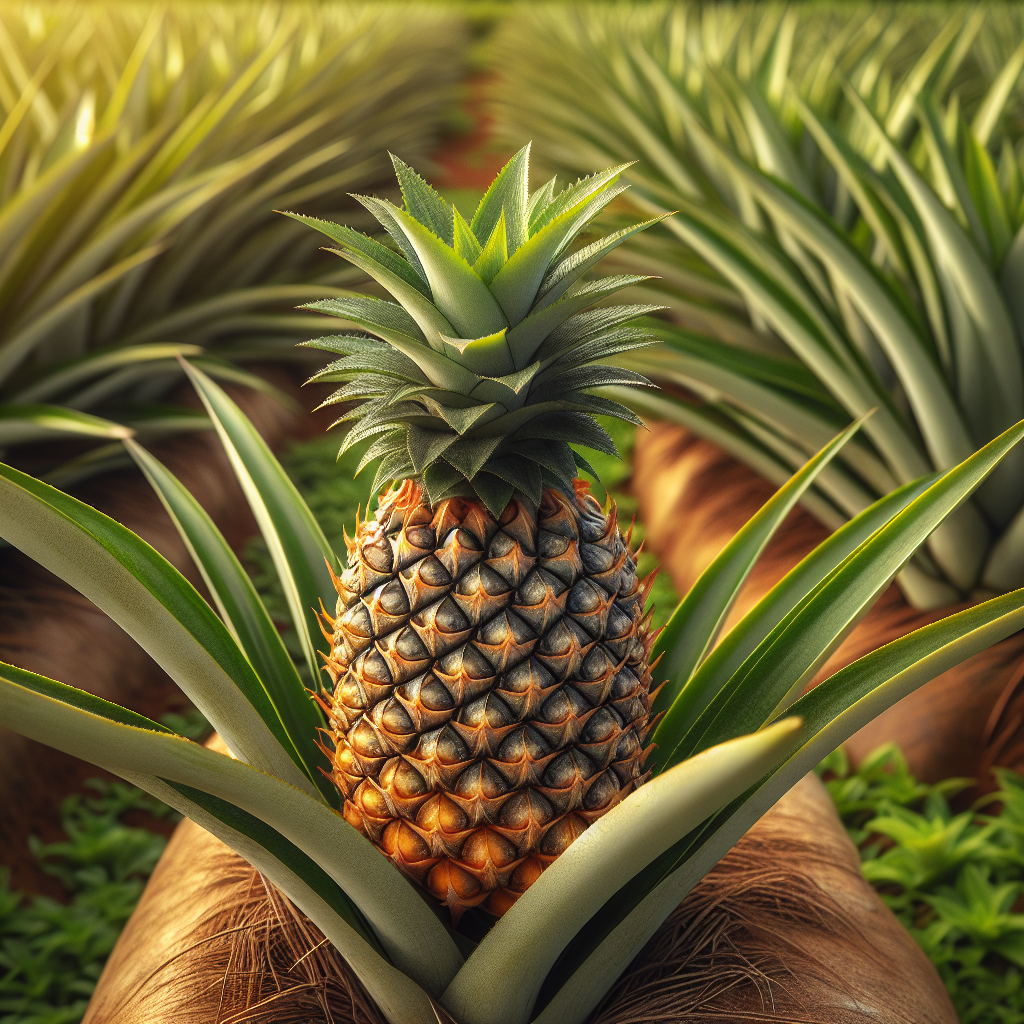
Smooth Cayenne Pineapple
Smooth Cayenne Pineapple is one of the most historically important commercial pineapple types, valued for its large, cylindrical fruit, pale yellow flesh, high juice content, and balanced sweet-acid flavor. It performs best in warm, frost-free tropical to subtropical climates with sharply drained, slightly acidic soils and careful moisture management to prevent root and heart rot.
View Guide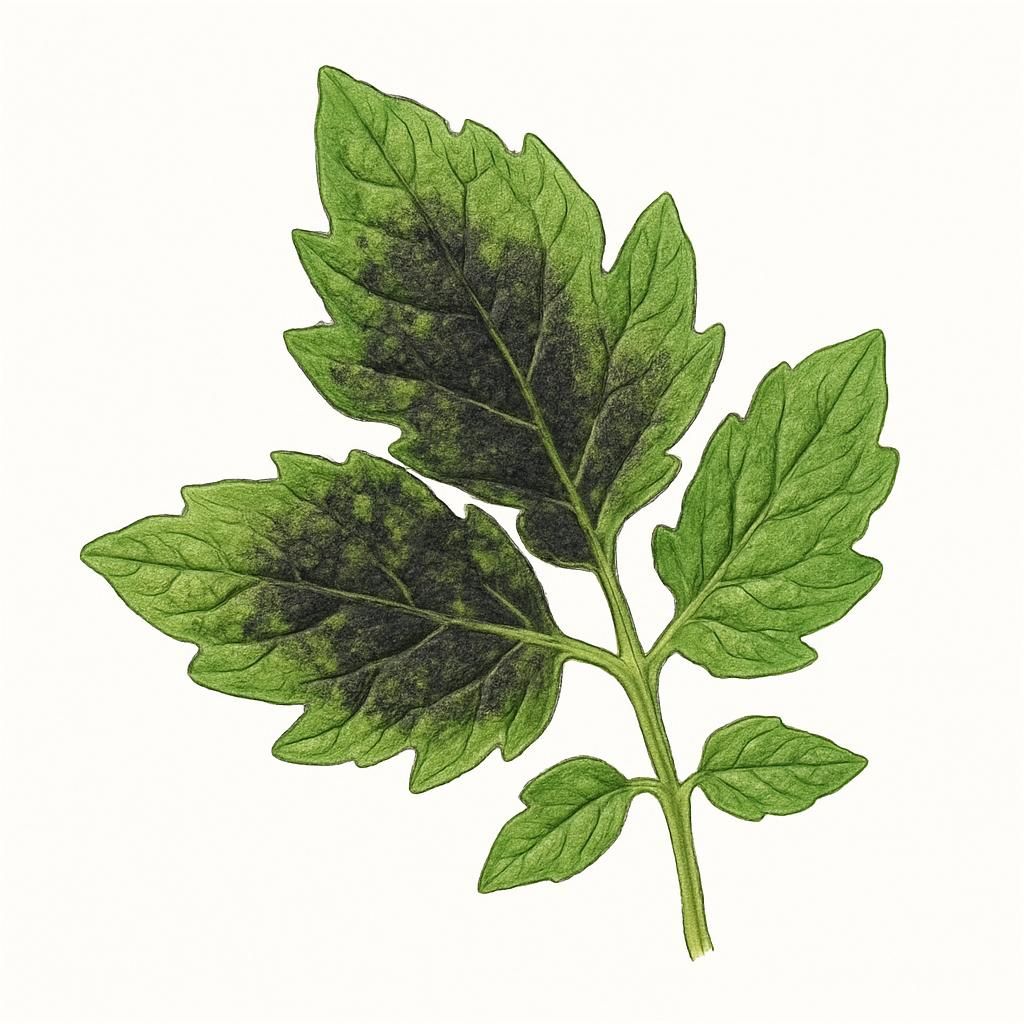
smudge
Smudge is a superficial sooty mold caused by Cladosporium fuligineum that coats leaves, stems, and fruits in a dark, powdery film. It thrives on honeydew from sap-feeding insects and rarely penetrates plant tissue but reduces photosynthesis and market value. Effective control centers on managing the underlying insect populations and improving airflow.
View Profile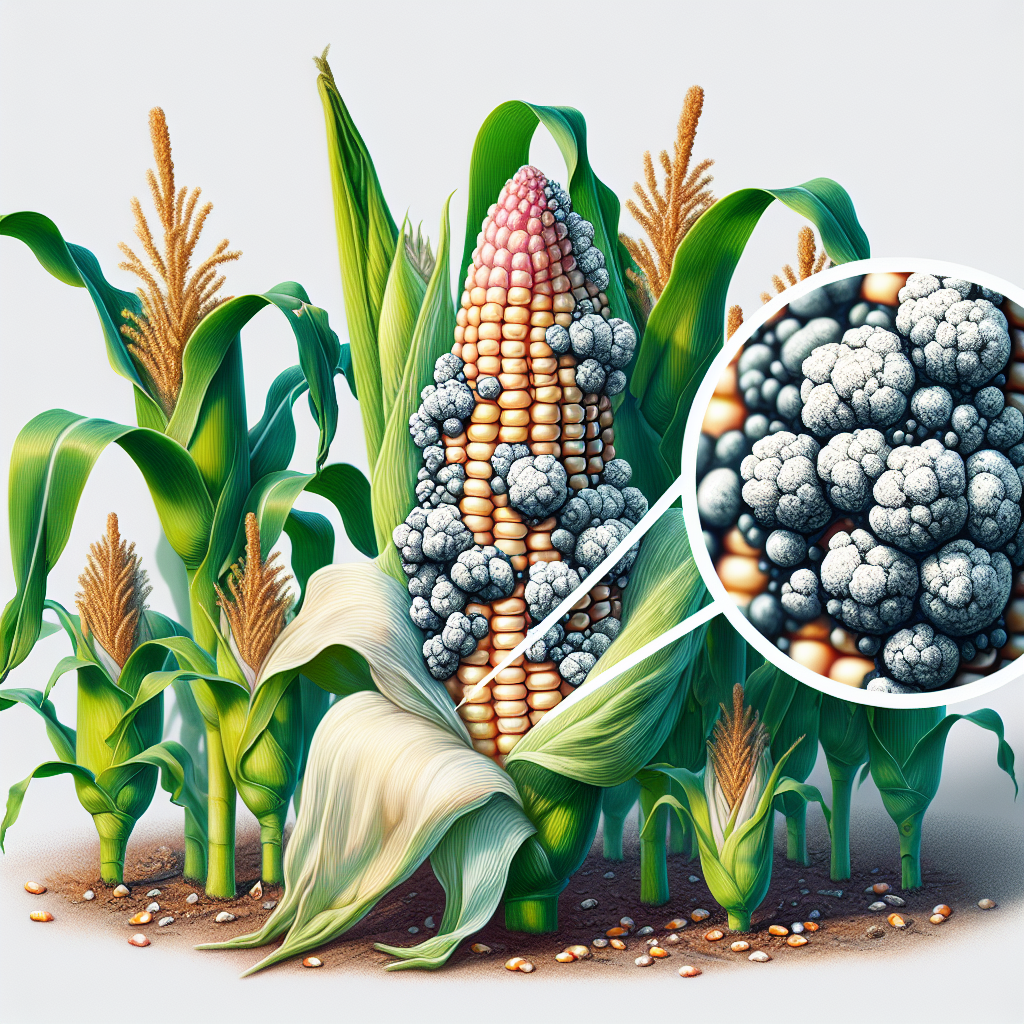
Smut
Smut is a group of fungal diseases affecting cereal crops and grasses, characterized by the production of black, powdery spore masses that replace plant tissues. Common in corn, wheat, rice, and sorghum, it leads to significant yield losses if unmanaged. Effective control relies on resistant varieties, seed treatment, and cultural practices.
View Profile