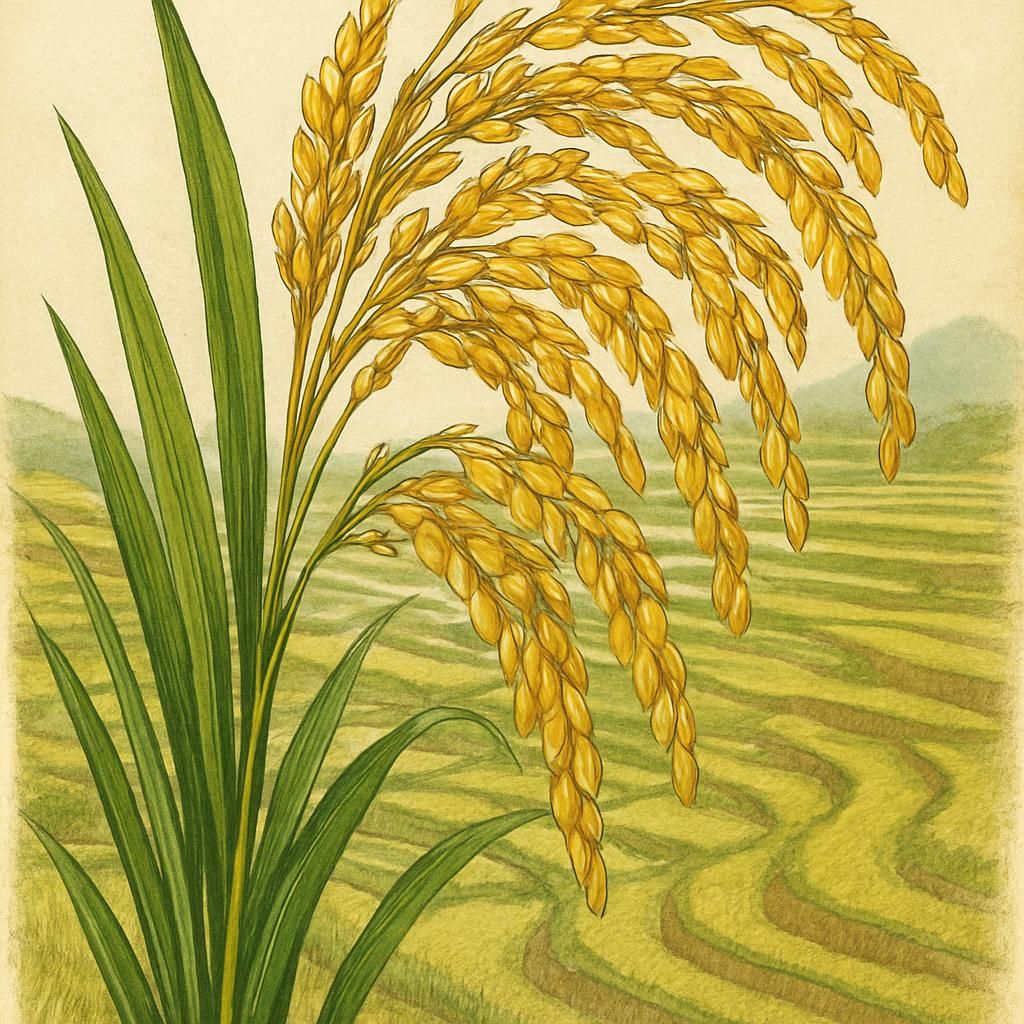
Introduction to Sherpa Rice
Sherpa Rice, a cultivar adapted to high-altitude regions, is celebrated for its resilience and robust flavor. Originating from mountainous areas, it thrives in cooler climates where other rice varieties might struggle. This guide delves into the technical aspects of cultivating Sherpa Rice, offering insights into optimal growth conditions, planting regimes, and maintenance tips.
Botanical Profile of Sherpa Rice
Sherpa Rice (Oryza sativa) belongs to the Poaceae family, known for its robust stature and elongated grains. The seeds are long and slender, with a pleasing aroma that enhances culinary dishes. Its adaptability to harsh, cold conditions makes it a staple for communities residing in higher altitudes.
Soil, pH, and Climate Requirements for Sherpa Rice
The success of Sherpa Rice largely depends on the environment in which it is cultivated. Unlike traditional rice varieties, Sherpa Rice prefers cooler temperatures and unique soil conditions.
| Factor | Ideal Condition |
|---|---|
| Soil Type | Well-drained, loamy soil |
| pH Level | 5.5 - 6.5 |
| Climate | Cool to mild, high-altitude environment |
| Temperature | 20°C - 25°C (68°F - 77°F) |
| Rainfall | 1000-1500 mm annually |
Step-by-Step Planting & Propagation
- Site Selection: Choose a location that offers partial sun exposure and good drainage.
- Soil Preparation: Till the soil thoroughly, incorporating organic matter to enhance fertility. Adjust pH if necessary using lime or sulfur amendments.
- Seed Selection: Opt for certified Sherpa Rice seeds to ensure genetic purity and vigor.
- Sowing: Plant seeds in prepared nursery beds approximately 1 cm deep and 15 cm apart.
- Transplantation: After 4-5 weeks, transplant seedlings into the main field with 30 cm spacing to facilitate growth and reduce competition.
Care & Maintenance Regimes for Sherpa Rice
Proper care is essential to cultivate a thriving crop of Sherpa Rice. Regular monitoring and timely interventions can mitigate most challenges.
| Task | Frequency | Notes |
|---|---|---|
| Watering | Weekly | Adequate moisture without waterlogging |
| Fertilization | Bi-monthly | Use a balanced NPK fertilizer |
| Pruning/Weeding | As necessary | Remove weeds to minimize competition |
Pests, Diseases & Organic Management
Sherpa Rice is susceptible to pests such as Spider Mites and diseases like blast. Employ integrated pest management (IPM) techniques:
- Neem Oil: Apply to deter Spider Mites and other pests organically.
- Cultural Practices: Rotate crops and remove affected plants to prevent Root Rot.
- Biological Control: Introduce beneficial insects like ladybugs to manage pest populations naturally.
Harvesting, Curing & Optimal Storage
- Harvesting: Monitor grain maturity; harvest when grains are firm and golden.
- Curing: Allow grains to dry in the sun for several days to reduce moisture content.
- Storage: Store in cool, dry conditions in airtight containers to prevent mildew and pests.
Companion Planting for Sherpa Rice
Strategic companion planting can enhance the growth of Sherpa Rice while deterring pests:
- Marigold: Beneficial for repelling nematodes and other soil-borne pests.
- Soybeans: Improves soil nitrogen content, boosting rice growth.
For more about strategic planting, check out our blog post on Summer Companion Planting: 10 Organic Pairings to Boost Small Farm Resilience.
Explore more about different rice cultivars in our Rice section!