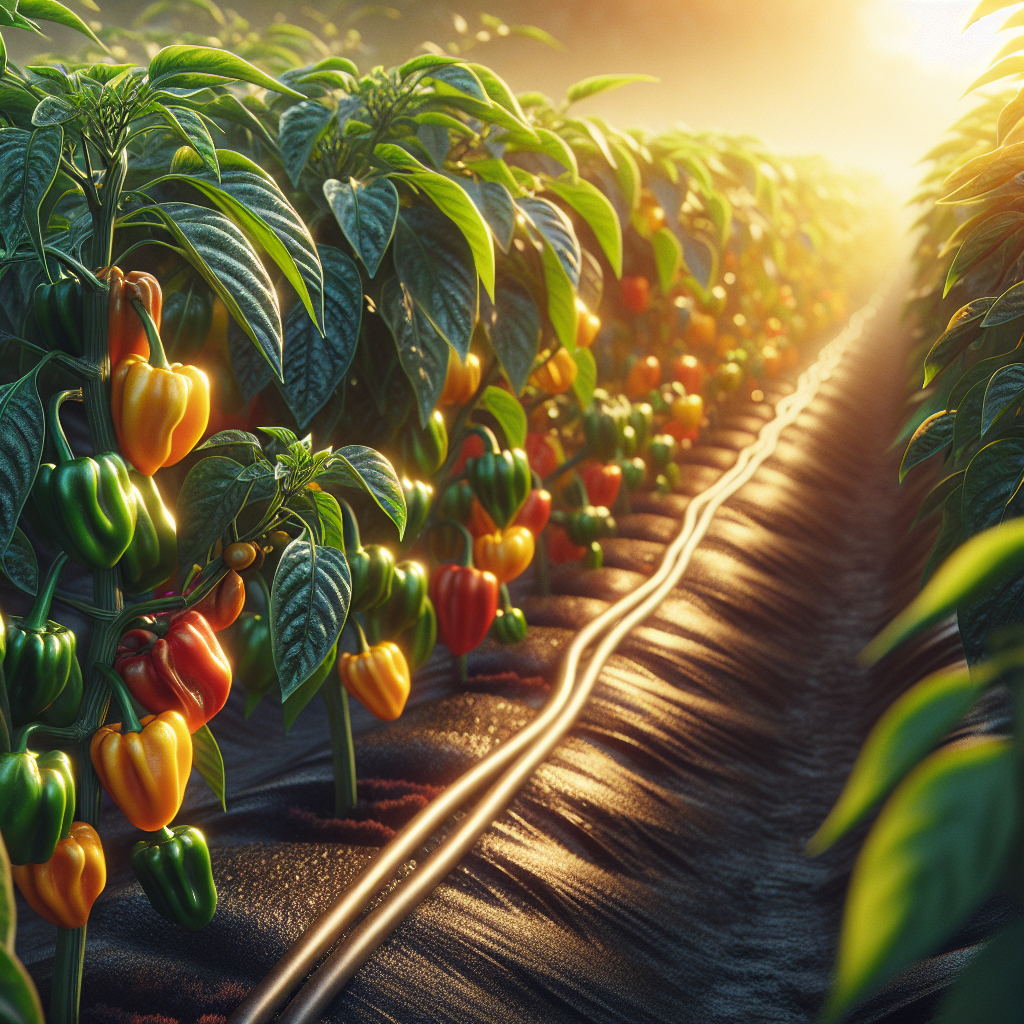
Introduction to Scotch Bonnet Pepper
A cornerstone of Caribbean cuisine, this pepper is famous for delivering both searing pungency and a surprisingly sweet, tropical fruit character with hints often described as apricot, citrus, and floral spice. It is especially associated with Jamaica and neighboring islands, where it is used in pepper sauces, jerk marinades, stews, and fresh condiments. In culinary terms, Scotch Bonnet is not merely “a hot pepper”; it is valued because its aroma survives cooking and adds depth that many other hot cultivars lack.
Heat typically ranges from about 100,000 to 350,000 Scoville Heat Units, though environment, cultivar selection, and plant stress can shift pungency higher or lower. That places it in the same broad heat class as habanero, but growers and cooks often distinguish Scotch Bonnet by its squat, lobed, bonnet-like fruit form and more rounded, fruit-forward flavor. If you want a reference point within the broader hot pepper category, see our Ghost Pepper guide, which highlights how flavor and heat can vary significantly among high-pungency peppers.
For growers, this is a long-season crop that rewards patience. It germinates more slowly than many common vegetables, demands sustained warmth, and can be sensitive to cold soil, waterlogging, and abrupt nutrient excesses. In return, healthy plants can become highly productive shrubs loaded with lantern- to bonnet-shaped fruits in shades of green, yellow, orange, red, or chocolate depending on strain. In tropical and subtropical climates it may behave as a short-lived perennial, but in most temperate production systems it is grown as an annual.
Commercially and in serious home production, Scotch Bonnet is best approached as a premium specialty pepper: one that benefits from nursery precision, careful transplant timing, mulching, and vigilant pest management. Successful growers focus on root-zone warmth, even moisture, calcium balance, and insect exclusion early in the season.
Botanical Profile of Scotch Bonnet Pepper
This pepper belongs to the species Capsicum chinense, despite the misleading species name, which does not indicate Chinese origin. Capsicum chinense peppers are generally associated with tropical American domestication pathways and are characterized by strong aroma, high capsaicinoid content, and relatively long maturation periods compared with many Capsicum annuum types.
Plants usually form branching, bushy canopies 60-120 cm tall and 45-90 cm wide, though size depends heavily on season length, fertility, and container versus field culture. Leaves are generally medium green, smooth, and thinner than many sweet pepper leaves. Flowers are small, white to greenish-white, often solitary or borne in pairs, and self-fertile, though insect activity and airflow can improve fruit set under protected culture.
The fruits are the defining feature. True Scotch Bonnet types tend to be flattened and wrinkled with three to four lobes, giving the appearance of a tam o' shanter cap or bonnet. Some seed lines sold as Scotch Bonnet drift toward habanero-like lantern shapes, so source seed from a reputable supplier if varietal authenticity matters. Immature fruit is usually green, then ripens to bright yellow, orange, or red. Yellow-fruited strains are especially iconic in Caribbean markets.
The crop’s pungency comes from capsaicinoids concentrated mainly in the placental tissue, not just the seeds. Environmental stress can influence both heat and flavor. Moderate water stress near ripening may intensify pungency somewhat, but severe drought reduces plant health and marketable yield. Genotype remains the strongest driver of heat.
Physiologically, Scotch Bonnet is more cold-sensitive than many bell or jalapeño types. Growth slows sharply below about 18°C, pollen viability declines under cool nights, and root activity becomes erratic in cold, wet soils. This sensitivity explains why otherwise fertile fields can produce disappointing stands if transplanting occurs too early.
Soil, pH, and Climate Requirements for Scotch Bonnet Pepper
This crop performs best in fertile, well-drained loam or sandy loam with strong organic matter content and good aeration. Ideal soil texture is one that holds steady moisture but never remains saturated after irrigation or rain. In practical terms, a suitable field should drain well enough that standing water disappears within a few hours after heavy rain. Beds that stay soggy for a day or more materially increase the risk of root rot, edema, nutrient lockout, and stunted plants.
Target soil pH is 6.0-6.8, with an optimum around 6.2-6.5. Below pH 5.8, calcium and magnesium availability can become limiting and aluminum or manganese issues may increase, especially in tropical soils. Above pH 7.0, iron, manganese, and phosphorus uptake often becomes less efficient, leading to chlorosis and weak growth. A pre-plant soil test is strongly recommended because peppers are highly responsive to balanced fertility but often decline when pushed with excessive nitrogen.
Organic matter in the 3-5% range is excellent for field production. Well-finished compost can improve moisture buffering, cation exchange, and microbial activity, but avoid fresh manure immediately before planting because it can cause excessive vegetative growth, delayed fruiting, and elevated disease pressure. Raised beds 15-25 cm high are particularly helpful in humid or high-rainfall regions.
Temperature is the most important climate factor. Optimal daytime temperatures are roughly 24-32°C, with nights between 18-24°C. Below 15°C, growth slows dramatically; below 10°C, chilling injury may occur. Extended temperatures above 35°C can also impair fruit set, especially when accompanied by low humidity and hot winds that desiccate blossoms.
Scotch Bonnet thrives in full sun, ideally 8 or more hours daily. However, in extremely hot inland climates, light afternoon shade can reduce sunscald and flower drop. Humidity is generally tolerated better by this crop than by some temperate peppers, but high humidity without airflow increases foliar disease pressure. Therefore, warm and humid is acceptable if paired with spacing, pruning restraint, and air movement.
Consistent soil moisture is critical. Aim to keep the root zone uniformly moist at roughly 60-80% of field capacity. In practical field terms, the soil should feel cool and slightly damp 5-8 cm below the surface, crumble in the hand, and form a weak ball when squeezed, rather than feeling muddy or powder dry. Signs of overwatering include persistent leaf droop despite wet soil, yellowing lower leaves, edema-like corky blisters, slow growth, and a sour smell in the root zone. Signs of underwatering include midday wilting that persists into evening, blossom drop, small thickened fruit, and uneven ripening.
Mulch is strongly beneficial. Black plastic mulch improves root-zone temperature in cooler regions and suppresses weeds. Organic mulch such as straw can also work once soils are fully warm, helping buffer moisture swings and limiting soil splash. For a broader fertility and soil-building framework, review soil health strategies.
Step-by-Step Planting & Propagation
Start with high-quality seed because this crop already has a naturally slower germination pattern than many vegetables. Sow seeds 8-12 weeks before the intended transplant date. In cooler climates, longer lead time is often necessary because seedlings can remain compact until warm conditions arrive.
Use a sterile, fine-textured propagation mix with excellent drainage. Sow seeds 0.5-1 cm deep in plug trays or cell packs. The single most important germination factor is bottom heat: maintain media temperature at 27-32°C. At these temperatures, germination may begin in 7-14 days, though some lots take 21 days or longer. Without warmth, emergence becomes uneven and losses rise sharply.
Once seedlings emerge, provide very bright light immediately. Grow-on temperatures around 22-26°C by day and 18-22°C at night are ideal. Avoid letting seedlings stall in cool rooms, as this creates short, stressed plants with delayed establishment. Water lightly but consistently; the medium should remain moist, not saturated. Seedlings are especially vulnerable to damping off if trays stay wet and air movement is poor.
When the first true leaves appear, begin feeding with a diluted balanced fertilizer or fish/seaweed-based liquid feed at one-quarter to one-half strength. Increase gradually as plants size up. If seedlings become dark green, lush, and soft-stemmed, reduce nitrogen and improve light intensity.
Pot up if roots fill the cells well before outdoor planting. Moving into 8-10 cm pots can prevent root binding and preserve vigor. Harden seedlings for 7-10 days before transplanting, but do not expose them to cold nights below 15°C. Hardening should mean gradual acclimation to sun, wind, and reduced pampering, not chilling stress.
Transplant only after frost danger has passed and the soil is thoroughly warm, ideally at least 18°C. In field production, space plants 45-60 cm apart in rows 75-100 cm apart. In high-fertility tropical systems where plants become large, wider spacing improves airflow and harvest access. In containers, use at least 15-20 liters per plant, though 25 liters or more supports higher yields.
At planting, set transplants at the same depth they grew in the pot. Unlike tomatoes, peppers do not typically benefit from deep stem burial. Water in thoroughly to settle the soil around the root ball, then maintain even moisture for the first two weeks while roots extend into surrounding soil.
Direct seeding is generally not recommended except in very warm tropical climates with long seasons and reliable pest control. Transplants provide a significant advantage in uniformity, weed competition, and earliness.
Care & Maintenance regimes for Scotch Bonnet Pepper
Early establishment determines the entire season’s performance. During the first 14-21 days after transplanting, prioritize root health over rapid top growth. Irrigate enough to keep the transplant root ball and adjacent soil evenly moist, but do not flood beds. Frequent light irrigation can be useful for the first week in sandy soils, after which deeper, less frequent watering is preferable to encourage root expansion.
As plants enter active vegetative growth, most field-grown Scotch Bonnets do well with about 25-40 mm of water per week, adjusted for soil type, mulch, wind, and temperature. Sandy soils may require smaller, more frequent applications, while loams can take deeper irrigation less often. Drip irrigation is ideal because it keeps foliage dry and allows precise fertigation.
Nitrogen management should be moderate. Excess nitrogen creates oversized canopies, delayed flowering, softer tissues, and greater susceptibility to aphids and mites. A practical fertility program often includes a balanced pre-plant amendment, then side-dressing or fertigation once plants begin branching, followed by increased potassium demand during flowering and fruit fill. Calcium is especially important for fruit quality. In inconsistent moisture conditions, even adequate calcium in soil may not move effectively into fruit, resulting in blossom-end rot. Maintain steady soil moisture and avoid sudden flushes of growth.
A general nutrient uptake pattern is: moderate nitrogen early, then balanced nitrogen with stronger potassium and adequate calcium and magnesium from first flowering onward. Foliar feeds can correct minor micronutrient shortages temporarily, but root-zone correction is more durable. Magnesium deficiency typically shows as interveinal yellowing on older leaves; iron deficiency appears as yellowing on younger leaves, often in high-pH conditions.
Staking is optional but useful. Heavily laden plants can sprawl, especially after rain. A single stake per plant or a low basket-weave support system helps keep fruit off the soil and reduces branch breakage. Minimal pruning is usually best. Remove only damaged, diseased, or ground-contacting foliage and avoid severe canopy stripping, which can expose fruit to sunscald.
Weed control is important because peppers compete poorly during early growth. Mulch, shallow cultivation, and hand weeding are safer than deep hoeing, which can damage feeder roots near the soil surface. Never hill soil tightly around stems in wet conditions, as this can trap moisture and promote stem rot.
In protected culture or overwintering systems, Scotch Bonnet can produce for many months. If maintaining plants beyond one season in frost-free areas, lightly prune after a heavy harvest flush, refresh fertility, and scout carefully for persistent pest populations.
Pests, Diseases & Organic Management
The most common insect pests are aphids, whiteflies, thrips, spider mites, and pepper maggot in affected regions. aphids cluster on tender growth and flower stems, excreting honeydew that supports sooty mold. whiteflies weaken plants and can vector viruses. thrips are particularly damaging because they scar flowers and young fruit and can transmit tomato spotted wilt virus. spider mites proliferate in hot, dry conditions and cause stippled leaves, bronzing, and webbing.
Organic management starts with prevention. Use insect netting or row covers early, removing them once plants need unrestricted flowering or when temperatures under cover become excessive. Maintain weed control around beds because many weeds harbor insect vectors and viruses. Avoid excess nitrogen, which makes growth lush and attractive to sucking insects.
Beneficial insects are valuable allies. Flowering borders and companion species can support lacewings, hoverflies, and parasitic wasps. Strong water sprays can suppress aphids on small plantings. Insecticidal soap works against soft-bodied pests if coverage is thorough and applications are repeated. Neem-based products may help, but they should be used carefully in high heat and not during peak pollinator activity. Horticultural oils can suppress mites and whiteflies, though repeated use requires attention to leaf burn risk.
Diseases include bacterial leaf spot, anthracnose, phytophthora blight, powdery mildew in some climates, damping off in propagation, and several viral diseases such as cucumber mosaic virus, tobacco mosaic virus, and tomato spotted wilt virus. Viral infections often cause mosaic patterns, distorted leaves, stunting, ring spots, or misshapen fruit. There is no cure for viral disease; infected plants should be removed promptly.
The best disease management practices are sanitation, drainage, airflow, and rotation. Do not plant peppers after other solanaceous crops in the same ground for at least 2-3 years where possible, especially after Tomato, eggplant, or potato. Avoid overhead irrigation if bacterial or fungal pressure is high. Harvest regularly and remove damaged fruit, as overripe peppers often become inoculum sources for anthracnose and soft rots.
Phytophthora is especially destructive in poorly drained soils. Symptoms include sudden wilt, dark stem lesions near the base, root decay, and fruit rot. Once established, it is difficult to manage organically, so raised beds, water control, and field selection are essential. Biofungicides based on Bacillus or Trichoderma species may provide supportive suppression, particularly in transplant production, but they do not replace drainage and sanitation.
Harvesting, Curing & Optimal Storage
Harvest timing depends on your market or culinary goal. Mature green fruit can be picked, but full flavor develops at color break and peak ripeness. For the classic Scotch Bonnet aroma, allow fruits to ripen fully to their final color. Harvest typically begins 90-120 days from transplant depending on climate and cultivar.
Use gloves and harvest with scissors or pruners when possible to avoid snapping branches and to reduce capsaicin exposure. Fully ripe fruits should feel firm, glossy, and heavy for their size. Dull, soft, or wrinkled fruits are past prime unless intentionally being dried.
Frequent harvesting stimulates continued fruit set. In warm climates, picking every 3-7 days during peak production is common. Avoid leaving overripe fruit on plants for long periods, as this can divert resources and increase pest and disease problems.
Fresh peppers store best at 7-10°C with relative humidity around 85-90%. Colder storage can cause chilling injury, seen as pitting, dull skin, water-soaked patches, and accelerated decay once returned to room temperature. At proper temperature and humidity, fresh fruits may hold for 2-3 weeks, though flavor is best when used earlier.
For short-term household or market storage, keep fruits dry and unwashed until use. Wash only just before processing. Damaged fruits should be separated immediately because rots spread rapidly in sealed containers.
Drying is an excellent preservation method. Halve fruits if very fleshy, or leave smaller thin-walled fruits whole in low-humidity conditions. Dry at about 50-57°C with strong airflow until brittle. Higher temperatures can volatilize desirable aromatic compounds. Once fully dried, store in airtight containers away from light and moisture. Properly dried peppers can remain usable for many months.
Freezing also preserves heat and much of the flavor. Peppers can be frozen whole or chopped, though texture softens after thawing. Fermentation into hot sauce is another professional-grade preservation path, particularly for growers seeking value-added products.
Companion Planting for Scotch Bonnet Pepper
The most useful companions are those that either repel pests, attract beneficial insects, or help create a more biologically balanced planting without directly competing too aggressively for light and nutrients. Thai Basil is one of the best companions because it can help confuse some pest insects while also attracting pollinators and beneficials when allowed to flower. It thrives under similar warmth and irrigation patterns, making management compatible.
Nasturtium is valuable as a trap crop and beneficial-attracting border plant. aphids often prefer it, drawing pressure away from peppers, and its flowers support predatory insects. Place it on bed edges rather than directly crowding the pepper root zone.
Onion works well nearby because its upright habit uses space efficiently and its scent can help disrupt pest orientation. It is most useful in diversified garden or small-farm beds where mixed plantings reduce monocrop pest pressure.
Marigold is not available here as a page, so a strong substitute companion strategy is to use flowering insectary species and aromatic herbs near the planting. Keep all companions far enough away that the pepper canopy still receives full sun and airflow. In production terms, companion planting should supplement, not replace, core pepper management: sanitation, rotation, mulch, drip irrigation, and disciplined scouting remain the foundation of high yields.