Introduction to sea grape
Sea grape, scientifically known as Coccoloba uvifera, is a resilient, salt-tolerant shrub or small tree native to coastal areas of the Caribbean, Central and South America, and parts of Florida. While valued in landscaping for its ornamental purple grape-like fruits and wind-resistant properties, it poses a significant threat as an invasive pest in agricultural settings. Farmers in tropical and subtropical regions often encounter sea grape encroaching on crop fields, where it competes aggressively for sunlight, water, and nutrients, leading to substantial yield losses.
This evergreen plant thrives in sandy, saline soils near shorelines but spreads inland via bird-dispersed seeds and vegetative propagation, forming impenetrable thickets that can span hectares. In agriculture, sea grape is classified as a woody weed or invasive species rather than an insect pest, but its impact rivals that of true pests by physically smothering understory crops and altering soil ecology. Early identification and management are crucial, as mature plants develop deep taproots and thick trunks resistant to casual removal. According to agricultural extension services in Florida and the Caribbean, sea grape infestations have increased by 30% in coastal farms over the past decade due to climate-driven coastal erosion and reduced natural predation. This comprehensive guide equips growers with diagnostic tools, lifecycle knowledge, and organic control methods to reclaim infested lands effectively.
Identifying Symptoms & Damage
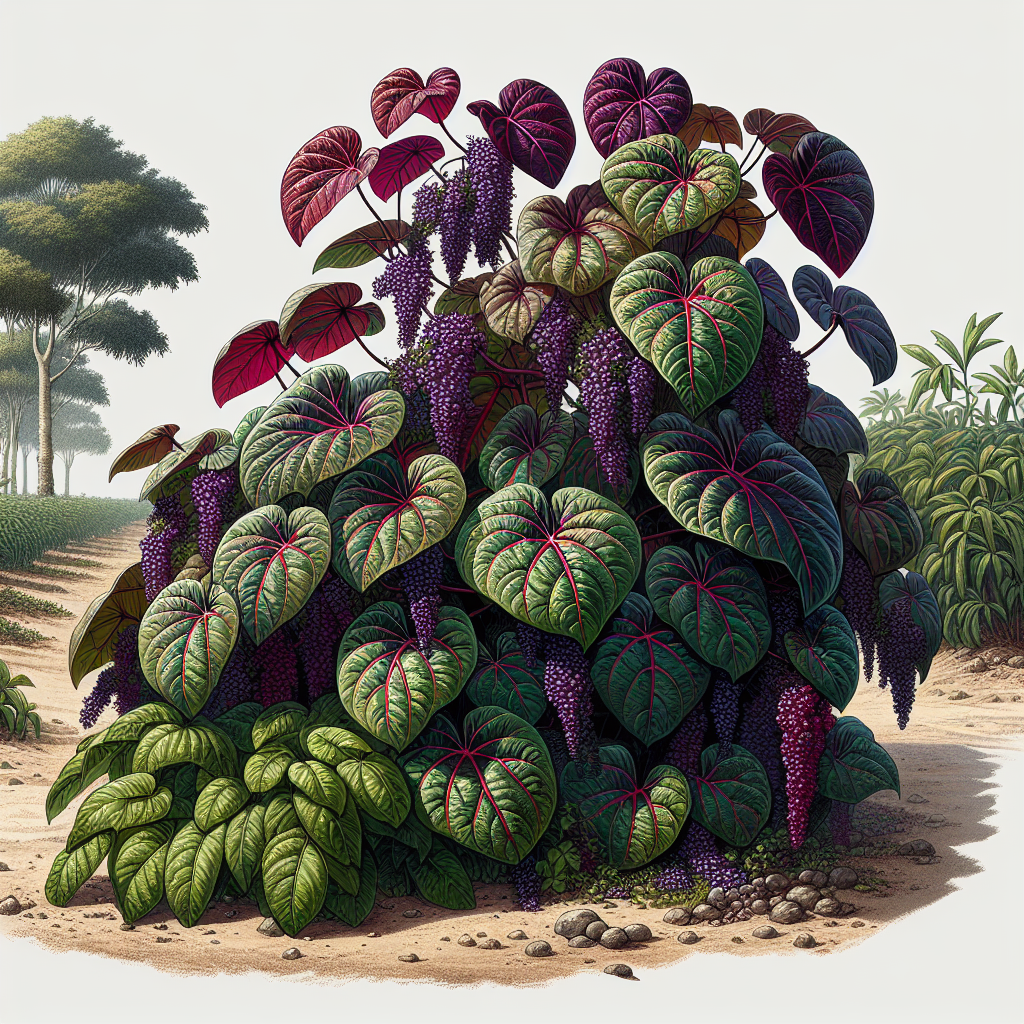
Recognizing sea grape infestations early prevents irreversible crop losses. The plant features large, glossy, heart-shaped leaves (up to 20 cm wide) with reddish veins, arranged alternately on reddish-brown branches. Clusters of small, white flowers bloom year-round, producing edible but seedy purple fruits that attract birds, facilitating rapid spread. Young plants appear as bushy shrubs under 2 meters, maturing into trees up to 10 meters tall with a broad canopy.
Key Symptoms on Crops:
- Physical Smothering: Dense foliage shades out sunlight, causing stunted growth in understory crops like mango, avocado, and banana. Affected plants exhibit elongated stems (etiolation) and pale leaves.
- Competition for Resources: Sea grape's extensive shallow roots (up to 5 meters wide) deplete soil moisture and nutrients, leading to wilting and yellowing in nearby crops, especially during dry spells.
- Soil Alteration: Accumulated leaf litter acidifies soil (pH dropping to 5.5-6.5) and promotes fungal growth, mimicking symptoms of root rot or phytophthora.
- Mechanical Damage: Thorny branches snag harvest equipment and create barriers, increasing labor costs by 20-40% in infested fields.
Diagnostic Tips:
- Scrape bark to reveal orange inner tissue unique to sea grape.
- Check for salt crystals on leaves in coastal areas.
- Differentiate from similar weeds like pigeon plum by sea grape's clustered fruits and leathery leaves.
Damage quantification: In a study by the University of Florida IFAS, sea grape reduced coconut yields by 45% in infested groves through shading alone. Scout perimeters weekly during rainy seasons when seedlings germinate en masse.
Lifecycle and Progression of sea grape
Understanding the lifecycle of sea grape is essential for targeted control. This perennial woody plant follows a year-round growth cycle in tropical climates, with peak activity tied to rainfall.
Egg/Seed Stage (0-3 months): Birds consume ripe fruits and deposit seeds via droppings up to 1 km away. Seeds germinate within 2-4 weeks in moist, sandy soils, producing cotyledons and rapid root development. Viability lasts 1-2 years.
Seedling/Juvenile Stage (3-24 months): Fast-growing shoots reach 1-2 meters, forming bushy habits. Vegetative reproduction via root suckers accelerates spread in disturbed soils.
Adult/Mature Stage (2+ years): Flowering begins at 2-3 years, with fruits maturing 2-3 months later. Mature plants produce 10,000+ seeds annually, with 20-30% germination success. Taproots deepen to 3-5 meters, making removal challenging.
Overwintering/Persistence: In frost-free zones, sea grape remains evergreen; coppicing after damage allows regrowth from root crowns. Progression from seedling to canopy-dominant takes 3-5 years in optimal conditions.
Lifecycle bottlenecks: Seed predation by rodents and dry spells limit establishment. For more on invasive plant lifecycles, see Why 90% of Small Farms Fail at Pest Management - And 8 Organic Fixes That Actually Work. Monitor for synchronized fruiting in late summer to preempt seedling flushes.
Environmental Triggers & Risk Factors
Sea grape exploits specific conditions to invade farms:
Climate Triggers: Thrives in USDA zones 10b-11 with temperatures above 10°C. Heavy rains (>1000 mm/year) trigger 80% of germination events. Hurricane-prone areas see explosive growth post-disturbance.
Soil Factors: Prefers well-drained sands (pH 6-8) with high salinity; tolerates flooding better than most crops.
Risk Factors:
- Proximity to coast (<500m) increases seed rain from wild populations.
- Overgrazing or tillage exposes soil, aiding seedling establishment.
- Monoculture fields lack biodiversity to suppress spread.
- Climate change expands range northward, threatening citrus groves.
High-risk farms report 2x infestation rates. Mitigate by maintaining buffer zones and monitoring wind patterns for seed dispersal.
Organic Control & Treatment Plans
Organic management emphasizes integrated approaches for sustainable control. Avoid synthetic herbicides to preserve soil health.
Cultural Controls:
- Mow or slash young plants monthly to exhaust root reserves.
- Mulch heavily (10 cm organic matter) to suppress seedlings.
Mechanical Controls:
- Uproot seedlings (<1m) with mattocks, targeting taproots.
- Girdle mature trunks (remove 10 cm bark ring) in dry season to prevent regrowth.
- Repeated cutting (3-5x/year) reduces biomass by 70% over 2 years.
Biological Controls:
- Introduce goats or sheep for browse; they prefer sea grape foliage.
- Encourage natural enemies like wood-boring beetles via diverse plantings.
Treatment Plans:
- Infestation Level 1 (Seedlings): Hand-pull weekly; solarize soil with clear plastic (6 weeks).
- Level 2 (Shrubs): Cut-stump with vinegar (20% acetic acid) or citrus oil emulsions.
- Level 3 (Trees): Combine girdling with stump grinding; follow with cover crops like clover.
Efficacy: UF/IFAS trials show 85% control after 18 months. For aphids often co-occurring, use neem oil sprays. Rotate tactics to prevent resistance.
Preventing sea grape in the Future
Prevention is 90% cheaper than cure. Implement these strategies:
- Site Selection: Avoid planting near wild stands; use 100m buffers.
- Sanitation: Remove fruits before ripening; bag clippings.
- Barriers: Install geotextile fabric or dense hedges (e.g., lemongrass).
- Crop Rotation: Interplant suppressants like marigold to deter seedlings.
- Monitoring: Weekly perimeter walks; use pheromone traps for fruit flies aiding dispersal.
- Soil Health: Boost fertility with compost to favor crops over invasives.
Long-term: Community programs in Barbados reduced sea grape by 60% via coordinated prevention. Pair with Soil Health Mastery: 5 Proven Strategies for Small Farms to Build Fertile Ground Without Breaking the Bank.
Crops Most Affected by sea grape
Sea grape devastates coastal tropical crops:
- Tree Crops: Mango, avocado, coconut – shading reduces fruit set by 40%.
- Orchards: Citrus, papaya – root competition causes decline.
- Annuals: Cassava, sweet potato – smothered in first year.
- Others: Pineapple, sugarcane in sandy fields.
Economic impact: $5M annual losses in Caribbean agriculture. Protect high-value dragon fruit with vigilant scouting.