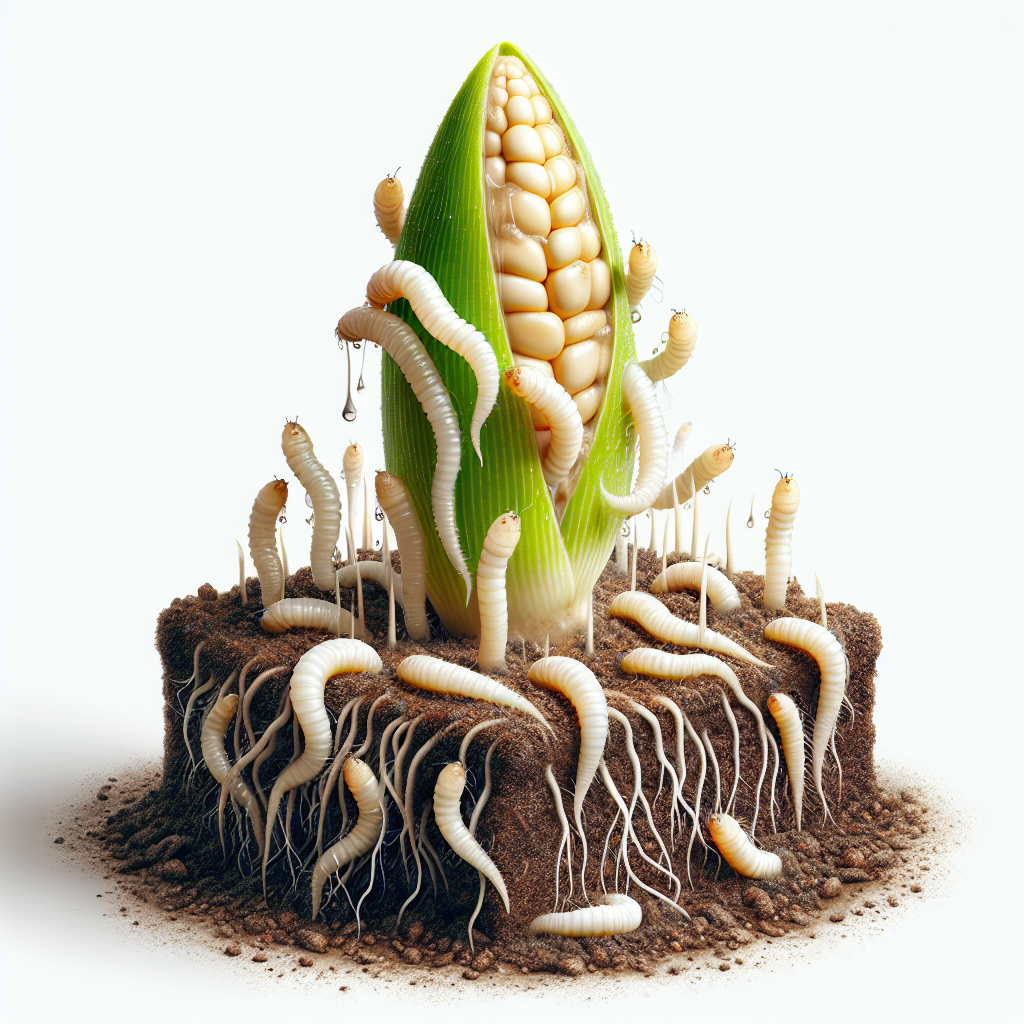
Introduction to seed corn maggots
Seed corn maggots (SCM), scientifically known as Hylemya platura, represent one of the most destructive early-season pests in agricultural systems, particularly targeting germinating seeds and tender seedlings. These legless, white larvae, reaching up to 1/4 inch in length, burrow into seeds and feed on subterranean plant tissues, often leading to complete crop failure in affected areas. Farmers encounter SCM primarily in regions with cool, moist springs, where the pest's rapid lifecycle allows multiple generations per season.
Understanding SCM is crucial for corn producers and vegetable growers alike, as economic losses can exceed 50% of stands without intervention. This guide provides comprehensive diagnostics, lifecycle insights, and proven management strategies to safeguard yields. By recognizing early signs and implementing integrated pest management (IPM), growers can protect vulnerable crops like soybeans, peas, and potato plantings. For more on spring pest challenges, check this Spring Pest Patrol: Organic AI Strategies to Shield Your Crops from Common Invaders.
Identifying Symptoms & Damage
Diagnosing seed corn maggot infestations requires keen observation during the critical seedling stage. Primary symptoms include stunted or missing seedlings, with affected plants exhibiting 'skip' patterns in rows—areas where no emergence occurs due to seed destruction. Excavate soil around failed spots to reveal ribbon-like tunnels in seeds or roots, often filled with creamy-white maggots and frass.
Damage manifests as hollowed-out seeds, decayed radicles, and secondary rotting from soil pathogens like Pythium or Rhizoctonia, exacerbating stand loss. Seedlings that survive may show honeycombed roots, wilting, yellowing, or lodging due to weakened anchorage. In severe cases, maggots feed on hypocotyls, causing surface lesions or girdling, mimicking cutworms or wireworms.
Scout by digging 6-8 inches deep in 10-20 locations per field, noting maggot presence (curved, tapered bodies with black mouth hooks). Use a 10x hand lens to confirm identity versus similar pests like fungus gnats. Economic thresholds vary: replanting advised if >10-15% stand loss in corn; monitor sweet corn (Honey Select) closely for premium markets.
Lifecycle and Progression of seed corn maggots
Seed corn maggots complete 3-5 generations annually, with lifecycle tied to temperature and host availability. Adults are small, gray flies (1/8 inch) resembling houseflies, emerging from overwintering pupae in spring when soil temperatures reach 50°F (10°C). Females lay 200-300 eggs in clusters on soil near decaying vegetation or freshly tilled fields.
Eggs hatch in 2-4 days into larvae that feed for 2-3 weeks, molting thrice before pupating in soil. Pupae (brown, seed-like) overwinter, with first-generation adults peaking during cool, wet planting windows. Development accelerates above 70°F, shortening cycles to 14 days. Multiple flushes occur through summer, targeting late-planted crops or cover crop residues.
Monitor with yellow sticky traps for adults or soil cores for larvae. Lifecycle aligns with no-till systems, where residue harbors pupae. Understanding progression aids timing: peak larval activity 7-14 days post-planting in susceptible conditions.
Environmental Triggers & Risk Factors
SCM infestations surge under specific conditions favoring adult oviposition and larval survival. Cool (45-60°F), wet soils slow seed germination, extending vulnerability windows as maggots exploit slow-emerging tissues. High organic matter from manure, cover crops like clover, or previous crop residues attracts flies, increasing egg-laying.
Early planting in spring heightens risk, as does minimum tillage preserving pupae. Weed hosts (e.g., chickweed, mustard) and legume rotations (peas, soybeans) serve as bridges. Acidic soils (pH <6.0) and compacted fields worsen damage by impeding root growth. Regional hotspots include Midwest U.S. corn belts and northern vegetable production areas with prolonged cool springs.
Climate change may extend seasons, with warmer falls boosting fall generations. Assess risk via soil temperature logs and residue levels; delay planting if forecasts predict <55°F soils for >7 days post-sowing.
Organic Control & Treatment Plans
Organic management emphasizes prevention but includes targeted tactics for outbreaks. Avoid broad-spectrum insecticides; focus on IPM. Cultural Controls: Use seed treated with organic-approved fungicides/insecticides like spinosad or azadirachtin coatings. Plant treated, high-vigor seeds at rates ensuring 20% excess stand. Incorporate quick-maturing varieties resistant to early stress.
Biological Controls: Encourage ground beetles and parasitic wasps via cover cropping (Thai basil interplants repel flies). Apply beneficial nematodes (Steinernema feltiae) at planting (1 billion/acre) targeting larvae in moist soils. Physical Barriers: Row covers exclude adults during peak oviposition (first 10-14 days).
Treatment Plans:
- Mild Infestation (<10% loss): Scout weekly; rogue damaged plants; side-dress nitrogen to boost survivors.
- Moderate (10-25%): Replant sections with treated seed; apply neem oil drenches.
- Severe (>25%): Destroy stand, solarize soil 4-6 weeks, rotate to non-hosts like onion.
Monitor efficacy via stand counts. Combine with Seedcorn Maggot (pest) for detailed scouting protocols.
Preventing seed corn maggots in the Future
Long-term prevention hinges on breaking lifecycle and reducing attractants. Delay planting until soil >60°F for rapid emergence, minimizing exposure. Tillage buries pupae deeper, exposing them to predators. Avoid fresh manure or weeds pre-planting; compost thoroughly (>130°F for 3 days).
Crop rotation (2-3 years off host crops) disrupts populations; follow legumes with wheat or grasses. Select hybrids with rapid germination (e.g., dent corn (Yellow Dent)). Maintain soil pH 6.2-7.0 with lime. Use precision planters for uniform depth, reducing weak spots.
Field history mapping identifies hotspots; GPS-tag for future adjustments. Integrate with broader IPM, monitoring European Corn Borer (pest) synergies. Annual soil tests guide fertility, enhancing vigor against stress.
Crops Most Affected by seed corn maggots
Seed corn maggots strike a wide host range, prioritizing crops with high seed nitrogen or slow germination. Corn (field, sweet, popcorn) suffers most, with losses up to 100% in no-till fields. Legumes like soybeans, peas, chickpeas, and lima beans are highly susceptible due to attractive residues.
Vegetables including onion, garlic, cabbage, beet, turnip, radish, cucumber, and lettuce face severe damage. Brassicas (broccoli, cauliflower) and roots (potato, sweet potato) also vulnerable. Less affected: cereals like wheat post-tillering.
Susceptibility ranking: High (corn, beans); Moderate (crucifers, alliums); Low (grasses). Tailor strategies per crop for optimal protection.