Introduction to Seed-eating insects
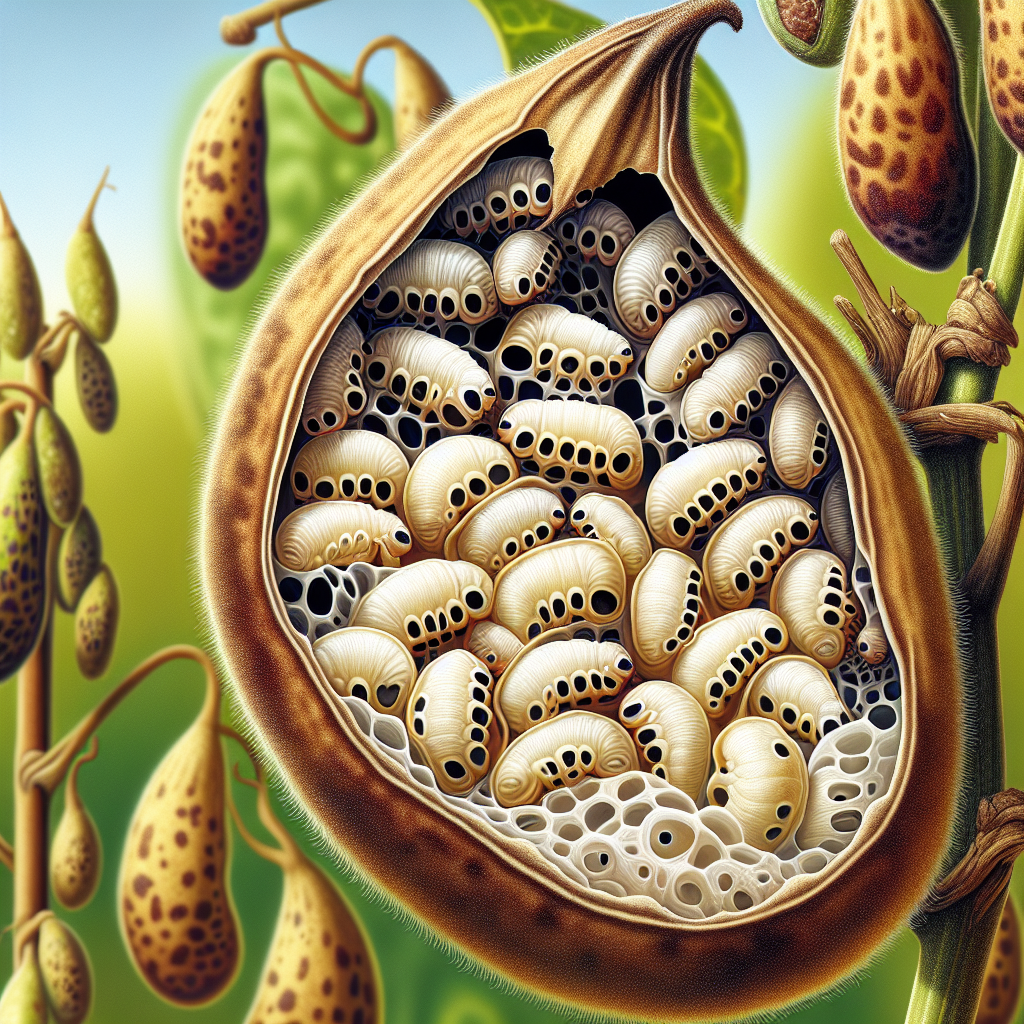
Seed-eating insects represent a critical threat to global agriculture, particularly targeting high-value crops like legumes, cereals, and oilseeds. These pests, primarily from families such as Bruchidae (seed beetles or bruchids) and various Lepidoptera (moths), specialize in infesting seeds at various stages—from development in pods to post-harvest storage. Common culprits include the cowpea weevil (Callosobruchus maculatus), bean weevil (Acanthoscelides obtectus), and pea weevil (Bruchus pisorum), which bore into seeds, feeding on the cotyledons and embryos.
The economic impact is staggering: in developing regions, seed-eating insects can destroy up to 40-100% of stored legumes without intervention, according to FAO estimates. In field crops like soybeans, peas, and chickpeas, they reduce yields by 20-50% annually. Farmers face not only direct seed loss but also secondary issues like mold growth in damaged seeds and reduced market value. Understanding these pests is essential for integrated pest management (IPM), blending prevention, monitoring, and targeted controls to safeguard harvests. This guide provides diagnostic tools, lifecycle insights, and proven organic strategies to combat seed-eating insects effectively.
Identifying Symptoms & Damage
Diagnosing seed-eating insect damage requires keen observation at multiple crop stages. Early field symptoms include pinhole-sized emergence holes on developing pods of legumes like peanuts or lentils, often with frass (insect excrement) around entry points. Pods may appear shriveled, discolored, or webbed if moth larvae are involved, such as in pod borers related to seed feeders.
Inside pods, infested seeds show characteristic round exit holes (1-3 mm diameter) with raised edges, a hallmark of bruchid beetles. Cut open affected seeds to reveal hollowed interiors filled with powdery frass and larvae or pupae. Healthy seeds are plump and firm; infested ones rattle, feel lightweight, and fail to germinate. In grains like wheat or corn, damage manifests as shriveled kernels with internal galleries.
Secondary signs include increased susceptibility to fungal blights or storage beetles in harvested seeds. Use a hand lens to spot adult beetles (3-5 mm, humpbacked, with snouts in weevils) or tiny eggs on pod surfaces. Differentiate from other pests like aphids (surface sap-feeders) or cutworms (seedling destroyers). Regular scouting—weekly pod inspections during flowering to pod fill—enables early detection, preventing population explosions.
Lifecycle and Progression of Seed-eating insects
Seed-eating insects typically follow a complete metamorphosis: egg, larva, pupa, adult. Females lay 50-150 eggs singly or in clusters on pod exteriors or directly into developing seeds. Eggs hatch in 4-10 days, depending on temperature (optimal 25-35°C). Larvae burrow into seeds, feeding for 2-6 weeks on cotyledons, creating internal tunnels. They pupate inside the seed, emerging as adults through characteristic holes after 1-2 weeks.
The cycle completes in 25-60 days, with 3-8 generations per season in tropical climates. Adults live 7-20 days, feeding minimally on pollen but prioritizing oviposition. Overwintering occurs as diapausing larvae in seeds, resuming development in spring. In stored grains, populations build rapidly without predators, doubling every 30 days under warm, humid conditions (>60% RH).
Progression varies: in rice fields, rice weevils infest panicles late-season; in legumes, bruchids attack from flowering. Monitor degree-days (base 10°C) for predictions: egg hatch at 50 DD, adult emergence at 400-600 DD. Disrupt lifecycle by targeting eggs/larvae stages, as adults are highly mobile and dispersive.
Environmental Triggers & Risk Factors
Warm, humid conditions (25-35°C, 70-90% RH) accelerate seed-eater reproduction, with peak activity during pod fill in rainy seasons. Poor field sanitation—leaving infested debris—spreads pests via contaminated machinery or seed stock. Monoculture of susceptible crops like sunflower or sorghum heightens risk, as does late planting exposing pods longer to oviposition.
Soil type influences: sandy soils aid larval pupation, while high nitrogen promotes lush pods attractive to females. Drought-stressed crops suffer more, as weakened seeds are easier to infest. Global trade introduces exotic species, e.g., cowpea weevils via imported legumes. Proximity to wild hosts or previous infested fields amplifies infestation. Climate change extends generations, increasing pressure on quinoa and emerging crops. Risk assessment: scout high-risk fields (history of infestation) bi-weekly, using pheromone traps for early warnings.
Organic Control & Treatment Plans
Organic management emphasizes IPM: prevention first, then biological and mechanical controls. Cultural Controls: Rotate crops with non-hosts like cabbage or lettuce (2-3 years). Plant resistant varieties, e.g., bruchid-tolerant chickpeas. Harvest early to disrupt larval development; deep plow residues to expose pupae to predators.
Biological Controls: Release parasitoids like Dinarmus basalis (bruchid wasps), achieving 70-90% larval mortality. Encourage natural enemies: birds, ants, and ground beetles via hedgerows with marigold or thyme. Neem oil (azadirachtin 0.03%) sprays on pods deter oviposition (apply weekly, 3x); spinosad (organic-approved) targets larvae (0.5 oz/gal, evenings).
Mechanical/Physical: Heat-treat seeds (50°C, 1 hr) or cold-store (0°C, 3 days) pre-planting. Solarize soil (clear plastic, 6 weeks summer) kills pupae. Pheromone traps capture males, reducing mating. For storage, hermetic bags (e.g., PICS) create CO2 atmospheres lethal to all stages.
Treatment Plan: Week 1: Scout/apply neem. Week 2-4: Monitor traps, release parasitoids. Post-harvest: Clean equipment, treat seeds. Threshold: 2% pod infestation triggers action. Combine with Spring Pest Patrol: Organic AI Strategies to Shield Your Crops from Common Invaders for tech-enhanced scouting. Expect 80-95% control with consistency.
Preventing Seed-eating insects in the Future
Long-term prevention builds resilient systems. Source certified, pest-free seeds; hot-water treat (52°C, 10 min) legumes. Use row covers during pod set on small farms. Intercrop with repellents like nasturtium or yarrow, which confuse ovipositing females. Maintain 4-week residue-free periods post-harvest.
Soil health via cover crops (clover) boosts beneficials. Trap crops (early beans) divert pests. Monitor with sticky traps; apps track phenology. Storage: diatomaceous earth (2% by weight) abrades insects; frequent sieving removes adults. Educate on quarantine: inspect imports. Annual IPM audits reduce incidence 90%. Integrate with companion planting—see Why Companion Planting Feels Like Guesswork for Small Farms - And How AI Makes It Foolproof.
Crops Most Affected by Seed-eating insects
Seed-eaters devastate pulses and grains. Legumes top the list: chickpeas (up to 90% loss), peas, lentils, soybeans, peanuts, beans. Cereals like wheat, rice, corn, sorghum, millet suffer kernel damage. Oilseeds: sunflower, rapeseed. Vegetables: tomato (rare), okra. Emerging: quinoa, amaranth. Stored losses highest in cowpeas, mung beans. Protect these staples for food security.