Introduction to PLRV
Potato Leafroll Virus (PLRV) stands as one of the most economically devastating viral pathogens affecting potato production globally. First identified in the early 20th century, PLRV belongs to the genus Polerovirus in the family Luteoviridae. It infects a wide range of solanaceous plants, with potatoes being the primary host. The virus is transmitted in a persistent manner by several aphid species, particularly the green peach aphid (Myzus persicae), making it challenging to control in field conditions.
PLRV infection leads to significant reductions in plant vigor, tuber yield, and quality, often resulting in losses of up to 90% in severe cases. Symptoms typically appear in mid to late season, complicating timely interventions. Understanding PLRV is crucial for growers of potato, tomato, and other nightshade family crops, as it can persist in volunteer plants and weeds, serving as reservoirs for aphids to acquire and spread the virus. Early detection through visual scouting and lab confirmation via ELISA or PCR is essential for implementing integrated management strategies.
Global potato production, valued at over $100 billion annually, faces ongoing threats from PLRV, especially in temperate regions where aphid populations thrive. This guide provides comprehensive diagnostic criteria, lifecycle insights, and proven organic management tactics to safeguard your crops. For more on aphid vectors, explore strategies in our Spring Pest Patrol.
Identifying Symptoms & Damage
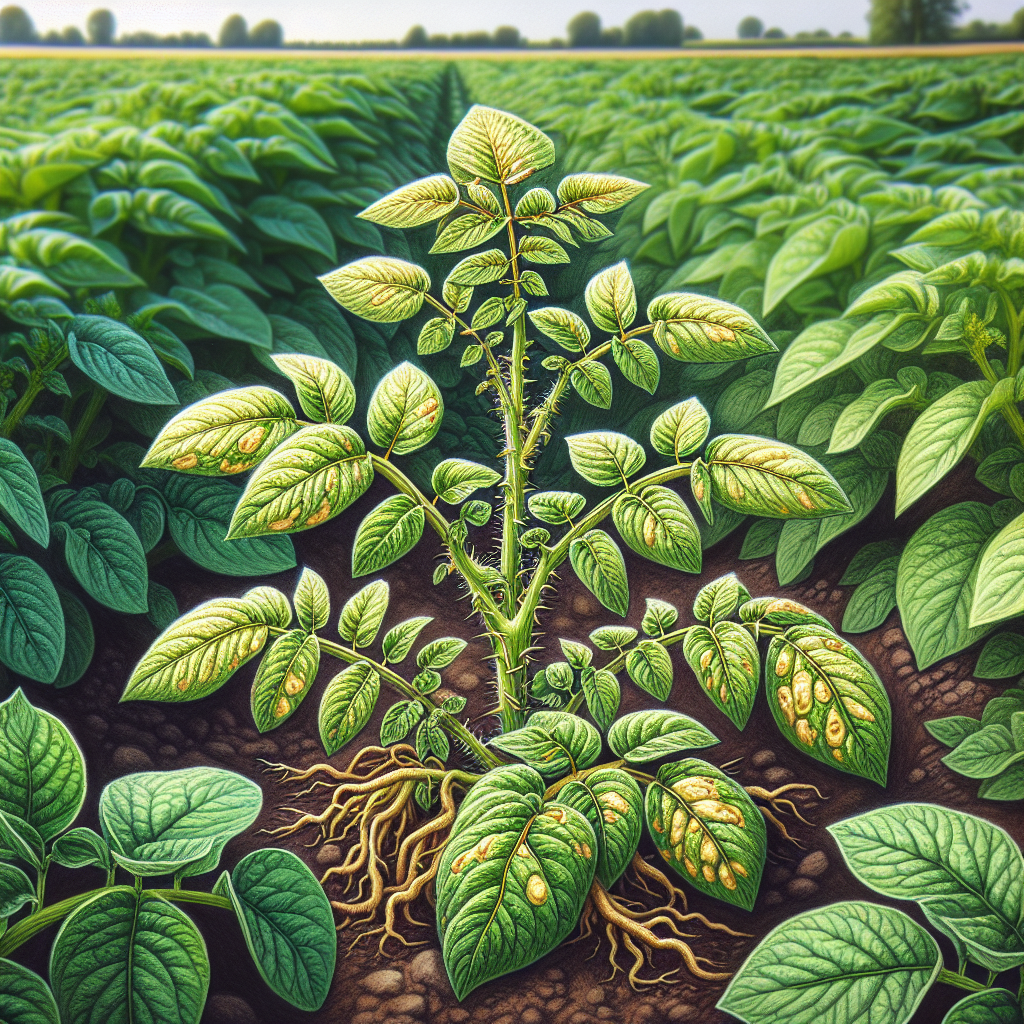
PLRV manifests distinct symptoms that vary by plant growth stage, variety, and environmental conditions. Primary foliar symptoms include upward rolling of the terminal leaves, creating a 'rolled umbrella' appearance. Affected leaves turn chlorotic, starting with interveinal yellowing on the lower leaves, progressing to a bright yellow or reddish-purple hue in susceptible varieties like Russet Burbank.
Infected plants exhibit stunting, with shortened internodes and erect growth habit. Net necrosis—brownish, corky strands in the phloem—develops in tubers, rendering them unmarketable and prone to storage breakdown. Yield losses correlate directly with symptom severity: mild infections reduce yields by 20-30%, while severe cases can halve tuber numbers and weight.
Secondary symptoms include brittle leaves and reduced photosynthesis, leading to smaller, misshapen tubers. Differentiate PLRV from nutrient deficiencies (e.g., magnesium) or other viruses like Potato Virus Y (PVY) by the characteristic leafroll and absence of mosaic patterns. Use diagnostic tools: rub leaves with iodine for starch test (PLRV-positive leaves retain blue-black stain) or send samples for serological testing.
Damage extends beyond yield: PLRV increases susceptibility to secondary infections like early blight and soft rots in storage. Scout fields weekly from canopy closure, focusing on field edges where aphids colonize first. Document symptoms with photos for tracking progression across seasons.
Lifecycle and Progression of PLRV
PLRV has no independent lifecycle outside its host; it replicates in plant phloem cells and is acquired by aphids during brief probes (1-2 minutes). Aphids transmit the virus persistently after a 24-48 hour latent period, retaining it lifelong. The virus overwinters in infected tubers, volunteer potatoes, and perennial weeds like nightshade.
Seasonal progression begins with seed tubers sprouting infected plants in spring. Aphids alight on these sources, acquire PLRV, and spread it to healthy plants. Primary spread occurs early season via winged aphids; secondary spread via wingless progeny escalates mid-season. Symptoms lag infection by 2-4 weeks, peaking at full bloom.
Virus titer peaks in autumn, ensuring high transmission efficiency before host senescence. Aphid flight peaks coincide with PLRV epidemics: green peach aphids in cool springs, cotton aphids in warmer conditions. Understanding this cycle informs timing of control measures—focus on early aphid suppression to curb primary infections.
Environmental Triggers & Risk Factors
PLRV thrives in cool, temperate climates (15-20°C), where aphid reproduction surges. High nitrogen soils promote lush growth, attracting aphids and exacerbating symptom expression. Poor airflow in dense canopies fosters aphid colonies, while nearby weed hosts like hairy nightshade harbor the virus.
Risk factors include planting uncertified seed (up to 50% infection rates), volunteer potatoes, and proximity to previous-season fields. Irrigation timing influences spread: overhead watering disperses aphids. Drought stress weakens plants, increasing susceptibility. Regions like the Pacific Northwest and Andes report chronic PLRV issues due to mild winters favoring aphid survival.
Monitor weather data for aphid flight windows (post-rain, low winds). Fields with history of aphids or potato leafroll virus face elevated risks—rotate crops and rogue infected plants aggressively.
Organic Control & Treatment Plans
No curative treatments exist for PLRV; management emphasizes prevention and vector suppression. Start with certified, virus-free seed tubers—aim for <0.5% PLRV incidence. Rogue infected plants weekly, removing them immediately to reduce inoculum.
Organic aphid control is cornerstone: deploy reflective mulches early to deter alates. Introduce beneficial insects like ladybugs, lacewings, and parasitic wasps (Aphidius colemani). Neem oil or insecticidal soaps applied at first aphid detection suppress populations without residues. Mineral oils coat plants, smothering aphids and blocking transmission.
Plant trap crops like mustard or blue-collar traps around fields to capture winged aphids. Intercrop with aphid-repellent plants such as garlic or onion. Foliar sprays of pyrethrins or spinosad target aphids organically. For severe outbreaks, rogue and destroy entire rows.
Post-harvest, eliminate volunteers and weeds. Use windbreaks to reduce aphid influx. Track progress with field maps, noting rogue rates <5% indicates success. Integrate with broader IPM for synergistic effects against whiteflies and other vectors.
Preventing PLRV in the Future
Long-term prevention hinges on cultural practices. Select PLRV-resistant varieties like 'Superior' or 'Defender'. Practice 3-year rotations away from solanaceous crops, incorporating grains like wheat or corn. Use mineral oil barriers at planting.
Establish farm-wide aphid monitoring with yellow sticky traps—threshold: 5 aphids/trap/week triggers action. Sanitize equipment to avoid mechanical spread. Source seed from reputable programs with PCR indexing. Fallow fields post-harvest, disk volunteers.
Build soil health with cover crops to enhance plant vigor, reducing susceptibility. Educate crews on symptom recognition and rogueing protocols. Annual risk assessments, combining historical data and forecasts, prevent outbreaks. Resistant varieties plus vigilant aphid control can reduce PLRV to <1%.
Crops Most Affected by PLRV
PLRV primarily devastates potatoes, with all varieties susceptible but processing types like Russet Norkotah hit hardest due to net necrosis. Tomatoes show severe stunting and fruit yield loss; peppers exhibit leafroll and brittle foliage. Other solanaceae like eggplant, tobacco, and physalis suffer similar symptoms.
Wild hosts include black nightshade and hairy nightshade, perpetuating field reservoirs. In mixed rotations, PLRV spills over to tomato and eggplant, amplifying losses. Global hotspots: Europe, North America, Andes. Prioritize protection for high-value potato crops.