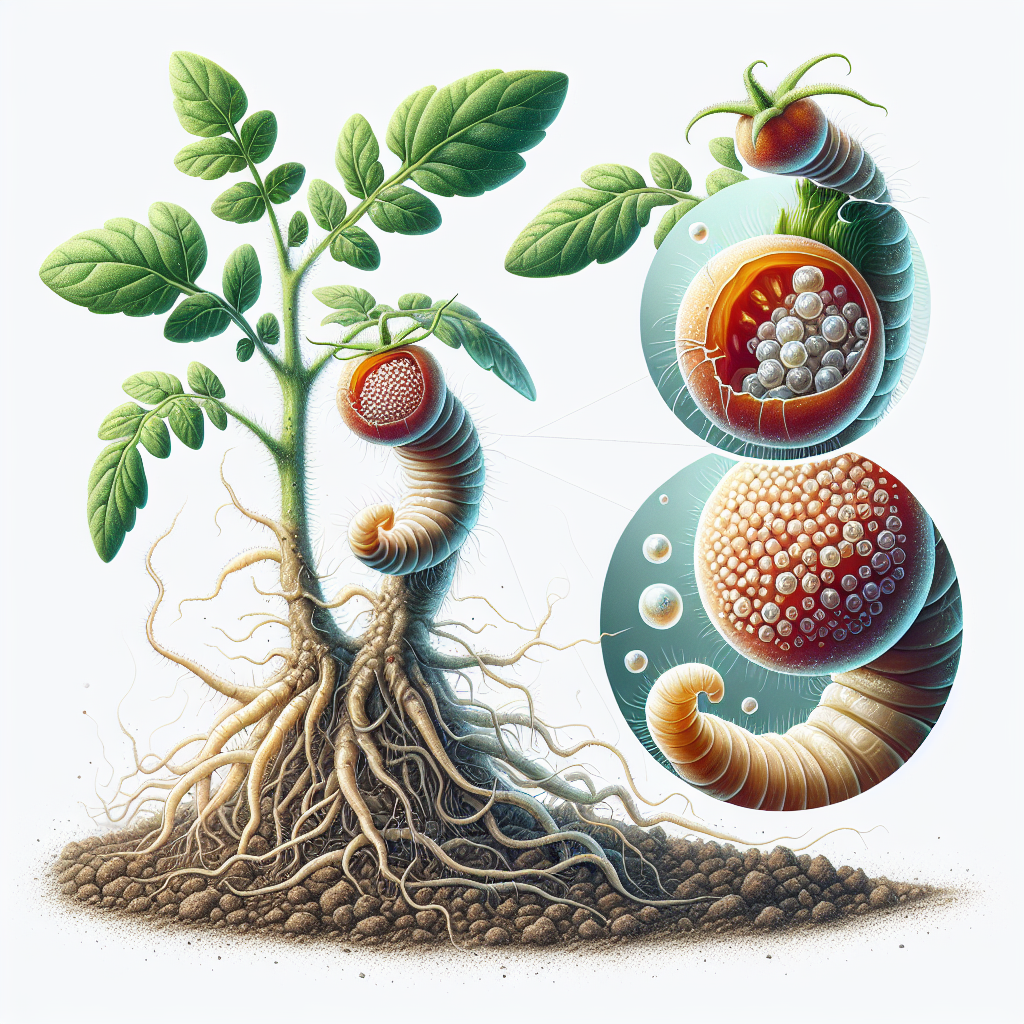
Introduction to Plant-parasitic nematodes
Plant-parasitic nematodes represent one of the most insidious threats to global agriculture, silently devastating crops by targeting root systems. These microscopic, worm-like organisms—often no larger than 1-2 mm—belong to various genera such as Meloidogyne (root-knot nematodes), Pratylenchus (lesion nematodes), Heterodera (cyst nematodes), and Globodera species. Unlike visible pests like aphids or spider mites, nematodes operate below ground, making them challenging to detect until significant damage occurs.
Estimated to cause $80-100 billion in annual crop losses worldwide, plant-parasitic nematodes affect over 2,000 plant species, including staples like potato, tomato, corn, and soybeans. They feed on root cells, disrupting water and nutrient uptake, which manifests as above-ground symptoms like wilting, yellowing, and stunted growth. In high-value crops such as strawberry and carrot, infestations can reduce yields by 50% or more. Understanding their biology is crucial for effective management, as chemical nematicides are often restricted due to environmental concerns. This guide equips growers with professional diagnostic tools, lifecycle knowledge, and organic strategies to combat these hidden adversaries. For more on related root pests, see our detailed entry on root-knot nematodes.
Identifying Symptoms & Damage
Diagnosing plant-parasitic nematode damage requires keen observation, as symptoms mimic nutrient deficiencies or drought stress. Above-ground signs include patchy stunting, where affected plants lag behind healthy ones in irregular patterns across fields. Foliage often yellows from the bottom up, with wilting during hot afternoons even under adequate irrigation—a classic 'nematode drought' effect.
Root inspections reveal the true culprits. Excavate roots carefully from suspect areas:
- Root-knot nematodes (Meloidogyne spp.): Distinct galls or swellings on roots, resembling tiny beads. In severe cases, roots appear knobby and deformed, reducing feeder root mass by up to 70%.
- Lesion nematodes (Pratylenchus spp.): Brownish, necrotic lesions on roots without galls; roots may rot secondarily due to fungal entry points like Fusarium.
- Cyst nematodes (Heterodera/Globodera spp.): Tiny white cysts (0.5-1 mm) on roots, turning brown and persistent in soil.
- Dagger or needle nematodes: Stunted root tips with minimal visible damage.
Yield impacts vary: in carrot, forked or cracked roots render produce unmarketable; in tomato, fruit size drops 30-50%. Secondary issues compound damage—nematode wounds invite root rot pathogens like Pythium. For confirmation, submit soil/root samples to labs for extraction (e.g., centrifugal flotation) and counting via microscopy. Thresholds: >100 root-knot nematodes/100 cm³ soil signals action. Early detection via bioassays or AI plant imaging tools prevents escalation. Check our Spring Pest Patrol blog for scouting tips.
Lifecycle and Progression of Plant-parasitic nematodes
Plant-parasitic nematodes exhibit complex lifecycles tied to soil temperature and host availability, typically completing 2-6 generations per growing season. All share four juvenile stages (J1-J4) and adults, with females often sedentary and males motile.
- Egg stage: Laid in clusters (50-500 eggs) in root galls or soil; hatch in 7-14 days at 25°C.
- Juveniles (J2): Infective stage penetrates roots via stylet, migrating intercellularly to vascular tissue. J2 molts to adults in 2-4 weeks.
- Adults: Females swell into pear-shaped bodies, protruding from roots; produce eggs. Cyst species form durable cysts surviving 10+ years.
Progression accelerates in warm, moist soils (optimum 25-30°C); cold halts development. Population peaks mid-summer, crashing with host senescence. Biofumigant crops like mustard interrupt cycles. Understanding this enables timed interventions, such as fallow periods post-harvest to starve populations.
Environmental Triggers & Risk Factors
Nematodes thrive in sandy, coarse-textured soils with pH 4.5-8.0, low organic matter, and temperatures 15-35°C. Compaction and over-irrigation create anaerobic pockets favoring migration. Key triggers:
- Continuous monocropping: Exhausts soil, builds nematode banks (e.g., soybeans fields).
- Poor drainage: Flooding boosts populations 10-fold.
- Weed hosts: Many weeds harbor nematodes, bridging seasons.
- Tillage: Spreads infestations via equipment.
Risk spikes after drought or root rot episodes, stressing plants. High-nematode fields show 20-30% yield drag even without symptoms. Test soil pre-planting; avoid susceptible varieties like susceptible potato cultivars in infested zones.
Organic Control & Treatment Plans
Organic management integrates cultural, biological, and physical tactics for sustainable suppression. Avoid synthetic nematicides; focus on IPM.
1. Cultural Controls (Immediate Impact):
- Crop rotation: 2-3 years with non-hosts like grasses or clover. Mustard biofumigants release isothiocyanates killing 70% nematodes.
- Cover crops: Sudangrass (sorghum hybrid) produces dhurrin, toxic to nematodes.
2. Biological Agents:
- Beneficial nematodes (Heterorhabditis bacteriophora): Apply 10^9/acre; parasitize 50-80% pests.
- Fungi: Paecilomyces lilacinus or Pochonia chlamydosporia infect eggs (commercial products like Nemastrike).
- Bacteria: Pasteuria penetrans—soil-apply for long-term buildup.
3. Organic Amendments:
- Compost/manure: Boosts antagonists; 10-20 tons/acre reduces populations 40%.
- Neem cake: 1-2 tons/acre; azadirachtin disrupts lifecycle.
- Solarization: Clear plastic 4-6 weeks summer; heats soil to 50°C, kills 90% J2.
Treatment Plan:
- Soil test (fall).
- Rotate/amend (pre-plant).
- Plant resistant varieties (e.g., Nematode-resistant tomato hybrids).
- Apply bioagents at planting.
- Monitor quarterly. Expect 60-90% control with integration. Combine with Soil Health Mastery blog for resilience.
Preventing Plant-parasitic nematodes in the Future
Prevention trumps cure: maintain <10 nematodes/100 cm³ soil.
- Sanitation: Clean equipment; hot-water treat seeds/tools (55°C/30 min).
- Resistant Varieties: Select grafted or hybrid stocks (e.g., Maxifort rootstock for tomato).
- Site Selection: Avoid infested histories; use GIS mapping.
- Organic Matter: 4-6% soil levels via cover crops suppress via biology.
- Weed Control: Eliminate hosts like nightshades.
- Monitoring: Annual assays; threshold-based action. Long-term: Mycorrhizal inoculants enhance root vigor. Rotate with marigold (alpha-terthienyl nematicide). Clean fields yield 20% more sustainably.
Crops Most Affected by Plant-parasitic nematodes
Nematodes plague diverse crops; root-knot dominate warm climates, cysts cooler zones.
- Vegetables: Tomato, potato, carrot, eggplant, cucumber—galls stunt 50%.
- Grains/Legumes: Corn, soybeans, wheat, rice—lesion types cause lodging.
- Roots/Tubers: Sweet potato, cassava—forking, rot.
- Fruits: Strawberry, banana, avocado—yield crashes 30-70%.
- Others: Peanut, cotton, sugarcane. Regional: Root-knot in South; cysts in North. Tailor rotations accordingly. Total words: ~1450.