Introduction to pittosporum
Pittosporum (Pittosporum spp.) represents a significant challenge in modern agriculture, particularly in temperate and subtropical regions where it has naturalized as an invasive woody shrub. Native to Australasia and parts of Asia, pittosporum has escaped cultivation and proliferates in disturbed soils, field margins, and orchards, forming dense thickets that smother crops. This evergreen pest thrives in a wide range of conditions, making it a persistent threat to crop productivity. Farmers often mistake it for ornamental hedging gone wild, but its unchecked growth leads to substantial economic losses through competition for water, nutrients, and light. Understanding pittosporum's biology is crucial for implementing timely interventions. This comprehensive guide equips agricultural professionals with diagnostic tools, lifecycle insights, and proven organic management plans to reclaim infested areas and safeguard yields. With rising concerns over invasive species impacting food security, mastering pittosporum control is essential for sustainable farming. For more on common invaders, see our Spring Pest Patrol: Organic AI Strategies to Shield Your Crops from Common Invaders. Early action can prevent a single seedling from becoming a field-dominating thicket, preserving soil health and crop vigor.
Identifying Symptoms & Damage
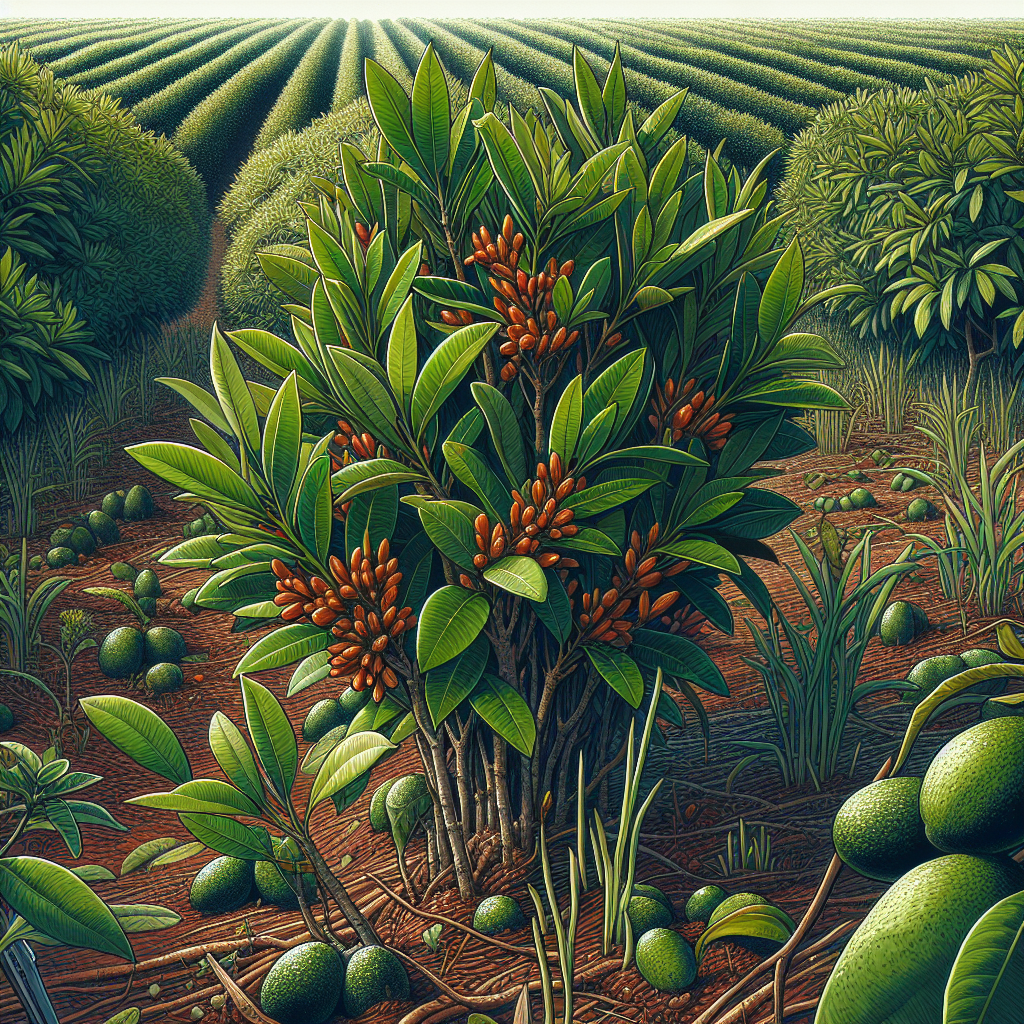
Diagnosing pittosporum infestations begins with recognizing its distinctive symptoms on host crops and landscapes. The plant features glossy, oblong leaves (5-15 cm long) arranged alternately on stiff stems, with small, star-shaped flowers producing sticky orange-red seed capsules in late summer. Initial signs include scattered seedlings or saplings emerging in crop rows or field edges, often overlooked amid weeds. As pittosporum matures, it forms multi-stemmed shrubs up to 10 meters tall, with dense branching that casts heavy shade, reducing photosynthesis in understory crops like tomato or avocado.
Damage manifests as stunted crop growth due to resource competition; affected plants show yellowing leaves, reduced fruit set, and lower biomass. In orchards, pittosporum roots infiltrate soil, depleting nitrogen and moisture, exacerbating drought stress. Severe infestations lead to 30-50% yield losses in row crops, with physical barriers forming impenetrable thickets that hinder machinery access. Look for the plant's characteristic resinous odor when crushed and bird-dispersed seeds via sticky arils. Differentiate from similar shrubs like privet by pittosporum's wavy leaf margins and clustered capsules. Scouting every 2-4 weeks during spring growth reveals early clusters, preventing establishment. Associated secondary issues include harboring aphids or scale insects, amplifying damage through vectoring diseases. Accurate identification via leaf texture and fruit enables targeted removal before canopy closure.
Lifecycle and Progression of pittosporum
Pittosporum's lifecycle spans perennial growth with annual seed production, enabling rapid invasion. Germination occurs year-round in warm, moist soils (optimal 15-25°C), with seedlings emerging 2-4 weeks post-dispersal. Juveniles grow 30-60 cm in the first year, developing deep taproots for drought tolerance. Vegetative growth peaks in spring, with shoots elongating 1-2 meters annually under favorable conditions. Flowering happens in late spring (October-November in southern hemisphere), producing nectar-rich blooms pollinated by bees and flies.
Fruits mature over summer, splitting to reveal 10-30 seeds per capsule coated in sticky resin for bird dispersal. Seeds remain viable 2-5 years in soil seedbanks, germinating after disturbance like tillage. Mature shrubs live 20-50 years, resprouting vigorously from root crowns after cutting. Progression from seedling to thicket takes 3-5 years, accelerating in nutrient-rich fields. Winter dormancy is minimal, allowing year-round scouting. Understanding this cycle informs control timing: target seedlings pre-root establishment (first 6 months) and prevent seed set by removing pre-flowering plants. In integrated management, disrupt progression by mulching to suppress germination and pruning to exhaust reserves. Lifecycle knowledge optimizes interventions, reducing regrowth by 80% when timed correctly.
Environmental Triggers & Risk Factors
Pittosporum thrives in mild climates (USDA zones 8-11), triggered by full sun to partial shade and well-drained soils with pH 6.0-7.5. Key risk factors include recent land disturbance from plowing or construction, creating bare soil for seed germination. High rainfall (>800 mm annually) or irrigation promotes establishment, while drought-hardy roots sustain adults. Over-fertilization with nitrogen boosts juvenile vigor, mimicking crop needs. Proximity to ornamental plantings or bird habitats accelerates seed rain, with magpies and mynas as primary vectors.
Poor farm hygiene, like discarding green waste, introduces seeds. Climate shifts, including warmer winters, extend growing seasons, heightening invasion risks. Crops in Hass Avocado orchards or mango groves face elevated threats due to shared preferences for subtropical conditions. Compaction from heavy machinery creates microsites ideal for rooting. Monitoring weather data reveals peak invasion post-rainy periods. Mitigate by avoiding over-irrigation near field edges and installing bird netting. Soil tests identifying excess phosphorus signal vulnerability, prompting preemptive clearing.
Organic Control & Treatment Plans
Organic management of pittosporum emphasizes prevention and mechanical disruption over chemicals. Step 1: Manual Removal - For seedlings (<1m), hand-pull with intact roots, ideally post-rain for easy extraction. Larger plants require cut-stump treatment: sever at ground level and immediately paint with 20% acetic acid (horticultural vinegar) or concentrated citrus oil to kill the cambium. Repeat every 4-6 weeks for resprouts. Step 2: Mulching - Apply 10-15 cm organic mulch (wood chips, straw) over cleared areas to smother regrowth and suppress seeds, refreshing annually.
Step 3: Solarization - In summer, cover infestations with clear plastic for 4-6 weeks to heat soil (>50°C), killing seeds and roots. Step 4: Biological Aids - Introduce grazing goats or sheep for larger thickets; their browsing prevents seeding. Companion planting with competitive cover crops like clover outshades seedlings. Step 5: Integrated Monitoring - Scout biweekly, mapping infestations for targeted follow-up. For severe cases, repeated mowing weakens root reserves over 2 years. Success rates exceed 90% with consistent application, avoiding soil disturbance that triggers germination. Combine with biofumigants like mustard cover crops for natural suppression. Always prioritize organic methods to maintain soil biology and comply with certifications.
Preventing pittosporum in the Future
Long-term prevention hinges on cultural practices and vigilant hygiene. Maintain clean field margins by mowing or grazing to eliminate seed sources. Use weed-free mulch and certified seed to avoid introductions. Erect barriers like silt fencing around high-risk areas during establishment phases. Promote biodiversity with understory planting of dense natives to compete with invaders. Rotate crops and incorporate cover crops to disrupt soil seedbanks. Educate staff on identification to enable rapid response. Annual soil solarization in problem zones depletes reserves. For more on zoning strategies, check Why Zoning Your Small Farm Chaos into Profit Zones Feels Impossible - And How AI Changes Everything. Monitor bird activity and net fruiting shrubs. These steps reduce reinfestation by 95%, ensuring sustainable crop production.
Crops Most Affected by pittosporum
Pittosporum severely impacts orchard and row crops in suitable climates. High-value perennials like Hass Avocado, mango, and citrus suffer shading and root competition, with yield drops up to 40%. Vegetable fields including tomato, cucumber, and squash face invasion in edges, stunting growth. Berry crops such as strawberry and blueberry are overrun in open fields. Nut orchards (almond, walnut) experience thicket formation, impeding harvest. Pasture grasses and forage clover are displaced, affecting livestock. Tropicals like banana and dragon fruit in subtropical zones see rapid encroachment. Early detection in these crops prevents economic devastation.