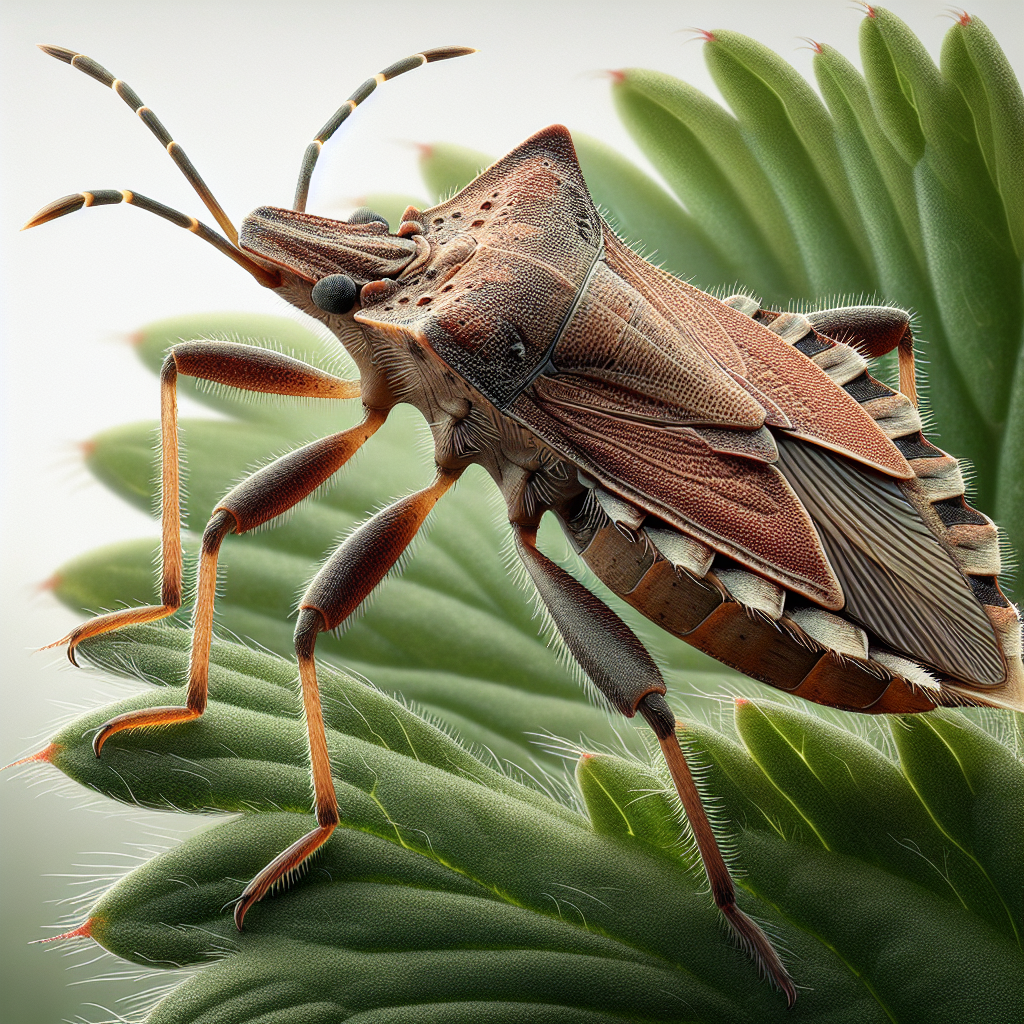
Introduction to Plant bugs
Plant bugs, commonly referred to as mirids, lygus bugs, or capsids, belong to the diverse Miridae family within the order Hemiptera. These pests are notorious in agriculture for their piercing-sucking mouthparts, which they use to extract plant sap while injecting saliva containing digestive enzymes and toxins. This feeding behavior disrupts plant physiology, leading to significant economic losses in fruits, vegetables, grains, and fiber crops worldwide. Unlike chewing insects, plant bugs cause subtle yet devastating damage, often mistaken for nutrient deficiencies or diseases until populations explode.
Over 10,000 species exist globally, but key agricultural pests include the tarnished plant bugs (Lygus lineolaris), western tarnished plant bug (Lygus hesperus), and European tarnished plant bug (Lygus rugulipennis). Adults are typically 3-6 mm long, with slender bodies, long antennae, and green-to-brown coloration for camouflage. Nymphs resemble smaller, wingless versions without the adult's distinctive 'V' marking on the back. These bugs are highly mobile, dispersing via flight to new host plants, exacerbated by Spring Pest Patrol: Organic AI Strategies to Shield Your Crops from Common Invaders.
In commercial farming, plant bugs can reduce yields by 20-50% in susceptible crops, with outbreaks linked to monoculture practices and mild winters. Understanding their biology is crucial for timely intervention, as populations can double weekly under optimal conditions. This guide provides diagnostic tools, lifecycle insights, and proven management strategies to protect your fields.
Identifying Symptoms & Damage
Diagnosing plant bug damage requires keen observation, as symptoms mimic other stressors like drought or aphids. Primary signs include stippling—tiny white or yellow spots on leaves from saliva injection—progressing to necrotic lesions and leaf drop. Shoots and terminals exhibit 'blind head' syndrome, where growing tips blacken and die, stunting plants.
On fruits like strawberries, apples, or peaches, damage appears as catfacing: deformed, scarred berries or fruits with dimples and leathery patches. In grains such as cotton or strawberry, blasted buds fail to open, dropping prematurely. Seedlings suffer wilted, cupped leaves, while pods in legumes show shriveled contents.
Inspect undersides of leaves and new growth at dawn or dusk when bugs are active. Use a hand lens to spot nymphs clustering on tender tissues. Tap plants over white paper; falling bugs confirm infestation. Differentiate from thrips by plant bugs' larger size and lack of frass. Severe cases yellow entire fields, reducing photosynthesis by up to 30%. Early scouting every 3-5 days prevents escalation.
Lifecycle and Progression of Plant bugs
Plant bugs undergo incomplete metamorphosis: egg, nymph (5 instars), and adult stages. Females lay 100-300 crescent-shaped eggs singly in plant tissues, hatching in 5-10 days at 25°C (77°F). Nymphs feed voraciously for 2-4 weeks, molting as they grow, then emerge as adults living 30-60 days.
Multiple generations (3-7 annually) occur in warm climates, with overwintering as adults in leaf litter or weeds. Peak activity aligns with crop flowering, when feeding maximizes damage. Nymphs cause most harm due to rapid population buildup; adults vector plant pathogens indirectly.
Monitor with sticky traps or sweep nets. Lifecycle shortens in heat (>30°C/86°F), accelerating outbreaks. In cooler regions, one generation predominates, extending management windows.
Environmental Triggers & Risk Factors
Plant bugs flourish in temperatures 20-30°C (68-86°F) with low humidity, migrating from weeds like alfalfa or mustard. Drought stress weakens plants, making them attractive hosts. Over-fertilization with nitrogen promotes lush growth, ideal for feeding.
Monocrops without borders invite invasions; nearby [alfalfa] fields (not listed, avoid link) serve as reservoirs. Mild winters reduce natural die-off, while tillage residue harbors overwinterers. High plant density and poor airflow exacerbate nymph survival.
Risk spikes post-weed removal or harvest of alternate hosts. Track local weather; prolonged warmth above 25°C signals scouting. Integrate with Soil Health Mastery: 5 Proven Strategies for Small Farms to Build Fertile Ground Without Breaking the Bank for resilient plants.
Organic Control & Treatment Plans
Integrated Pest Management (IPM) emphasizes prevention, but active control targets thresholds (1-2 bugs per sweep). Start with cultural tactics: destroy weeds, rotate crops, and plant trap crops like [mustard].
Encourage predators: big-eyed bugs, damsel bugs, spiders, and birds via hedgerows. Release purchased Orius insidiosus (minute pirate bugs) at 1,000/acre.
Physical barriers like row covers work for small farms. Pheromone traps disrupt mating; kaolin clay sprays deter feeding. Neem oil or insecticidal soaps (potassium salts) smother nymphs; apply evenings to spare pollinators, repeating 7-10 days.
For outbreaks, spinosad (organic-approved) targets larvae effectively. Avoid broad-spectrum sprays. Monitor efficacy with pre/post counts. Combine with reflective mulches to repel adults. Success rates exceed 80% with consistent IPM.
Preventing Plant bugs in the Future
Prevention hinges on habitat disruption. Till residues post-harvest to expose overwinterers. Plant diverse borders with marigold or nasturtium to lure bugs away. Time planting to avoid peak flights.
Use resistant varieties where available, e.g., in strawberries. Maintain irrigation to reduce stress; balanced fertility limits succulent growth. Scout weekly; act at economic thresholds.
Fall sanitation removes refuges. Cover crops like clover suppress weeds. Long-term, enhance biodiversity for natural enemies. Annual planning prevents 90% of issues.
Crops Most Affected by Plant Bugs
Plant bugs plague over 50 crops, targeting blossoms and fruits. Top victims include strawberry (catfacing), apple (fruit dimpling), peach (peach bug), cotton (boll shedding), and tomato (growth cracks). Legumes like soybeans suffer pod abortion; grains such as corn show blasted tassels.
Vegetables: celery, lettuce, cabbage. Tree fruits: pear, cherry, almond. Yields drop 10-40%; strawberries lose market value from deformities. Regional pests vary: Lygus dominates North America, mirids plague Europe/Asia. Protect high-value crops first.