Introduction to Pitomba (Eugenia luschnathiana)
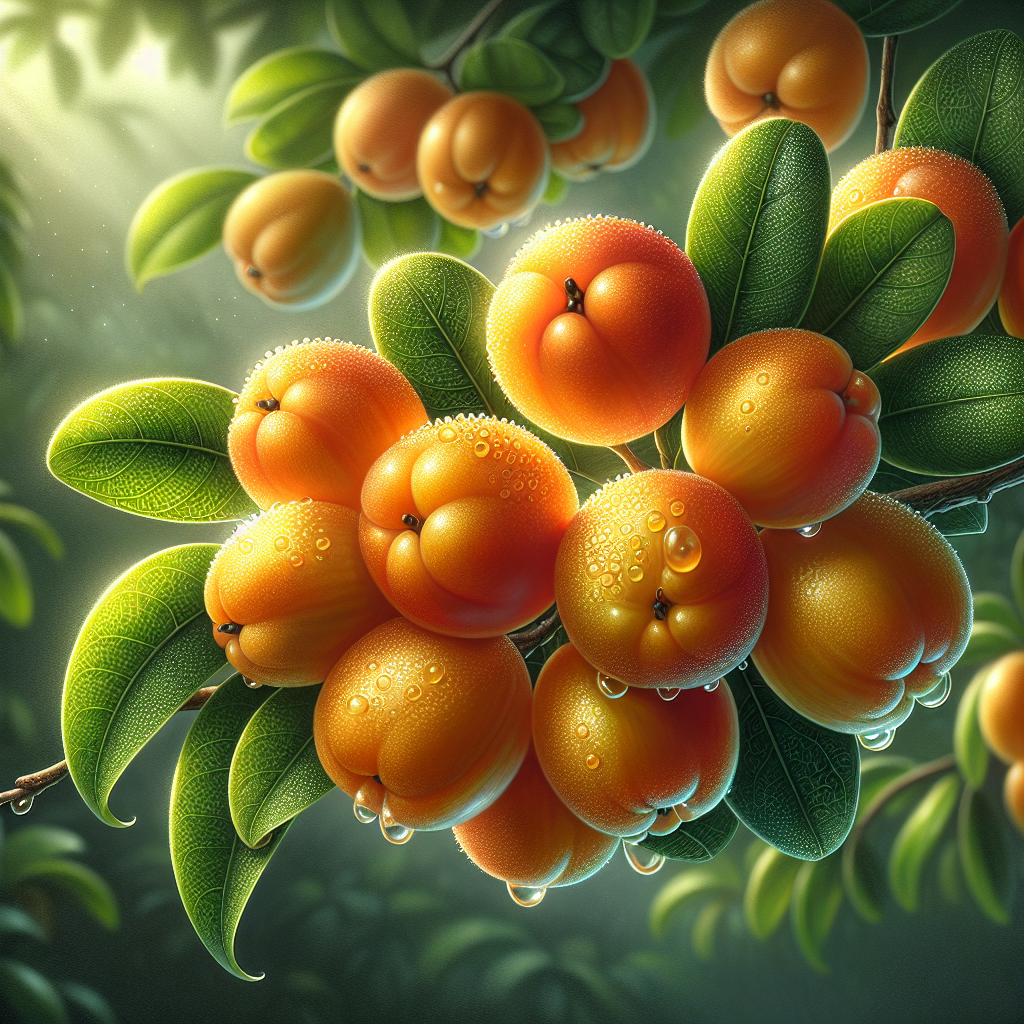
Pitomba (Eugenia luschnathiana), also known as the orange guava or Surinam cherry relative, is an underappreciated gem in tropical and subtropical agriculture. This small evergreen tree produces clusters of small, bright orange fruits that burst with a juicy, sweet-tart flavor profile—often compared to a mix of mango, apricot, and pineapple. Native to the coastal regions of eastern Brazil, particularly the Atlantic Forest biome, Pitomba has gained popularity among home gardeners, permaculturists, and small-scale farmers for its ornamental appeal, low maintenance, and prolific fruiting.
The tree's glossy green leaves, fragrant white flowers, and cascading fruit clusters make it a stunning addition to landscapes, while its fruits are versatile for fresh eating, juices, jams, and desserts. Commercially, Pitomba shows promise in niche markets due to its high vitamin C content and antioxidant properties. However, successful cultivation outside its native range requires understanding its specific environmental needs, as it is sensitive to cold and poor drainage. This comprehensive guide equips growers with professional-grade strategies to maximize yields, drawing from botanical research and field-tested practices. Whether you're planting in Florida, Hawaii, or a heated greenhouse, mastering Pitomba cultivation can yield 20-50 kg of fruit per mature tree annually.
Botanical Profile of Pitomba (Eugenia luschnathiana)
Pitomba belongs to the Myrtaceae family, closely related to guava and jabuticaba. Eugenia luschnathiana is a slow-to-moderate growing evergreen tree reaching 4-8 meters (13-26 feet) in height, with a dense, rounded canopy up to 5 meters wide. Its leaves are opposite, lanceolate, 5-10 cm long, leathery, and dark green with prominent veins, providing year-round shade and aesthetic value.
Flowers emerge in spring and summer as small, white, four-petaled blooms (1 cm diameter) clustered along branch tips, exuding a sweet fragrance that attracts bees and other pollinators. Pollination is primarily entomophilous, with self-fertile varieties common, though cross-pollination enhances yields. Fruits develop 2-3 months post-flowering, maturing in clusters of 10-30. Each fruit is spherical to ovoid, 1.5-3 cm in diameter, with thin, tough, orange-yellow skin and juicy, orange flesh surrounding 1-2 small, hard seeds. The pulp is aromatic, with Brix levels of 12-18°, balancing sugar and acidity (pH 3.5-4.0). Peak season spans late summer to fall in the Northern Hemisphere.
Root system is fibrous and shallow, extending 2-3 times the canopy width, making it somewhat wind-resistant but prone to toppling in loose soils. Trees live 30-50 years, with peak productivity from years 5-20. Notable cultivars include 'Pitomba Vermelha' (larger fruits) and dwarf selections for containers. For more on related Myrtaceae crops, see guava.
Soil, pH, and Climate Requirements for Pitomba (Eugenia luschnathiana)
Pitomba demands well-drained, fertile soils rich in organic matter, mimicking its native sandy-loam habitats. Ideal soil is loamy with 20-30% organic content, avoiding heavy clays that cause waterlogging. Test for pH 5.5-7.0; amend acidic soils with lime (1-2 kg/tree/year) and alkaline ones with sulfur or peat. Incorporate compost or aged manure at 5-10 kg per planting hole to boost microbial activity and nutrient retention.
Climate-wise, Pitomba flourishes in USDA zones 10-11, tolerating brief dips to 28°F (-2°C) but suffering leaf drop below 32°F (0°C). Optimal temperatures are 68-86°F (20-30°C) daytime, with high humidity (60-80%). It requires 1200-2000 annual chill hours? No—Pitomba is tropical, needing full sun (6-8 hours daily) and 1000-1500 mm rainfall, evenly distributed. Drought stress reduces fruit set; supplement with drip irrigation during dry spells. In marginal climates, use frost blankets or microclimates near south-facing walls. Salt tolerance is moderate, suiting coastal plantings. For heatwave strategies, check Why Summer Heatwaves Are Silently Killing Small Farm Yields - And 7 Organic Strategies to Fight Back. Wind protection via hedges is essential for young trees.
Step-by-Step Planting & Propagation
Propagation: Seeds germinate in 20-40 days at 77-86°F (25-30°C) with 80% success; scarify and soak in water 24 hours. Air-layering (marcotting) yields 90% rooted plants in 2-3 months—ideal for clones. Cuttings root in mist with IBA (3000 ppm). Grafted trees (on Eugenia rootstocks) fruit 1-2 years sooner.
Site Preparation: Select full-sun sites with windbreaks. Dig 60x60x60 cm holes, filling with 40% native soil, 40% compost, 20% sand/perlite. Space trees 4-6 m apart for orchards, 3 m for hedges.
Planting: Plant in early spring or rainy season. Position graft union 10 cm above soil. Water deeply (20-30 L/tree), mulch 10 cm thick with organic material (bark, leaves) to retain moisture and suppress weeds. Stake if needed.
Young Tree Care: Irrigate weekly first year (50% field capacity). Fertilize monthly with balanced NPK 10-10-10 (100 g/tree, increasing 50 g/year). Prune lightly to shape.
Care & Maintenance regimes for Pitomba (Eugenia luschnathiana)
Watering: Deep, infrequent—1-2x/week, 20-40 L/tree, adjusting for rain. Mulch conserves 30% water.
Fertilization: Annual regime: Spring NPK 12-6-6 (200-500 g/tree), summer high-P for fruit (6-30-10), fall K-boost (0-0-50). Foliar micronutrients (Fe, Zn, Mn) quarterly. Soil test yearly.
Pruning: Annual post-harvest: Remove deadwood, water sprouts, thin canopy for light penetration (20-30% removal). Train to central leader for orchards.
Weed Control: Mulch + shallow cultivation; cover crops like clover suppress competitors.
Pollination Boost: Plant bee-attracting flowers nearby.
Mature trees need minimal intervention, yielding reliably with basic care.
Pests, Diseases & Organic Management
Pests: Common foes include aphids, scale insects, mealybugs, fruit flies, and birds. Monitor weekly; blast with water, apply neem oil (2-3 ml/L, weekly). Introduce ladybugs. Net fruits against birds.
Diseases: Root rot (Phytophthora) from poor drainage—use biofungicides (Trichoderma). Anthracnose causes fruit spots; copper sprays preventively. Powdery mildew in humid conditions—potassium bicarbonate. Avoid overhead watering. For broader strategies, see Why 90% of Small Farms Fail at Pest Management - And 8 Organic Fixes That Actually Work.
Integrated Management: Rotate cultures, sanitize tools, promote biodiversity. Organic yields match chemical with vigilance.
Harvesting, Curing & Optimal Storage
Harvest when fruits fully orange, slightly soft (Brix >12°). Twist or clip clusters—yields peak over 4-6 weeks. Handle gently to avoid skin tears.
Post-Harvest: No curing needed; refrigerate at 50-59°F (10-15°C), 85-90% RH for 2-3 weeks. Ripen at room temp. Process into pulp (freeze 6-12 months) or dry for snacks.
Yield Optimization: Selective picking extends season; market fresh or value-added.
Companion Planting for Pitomba (Eugenia luschnathiana)
Pair with nitrogen-fixers like pigeon pea for soil enrichment, herbs like thyme or marigold for pest repulsion. Underplant with strawberry guava dwarfs or low ginger. Avoid heavy feeders like corn. Benefits: pest deterrence, microclimate moderation, pollinator attraction. For more, explore Why Companion Planting Feels Like Guesswork for Small Farms - And How AI Makes It Foolproof.