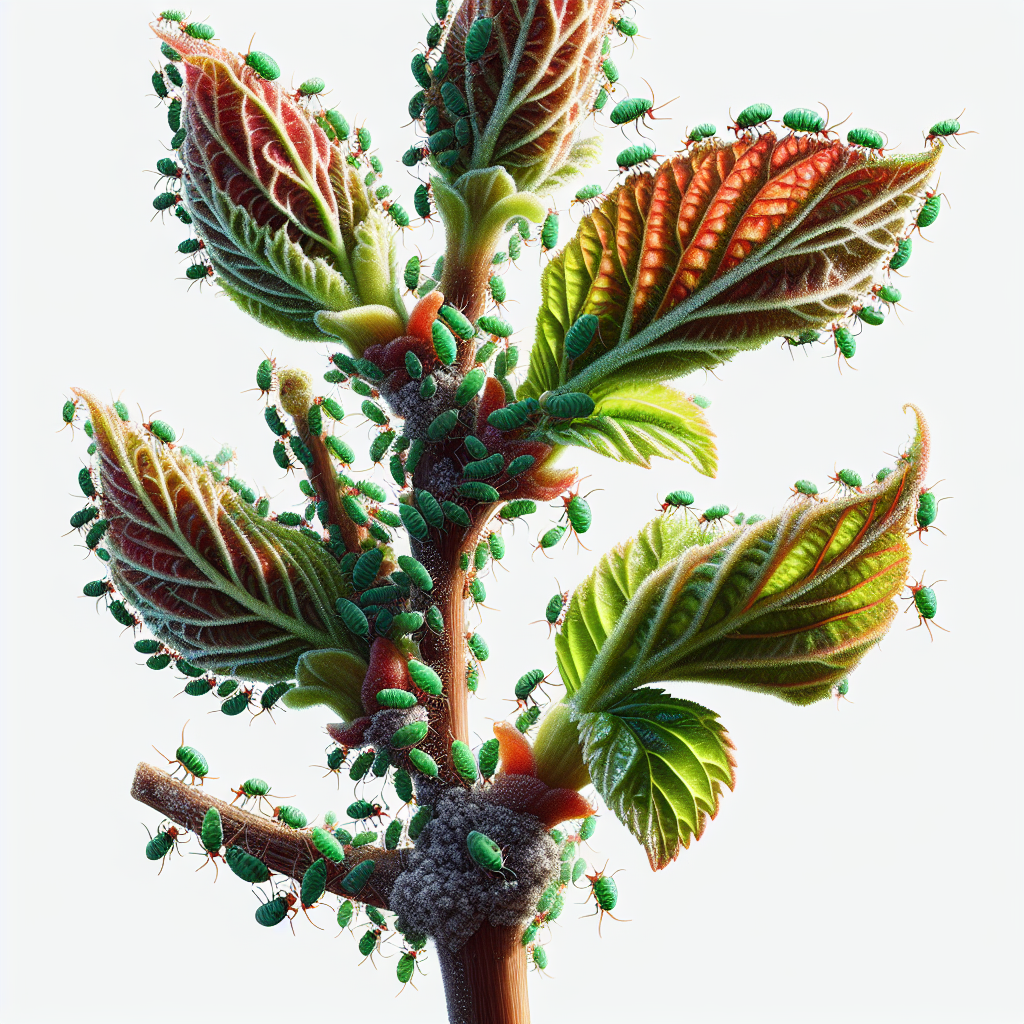
Introduction to plum aphids
Plum aphids, primarily species like Brachycaudus helichrysi (leaf-curling plum aphid) and Hyalopterus pruni (mealy plum aphid), are pervasive pests in orchards worldwide, especially on Plum (crop) trees and other Prunus species. These tiny, soft-bodied insects (1-3 mm long) pierce plant tissues to extract sap, weakening trees and transmitting viruses. Home gardeners and commercial growers alike face challenges from their explosive population growth in spring, which can distort new foliage, reduce fruit quality, and attract ants that protect them for honeydew. Early detection is crucial, as untreated infestations can slash yields by 30-50% in severe cases. This guide provides professional diagnostics, lifecycle insights, and proven organic management strategies to safeguard your plum harvest. For broader context on aphid pests, see the Aphids (pest) wiki page.
Understanding plum aphids empowers proactive defense. Native to temperate regions, they overwinter as eggs on bark, hatching in early spring to colonize tender shoots. Their pear-shaped bodies range from pale green to reddish-brown, often with a waxy coating in mealy types. Colonies cluster on undersides of leaves, new growth, and fruit stems, excreting sticky honeydew that promotes sooty mold (disease). Beyond direct feeding damage, they vector pathogens like plum pox virus, compounding losses. Integrated pest management (IPM) focusing on monitoring, biological controls, and cultural tactics yields sustainable results without synthetic chemicals.
Identifying Symptoms & Damage
Spotting plum aphid damage early prevents escalation. Initial signs include tightly curled young leaves on shoot tips, giving a stunted, twisted appearance. Affected foliage yellows or reddens, wilts, and drops prematurely, reducing photosynthesis and vigor. Inspect undersides for clusters of aphids—tiny, pear-shaped bugs with antennae and cornicles (tail pipes). Mealy plum aphids produce white, waxy filaments, resembling dust.
Honeydew glistens on leaves and fruit, fostering black sooty mold (disease) that blocks light and harbors fungi. Fruits may be small, deformed, or aborted, with shiny, sticky surfaces attracting ants. Severe infestations cause shoot dieback, branch weakening, and honeydew-dripping onto lower plants. Differentiate from mites (pest) (speck-sized, webbing) or scale insects (pest) (armored shells) by aphids' mobility and soft bodies—crush easily between fingers.
Diagnostic tips: Use a 10x hand lens for confirmation. Shake shoots over white paper; aphids tumble like pepper grains. Monitor during bud break to flowering. Yield impacts: Light infestations (<10% shoots) cause minor cosmetic damage; heavy ones (>50%) drop fruit set by 40%. Track growth distortion on Peach (crop) or Cherry (crop) too, as they share susceptibility. For more on small-farm pest ID, check this Spring Pest Patrol: Organic AI Strategies to Shield Your Crops from Common Invaders.
Lifecycle and Progression of plum aphids
Plum aphids complete 10-20 generations yearly, driven by parthenogenesis (virgin births). Eggs overwinter in bark crevices on plum, prune, and wild Prunus, hatching at bud swell (March-April in temperate zones). Wingless females (nymphs to adults in 7-10 days) colonize shoots, birthing 5-10 nymphs daily for 2-3 weeks.
Populations explode in cool (50-70°F), humid springs, peaking at green tip to petal fall. Winged forms (alates) disperse to summer hosts like grasses or herbs when colonies overcrowd. In fall, return migrants produce sexual forms laying overwintering eggs. Mealy plum aphids favor peach roots in summer. Lifecycle spans 20-40 days per generation, accelerating in warmth.
Progression: Eggs → Nymphs (4 instars, 5-7 days) → Wingless adults → Alates → Fundatrices (foundresses). Cold snaps (<40°F) or predators slow buildup. Scout weekly; thresholds: 10 aphids/shoot pre-bloom, 50 post-bloom. Understanding timing enables targeted interventions, minimizing broad sprays.
Environmental Triggers & Risk Factors
Plum aphids flourish under specific conditions. Cool, moist springs (50-65°F, high RH) trigger egg hatch and rapid reproduction; droughts or heat (>85°F) induce dispersal. Over-fertilization with nitrogen promotes tender growth, ideal for feeding. Poor air circulation in dense canopies fosters humidity hotspots.
Risk factors: Susceptible varieties like Santa Rosa Plum (crop); nearby wild plums or Damson Plum (crop) as reservoirs. Ants farm aphids, pruning infested tips worsens spread. Weakened trees from drought, root rot (disease), or over-cropping attract more. New orchards from infested nursery stock face outbreaks. Climate shifts extend seasons, increasing generations. Mitigate by site selection (sheltered but ventilated) and balanced nutrition.
Organic Control & Treatment Plans
Organic management prioritizes IPM: monitor, disrupt lifecycle, deploy predators. Cultural: Prune infested tips pre-bloom; space trees for airflow. Blast colonies with strong water jets (2-3x/week). Reflectant mulches deter alates.
Biological: Release ladybugs (Hippodamia convergens, 1,500/acre), lacewings (Chrysoperla spp.), or predatory midges. Plant nectar-rich Thyme (crop) or Yarrow (crop) borders. Avoid broad insecticides preserving predators.
Organic Sprays: Dormant oil (2-3% superior oil) smothers eggs (late winter). Horticultural oil or insecticidal soap (1-2% weekly) targets nymphs; apply evenings to spare bees. Neem oil disrupts hormones (0.5-1%, 7-day intervals). Pyrethrins as last resort, rotate to prevent resistance.
Treatment Plan: Week 1: Scout, water blast. Week 2: Oil/soap if >20 aphids/shoot. Ongoing: Predators, traps. Thresholds ensure minimal intervention. Success rates: 80-95% with consistent IPM.
Preventing plum aphids in the Future
Prevention builds resilience. Select resistant cultivars like 'Brooks' or 'Shiro'. Plant polycultures with aphid-repellent Garlic (crop) or Nasturtium (crop). Maintain vigor via balanced fertilizers (low N), irrigation scheduling.
Sanitation: Remove wild Prunus, destroy debris. Ant baits (boric acid) disrupt mutualism. Reflective barriers or yellow sticky traps catch alates. Dormant sprays annually. Monitor with apps or scouts. Long-term: Encourage biodiversity for natural enemies. Rotate tactics yearly. These yield 70% fewer outbreaks.
Crops Most Affected by plum aphids
Primarily stone fruits: Plum (crop) (all varieties), Peach (crop), Cherry (crop), apricot, nectarine. Secondary: Pear (crop), almond. Ornamental Prunus. Rare on Apple (crop). Global impact: Europe/Asia (H. pruni dominant), North America (B. helichrysi). Yields drop 20-60% untreated. Protect these for sustained production.