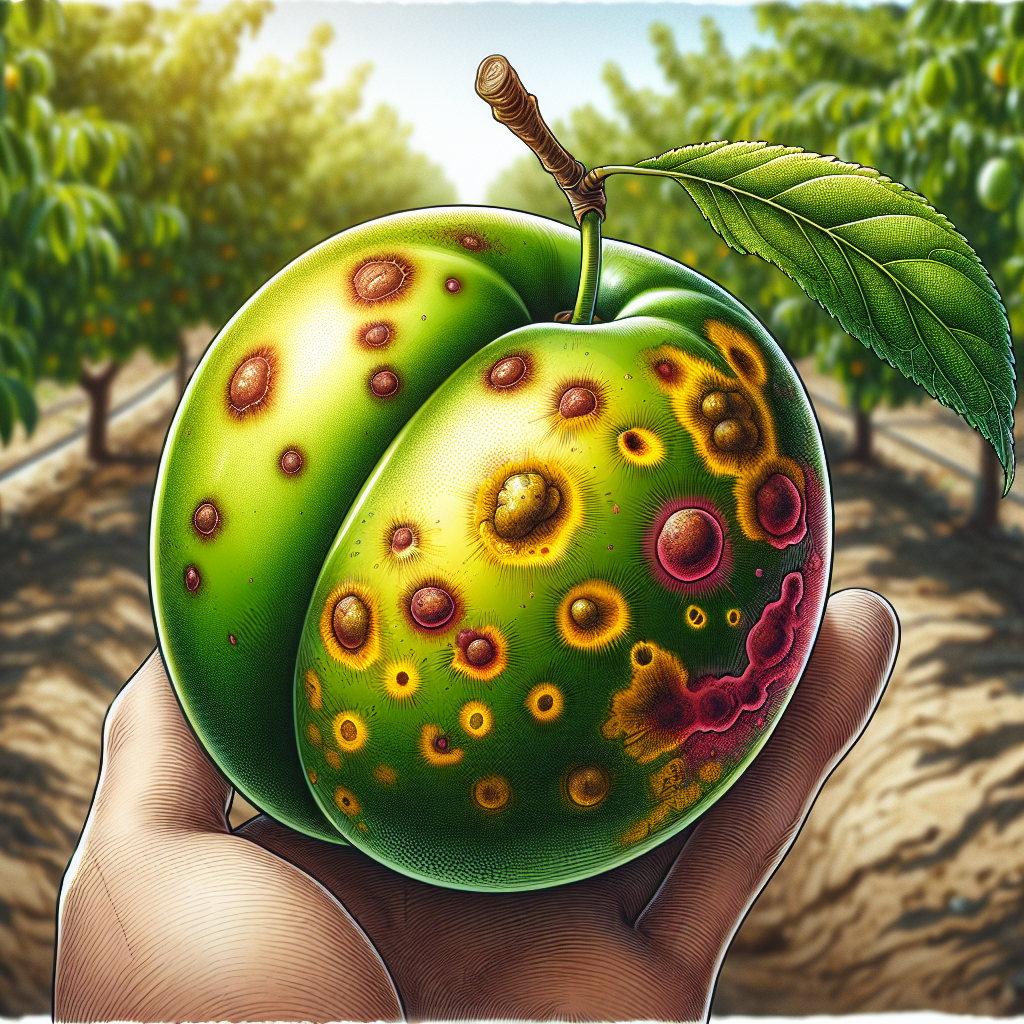
Introduction to plum pox virus
Plum pox virus (PPV), scientifically known as Potyvirus plum pox potyvirus, represents one of the most destructive diseases affecting stone fruit crops worldwide. First identified in Bulgaria in the early 1900s, it has since spread to over 30 countries across Europe, Asia, and North America, earning quarantine status in many regions due to its potential for catastrophic economic losses. Commonly referred to as sharka disease, PPV targets Plum (crop) trees and related Prunus species, leading to deformed, necrotic fruits that are unsuitable for fresh markets or processing.
The virus belongs to the Potyviridae family, characterized by flexuous rod-shaped particles approximately 700-900 nm long. It infects over 10 Prunus species, with symptoms varying by host, strain, and environmental conditions. In commercial orchards, PPV can reduce yields by 30-100% over successive seasons, with infected trees becoming chronic carriers that perpetuate the disease. Economic impacts are profound: in Europe alone, eradication programs have cost billions, while in Pennsylvania, USA, a 2006 outbreak led to the destruction of over 600,000 peach and nectarine trees valued at $100 million.
Transmission occurs primarily through aphid vectors like the green peach aphid (Myzus persicae) in a non-persistent stylet-borne manner, meaning aphids acquire and transmit the virus within minutes without needing to colonize the plant. Additional spread happens via infected propagation material (budwood, rootstocks), mechanical wounding during pruning, and rarely through pollen or seeds. No cure exists for infected trees, making early detection and rogueing (removal) critical. This guide equips growers with diagnostic tools, organic management plans, and prevention protocols to safeguard orchards. For more on affected stone fruits like peaches, see our detailed Peach (crop) cultivation wiki.
Identifying Symptoms & Damage
Accurate identification of plum pox virus hinges on recognizing its distinctive foliar, fruit, and wood symptoms, which appear 1-3 years post-infection. Early foliar signs include chlorotic spots and blotches on leaves, often with a light-dark green mottle pattern resembling a mosaic. As the disease progresses, leaves develop vein banding—clear yellow lines along veins—and wavy, crinkled margins. In severe cases, leaves show shot-hole necrosis where chlorotic areas drop out, creating tattered appearances by mid-summer.
Fruit symptoms are the most diagnostic and economically devastating, typically emerging 4-6 weeks before harvest. Infected plums exhibit irregular chlorotic blotches, yellowing, and reddish-brown rings or streaks on the skin. The flesh becomes necrotic with bitter, brown spots, and fruits often split prematurely or drop. Deformed 'sharka' fruits are smaller, asymmetrical, and unsellable, with yield losses escalating in chronic infections. On Cherry (crop) trees, fruits show pale green rings and brown pits; peaches display yellow grooves and necrotic lines along the suture.
Tree-level damage includes dieback of young shoots, gummosis (oozing sap), and stunted growth. Latent infections in some cultivars like 'Stanley' plum show minimal symptoms yet harbor high viral titers, complicating detection. Differentiate PPV from similar issues like powdery mildew (disease) (powdery white coating), bacterial blight (disease) (angular lesions with halos), or aphids (pest) feeding damage (honeydew and sooty mold). Lab confirmation via ELISA, RT-PCR, or DASI-ELISA on leaf petioles or fruit is essential, with thresholds of 1:200 dilution positivity. Visual scouting in zigzag patterns across orchards, focusing on borders near wild Prunus, is key during bloom-to-harvest.
Lifecycle and Progression of plum pox virus
Plum pox virus lacks a true lifecycle as a non-persistent pathogen, persisting indefinitely in perennial Prunus hosts without a soil or vector stage. Infection initiates via aphid stylet transmission during brief probes (5-120 seconds acquisition, 2-60 seconds inoculation). The virus moves cell-to-cell via plasmodesmata and long-distance through phloem sieve tubes, reaching meristems for systemic spread. Once established, PPV titers peak in young leaves and fruits in spring-summer, dipping in winter dormancy but remaining viable in bark and buds.
Progression unfolds in phases: Year 1 post-infection shows subtle mottling; Year 2 brings pronounced leaf deformation and shoot tip necrosis; by Year 3+, fruits exhibit classic sharka symptoms with 50-80% cull rates. Strains like PPV-M (marcus) cause milder symptoms on plums but severe on apricots, while PPV-D (Dideron) devastates peaches. Aphid flights peak in spring (bloom) and autumn, amplifying spread 10-100 fold in unmanaged orchards. Overwintering occurs in buds, bark cambium, and roots, with no free vector stage—aphids merely shuttle virions.
Chronic infections lead to cumulative decline: trees produce fewer blossoms, set deformed nuts, and succumb to secondary stressors like root rot (disease). Modeling studies show epidemics double infected trees annually without intervention. Check out this insightful Why Misidentifying Plants Costs Small Farms Thousands - And How AI Camera Diagnosis Fixes It Fast blog for tech aids in symptom ID.
Environmental Triggers & Risk Factors
PPV thrives in temperate climates (15-25°C optima), with epidemics fueled by mild winters, humid springs, and dense aphid populations. High-risk zones include river valleys, abandoned orchards harboring feral Prunus, and areas with overlapping bloom periods. Soil types matter little, but heavy clay retaining moisture stresses trees, exacerbating symptoms. Aphid hotspots near Potato (crop) fields or brassicas amplify transmission, as green peach aphids alternate hosts.
Key triggers: Immigration of viruliferous aphids from weeds/Poaceae; mechanical spread via contaminated tools in wet weather; use of uncertified nursery stock (90% of outbreaks trace here). Risk soars in orchards >5 years old without rogueing, with edge effects causing 70% of new infections. Drought or excess nitrogen favors aphid proliferation, while windbreaks reduce vector flights by 40%. Quarantine zones (e.g., EU directives) flag high-risk imports from endemic areas like Eastern Europe.
Organic Control & Treatment Plans
No chemical curative exists; management relies on integrated organic strategies emphasizing cultural, biological, and physical controls. Core plan: Immediate rogueing—remove and burn/destroy infected trees within 10m radius, disinfecting tools with 10% bleach or 70% alcohol between cuts. This halts 80-95% of local spread.
Vector management: Deploy reflective mulches (aluminum-coated plastic) pre-bloom to deter alates by 50-70%; plant trap crops like nasturtiums to lure aphids away. Release biologicals: ladybugs (Coccinellidae), lacewings (Chrysoperla carnea) at 1,000/ha, and predatory mites. Oil sprays (summer/dormant horticultural oils at 2% v/v) smother aphids without residues, timed for aphid peaks via yellow sticky traps (20-30/cm² threshold triggers action).
Nutritional boosts: Foliar calcium (1-2% chelate) and potassium silicate enhance cell walls, delaying symptom expression by 2-4 weeks. Mycorrhizal inoculants improve root vigor, aiding tolerance. Eradication protocol: Scout monthly April-October; test 10% of trees annually via PCR; replant with PPV-resistant rootstocks like 'Myrobalan 29C' or GF305 indicator seedlings for indexing.
For small farms, success stories show 90% control via vigilant rogueing + mulching. Monitor with apps integrating trap counts and weather data.
Preventing plum pox virus in the Future
Prevention is paramount, centering on certified materials and vector exclusion. Source virus-indexed budwood from registered programs (e.g., USDA APHIS-approved); heat-treat scions at 38°C/10 days if suspect. Establish 100m buffer zones around orchards, eradicating wild Prunus within 500m. Insecticide-free barriers: tall windbreaks (e.g., Thyme (crop) hedges) cut aphid influx 60%; fine mesh netting (0.3mm) over young trees.
Site selection avoids low-lying frost pockets favoring aphids. Annual certification testing for commercial blocks; quarantine new plantings 3 years. Community efforts: regional rogueing campaigns reduce inoculum 95%. Long-term breeding deploys resistant cultivars like 'Jojo' or 'Harrow Beauty' plums, showing <5% infection after 10 years exposure. Educate via extension services; report suspects immediately to avoid fines/spread.
Crops Most Affected by plum pox virus
PPV primarily devastates Prunus genus stone fruits, with plums most susceptible (90% infection rates). European plums (P. domestica) like 'Stanley' suffer 70-100% yield loss; Japanese plums (P. salicina) show milder but chronic decline. Peach (crop) trees exhibit suture-line necrosis, dropping 50% fruit; apricots (P. armeniaca) develop bitter pits, unmarketable at 80% cull. Sour Cherry (crop) shows gummosis and fruit rings; almonds (P. dulcis) latent infections reduce nut quality 30%. Wild hosts like blackthorn (P. spinosa) serve reservoirs. Emerging threats to nectarines and ornamental Prunus hybrids underscore broad host range.