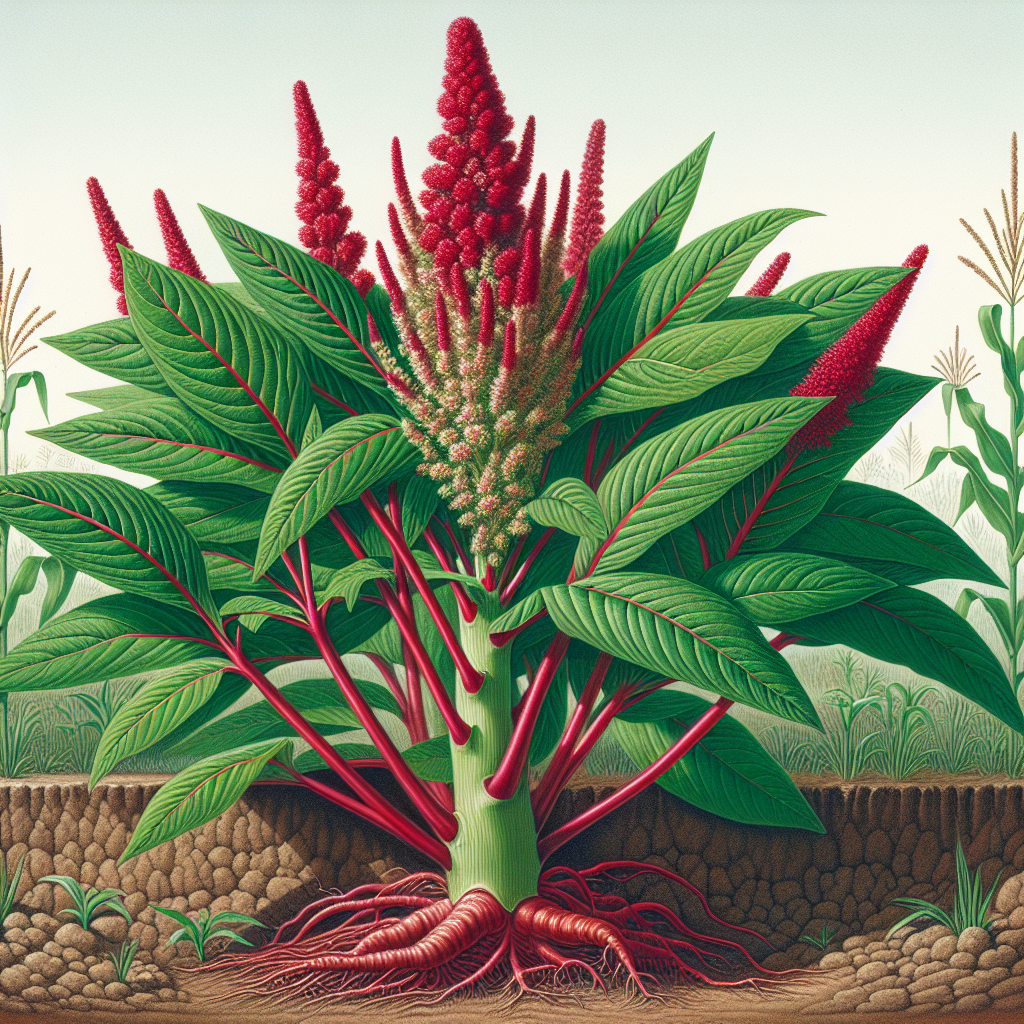
Introduction to pigweed
Pigweed, belonging to the Amaranthus genus, represents one of the most notorious weed families in global agriculture. Common species include redroot pigweed (Amaranthus retroflexus), Palmer amaranth (Amaranthus palmeri), and Powell's amaranth (Amaranthus powellii). These fast-growing summer annuals thrive in disturbed soils, rapidly colonizing corn, soybeans, cotton, and vegetable fields. A single plant can produce over 100,000 seeds, ensuring long-term infestation if not managed properly. For small farms and large operations alike, pigweed reduces yields by up to 90% in severe cases by shading crops and depleting soil resources. Early identification and integrated management are crucial, especially with rising herbicide resistance. This definitive guide equips growers with professional diagnostics, lifecycle knowledge, organic controls, and prevention strategies to reclaim fields from pigweed invasion. Learn how to spot early symptoms, disrupt its lifecycle, and implement sustainable practices for weed-free harvests.
Identifying Symptoms & Damage
Pigweed damage manifests through competition rather than direct feeding, making early detection vital. Look for dense stands of erect, bushy plants with simple, oval to diamond-shaped leaves on reddish stems—redroot pigweed features a distinctive red root, while Palmer amaranth has petioles longer than leaves. Young seedlings emerge with cotyledons and true leaves that are hairless and slightly notched. Mature plants reach 1-6 feet tall, with dense flower spikes forming terminal panicles that turn from green to red or pink.
Damage symptoms include stunted crop growth, yellowing leaves from nutrient deficiency, and reduced stand density. In row crops like soybeans, pigweed emerges alongside or ahead of the crop, quickly overtopping it and blocking sunlight. Yield losses correlate with pigweed density: 10 plants per square meter can slash corn yields by 30-50%. Examine field edges and compacted soils first, as pigweed favors these microsites. Differentiate from similar weeds like lamb's quarters (hairy leaves) or waterhemp (slender leaves without hairs). Use the "leaf tip test": Palmer amaranth leaves have sharp, pointed tips. Scout weekly from planting, pulling samples for confirmation. Associated issues include harboring flea beetles or aphids, amplifying secondary pest pressure.
Lifecycle and Progression of pigweed
Understanding pigweed's lifecycle is key to timing interventions. As summer annuals, seeds germinate in spring when soil temperatures hit 55-60°F (13-16°C), with waves continuing into summer. Redroot pigweed germinates earliest (March-May), while Palmer amaranth extends to late summer. Seedlings develop rapidly, reaching 4-6 inches in 2-3 weeks under optimal warmth.
Vegetative growth features branching stems and alternate leaves, transitioning to reproductive phase at 1-3 feet tall. Flowering occurs mid-summer, with male (pollen-producing) and female (seed-producing) plants. Each female produces 50,000-500,000 tiny, black seeds with 80-90% viability, lasting 20+ years in soil banks. Seeds shatter naturally, spreading via wind, water, machinery, or animals. Plants senesce in fall, but deep taproots (up to 6 feet) access water during drought. Multiple emergences per season demand season-long management. Disrupt at pre-emergence, vegetative (4-6 leaf), or flowering stages for best control. Monitor soil seedbanks; tillage can bring buried seeds to surface, triggering germination.
Environmental Triggers & Risk Factors
Pigweed exploits specific conditions for dominance. High soil nitrogen (from manure or fertilizers) fuels lush growth, while disturbed, tilled soils provide ideal seedbeds. No-till systems reduce emergence by 50-70% by leaving residue mulch. Warm, moist springs with soil pH 5.5-7.5 accelerate germination; drought-tolerant once established. Compacted wheel tracks, field margins, and low spots are hotspots. Crop rotation gaps, like post-wheat or fallow periods, invite invasion. Contaminated manure, hay, or equipment transports seeds. Glyphosate-resistant biotypes, now widespread in corn and soybeans, thrive under repeated herbicide use. Climate change extends growing seasons, boosting seed production. Risk assessment: score fields on tillage history, prior infestations, and rotation diversity. Mitigation starts with soil testing and residue management. For more on small farm challenges, see Why Misidentifying Plants Costs Small Farms Thousands - And How AI Camera Diagnosis Fixes It Fast.
Organic Control & Treatment Plans
Organic pigweed management relies on integrated cultural, mechanical, and biological tactics. Cultural: Plant competitive cover crops like buckwheat or clover post-harvest to suppress germination. Optimize crop density; dense corn stands shade pigweed. Mulch with 4-6 inches of straw or wood chips blocks light.
Mechanical: Tillage buries seeds deep; moldboard plowing reduces surface populations by 90%. Hand-pull or hoe at 4-leaf stage before rooting deepens—critical in small gardens. Flame weeding or high-residue cultivation disrupts seedlings. Rotary hoes work pre-canopy closure.
Biological: Encourage natural enemies like ground beetles that consume seeds. Vinegar (20% acetic acid) or clove oil-based contact herbicides burn foliage; apply on sunny days to small plants. Corn gluten meal (20% by weight) inhibits germination as pre-emergent.
Integrated Plan: Scout weekly. Week 1-2: stale seedbed—till/flame empty field. Week 3: plant cover/companion crops. Ongoing: cultivate between rows. Threshold: 1 plant/10 sq ft. Rotate with potato or tomato for natural suppression. Solarization (clear plastic over moist soil, 4-6 weeks summer) kills 95% seeds. Track progress with density maps. Avoid over-reliance on any method to prevent resistance.
Preventing pigweed in the Future
Long-term prevention targets the seedbank. Clean equipment thoroughly—pigweed seeds stick to tires and combines. Use certified weed-free seed and manure; hot compost kills seeds. Implement diverse rotations: legume-grass sequences deplete banks over 3-5 years. Cover cropping year-round starves seeds of light. Narrow-row spacing in soybeans closes canopy faster. Soil solarization or deep burial (12+ inches) for high-infestation fields. Prevent seed set: rogue plants before flowering. Monitor borders with mowed strips. Threshold-based management: act when <5% ground cover. For small farms, Soil Health Mastery: 5 Proven Strategies for Small Farms to Build Fertile Ground Without Breaking the Bank offers complementary tactics. Annual seedbank decline: 50-80% with prevention.
Crops Most Affected by pigweed
Pigweed devastates row crops and vegetables. Corn suffers 34 bu/acre loss per plant; soybeans yield drops 50% at 2 plants/row ft. Cotton faces fiber quality issues from shading. Vegetables like tomato, cucumber, and squash see hand-weeding labor spikes. Rice fields in flooded systems escape somewhat, but dry-seeded rice competes poorly. Orchards (apple, peach) host pigweed under trees, harboring aphids. Turf and pastures lose forage value. Palmer amaranth hits southern corn/soybeans hardest due to resistance. Quantify impact: economic threshold 1-5 plants/m² varies by crop competitiveness.