Introduction to Pimenta Malagueta
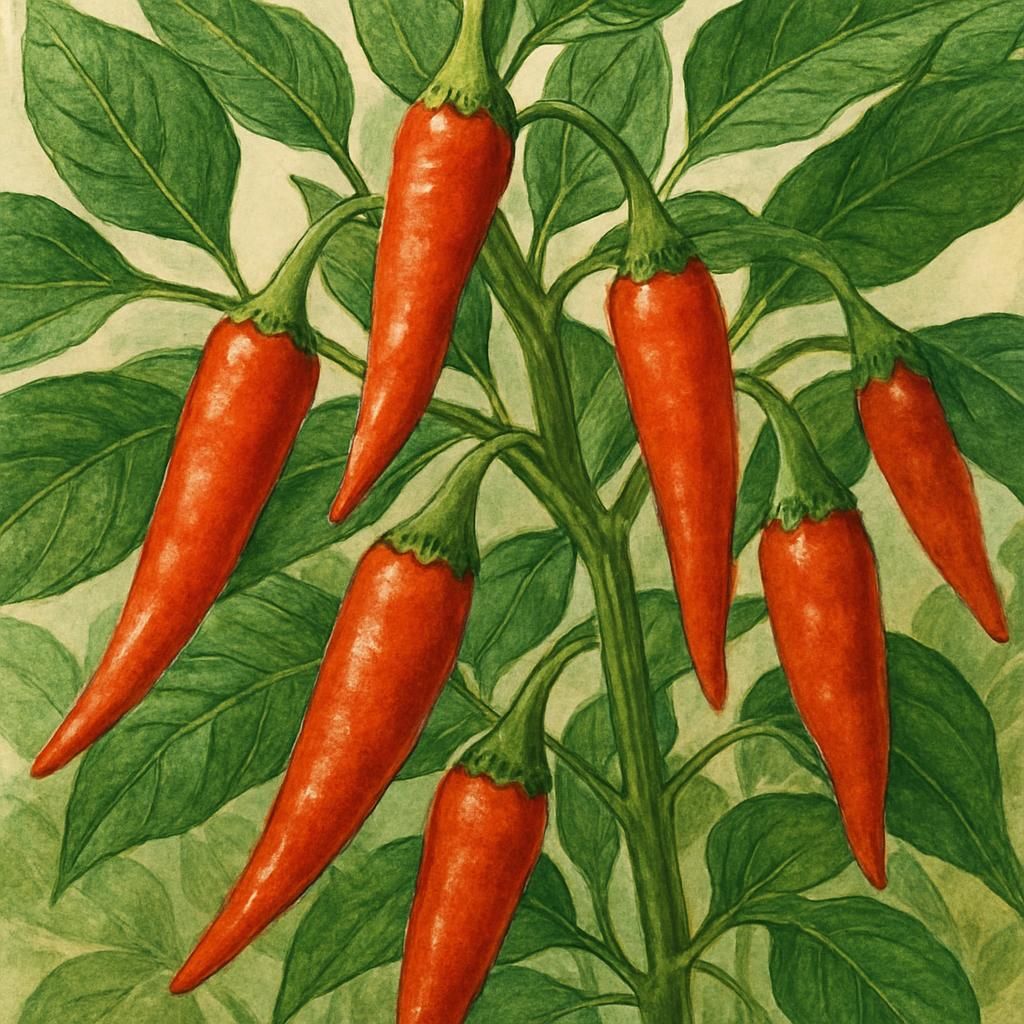
Pimenta Malagueta is a fiery chili pepper variety native to Brazil and Portugal. Known for its intense heat, this chili pepper has gained popularity in various cuisines around the world. The Pimenta Malagueta plant is a perennial shrub that produces small, elongated peppers. These peppers are frequently used in sauces, marinades, and as a spice in a variety of dishes. Understanding the proper growing conditions and care requirements is essential for cultivating this spicy crop.
Botanical Profile of Pimenta Malagueta
The scientific name for Pimenta Malagueta is Capsicum frutescens. This species belongs to the Solanaceae family, which includes other nightshades such as potatoes and tomatoes. The plant grows to a height of approximately 24 inches and produces peppers that are about 1.5 to 2 inches long. The fruits start as a green color and mature to a vibrant red when fully ripe. These peppers rank between 60,000 to 100,000 units on the Scoville scale, making them quite hot compared to other chili varieties.
Soil, pH, and Climate Requirements for Pimenta Malagueta
To grow Pimenta Malagueta successfully, it is important to provide the right soil, pH, and climate conditions. Here is a markdown table summarizing the ideal conditions for cultivation:
| Factor | Ideal Condition |
|---|---|
| Soil Type | Well-drained, sandy loam |
| Soil pH | 5.5 - 7.0 |
| Temperature Range | 70°F - 85°F (21°C - 29°C) |
| Sunlight | Full sun, 6-8 hours/day |
| Humidity | Moderate to high |
Step-by-Step Planting & Propagation
- Seed Selection: Start with high-quality seeds from a reputable supplier.
- Germination: Soak seeds in warm water for 24 hours before planting them in seed trays filled with seed-starting mix. Keep the soil moist and warm (between 75°F and 80°F) until germination, which can take 7-14 days.
- Transplanting: Once seedlings have two to four leaves, transplant them to a garden bed or containers, spacing them 12-18 inches apart.
- Timing: Plant seeds indoors 8-10 weeks before the last expected frost date, and transplant outdoors after the threat of frost has passed.
- Companion Planting: Consider planting Basil nearby to promote growth and deter pests.
Care & Maintenance Regimes for Pimenta Malagueta
Proper care and maintenance are crucial for a healthy Pimenta Malagueta crop. The following table provides a schedule for watering, fertilizing, and pruning:
| Task | Frequency | Notes |
|---|---|---|
| Watering | 1-2 times/week | Water deeply to ensure roots receive adequate moisture |
| Fertilizing | Every 4-6 weeks | Use a balanced fertilizer, rich in phosphorous |
| Pruning | As needed | Remove yellowing leaves and thin crowded areas |
Pests, Diseases & Organic Management
Pimenta Malagueta is susceptible to common pepper pests and diseases such as Spider mites and Powdery mildew. To manage these issues organically:
- Utilize insecticidal soap or neem oil to control pests.
- Ensure adequate air circulation to prevent fungal diseases.
- Remove any diseased foliage promptly to reduce spread.
Explore more organic strategies for pest management in the blog post 7 Summer Pest Traps That Sabotage Small Farm Harvests.
Harvesting, Curing & Optimal Storage
- Harvesting: Pimenta Malagueta peppers are ready to harvest when they reach their mature red color. Use scissors or pruning shears to cut peppers from the plant to prevent damage.
- Curing: Allow the harvested peppers to air-dry in a warm, well-ventilated area to harden their skins before storage.
- Storage: Store dry peppers in airtight containers in a cool, dark place for up to 6 months.
- Cured Pimenta Malagueta fruits can also be ground into powder or pickled to extend their shelf life.
Companion Planting for Pimenta Malagueta
Companion planting can enhance the growth and health of Pimenta Malagueta. Compatible companions include:
Learn more about effective companion planting methods in the blog post Spring Companion Planting: 8 Organic Pairings to Maximize Small Farm Yields.