Pine Fines: A Comprehensive Agricultural Guide to Sourcing, Application, and Crop Integration
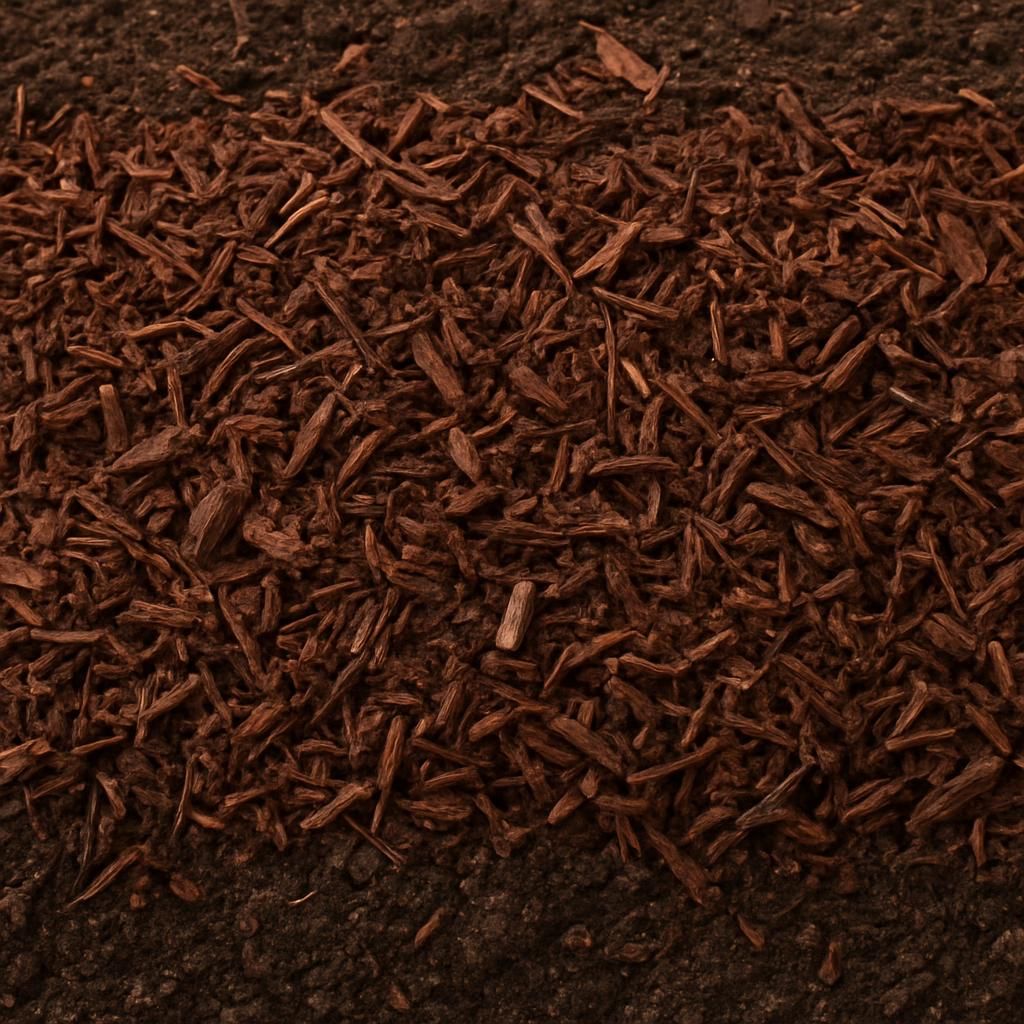
Pine fines consist of finely ground or screened pine bark particles typically ranging from 1/8 inch to 3/8 inch in size. Produced as a byproduct of the timber and mulch industries, these particles have become a preferred organic amendment for growers seeking improved soil aeration, moisture retention, and natural acidity. Their high lignin content resists rapid decomposition, providing long-term structural benefits without the nitrogen drawdown associated with fresher wood products.
Botanical Origin and Production
Pine fines originate primarily from southern yellow pines (Pinus taeda, Pinus elliottii) and other commercial softwood species. Bark is stripped during lumber processing, then hammer-milled and screened to remove larger chunks. The resulting material is aged or composted for 4–12 weeks to reduce phytotoxic compounds such as terpenes and tannins. Quality suppliers test batches for pH, electrical conductivity, and particle-size distribution before bagging or bulk delivery.
Chemical and Physical Properties
Fresh pine bark is acidic, with pH values commonly between 4.0 and 5.5. After aging, pH rises slightly to 5.0–6.0. Cation exchange capacity (CEC) ranges from 20–40 meq/100 g, offering moderate nutrient-holding ability. Bulk density is low (approximately 200–300 kg/m³), making pine fines lightweight and easy to incorporate. Water-holding capacity reaches 50–70 % by volume, while air-filled porosity remains high at 25–35 %.
| Property | Typical Range | Agricultural Implication |
|---|---|---|
| pH | 4.0–6.0 | Ideal for acid-loving crops; may require liming for neutral crops |
| Particle Size | 1/8–3/8 inch | Excellent drainage and aeration |
| Water-Holding Capacity | 50–70 % | Reduces irrigation frequency |
| Cation Exchange Capacity | 20–40 meq/100 g | Moderate nutrient retention |
| Decomposition Rate | Slow (2–5 years) | Long-lasting mulch and soil structure |
Primary Agricultural Uses
Soil Amendment
Incorporating 10–30 % pine fines by volume into native soil or potting mixes creates a well-drained, aerated root zone. Vegetable growers commonly blend 15–20 % fines into raised beds for Tomato and Pepper crops. The material improves tilth in heavy clay soils and prevents compaction in sandy profiles.
Mulching
A 2–3 inch surface layer of pine fines suppresses annual weeds, moderates soil temperature swings, and reduces evaporative water loss by up to 30 %. Blueberries, strawberries, and rhododendrons respond particularly well. Reapplication is typically needed every 18–24 months.
Container and Greenhouse Media
Commercial nurseries formulate pine-fine-based media for Blueberry, Azalea, and Camellia production. The fines provide consistent drainage and acidity, reducing the need for synthetic acidifiers.
Crop-Specific Recommendations
| Crop | Recommended Incorporation Rate | Target pH | Notes |
|---|---|---|---|
| Blueberry | 30–40 % by volume | 4.5–5.5 | Excellent drainage and acidity match |
| Tomato | 15–20 % by volume | 6.0–6.8 | Blend with lime or dolomite to adjust pH |
| Strawberry | 20–25 % by volume | 5.5–6.5 | Surface mulch layer reduces fruit rot |
| Potato | 10–15 % by volume | 5.5–6.5 | Improves tuber shape in heavy soils |
| Lettuce | 10 % by volume | 6.0–7.0 | Monitor salinity; leach if EC > 2.0 |
Application Timing and Methods
Pre-Plant Incorporation
Apply pine fines 2–4 weeks before planting. Till or fork material into the top 6–8 inches of soil. Irrigate thoroughly to settle fines and initiate microbial colonization.
Top-Dressing and Mulching
Apply mulch after soil has warmed in spring or immediately after transplanting fall crops. Keep material 2–3 inches away from plant stems to prevent collar rot.
Container Topping
Top-dress established container plants with ½–1 inch of fines annually. This layer discourages fungus gnats and maintains surface acidity.
Nutrient Management Considerations
Pine fines contain negligible plant-available nitrogen, phosphorus, or potassium. However, their slow decomposition can temporarily immobilize nitrogen. To offset this, incorporate 0.5–1 lb of actual nitrogen per cubic yard of fines when blending into soil. Regular tissue testing and soil nitrate monitoring help prevent deficiencies in high-value crops.
pH Management Strategies
Because pine fines are acidic, growers of neutral or alkaline-preferring crops must monitor and adjust pH. Agricultural lime (CaCO₃) at 2–5 lbs per cubic yard of mix raises pH by approximately 0.5–1.0 units. Dolomitic lime supplies both calcium and magnesium. Retest soil pH 4–6 weeks after amendment.
Pest and Disease Interactions
Properly aged pine fines rarely harbor pathogens. However, fresh or incompletely composted material can contain fungal spores. Avoid using fines showing visible mycelium or a strong ammonia odor. The acidic environment discourages many soil-borne pathogens but may favor acid-tolerant organisms such as certain Phytophthora species. Maintain good drainage to minimize risk.
Environmental and Sustainability Factors
Sourcing pine fines from local sawmills reduces transportation emissions. Certified sustainable forestry programs ensure bark is harvested without compromising forest health. Spent pine-fine media can be composted on-farm or used as a carbon source in anaerobic digesters.
Economic Analysis
Bulk pine fines typically cost $25–45 per cubic yard delivered, depending on region and volume. Compared with coconut coir or peat, pine fines offer lower cost per unit volume and superior longevity. Return on investment is realized through reduced irrigation, fewer weed-control passes, and improved marketable yield in acid-loving crops.
Troubleshooting Common Issues
- Yellowing foliage on non-acid-loving crops: Test pH and apply lime as needed.
- Slow seedling emergence: Ensure fines are well aged; leach salts if EC exceeds 1.5 mS/cm.
- Fungal growth on surface mulch: Thin layer to 1 inch or improve airflow.
Regulatory and Quality Standards
Look for products meeting the Mulch & Soil Council certification or equivalent state standards. Particle-size analysis should show >80 % of material passing a 3/8-inch screen and <5 % fines smaller than 1/16 inch. Request a current lab report for pH, EC, and heavy-metal content before large purchases.
Future Research Directions
Ongoing studies examine pine-fine biochar blends for carbon sequestration and enhanced nutrient retention. Breeding programs are evaluating pine species with lower terpene content to reduce phytotoxicity risks in sensitive vegetable crops.
Pine fines remain one of the most versatile and cost-effective organic amendments available to modern agriculture. When sourced responsibly, aged properly, and applied with attention to pH and nitrogen balance, they deliver measurable improvements in soil health, crop quality, and farm profitability.
For additional context on soil health transitions, see The Forgotten Art of Fall Soil Revival: 8 Organic Strategies for Small Farm Resilience.