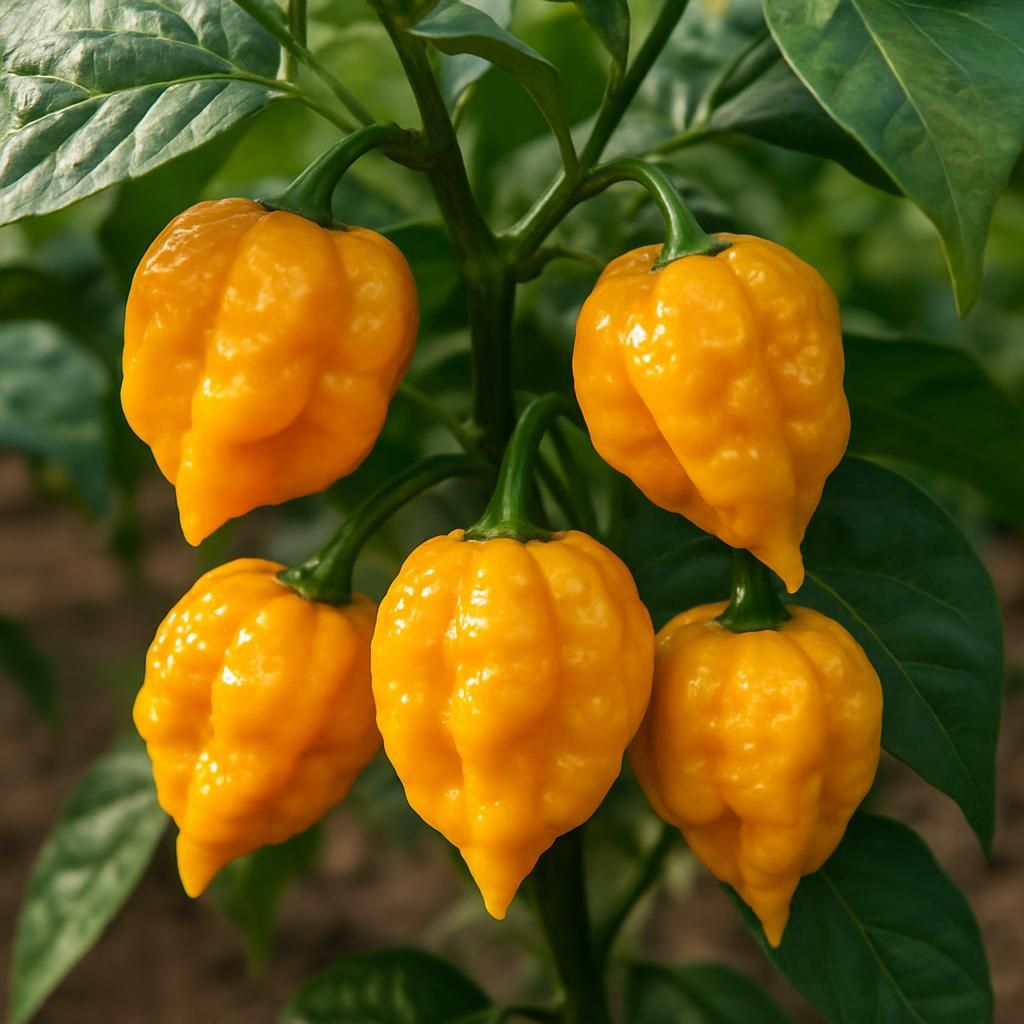
Introduction to Pimenta Bodinha
Pimenta Bodinha is a distinctive Brazilian chili pepper belonging to the species Capsicum chinense. It is celebrated for its vibrant yellow-orange fruits that deliver a fierce, fruity heat accompanied by floral and citrus notes. Farmers and chefs prize it both for fresh use and for producing premium hot sauces and dried spice blends. The cultivar originates from smallholder farms in northeastern Brazil where it has been maintained as a landrace for generations.
Unlike many commercial super-hot peppers, Pimenta Bodinha combines extreme pungency with excellent flavor complexity, making it a favorite among specialty producers. Its compact yet productive plants adapt well to both open-field tropical systems and protected cultivation in temperate zones. With proper management, growers can expect reliable yields of 1.5–2.5 kg per plant under optimal conditions.
Botanical Profile of Pimenta Bodinha
Pimenta Bodinha plants are compact, reaching 60–90 cm in height with a bushy, multi-branched habit. Leaves are ovate-lanceolate, dark green, and slightly rugose. Flowers are small, creamy-white with five petals and yellow anthers typical of the species. Fruits are lantern-shaped, 3–5 cm long, and ripen from pale green to bright yellow-orange. The wrinkled skin is thin yet resilient, protecting the dense placental tissue that holds the majority of capsaicinoids. Scoville ratings consistently range between 250,000 and 400,000 SHU, placing it firmly in the super-hot category.
The cultivar exhibits strong apical dominance early in growth before branching profusely. Internodes are short, resulting in a dense canopy that benefits from strategic pruning. Seeds are tan, flat, and approximately 3 mm long with excellent viability when properly dried.
Soil, pH, and Climate Requirements for Pimenta Bodinha
Pimenta Bodinha thrives in well-drained, fertile loamy soils rich in organic matter. It performs best in tropical to subtropical climates with consistent warmth and moderate humidity.
| Parameter | Ideal Range | Notes |
|---|---|---|
| Soil Type | Sandy loam to loam | Excellent drainage essential |
| pH | 6.0 – 6.8 | Slightly acidic; avoid below 5.5 |
| Temperature (Day) | 24–32 °C | Optimal fruit set occurs above 21 °C |
| Temperature (Night) | 18–22 °C | Below 15 °C slows growth significantly |
| Annual Rainfall | 800–1500 mm | Supplemental irrigation during dry spells |
| Relative Humidity | 60–75 % | Higher humidity increases disease pressure |
| Light Requirement | Full sun (6–8 hours) | Partial shade reduces yield |
| Elevation | 0–800 m | Higher altitudes may delay maturity |
Step-by-Step Planting & Propagation
Start seeds indoors 8–10 weeks before the last expected frost or at the beginning of the rainy season in tropical regions. Sow seeds 5 mm deep in sterile seed-starting mix maintained at 26–28 °C. Germination occurs in 7–14 days. Transplant seedlings into 10 cm pots once they develop two true leaves, then move to final positions when plants reach 15–20 cm and nighttime temperatures remain above 18 °C.
In the field, space plants 60 cm apart in rows 90–100 cm wide. Raised beds or ridges improve drainage in heavy soils. Incorporate 5–7 kg/m² of well-rotted compost or aged manure prior to planting. Mulch immediately after transplanting with 5–7 cm of organic material to suppress weeds and conserve moisture.
Care & Maintenance regimes for Pimenta Bodinha
Consistent moisture, balanced nutrition, and timely pruning are essential for maximum productivity and fruit quality.
| Growth Stage | Watering Frequency | Fertilizer Schedule | Pruning Action |
|---|---|---|---|
| Seedling (0–4 wks) | Keep evenly moist; mist daily | ¼-strength balanced liquid fertilizer weekly | Pinch growing tip at 4th–5th leaf to branch |
| Vegetative (4–10 wks) | 2–3 times weekly; 25–30 mm total | High-nitrogen feed every 14 days | Remove lower leaves touching soil |
| Flowering (10–14 wks) | Deep watering 2× weekly | Switch to high-phosphorus; apply every 10 days | Thin interior branches for airflow |
| Fruiting (14+ wks) | Maintain 30–40 mm/week; reduce before harvest | Balanced NPK every 14 days; add calcium | Harvest ripe pods promptly to encourage more |
Pests, Diseases & Organic Management
Common threats include Aphids, Spider Mites, Thrips, and fungal pathogens such as Anthracnose and Phytophthora. Monitor weekly with yellow sticky traps and scout leaf undersides. Apply neem oil or insecticidal soap at first sign of infestation. For fungal issues, improve airflow through pruning and apply copper-based fungicides or Bacillus subtilis sprays preventatively during humid periods. Crop rotation with non-solanaceous crops every two seasons reduces soil-borne disease pressure.
Harvesting, Curing & Optimal Storage
Harvest fruits when they reach full color and begin to soften slightly for fresh use. For drying, pick at peak color and hang in bundles or use a dehydrator at 40–45 °C until brittle. Store dried pods in airtight glass jars away from light; whole dried chilies retain pungency for 12–18 months. Fresh pods keep 7–10 days refrigerated in perforated bags. For long-term preservation, freeze whole fruits or process into fermented hot sauces.
Companion Planting for Pimenta Bodinha
Pair Pimenta Bodinha with Thai Basil, Marigold, and Nasturtium to deter pests and attract beneficial insects. Avoid planting near Fennel or other members of the Apiaceae family that may inhibit growth. Interplanting with Tomato or Eggplant can provide shared microclimates but requires careful disease monitoring. For more advanced strategies, consult Summer Companion Planting: 10 Organic Pairings to Boost Small Farm Resilience.