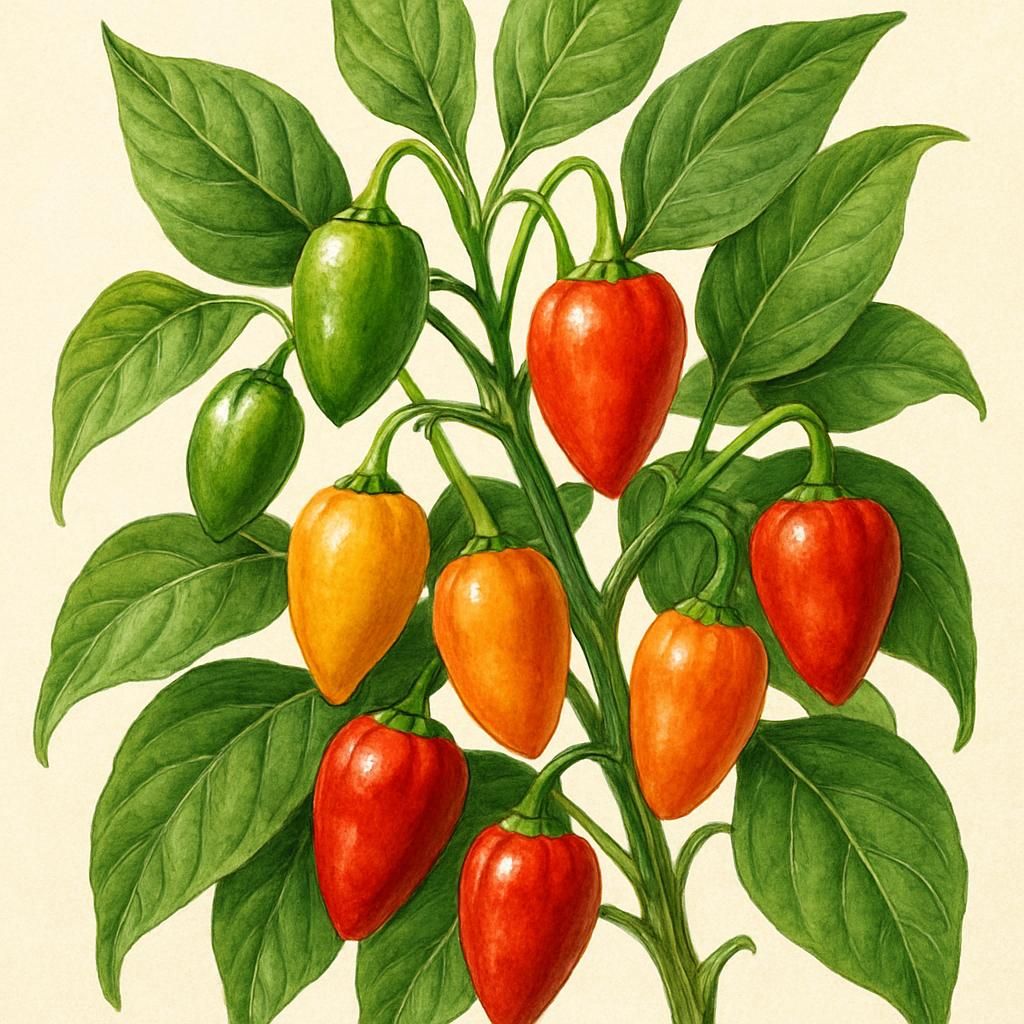
Introduction to Pimenta Comari
Pimenta Comari, also known as Comari de Muçum, is a small chili pepper that is highly esteemed in Brazilian cuisine. This pepper belongs to the Capsicum chinense species and shares lineage with other famous peppers like the Habanero and Ghost Pepper. It is known for its fruity flavor and moderate heat level, which make it an excellent addition to various dishes.
Botanical Profile of Pimenta Comari
The Pimenta Comari plant can grow to a height of 60-100 cm with bushy, branching stems. The leaves are dark green and growing the peppers can take upwards of 90 to 120 days from germination to harvest. The peppers are small, usually about 1-2 cm in length, and mature from green to a striking bright yellow or orange color.
Soil, pH, and Climate Requirements for Pimenta Comari
To successfully grow Pimenta Comari, understanding its preferred soil and climate conditions is crucial.
| Factor | Ideal Condition |
|---|---|
| Soil Type | Well-drained, loamy |
| Soil pH | 6.0 - 7.0 |
| Temperature | 20-30°C (68-86°F) |
| Humidity | Moderate |
Pimenta Comari thrives in tropical and subtropical climates, making it an ideal pepper for warm regions.
Step-by-Step Planting & Propagation
Start by sowing seeds indoors 8-10 weeks before the last expected frost date. Use a seed-starting mix and germinate seeds in a warm location (25-30°C or 77-86°F). Once seedlings are large enough to handle, transplant them into 10-15 cm pots before moving them outdoors. Harden off plants for a week by gradually exposing them to outdoor conditions.
Transplant the seedlings into the garden once the soil temperature consistently remains above 18°C (64°F). Space plants 45-60 cm apart in a sunny location.
Care & Maintenance Regimes for Pimenta Comari
Proper care is integral for healthy Pimenta Comari plants.
| Regime | Frequency | Description |
|---|---|---|
| Watering | 1-2 times per week | Field capacity without waterlogging |
| Fertilizer | Twice a month | Use a balanced fertilizer (10-10-10) during growing season |
| Pruning | As needed | Remove yellowing leaves and pinch tips for bushier growth |
Regular monitoring of soil moisture is essential as Pimenta Comari is sensitive to overwatering.
Pests, Diseases & Organic Management
Common pests affecting Pimenta Comari include Spider Mites, Aphids, and Whiteflies. Organic pest control can involve natural predators, neem oil, or insecticidal soaps.
Diseases such as Powdery Mildew and Root Rot can affect plants, so ensure adequate air circulation and avoid waterlogged conditions. Regular inspection will help catch issues early.
Harvesting, Curing & Optimal Storage
Pimenta Comari is ready to harvest when the peppers are vivid in color and firm to the touch. Use scissors or garden shears to cut the peppers to avoid damaging the plant.
For optimal storage, keep harvested peppers in a cool, dry place or refrigerate in a breathable, moisture-resistant container. Peppers can also be dried or pickled for long-term storage.
Companion Planting for Pimenta Comari
Companion planting can help enhance Pimenta Comari growth. Suitable companions include Basil, which can deter pests, and Marigold, which repel nematodes and other harmful insects. For more insights on enhancing farm resilience with companion planting, consider exploring Summer Companion Planting: 10 Organic Pairings to Boost Small Farm Resilience.