Introduction to Pimento Laranja
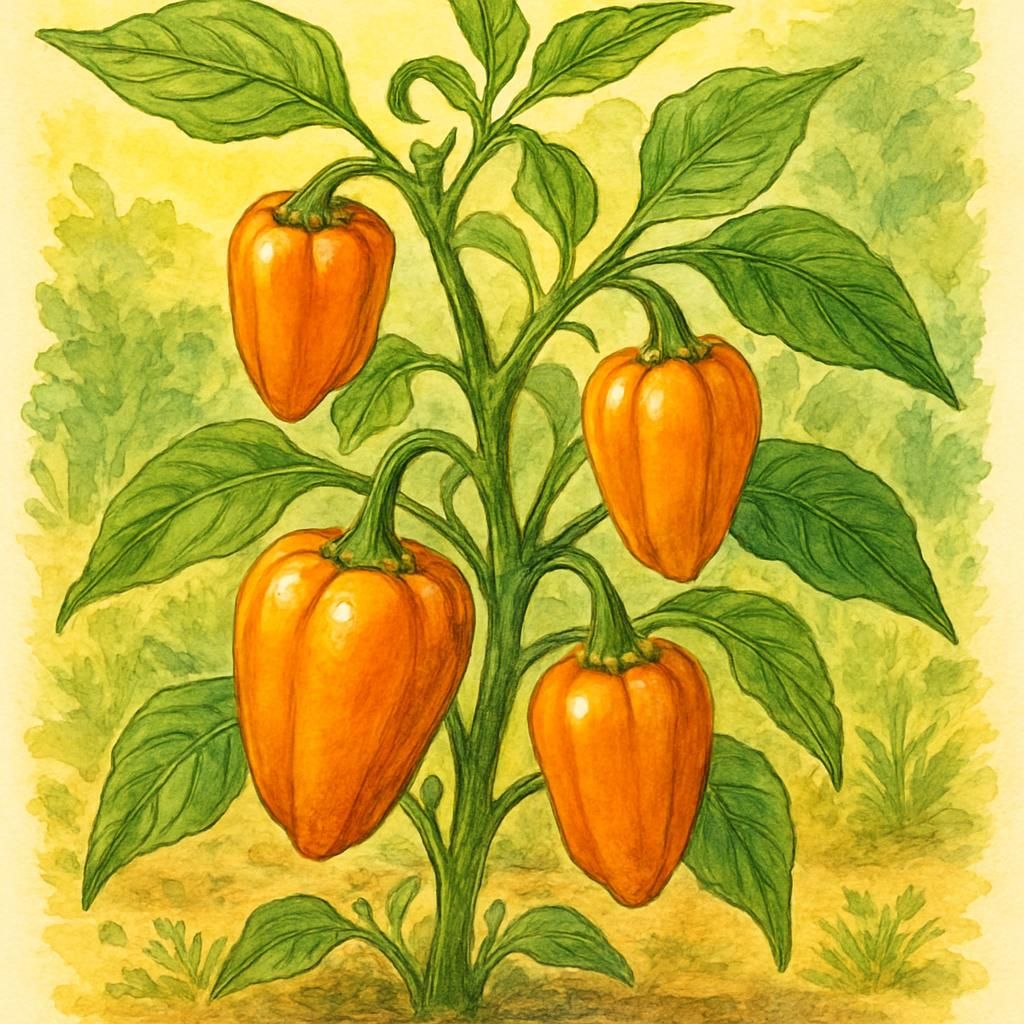
Pimento Laranja, a cultivar of the Capsicum annuum species, is a visually striking and flavorful addition to any pepper lover's garden. Known for its vibrant orange hue, this sweet pepper variety offers a mild taste, making it a versatile choice in culinary applications.
Botanical Profile of Pimento Laranja
Belonging to the Solanaceae family, Pimento Laranja is an annual plant that can grow between 50 to 70 cm in height. The plant produces conical-shaped fruits that mature from green to a bright orange when ripe. Rich in vitamins A and C, these peppers are not only flavorful but also nutritionally beneficial.
Soil, pH, and Climate Requirements for Pimento Laranja
For optimal growth, Pimento Laranja requires specific conditions. Understanding these can lead to a bountiful harvest.
| Factor | Ideal Condition | Notes |
|---|---|---|
| Soil | Well-drained, loamy | Avoid waterlogged soils |
| pH | 6.0 to 6.8 | Slightly acidic to neutral |
| Climate | Warm, temperate | Average temperatures of 18-27°C |
| Sunlight | Full sun | Minimum 6-8 hours daily |
Step-by-Step Planting & Propagation
- Selection of Seeds: Choose certified seeds from reliable suppliers to ensure high germination rates and quality.
- Soil Preparation: Till the soil to a depth of 30 cm and incorporate well-rotted compost to enhance fertility.
- Sowing Seeds: Start seeds indoors 6-8 weeks before the last frost date. Sow seeds 0.5 cm deep in seedling trays filled with seed-starting mix.
- Transplantation: Once seedlings have 2-3 true leaves and after the danger of frost has passed, transplant them outdoors. Space plants 45-60 cm apart in rows 60-90 cm apart.
- Watering: Maintain consistent moisture but avoid overwatering, which can lead to root rot.
Care & Maintenance Regimes for Pimento Laranja
Caring for Pimento Laranja involves regular watering, fertilization, and monitoring for common pests and diseases.
| Task | Frequency | Notes |
|---|---|---|
| Watering | 1-2 times/week | Adjust according to weather conditions |
| Fertilizing | Every 4-6 weeks | Use a balanced 10-10-10 NPK fertilizer |
| Pruning | Occasionally | Remove any diseased or dead leaves |
Pests, Diseases & Organic Management
Pimento Laranja, like many pepper plants, is susceptible to certain pests and diseases. Common pests include Aphids, Spider Mites, and Whiteflies. To manage these organically, introduce beneficial insects like ladybugs or use neem oil sprays.
Diseases such as powdery mildew and root rot can also affect Pimento Laranja. Maintaining proper spacing between plants and ensuring good air circulation can mitigate these problems. See the blog post Crop Diseases Under the Microscope: 9 Organic Fixes for Small Farm Resilience for more management tips.
Harvesting, Curing & Optimal Storage
Pimento Laranja is ready to harvest when the fruits turn a vivid orange. Use sharp scissors or pruning shears to cut the fruit from the plant, minimizing damage. Post-harvest, store the peppers in a cool, dry place. For long-term storage, they can be frozen or dried.
Companion Planting for Pimento Laranja
Companion planting can enhance the growth of Pimento Laranja by deterring pests and improving soil nutrients. Good companions include Basil, Tomato, and Garlic. Rotate crops annually to prevent soil nutrient depletion and reduce risks of pest infestations.
For more on effective planting strategies, see Summer Companion Planting: 10 Organic Pairings to Boost Small Farm Resilience.