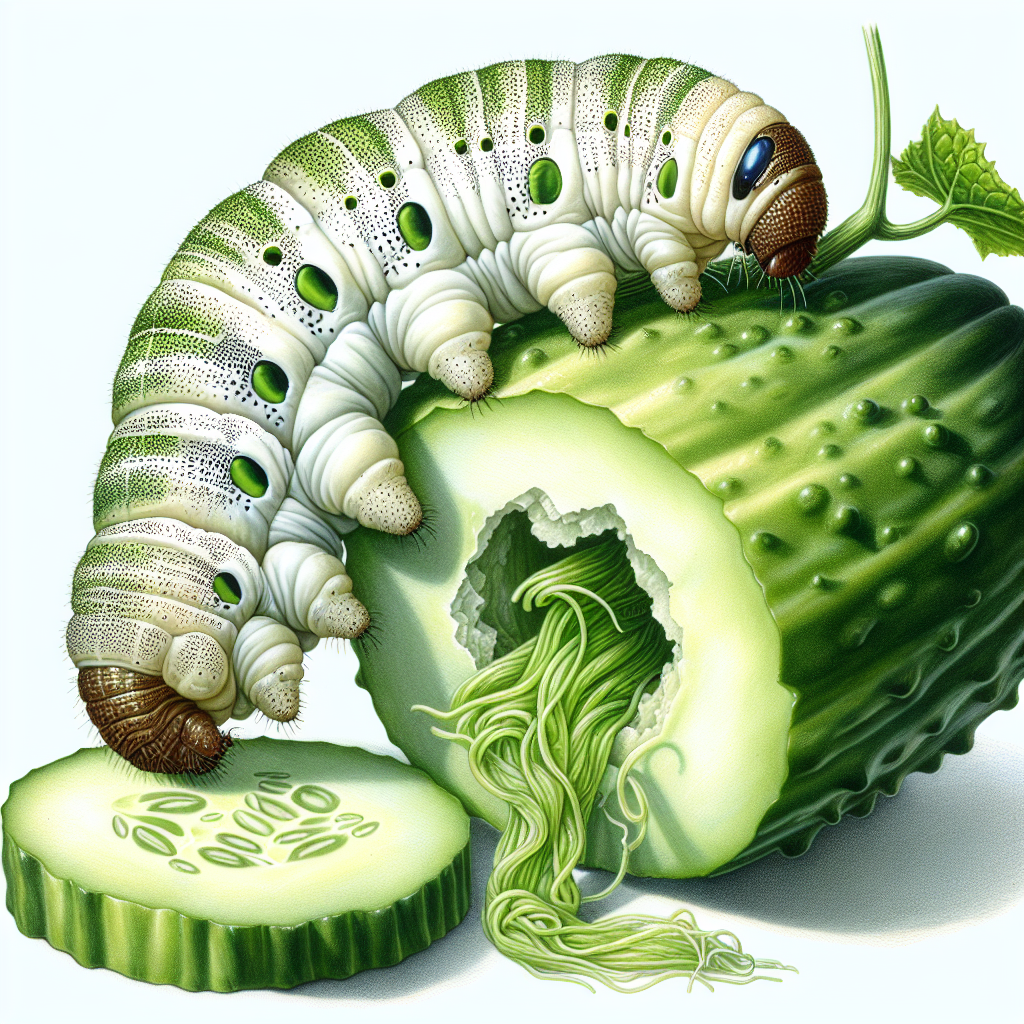
Introduction to pickleworms
Pickleworms (Diaphania nitidalis), also known as cucumber moths or melonworms, are among the most devastating pests targeting cucurbit family crops in warm climates. Native to the Americas and widespread in the southern United States, Central America, and parts of the Caribbean, these pests can cause up to 100% crop loss if unchecked. The larvae bore into tender fruits, buds, and vines, leaving behind frass-filled tunnels that render produce unmarketable.
Understanding pickleworms is crucial for growers of cucumber, squash, zucchini, and related crops. Early detection and intervention are key, as mature infestations spread rapidly via adult moths. This definitive guide equips farmers, gardeners, and agricultural professionals with professional-grade diagnostics, lifecycle knowledge, organic treatments, and prevention strategies. By mastering these techniques, you can minimize losses and sustain high yields even in high-risk areas. For more on companion planting to deter pests, check this Fall Companion Planting Guide.
Identifying Symptoms & Damage
Pickleworm damage is distinctive and often appears suddenly on young fruits and blossoms. Look for small entry holes (1-2 mm) on buds, flowers, or developing fruits, surrounded by moist, greenish frass (insect poop) that resembles sawdust. Inside affected tissues, you'll find creamy-white to green larvae up to 1 inch long, with darker spots and a brown head. Severely damaged fruits become knobby, deformed, or rotten, with silky webbing and secondary rot infections.
Key Symptoms Checklist:
- Entry Holes: Pinprick-sized holes on blossoms, fruit tips, or vine tips.
- Frass: Greenish pellets or castings near holes; wipe away to reveal tunnels.
- Larval Presence: Translucent green worms (1/4 to 1 inch) inside fruits or buds.
- Fruit Deformity: Swollen, misshapen fruits with watery rot.
- Silk Trails: Fine webbing on plant surfaces.
Differentiate from similar pests like squash vine borer (larger, metallic larvae in stems) or caterpillars (surface feeders). Scout plants every 2-3 days during flowering and fruit set, focusing on undersides of leaves and crotches. Use a headlamp at night for best detection, as larvae are nocturnal. In heavy infestations, vines wilt from girdling damage, mimicking root rot.
Economic impact is severe: a single larva can ruin multiple fruits, dropping marketable yield by 50-80% in untreated fields. Early symptoms on cantaloupe or pumpkin often go unnoticed until harvest.
Lifecycle and Progression of pickleworms
Pickleworms complete 4-10 generations per year in subtropical regions, thriving above 70°F (21°C). The lifecycle spans 25-35 days, with adults active year-round in Florida and Texas.
Lifecycle Stages:
- Eggs (2-4 days): Tiny (0.5 mm), flattened, white scales laid singly or in clusters (up to 100 per female) on leaf undersides, buds, or fruits. Females lay 300-800 eggs over 10-15 days.
- Larvae (10-20 days): Six instars; newly hatched are brown, molting to green with black spots. Early instars mine leaves; later ones bore into fruits. Full-grown larvae drop to soil to pupate.
- Pupae (7-10 days): Brown, spindle-shaped in leaf litter or soil, 10-15 mm long.
- Adults (7-21 days): Small moths (wingspan 1-1.5 inches) with white wings, yellow abdomens, and green dorsal stripes. Nocturnal, attracted to lights; peak flight at dusk.
Progression accelerates in heat: eggs hatch in 1.5 days at 86°F (30°C). Overwinter as pupae or partial larvae in mild climates. Monitor with pheromone traps: 5+ moths/week signals imminent larval damage. Lifecycle overlaps with corn earworm, complicating IPM.
Environmental Triggers & Risk Factors
Pickleworms explode in warm, humid conditions: optimal at 77-86°F (25-30°C) and >70% RH. Southern states see peaks July-October, migrating north on winds. Risk factors include:
- Climate: Night temps >65°F enable survival; droughts stress plants, increasing susceptibility.
- Crop Stage: Highest damage during flowering/early fruiting; volunteer cucurbits harbor pests.
- Proximity: Nearness to wild cucurbits or infested fields.
- Practices: Late planting, excessive nitrogen (lush growth attracts moths), poor sanitation.
- Weeds: Nearby pigweed or nightshades serve as alternate hosts.
High-risk zones: Florida, Georgia, Texas, Mexico. Use degree-day models (base 50°F) to predict flights: first generation ~300 DD. Combine with hyper-local weather data for precise scouting. Overlaps with squash bugs amplify damage via stress.
Organic Control & Treatment Plans
Prioritize IPM: integrate cultural, biological, and organic chemical controls. Avoid broad-spectrum sprays to preserve predators like Trichogramma wasps.
Immediate Actions:
- Sanitation: Destroy infested fruits/vines; till soil post-harvest to expose pupae.
- Handpicking: Crush visible larvae daily; effective on small plots.
- Bt (Bacillus thuringiensis): Apply Thuricide or Dipel (0.5-1 lb/acre) to foliage at dusk, 3-5 days interval. Targets larvae <1/2 inch; 90% control if timed right.
Biological Controls:
- Release Trichogramma pretiosum (100k/acre/week) for egg parasitism.
- Encourage predators: ladybugs, lacewings eat eggs/young larvae.
Organic Sprays:
- Pyrethrins + Neem Oil: Rotate weekly; add spinosad (Entrust, 4-6 oz/acre) for 85% efficacy.
- Surfactants: Improve coverage on waxy leaves.
Treatment Plan:
| Stage | Action | Frequency |
|---|---|---|
| Eggs | Pheromone traps + neem | Scout daily |
| Young Larvae | Bt + spinosad | Every 3 days |
| Mature Larvae | Handpick + sanitation | Immediate |
| Adults | Yellow sticky traps | Continuous |
Threshold: 1 larva/10 plants. For cucumber beetles, dual-control with kaolin clay. Test soil for nematodes post-infestation.
Preventing pickleworms in the Future
Prevention beats cure: disrupt lifecycle proactively.
- Timing: Plant early (before June in South); use transplants.
- Barriers: Row covers (Agribon AG-19) until bloom; remove for pollination.
- Trap Crops: Plant perimeter squash to lure moths.
- Mulch: Reflective silver mulch repels adults.
- Companion Plants: Interplant with nasturtium or radish as traps.
- Rotation: 2-3 years away from cucurbits.
- Traps: Pheromone (Conetrap) + UV lights (10/acre).
For more on organic strategies, see Spring Pest Patrol. Monitor with apps for moth flights.
Crops Most Affected by pickleworms
Primarily cucurbits:
- High Risk: Cucumber, summer squash, zucchini, cantaloupe, watermelon, pumpkin.
- Moderate: Winter squash, gourds, honeydew.
- Low/Occasional: Tomato buds, beans, okra.
Yield losses: 20-100% on young fruits. Scout accordingly.