Introduction to Peacevine Cherry Tomato
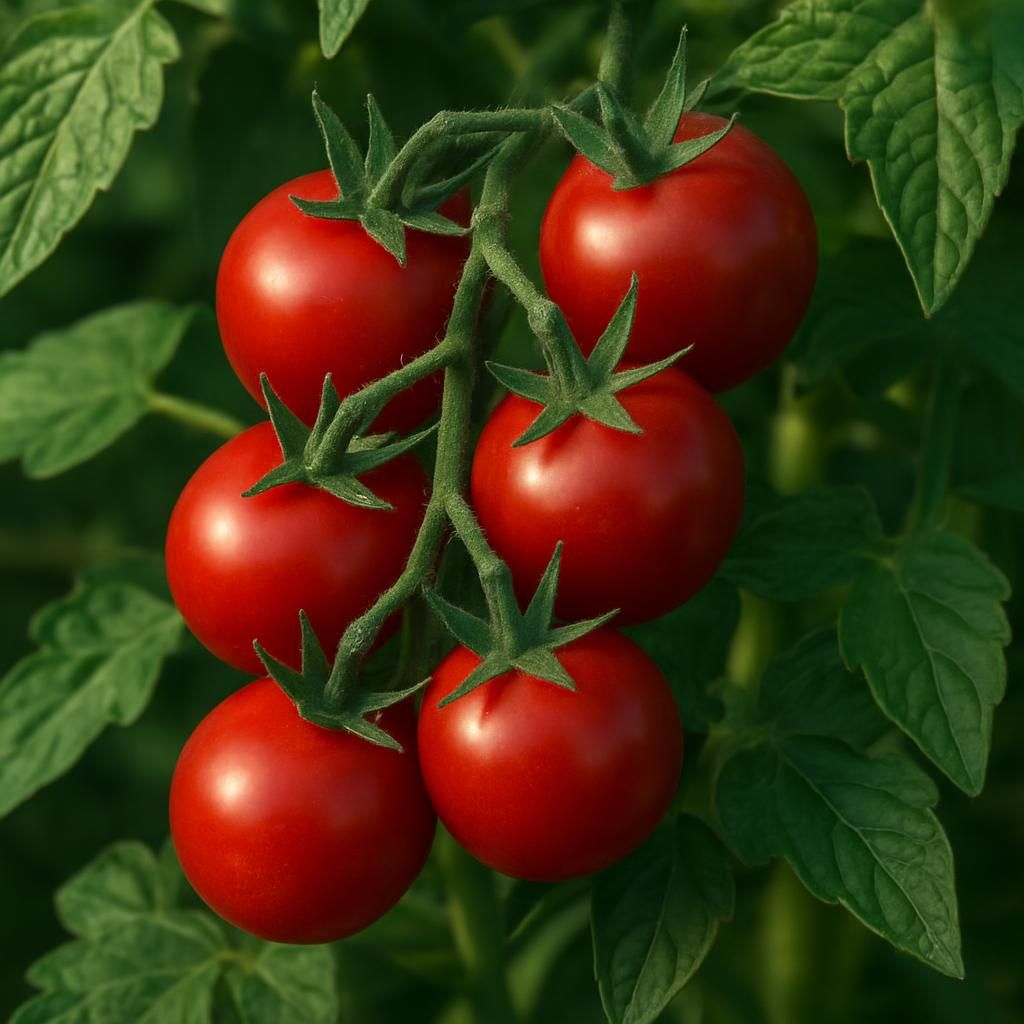
Peacevine Cherry Tomato stands out among cherry tomato varieties for its combination of sweet flavor, crack resistance, and strong disease tolerance. Developed for organic and low-input systems, this indeterminate variety produces clusters of small, round fruits that ripen to a deep red. Growers appreciate its vigorous growth habit, high productivity, and ability to thrive in diverse climates. The variety is particularly valued for its resilience against common tomato ailments, making it a top choice for sustainable agriculture.
Botanical Profile of Peacevine Cherry Tomato
Peacevine Cherry Tomato belongs to the Solanaceae family and exhibits the classic indeterminate growth pattern of many cherry tomatoes. Plants can reach 5–7 feet in height when supported, producing long trusses of 1-inch fruits. The foliage is dark green and slightly serrated, with a typical tomato aroma. Fruits develop in clusters of 8–12, each weighing approximately 15–20 grams. The skin is thin yet resilient, reducing cracking even after heavy rains. Flavor is notably sweet with balanced acidity, making the tomatoes excellent for fresh eating, salads, and dehydration.
Soil, pH, and Climate Requirements for Peacevine Cherry Tomato
Peacevine Cherry Tomato performs best in well-drained, fertile loam soils rich in organic matter. Consistent moisture without waterlogging is essential for optimal fruit development. The crop prefers full sun exposure of at least 8 hours daily and thrives in warm temperatures.
| Parameter | Ideal Range | Notes |
|---|---|---|
| Soil Type | Loamy, well-drained | Incorporate compost for structure |
| Soil pH | 6.2–6.8 | Test annually; adjust with lime if needed |
| Temperature (Day) | 70–85°F (21–29°C) | Protect from frost below 50°F |
| Temperature (Night) | 60–70°F (15–21°C) | Use row covers for cool nights |
| Spacing | 18–24 inches between plants | 4–5 feet between rows for airflow |
| Sunlight | Full sun (8+ hours) | South-facing exposure preferred |
Step-by-Step Planting & Propagation
Start seeds indoors 6–8 weeks before the last expected frost. Sow seeds ¼ inch deep in sterile seed-starting mix and maintain soil temperature at 75–80°F. Germination typically occurs within 5–10 days. Harden off seedlings for 7–10 days before transplanting outdoors once soil has warmed to at least 60°F. Plant deeply, burying the stem up to the first set of true leaves to encourage strong root development. Space plants 18–24 inches apart in rows 4–5 feet wide. Install sturdy cages or trellises at planting time to support the indeterminate vines.
Care & Maintenance regimes for Peacevine Cherry Tomato
Consistent care ensures maximum yield and fruit quality. Mulch heavily after transplanting to retain moisture and suppress weeds. Monitor plants weekly for nutrient deficiencies or stress. Prune suckers selectively to improve airflow while maintaining enough foliage for photosynthesis.
| Task | Frequency | Details |
|---|---|---|
| Watering | 1–2 inches per week | Deep, infrequent watering; avoid overhead |
| Fertilizer | Every 3–4 weeks | Balanced organic fertilizer (NPK 5-5-5) |
| Pruning | Weekly | Remove lower suckers; maintain 2–3 main stems |
Pests, Diseases & Organic Management
Peacevine Cherry Tomato demonstrates good resistance to many common tomato issues, yet vigilance remains important. Monitor regularly for Aphids, Spider Mites, and Whiteflies. Practice crop rotation and remove infected debris to reduce disease pressure. Use neem oil or insecticidal soap for early infestations. Encourage beneficial insects such as ladybugs and lacewings. For fungal concerns like Early Blight or Septoria Leaf Spot, apply copper-based sprays preventively and ensure adequate spacing for airflow.
Harvesting, Curing & Optimal Storage
Harvest Peacevine Cherry Tomato fruits when fully colored and slightly soft to the touch. Pick clusters by cutting the stem to avoid damaging the plant. For peak flavor, allow fruits to ripen on the vine when possible. Store ripe tomatoes at room temperature away from direct sunlight for up to one week. For longer storage, freeze whole or dehydrate for future use. Avoid refrigeration as it can diminish flavor and texture.
Companion Planting for Peacevine Cherry Tomato
Pair Peacevine Cherry Tomato with aromatic herbs and flowers to deter pests and improve growth. Basil and Marigold planted nearby help repel Aphids and nematodes. Nasturtium acts as a trap crop for aphids while adding edible flowers. Avoid planting near Fennel or walnuts, which can inhibit tomato growth. Interplant with Lettuce or Carrot for efficient space use in raised beds.