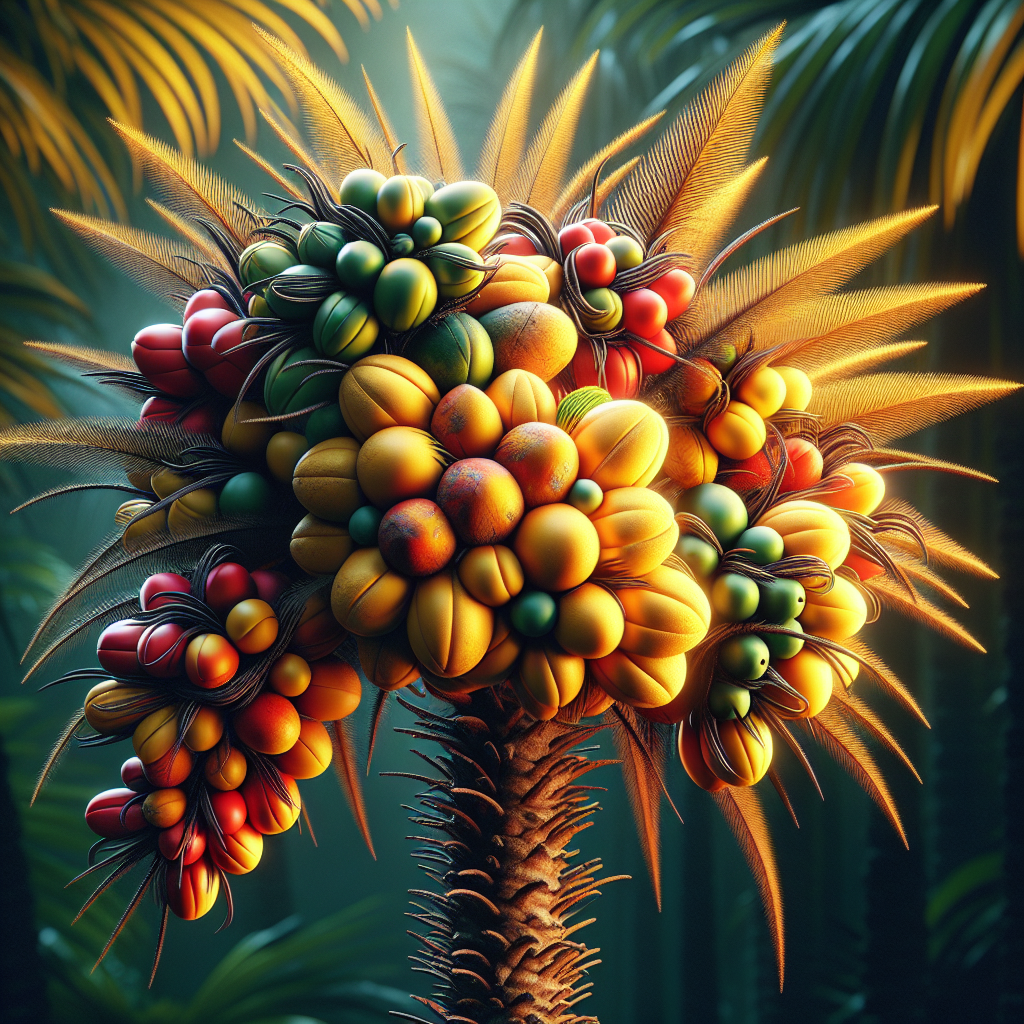
Introduction to Peach Palm (Pejibaye)
Peach Palm, commonly referred to as Pejibaye, is a multi-purpose tropical crop cherished for its starchy, nutrient-rich fruit and tender heart of palm. Scientifically named Bactris gasipaes, this palm is native to the rainforests of Central and South America, where it has been a staple in indigenous diets for centuries. Beyond its culinary uses, Peach Palm is valued for its sustainability, as it can be harvested year-round in suitable climates and requires minimal inputs once established. The fruit, which ranges in color from yellow to red when ripe, is often boiled or roasted and provides a significant source of carbohydrates, vitamins, and minerals. Additionally, the heart of palm—a delicacy extracted from the inner core of young stems—is a high-value product in gourmet markets. For small-scale farmers and agroforestry enthusiasts, Peach Palm presents an opportunity to diversify income while promoting ecological balance in tropical farming systems.
This comprehensive guide aims to equip growers with practical, professional-grade advice on cultivating Peach Palm. Whether you’re integrating it into an agroforestry setup or focusing on commercial production, understanding its growth requirements, care needs, and potential challenges is key to maximizing yields. From soil preparation to harvesting techniques, we’ll delve into every aspect of Peach Palm cultivation to ensure success in tropical environments.
Botanical Profile of Peach Palm (Pejibaye)
Peach Palm (Bactris gasipaes) belongs to the Arecaceae family, which includes other economically important palms like Coconut. It is a fast-growing, multi-stemmed palm that can reach heights of 20-30 meters (65-100 feet) under optimal conditions. The tree features long, pinnate leaves and spiny trunks, a characteristic trait that serves as a natural defense against herbivores. Peach Palm is dioecious or monoecious depending on the variety, meaning some trees produce both male and female flowers, while others require cross-pollination for fruit set. The fruit grows in large clusters, each containing 50-100 drupes that measure 4-6 cm in diameter. These fruits are rich in starch, protein, and essential vitamins like A and C, making them a valuable food source.
There are two primary cultivated varieties of Peach Palm: one with spines (var. gasipaes) and a spineless variant (var. chichagui), the latter being more common in commercial plantings due to ease of handling. The palm’s growth habit allows it to produce multiple stems from a single base, a trait that supports continuous harvesting over many years. Its adaptability to poor soils and resistance to certain pests also make it a resilient crop for tropical agriculture.
Soil, pH, and Climate Requirements for Peach Palm (Pejibaye)
Peach Palm thrives in tropical and subtropical climates with high humidity and consistent rainfall. It is best suited to regions with average temperatures between 22-28°C (72-82°F) and annual precipitation of 2,000-5,000 mm (80-200 inches). While the palm can tolerate brief periods of drought, prolonged dry spells can stunt growth and reduce fruit production. It is not frost-tolerant and should be grown in USDA Hardiness Zones 10-12 or equivalent tropical zones. Adequate sunlight is crucial, though young plants benefit from partial shade during establishment to prevent stress from intense heat.
Soil-wise, Peach Palm is relatively adaptable but performs best in well-drained, fertile soils rich in organic matter. Loamy or sandy loam soils with a pH range of 5.5 to 7.0 are ideal. The palm can tolerate slightly acidic to neutral conditions but struggles in heavy clay soils that retain excessive moisture, as this can lead to root rot. Before planting, conduct a soil test to assess nutrient levels and amend with compost or well-rotted manure to boost fertility. In areas with poor drainage, consider raised beds or mounds to prevent waterlogging. For insights into managing soil health in challenging tropical conditions, check out this resource on Soil Health Mastery: 5 Proven Strategies for Small Farms to Build Fertile Ground Without Breaking the Bank.
Step-by-Step Planting & Propagation
Seed Selection and Preparation: Peach Palm is most commonly propagated from seeds, though vegetative propagation via suckers is possible with spineless varieties. Select seeds from healthy, high-yielding trees with desirable fruit traits. Fresh seeds have a higher germination rate, so use them within a few weeks of harvest. Soak seeds in water for 24-48 hours to soften the hard outer shell and enhance germination.
Germination: Plant seeds in a well-draining potting mix of sand, peat, and compost. Sow them 2-3 cm (1 inch) deep in nursery trays or pots and maintain consistent moisture without waterlogging. Place containers in a warm, shaded area with temperatures around 25-30°C (77-86°F). Germination can take 2-3 months, so patience is key. Keep the soil moist and monitor for fungal growth, which can be mitigated by good air circulation.
Transplanting Seedlings: Once seedlings reach 30-40 cm (12-16 inches) in height and develop 3-4 leaves, they are ready for transplanting. This typically occurs 6-12 months after germination. Harden off seedlings by gradually exposing them to full sunlight over 1-2 weeks. Choose a planting site with adequate spacing—3-5 meters (10-16 feet) between trees—to accommodate their multi-stemmed growth habit.
Planting: Dig holes 60 cm (2 feet) wide and deep, incorporating organic matter like compost or manure into the soil. Place the seedling in the hole, ensuring the root collar is level with the soil surface. Backfill with soil, tamp down gently, and water thoroughly. Mulch around the base with organic material like straw or wood chips to retain moisture and suppress weeds.
Vegetative Propagation: For faster establishment, propagate using suckers from mature, spineless Peach Palm trees. Select healthy suckers with roots attached, separate them carefully with a sharp tool, and plant directly in prepared soil. This method reduces the time to fruiting, often within 3-4 years compared to 5-7 years from seed.
Care & Maintenance Regimes for Peach Palm (Pejibaye)
Peach Palm requires moderate care once established, with a focus on water, nutrition, and pruning. Young plants need regular irrigation, especially during dry periods, to support root development. Provide 25-50 mm (1-2 inches) of water weekly, adjusting based on rainfall. Mature trees are more drought-tolerant but benefit from consistent moisture during fruit development. Avoid overwatering, as it can lead to root issues.
Fertilization is essential for optimal growth and fruit production. Apply a balanced fertilizer (e.g., 10-10-10 NPK) every 3-4 months during the first two years, transitioning to a potassium-rich formula (e.g., 8-4-12) as the tree matures to support fruiting. Supplement with organic amendments like compost or manure annually to improve soil structure. Monitor for nutrient deficiencies, such as yellowing leaves (nitrogen deficiency) or weak stems (potassium deficiency), and adjust inputs accordingly.
Pruning is minimal but important for managing multi-stemmed growth. Remove dead or damaged fronds to improve air circulation and reduce pest habitats. Harvesting suckers for propagation or heart of palm also serves as a form of pruning. In commercial settings, limit the number of stems per clump to 3-5 to focus energy on fruit production. Mulching around the base helps conserve water and control weeds, while periodic weeding prevents competition for nutrients.
Pests, Diseases & Organic Management
Peach Palm is relatively hardy but can face challenges from pests and diseases in tropical environments. Common pests include Fruit Flies, which infest ripe fruit, and Beetles, particularly rhinoceros beetles, which damage young stems. To manage fruit flies, use baited traps with fermented fruit or protein hydrolysate and harvest fruit promptly to avoid over-ripening. For beetles, apply neem oil or introduce natural predators like birds to the area. Scale Insects may also affect leaves and stems, causing sap loss; control them with insecticidal soaps or horticultural oils applied during early infestation stages.
Diseases such as Bud Rot, caused by Phytophthora palmivora, pose a significant threat, especially in overly wet conditions. Symptoms include wilting fronds and a foul odor from the crown. Prevent bud rot by ensuring proper drainage and avoiding overhead irrigation. If infection occurs, remove and destroy affected plants to prevent spread, and apply copper-based fungicides as a preventative measure. Leaf Spots caused by fungal pathogens can also occur; manage these by improving air circulation through pruning and using organic fungicides like sulfur or compost tea sprays.
Organic management is highly effective for Peach Palm. Encourage beneficial insects like ladybugs and lacewings to control sap-sucking pests. Use crop rotation and intercropping to disrupt pest life cycles, and maintain soil health with organic matter to boost plant resilience. Regularly inspect trees for early signs of stress or infestation to address issues before they escalate.
Harvesting, Curing & Optimal Storage
Peach Palm fruit is ready for harvest 5-7 years after planting from seed, or 3-4 years from suckers, depending on growing conditions. Fruit clusters ripen unevenly, so harvest individual fruits as they turn yellow, orange, or red, indicating maturity. Use a sharp pole pruner or climb the tree (with caution due to spines) to cut clusters, taking care not to damage the stem. Each tree can produce 3-5 clusters annually, yielding up to 30-50 kg (66-110 lbs) of fruit per year under optimal conditions.
Heart of palm is harvested from young, non-fruiting stems or suckers. Cut the stem at the base, peel away outer layers, and extract the tender inner core. This process often kills the harvested stem, so manage clumps to ensure continuous regeneration. Harvest heart of palm when stems are 1-1.5 meters (3-5 feet) tall for the best quality.
Fresh Peach Palm fruit is perishable and should be consumed or processed within a few days of harvest. Boil or roast fruit to soften the starchy flesh before eating; boiling for 30-60 minutes is common in traditional preparations. For longer storage, cook and freeze the fruit pulp, which retains quality for several months. Heart of palm can be stored fresh in a refrigerator for up to a week or canned for extended shelf life. Store both products in cool, dry conditions away from direct sunlight to prevent spoilage.
Companion Planting for Peach Palm (Pejibaye)
Companion planting enhances Peach Palm cultivation by improving soil fertility, repelling pests, and optimizing space in agroforestry systems. Leguminous crops like Pigeon Pea are excellent companions, as they fix nitrogen in the soil, benefiting the palm’s nutrient needs. Shade-tolerant crops such as Ginger or Turmeric can be grown under the canopy of mature Peach Palms to utilize understory space and suppress weeds. Additionally, planting aromatic herbs or flowers like Marigold near Peach Palm can deter pests with their strong scents.
Avoid planting Peach Palm near crops that compete for water or nutrients, such as heavy feeders like maize, unless irrigation is abundant. Intercropping with fruit trees like Banana can work well in the early years, providing shade for young palms while diversifying farm output. Companion planting not only boosts yields but also promotes a balanced ecosystem, reducing the need for chemical inputs in tropical farming systems.