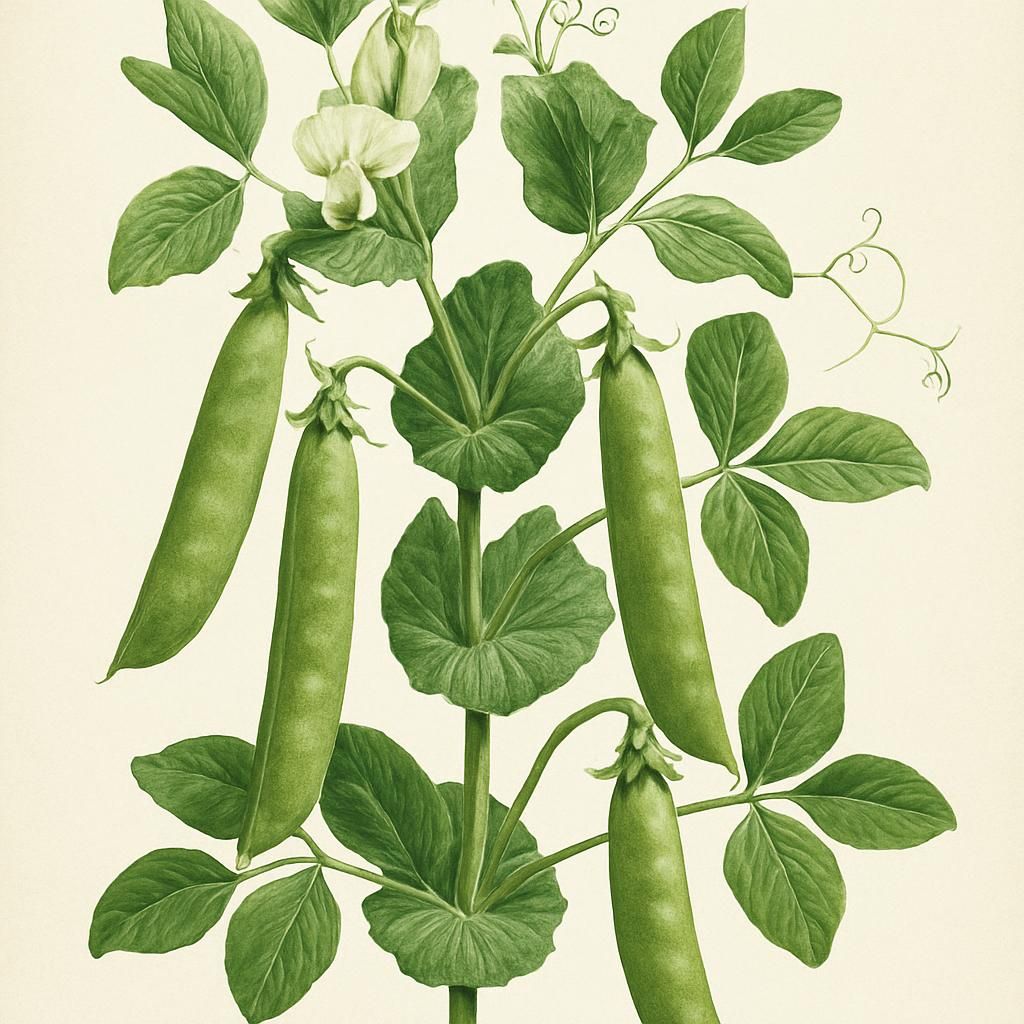
Introduction to Pea (Shelling - Green Arrow)
Green Arrow peas are a favored type among gardeners and small-scale farmers due to their long pods and abundant yields. This variety is particularly adapted to cooler climates and offers the benefit of disease resistance, making it a reliable choice for spring and fall plantings. Known for their sweet and tender peas, they are perfect for fresh consumption and preserving.
Botanical Profile of Pea (Shelling - Green Arrow)
Pisum sativum, commonly known as peas, belong to the Fabaceae family. The Green Arrow pea variety features tall vines that reach heights of 24 to 28 inches. Each plant produces high yields of 8 to 11 cm long pods, containing 9 to 11 small, but sweet and tender peas.
Soil, pH, and Climate Requirements for Pea (Shelling - Green Arrow)
Green Arrow peas thrive in cool weather conditions. They require well-drained soil with balanced moisture content. Here’s a quick look at the ideal growing conditions:
| Factor | Ideal Condition |
|---|---|
| Soil Type | Well-drained loam |
| Soil pH | 6.0 to 7.5 |
| Temperature | 55°F to 65°F (13°C to 18°C) |
| Sunlight | Full sun or partial shade |
Step-by-Step Planting & Propagation
- Soil Preparation: Start by tilling the soil to a depth of 12 inches. Incorporate organic matter such as compost to enhance fertility and drainage.
- Sowing Seeds: Plant seeds 1 inch deep and 2 inches apart in rows spaced about 18 to 24 inches apart. Early spring or late summer are the best planting times in most regions.
- Watering: Lightly water after planting to settle the soil around the seeds. Maintain consistent moisture until seedlings emerge.
- Support Structures: Erect support structures such as trellises or netting for plants to climb, which promotes better airflow and easier harvesting.
Care & Maintenance Regimes for Pea (Shelling - Green Arrow)
To ensure a successful harvest, Green Arrow peas require diligent care throughout their growth cycle:
| Task | Frequency/Duration |
|---|---|
| Watering | Once a week, more in dry conditions |
| Fertilizing | Light application at planting and once during flowering |
| Pruning | Not required, but remove dead leaves to reduce disease risk |
Pests, Diseases & Organic Management
Common pests include Aphids and Spider Mites. Regular inspection and introduction of natural predators like ladybugs can help manage these pests. Diseases such as Powdery Mildew may occur, controlled best by ensuring adequate airflow and moisture management. Rotating crops and using resistant varieties help minimize disease pressure.
Harvesting, Curing & Optimal Storage
Peas are ready to harvest approximately 60 to 70 days after planting. Harvest the pods when they're filled and slightly glossy yet still tender. After picking, store them in a cool, dry place. Fresh peas can be refrigerated for up to two weeks or blanched and frozen for several months to maintain their quality.
Companion Planting for Pea (Shelling - Green Arrow)
Green Arrow peas benefit from companion planting with crops like Carrot, radishes, and Cucumber. Avoid planting near members of the Onion family to prevent stunted growth. Companion planting enhances nutrients, repels pests, and boosts yields. For more on companion planting strategies, see our blog on Summer Companion Planting: 10 Organic Pairings to Boost Small Farm Resilience.
Explore more about growing Peas here.