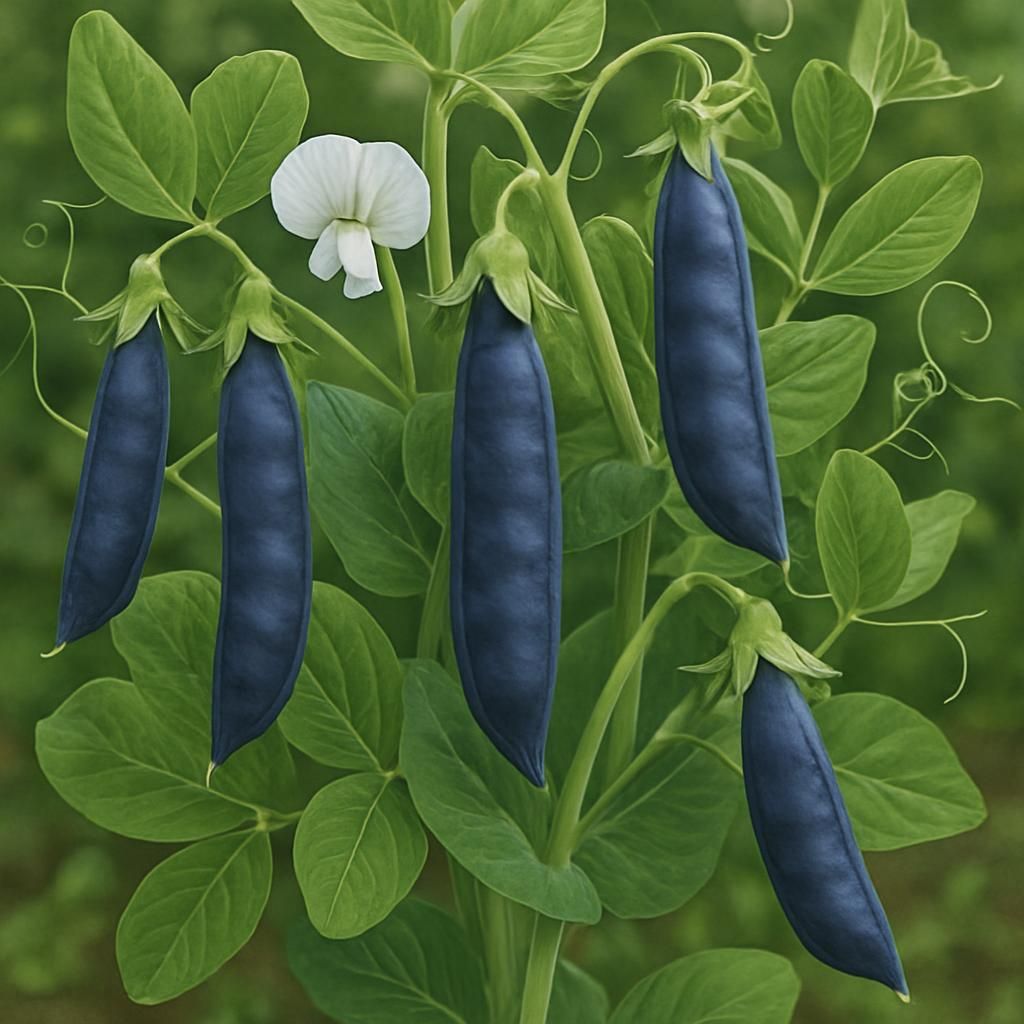
Introduction to Pea (Blue Podded Desiree)
The Blue Podded Desiree pea is an heirloom variety renowned for its vibrant blue-purple pods. With a rich history, this variety not only adds color to the garden but also provides a delicious component to culinary dishes. These peas are ideal for gardeners looking to diversify their pea varieties, offering both aesthetic appeal and a rich, sweet flavor.
Botanical Profile of Pea (Blue Podded Desiree)
Botanically, the Blue Podded Desiree pea (Pisum sativum var. Blue Podded Desiree) belongs to the Fabaceae family. It is an annual climbing plant, renowned for its ornamental pods and fragrant flowers. The plant typically reaches heights of up to 6 feet, requiring support for optimal growth. The pods are harvested when young for their sweet taste, ideal in salads or as a steamed side dish.
Soil, pH, and Climate Requirements for Pea (Blue Podded Desiree)
To cultivate Blue Podded Desiree peas successfully, attention must be paid to soil quality, pH levels, and climate conditions. These peas thrive in well-drained, loamy soil and require full or partial sun to flourish.
| Parameter | Ideal Conditions |
|---|---|
| Soil Type | Loamy, well-drained |
| pH Level | 6.0 - 7.5 |
| Temperature | 55°F to 75°F (13°C to 24°C) |
| Sun Exposure | Full sun to partial shade |
| Watering | Moderate, avoid waterlogging |
Step-by-Step Planting & Propagation
- Seed Selection: Choose high-quality seeds from a reliable source to ensure good germination rates.
- Soil Preparation: Amend the soil with organic compost to enhance fertility. Ensure the soil is well-drained to prevent root rot.
- Planting: Sow seeds directly in the garden bed when the soil can be worked in early spring. Space seeds 1-2 inches apart and cover lightly with soil.
- Support Structure: Install a trellis or stakes early to support the climbing growth form of the plant.
- Germination: Expect seeds to germinate within 10 to 14 days in optimal conditions.
Care & Maintenance Regimes for Pea (Blue Podded Desiree)
Maintaining the health of Blue Podded Desiree peas involves regular watering, fertilization, and monitoring for pests and diseases.
| Task | Schedule |
|---|---|
| Watering | Weekly, increase during dry spells |
| Fertilizing | Every 4-6 weeks with balanced fertilizer |
| Pruning | As needed to remove dead growth |
Pests, Diseases & Organic Management
Peas, like the Blue Podded Desiree, can attract a variety of pests and diseases. Common problems include Aphids, Spider Mites, and mildew.
- Pests: Regular monitoring and introduction of beneficial insects like ladybugs can naturally control pest populations.
- Diseases: Employ crop rotation and maintain proper spacing to minimize fungal diseases.
- Organic Solutions: Utilize neem oil sprays and organic soap solutions to manage infestations naturally.
To delve deeper into organic solutions for common pests and diseases, see our related blog on Crop Diseases Under the Microscope: 9 Organic Fixes for Small Farm Resilience.
Harvesting, Curing & Optimal Storage
- Harvesting: Pick pods when they are young and tender for the sweetest flavor. Regular harvesting can also stimulate further growth.
- Curing: After harvesting, allow pods to dry for longer storage but eat fresh for best taste.
- Storage: Store fresh pods in the refrigerator for up to 2 weeks. For longer storage, blanch and freeze peas.
Companion Planting for Pea (Blue Podded Desiree)
Peas thrive alongside crops like Carrots, Radishes, and Cucumbers. Avoid planting with Garlic or Onions as these can inhibit growth.
For more insights on strategic crop placement, refer to the blog on Summer Companion Planting: 10 Organic Pairings to Boost Small Farm Resilience.