Encyclopedia
Definitive guides for crops, pests, and agricultural diseases.

Soybeans
Soybeans are a warm-season legume grown globally for protein-rich seed, edible green pods, oil, livestock feed, and soil-building nitrogen fixation. They reward careful management of planting temperature, inoculation, moisture, weed control, and timely harvest, making them one of the most agronomically important field and garden crops in the world.
View Guide
Spaghetti Squash
Spaghetti squash is a warm-season winter squash grown for its oval yellow fruits whose flesh separates into noodle-like strands when cooked. It is productive, relatively easy to grow in full sun, and rewards careful attention to heat, pollination, soil fertility, and disease prevention with long-storing harvests.
View Guide
Spanish Lime (Key West)
Spanish Lime (Key West), also known as mamoncillo or honeyberry, is a tropical evergreen tree prized for its clusters of small, green, juicy fruits with a sweet-tart flavor reminiscent of lime and lychee. Native to the Caribbean and Central America, the Key West variety thrives in subtropical climates, producing abundant yields on mature trees. This guide provides professional cultivation techniques for optimal growth, pest management, and high-quality harvests.
View Guide
Spanish Peanuts
Spanish peanuts are a fast-maturing market type of peanut known for their smaller kernels, reddish-brown skins, upright growth habit, and relatively high oil content. They perform best in warm, frost-free conditions with loose, well-drained soil, and reward careful management of moisture, calcium availability, and harvest timing with reliable yields and excellent roasting quality.
View Guide
Sparrows
Sparrows are highly adaptive birds that cause significant damage to agricultural crops by consuming seeds, grains, fruits, and vegetables. This guide provides comprehensive diagnostics, lifecycle insights, organic management strategies, and prevention tactics for farmers facing sparrow infestations. Effective control combines cultural practices, deterrents, and habitat modifications to protect yields without harming beneficial wildlife.
View Profile
Spartan Apple
Spartan is a classic Canadian dessert apple prized for its deep maroon skin, crisp white flesh, and sweet, aromatic flavor with McIntosh ancestry. It performs best in cool to cold temperate climates, where good light, disciplined pruning, and careful disease management help produce high-color, high-quality fruit.
View Guide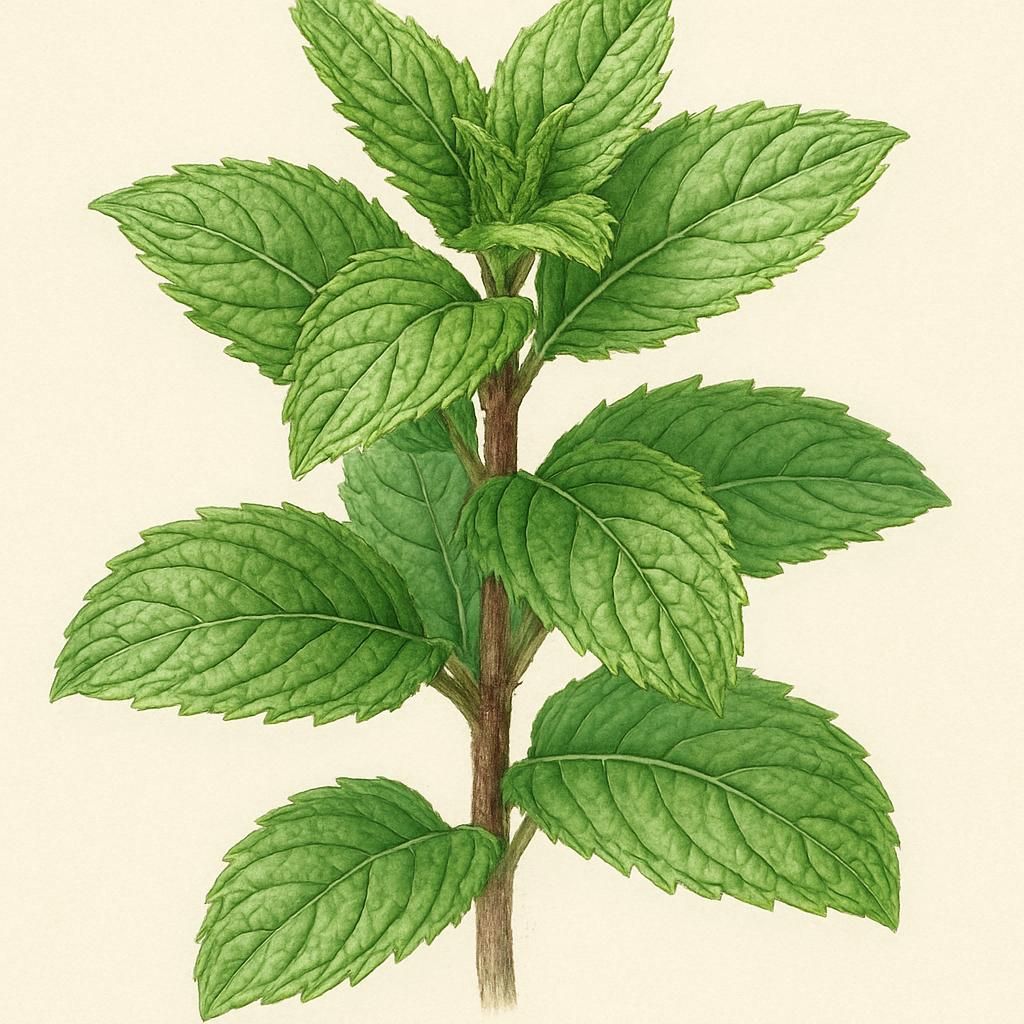
Spearmint (Kentucky Colonel)
Spearmint 'Kentucky Colonel' is a robust variety of mint known for its vigorous growth and rich aroma. It thrives in various conditions and is easy to maintain, making it perfect for home gardens and larger agricultural setups.
View Guide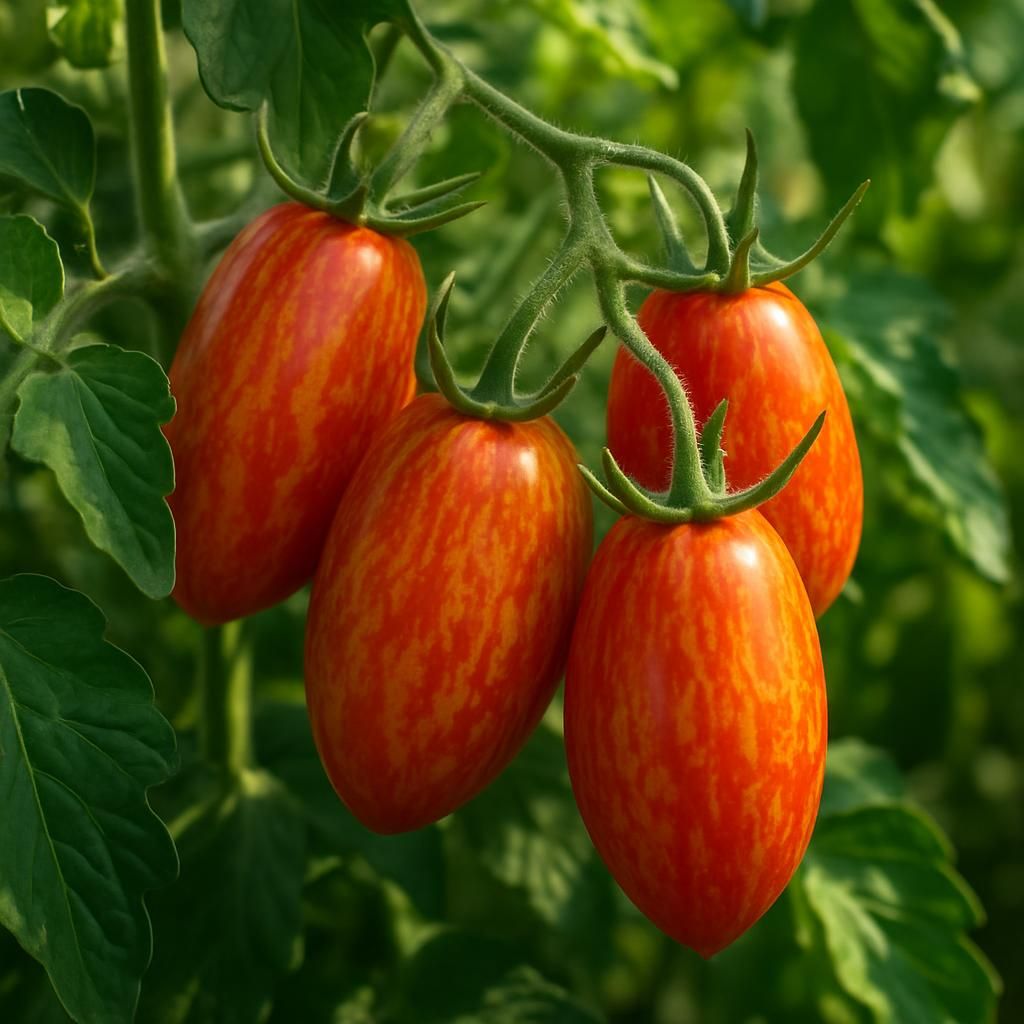
Speckled Roman Tomato
Speckled Roman Tomato is a distinctive, elongated heirloom variety prized for its striking red-and-orange speckled skin, rich flavor, and high productivity. This indeterminate tomato excels in both home gardens and commercial small farms, delivering meaty, low-moisture fruit ideal for sauces, pastes, and fresh eating.
View Guide
Spelt
Spelt is an ancient hulled wheat valued for its adaptability, cold tolerance, and nutty, highly marketable grain. It performs especially well in low-input temperate systems, where its tall straw, vigorous early growth, and tolerance of modest soils make it a strong option for diversified farms and homesteads.
View Guide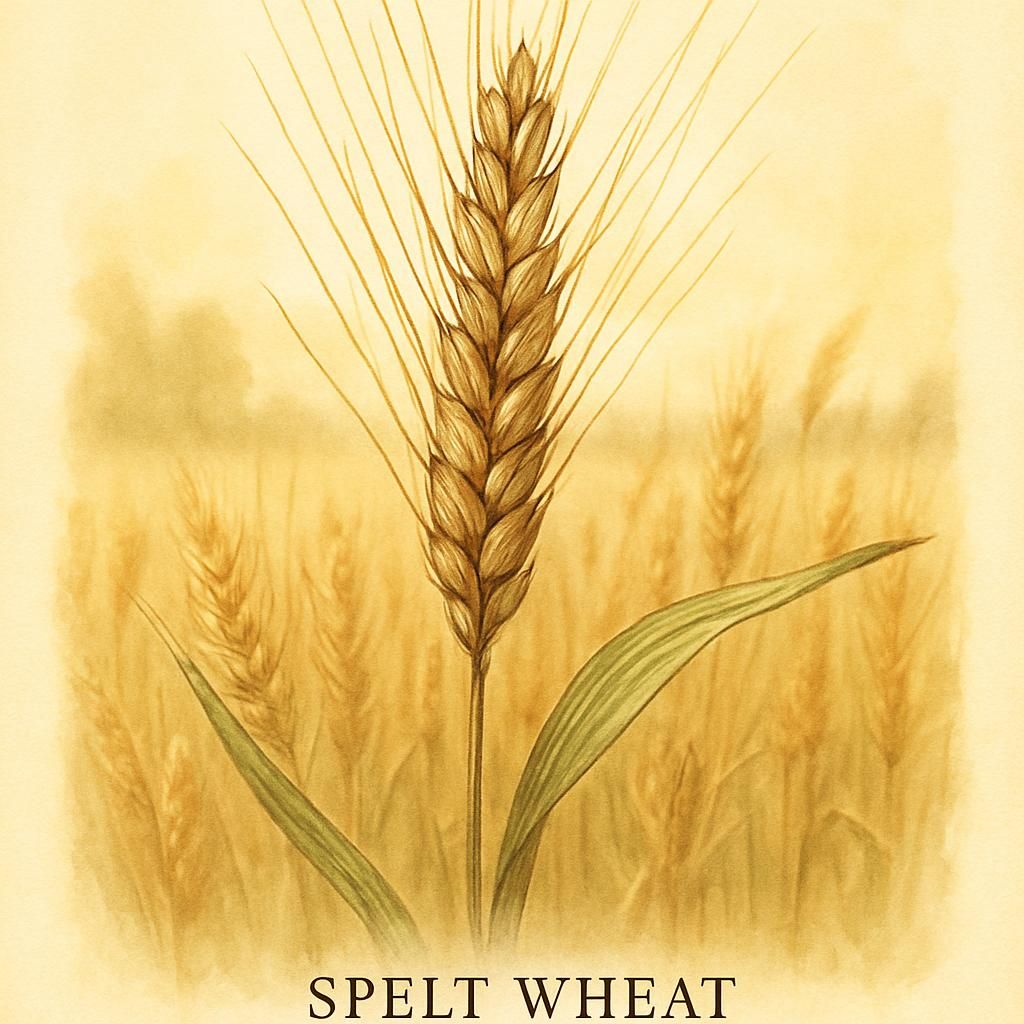
Spelt Wheat (Oberkulmer)
Spelt Wheat (Oberkulmer) is an ancient grain praised for its nutty flavor and use in whole-grain products. It is adapted for organic and low-input farming, making it ideal for sustainable agriculture. The crop thrives in temperate climates and requires specific soil and maintenance practices for optimal yield and quality.
View Guide
Spider mites
Spider mites are tiny arachnids that cause severe damage to crops by sucking plant sap, leading to stippling, yellowing, and webbing on leaves. They thrive in hot, dry conditions and can rapidly multiply, devastating fields if unmanaged. This guide provides expert diagnostics, organic controls, and prevention strategies for effective spider mite management in agriculture.
View Profile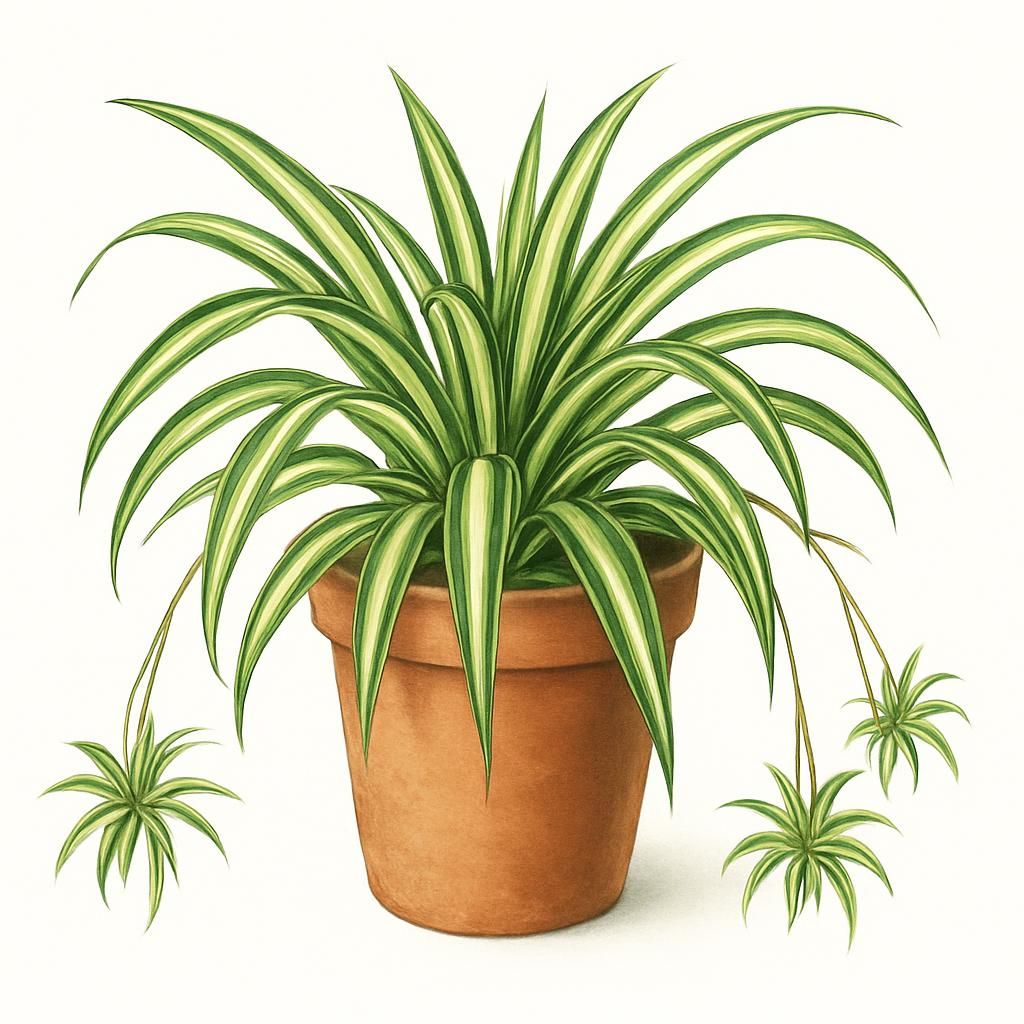
Spider Plant
Spider plant is a fast-growing, adaptable herbaceous perennial prized for its ornamental foliage and ease of propagation. It thrives indoors and in protected outdoor settings with moderate light, consistent moisture, and well-draining soil. The plant produces numerous plantlets on long stolons, making it ideal for both home growers and small-scale commercial propagation.
View Guide
spiders
Spiders are beneficial predators in agricultural ecosystems, preying on crop-damaging insects like aphids and mites. However, certain species can become nuisance pests in high-density farm settings by webbing crops or invading storage areas. This guide provides agricultural strategies for managing spider populations when they impact farming operations.
View Profile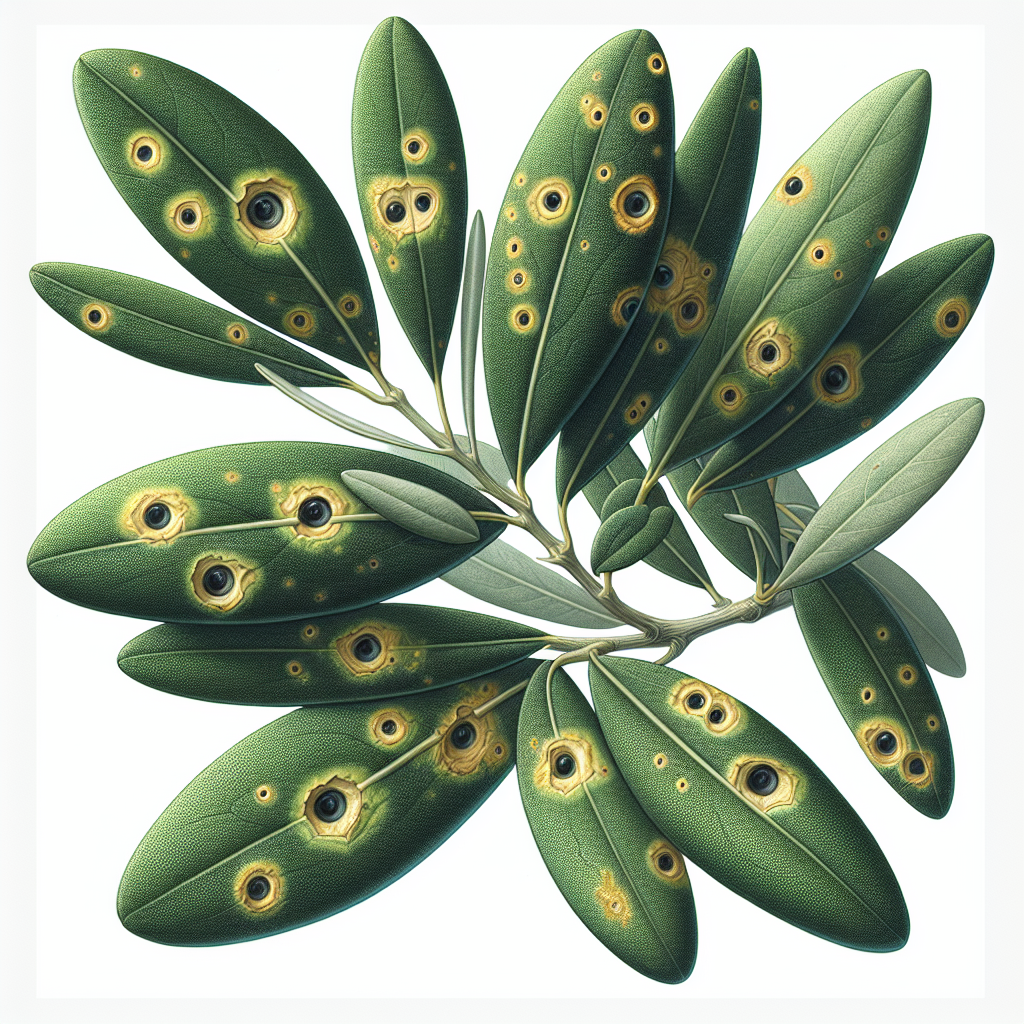
Spilocaea oleagina
Spilocaea oleagina, commonly known as olive leaf spot or peacock spot, is a widespread fungal disease affecting olive trees worldwide. It causes characteristic eye-shaped lesions on leaves, leading to defoliation, reduced photosynthesis, and weakened trees. Effective management relies on cultural practices, resistant varieties, and targeted organic fungicides.
View Profile
Spinach
Spinach is a fast-growing, cool-season leafy green valued for its high nutrient density, rapid turnover, and adaptability to market gardens, home plots, and protected cultivation. Although often considered easy, top-quality spinach requires careful control of temperature, soil fertility, moisture, and disease pressure to avoid bolting, yellowing, and leaf damage.
View Guide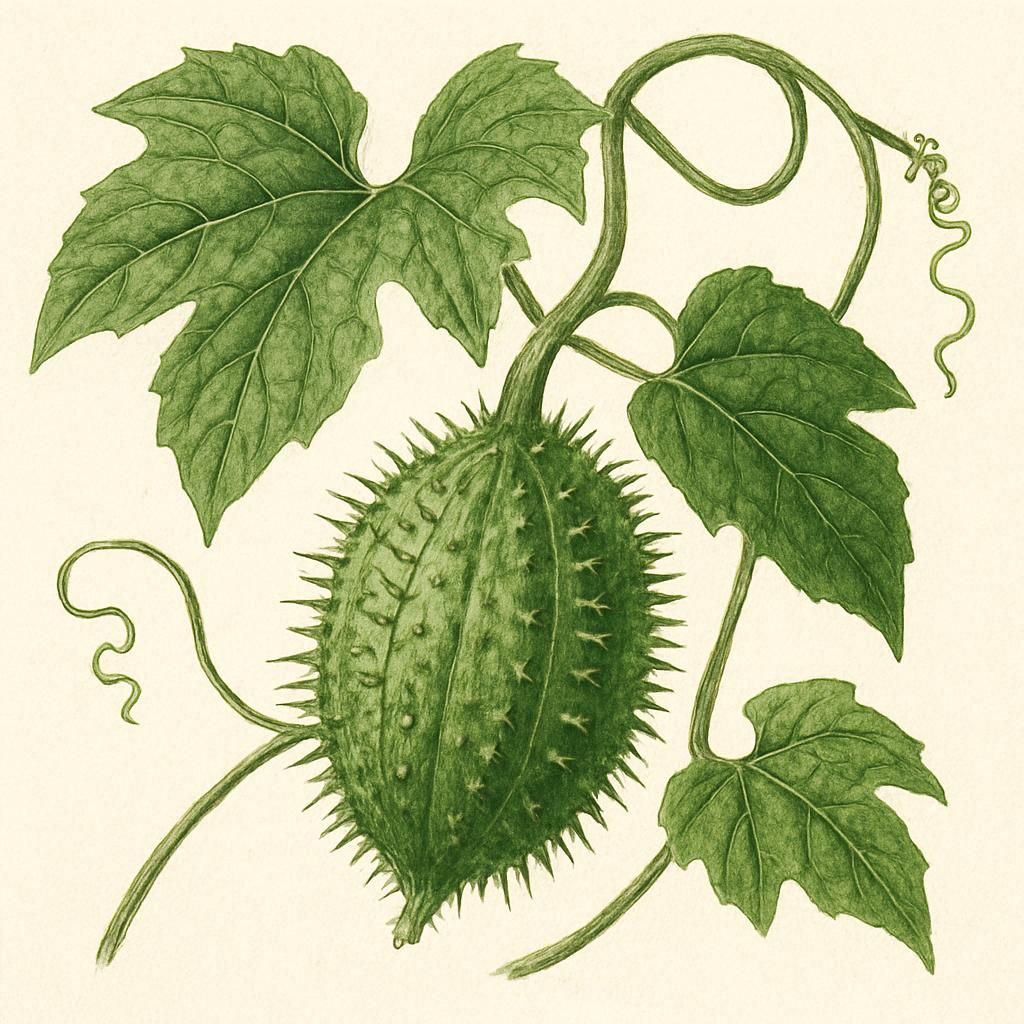
Spine Gourd (Kantola)
Spine gourd, also known as Kantola, is a tropical vegetable cherished for its medicinal properties and culinary versatility. Originating from Asia, this unique crop thrives in well-drained soil and warm climates, making it a favorite among sustainable green-thumb enthusiasts and health-conscious consumers.
View Guide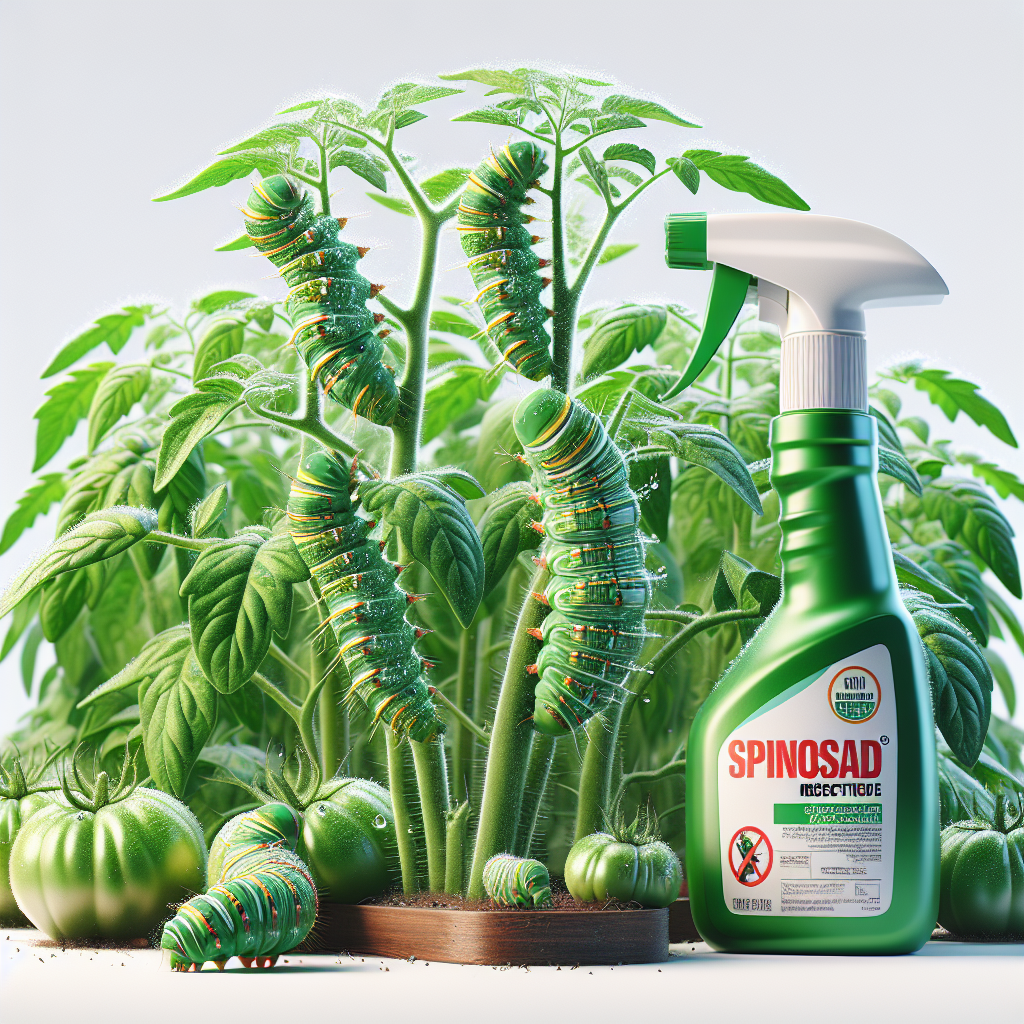
Spinosad
Spinosad is a natural insecticide derived from soil bacteria, widely used in organic farming to control a broad spectrum of insect pests like caterpillars, thrips, and leafminers. This guide provides definitive diagnostic signs of over-reliance or resistance issues, its biological lifecycle in pest management, and organic strategies to optimize its use while preventing resistance buildup. Farmers can achieve effective pest control with proper application timing and integrated approaches on crops like tomatoes and cabbage.
View Profile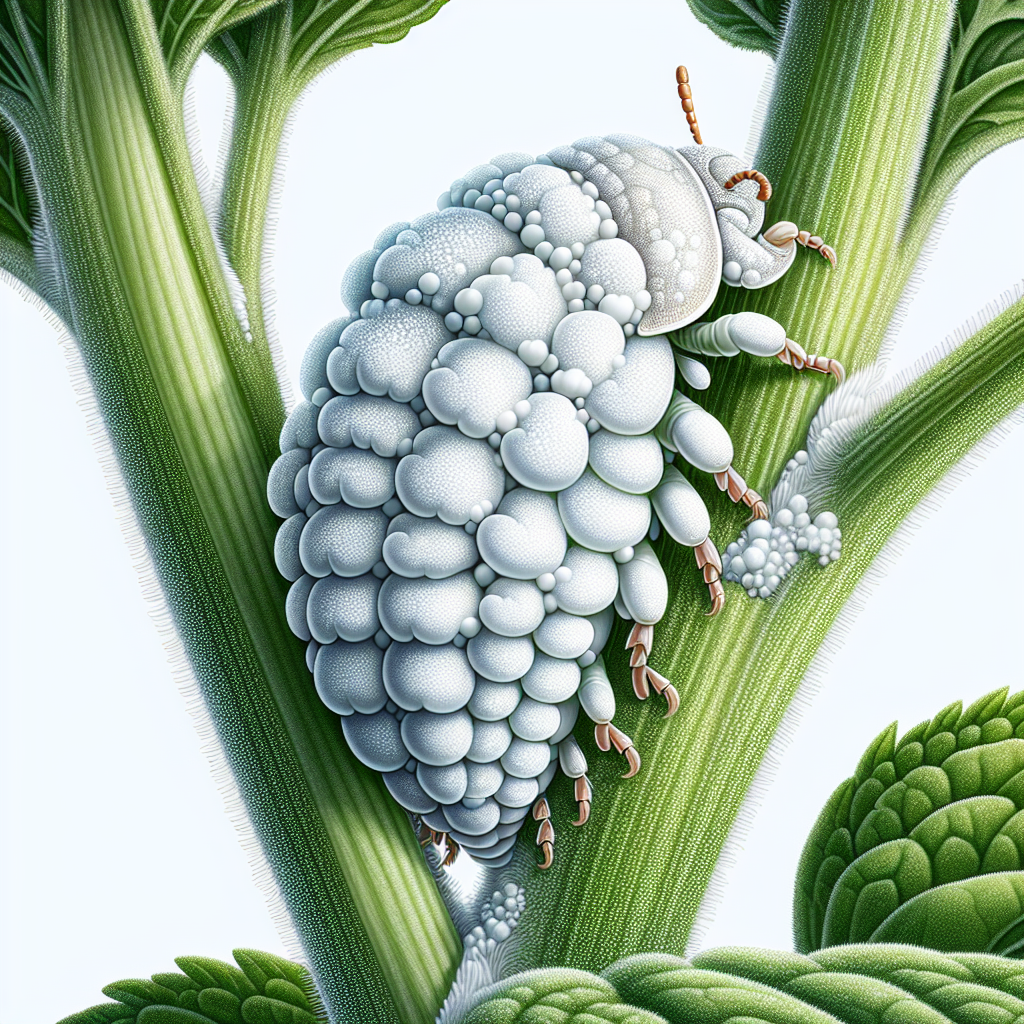
Spittlebugs
Spittlebugs, also known as froghoppers, are sap-sucking pests that produce characteristic frothy 'spittle' masses on plant stems and leaves, weakening crops by draining vital juices. They affect a wide range of plants, particularly in warm, humid conditions, leading to stunted growth and reduced yields. Effective management combines cultural practices, organic treatments, and vigilant monitoring for long-term control.
View Profile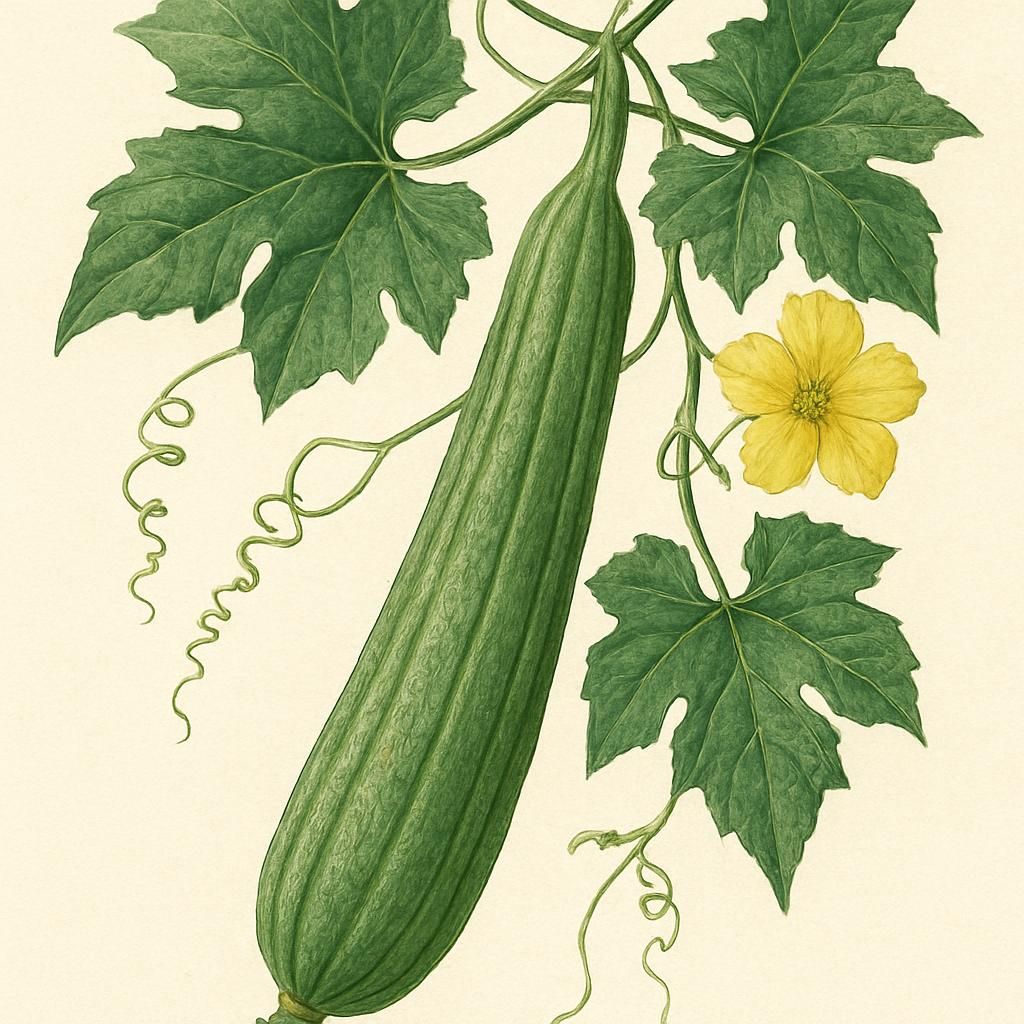
Sponge Gourd (Luffa aegyptiaca)
Sponge Gourd, scientifically known as Luffa aegyptiaca, is a versatile plant used both as a vegetable and for producing natural sponges. Known for its robust growth, it thrives in warm climates and is relatively easy to cultivate, making it suitable for home gardeners and commercial farmers alike.
View Guide
Spongy Tissues
Spongy Tissues is a devastating physiological disorder primarily affecting avocado fruits, causing internal flesh to become soft, watery, and inedible with a characteristic spongy texture. Triggered by environmental stresses and exacerbated by pathogens like Phytophthora, it leads to significant crop losses in subtropical regions. This guide provides comprehensive diagnostic, organic management, and prevention strategies for affected growers.
View Profile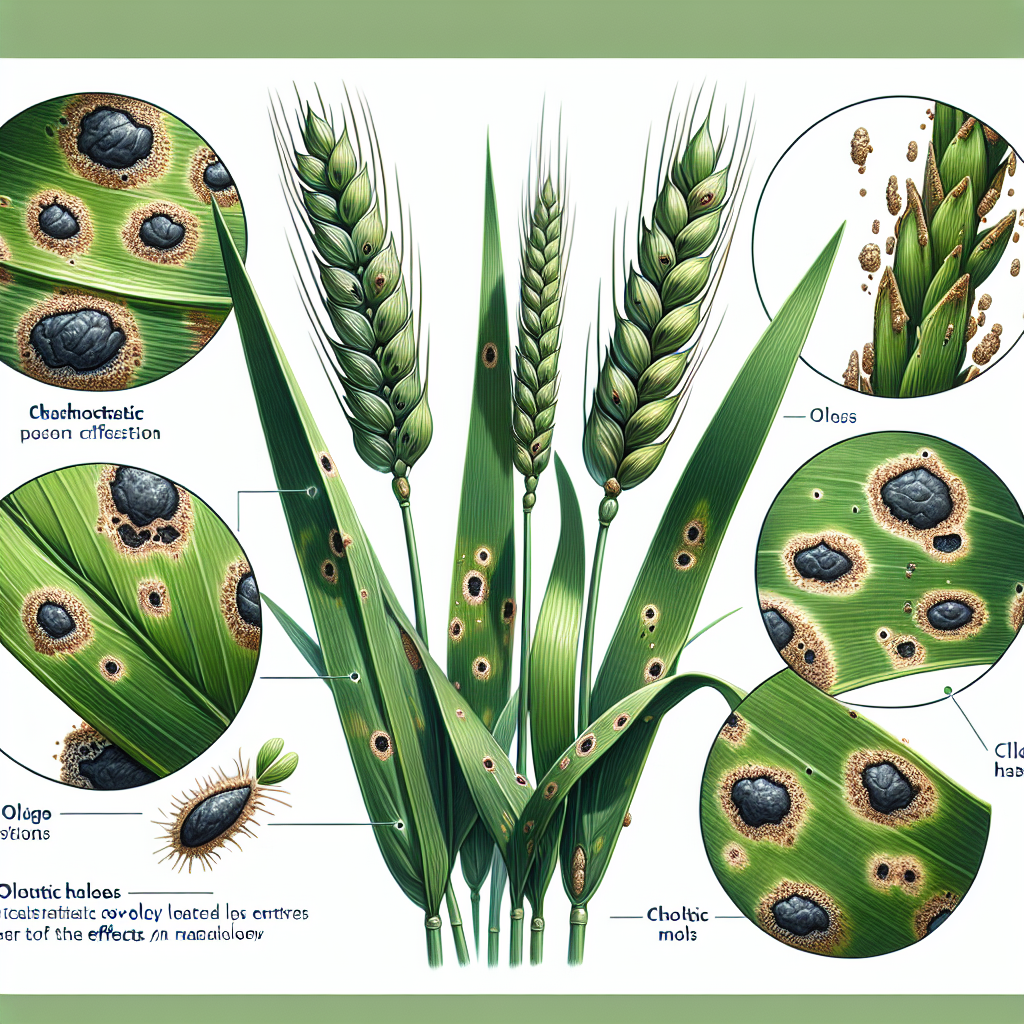
spot blotch
Spot blotch is a destructive foliar disease primarily affecting wheat and barley crops, caused by the fungus Cochliobolus sativus. It manifests as dark brown spots on leaves that merge into blotches, leading to premature senescence and significant yield losses up to 50% in susceptible varieties. Effective management relies on resistant cultivars, cultural practices, and timely fungicide applications.
View Profile
Spotted asparagus beetle
The spotted asparagus beetle is a significant pest of asparagus crops, recognizable by its distinctive 12 black spots on a red-orange body. Adults and larvae feed voraciously on foliage and spears, causing defoliation and scarring that reduce yields. Effective management combines cultural practices, biological controls, and timely interventions for sustainable asparagus production.
View Profile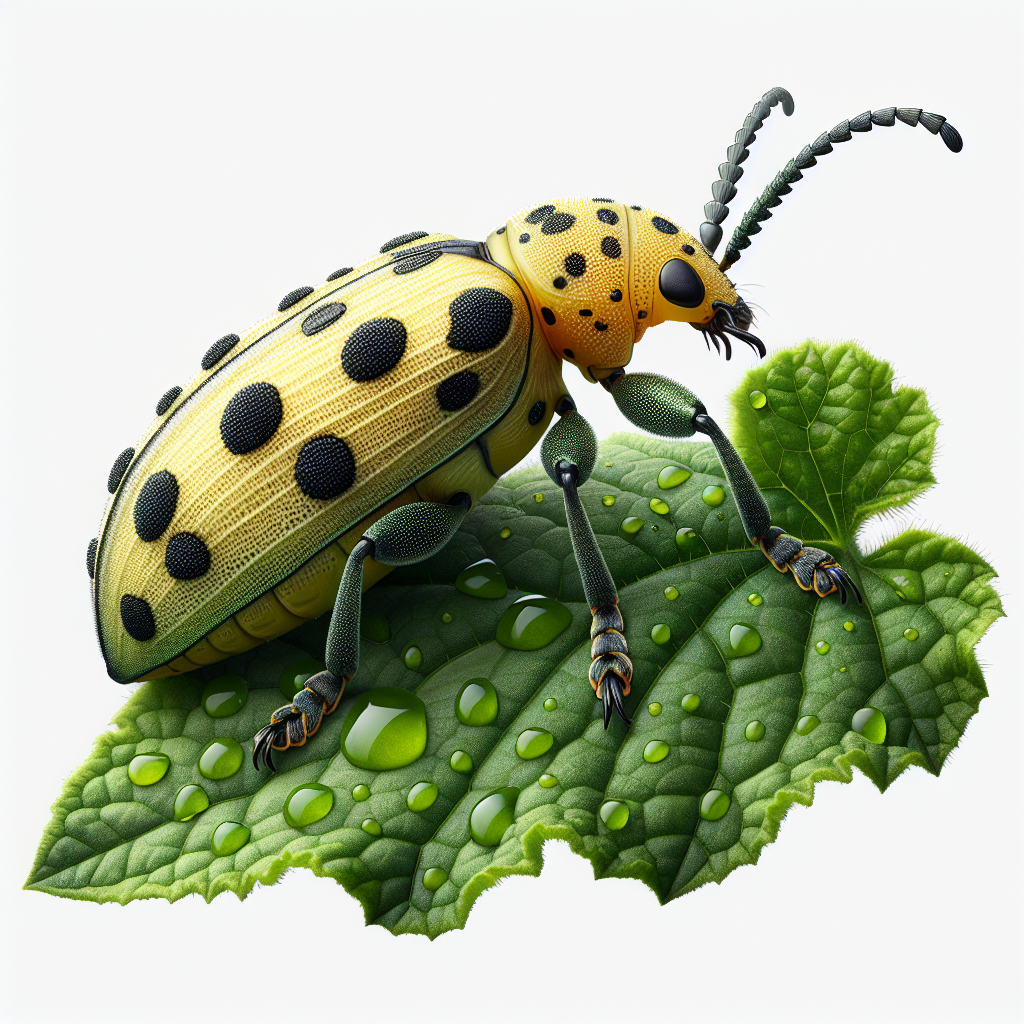
Spotted Cucumber Beetle
The spotted cucumber beetle (Diabrotica undecimpunctata) is a notorious pest targeting cucurbit crops, causing direct feeding damage to leaves, flowers, and fruits while vectoring bacterial wilt disease. Adults are easily identified by their yellow-green bodies adorned with 12 black spots. Effective management combines cultural practices, organic controls, and vigilant monitoring to protect yields.
View Profile
spotted lanternfly
The spotted lanternfly (Lycorma delicatula) is an invasive planthopper that feeds on plant sap, causing significant damage to vineyards, orchards, and timber crops across North America. Native to Asia, it secretes honeydew that promotes sooty mold and weakens host plants. Effective management combines early detection, organic controls, and cultural practices to prevent establishment.
View Profile