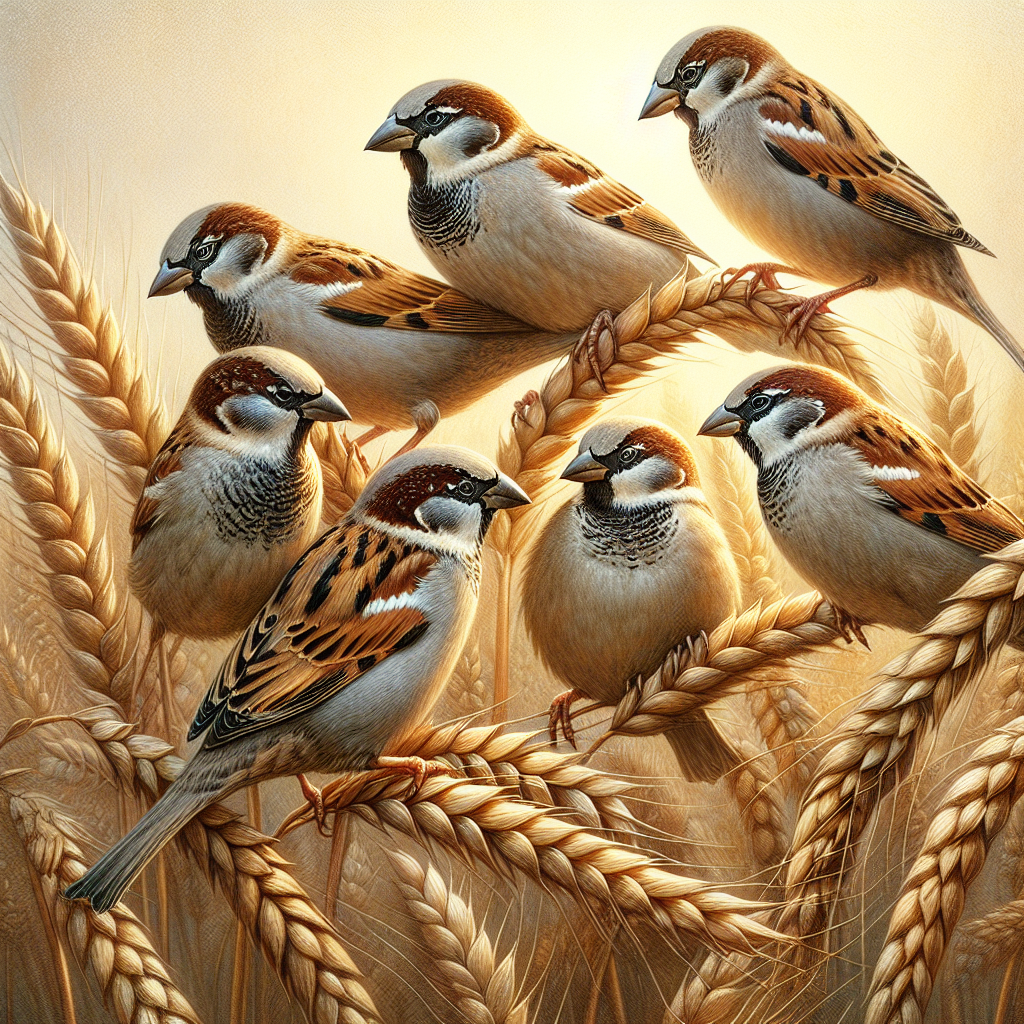
Introduction to Sparrows
Sparrows, particularly the house sparrow (Passer domesticus) and Eurasian tree sparrow (Passer montanus), rank among the most problematic avian pests in global agriculture. These small, highly social birds thrive in human-altered environments, from urban fringes to vast farmlands, where they flock in massive numbers to exploit ripening crops. Farmers worldwide report yield losses of 10-30% in grains and fruits due to sparrow depredation, with economic impacts exceeding billions annually in staple crops like rice and wheat.
As resilient opportunists, sparrows breed prolifically—up to three clutches per year with 4-6 eggs each—allowing populations to rebound quickly from control efforts. Their adaptability to diverse climates, from temperate zones to subtropical regions, makes them a year-round threat. This definitive guide equips agricultural professionals with diagnostic tools, lifecycle knowledge, organic management plans, and prevention strategies to minimize sparrow damage while promoting sustainable farming. By integrating bird-proofing with crop resilience, growers can safeguard harvests effectively. For broader pest management insights, see our coverage of related avian threats like birds.
Understanding sparrow behavior is key: they prefer open fields for foraging but nest in sheltered spots near food sources. Early intervention during seed germination and fruit set phases prevents escalation. This resource draws from entomological, ornithological, and agronomic expertise to deliver actionable, SEO-optimized advice for sparrow control in modern agriculture.
Identifying Symptoms & Damage
Sparrow damage manifests distinctly across crop stages, enabling swift diagnosis. Primary signs include seed predation, where freshly sown fields show patchy germination—sparrows scratch soil and devour up to 50 seeds per bird daily. In grain crops like corn, expect head clipping: entire panicles or ears stripped clean, leaving bare stalks with scattered husks.
Fruit scarring appears on berries and stone fruits: small, pecked holes with flesh removal, often leading to secondary infections like anthracnose. Vegetable crops exhibit foliage stripping, with young leaves shredded into confetti-like debris. Droppings—small, white splatters with dark spots—concentrate under roosts, signaling heavy infestation. Listen for persistent chirping flocks at dawn/dusk, a hallmark of active feeding.
Differentiate from other pests: unlike cutworms that sever stems at soil level, sparrows leave upright plants with tops missing. Squirrels create larger chew marks; sparrows produce fine pecks. Scout mornings post-rain when tracks (tiny three-toed prints) reveal foraging paths. Use sticky traps or trail cams for confirmation. Quantify loss by grid sampling: count eaten seeds vs. intact in 1m² quadrants. Threshold: >5% seed loss warrants action. Early ID prevents 20-40% yield hits.
Lifecycle and Progression of Sparrows
Sparrows complete 3-4 generations yearly, accelerating damage in warm climates. Egg stage (4-5 days incubation): females lay 3-7 pale blue eggs with brown spots in nests of grass/twigs, often in farm structures or dense shrubs. Nestling phase (10-14 days): blind, featherless chicks fed insects/seeds by both parents, vulnerable to eviction tactics.
Fledgling (2-3 weeks): young birds join flocks, doubling foraging pressure. Adults molt post-breeding, appearing scruffy but feeding voraciously. Winter flocks swell to 100s, targeting stored grains. Progression peaks May-July (breeding) and Sept-Oct (migration fattening). Lifespan: 3-5 years, with high juvenile mortality offset by fecundity.
Monitor via nest counts: 1 pair/km² signals low risk; >10/km² demands intervention. Lifecycle aligns with crops—target nestlings during tillering in cereals. Disrupt breeding with timely netting. Understanding this cycle enables predictive management, reducing populations before peak damage.
Environmental Triggers & Risk Factors
Sparrows exploit specific farm conditions. Proximity to shelter: Barns, silos, or hedges within 100m of fields invite nesting. Monocultures like vast sorghum or millet fields offer easy foraging. Drought stresses crops, making tender shoots/seeds prime targets.
Harvest residues left uncleared attract roosts. Urban sprawl boosts populations via food waste. Climate: mild winters sustain year-round residency; wet springs boost insect prey for nestlings, swelling flocks. Poor timing—late sowing—overlaps peak breeding.
Risk assessment: score farms (1-10) on shelter (30%), crop type (40%), sanitation (20%), season (10%). High-risk: >7. Mitigate by diversifying crops, clearing debris. See Spring Pest Patrol: Organic AI Strategies to Shield Your Crops from Common Invaders for seasonal tips.
Organic Control & Treatment Plans
Organic sparrow management emphasizes non-lethal, eco-friendly tactics. Tier 1: Cultural—sow resistant varieties (e.g., tight-husked quinoa); time planting post-breeding. Sow mixed with clover to dilute appeal.
Tier 2: Physical barriers—overhead netting (mesh <1cm) for high-value strawberry fields; row covers during germination. Reflective tapes/mylar balloons deter via flash; wind-chimes add noise. **Traps**: funnel seed-baited boxes with one-way doors, relocate >10km.
Tier 3: Biological—falconry (trained raptors patrol weekly); install owl boxes. Ultrasonic devices emit sparrow distress calls. Repellents: capsaicin sprays on fruits; methyl anthranilate (grape-based) on grains—safe, rainfast.
Integrated plan: Week 1 scout/monitor; Week 2 barriers; ongoing deterrence. Efficacy: 70-90% reduction. Rotate methods to prevent habituation. Avoid poisons—non-target risk to bees (though not listed, analogous). Monitor via before/after yield grids.
Preventing Sparrows in Future
Long-term prevention builds resilient systems. Habitat modification: remove nest sites—trim hedges >2m, seal buildings. Plant borders with thorny thai-basil or unpalatable yarrow. Crop rotation: alternate grains with legumes like chickpeas.
Perimeter defense: electric fencing (low volt, bird-safe); laser deterrents sweep fields. Community action: coordinate regional scaring. Tech: motion-activated sprinklers/noise cannons. Annual audits: map flocks, adjust. Success metric: <2% loss. Combine with IPM for aphids synergy.
Crops Most Affected by Sparrows
Sparrows devastate small grains and fruits. Top targets: Rice (panicle ripping, 15-25% loss); wheat (milk stage feeding); corn (ear pecking). Fruits: cherry, grapes, blueberry—total defoliation possible.
Vegetables: lettuce seedlings, sunflower heads. Emerging: dragon fruit, mango in tropics. Grains comprise 60% damage; fruits 30%. Protect via netting on strawberry patches. Yields rebound 80% with prevention.