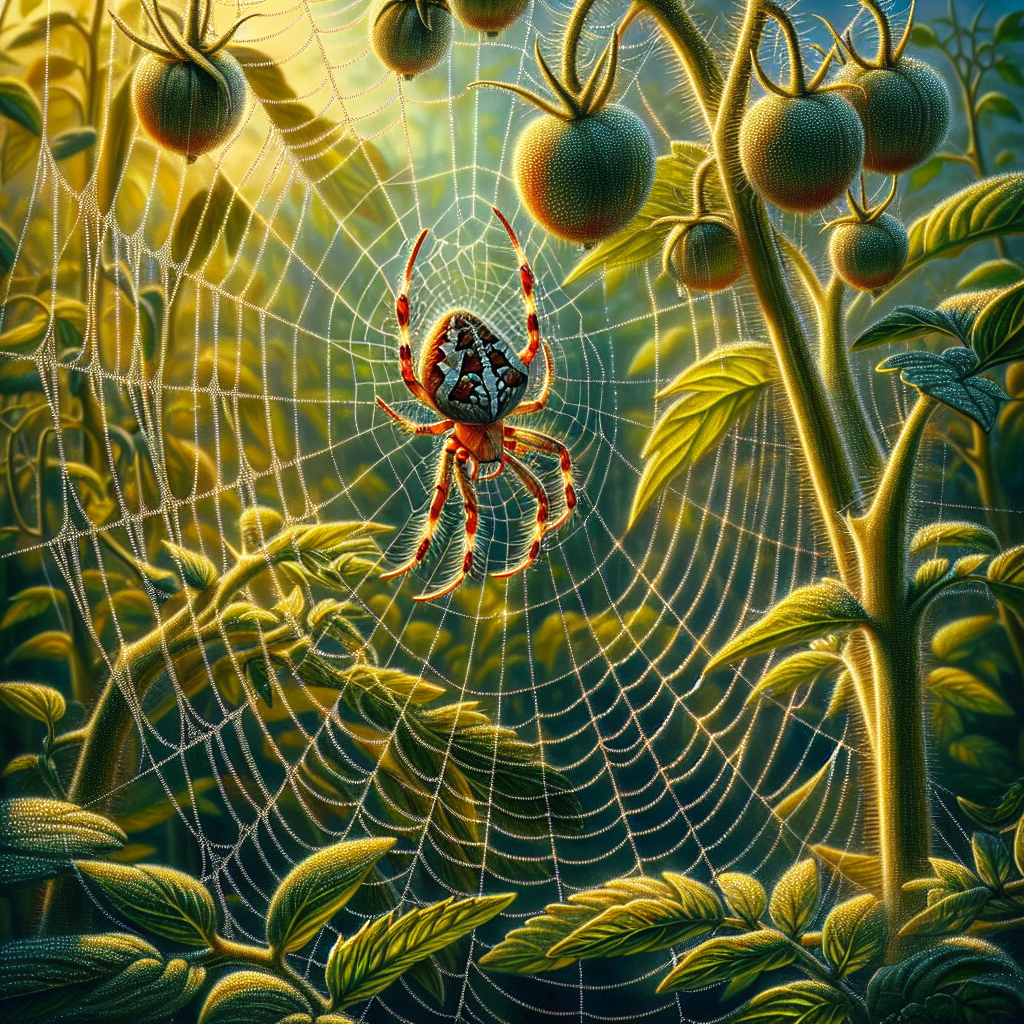
Introduction to spiders
Spiders (order Araneae) are eight-legged arachnids found worldwide, with over 50,000 species. In agriculture, most spiders act as natural biological controls, consuming vast numbers of pest insects such as aphids, mites, and whiteflies. They thrive in diverse crop environments, from orchards to greenhouses, helping maintain ecological balance without chemical inputs.
However, in intensive farming, certain spiders like cellar spiders, wolf spiders, or orb-weavers can become problematic. They construct extensive webs that entangle foliage, reduce photosynthesis, and complicate harvest. High populations may indicate underlying pest outbreaks, as spiders follow their prey. Understanding their role as both allies and occasional nuisances is key to sustainable farm management. For small farms, integrating spider-friendly practices can boost yields while minimizing interventions. Read our Spring Pest Patrol: Organic AI Strategies to Shield Your Crops from Common Invaders for broader pest insights.
Farmers often misidentify spiders as direct crop destroyers, but damage stems from webbing obstruction or secondary issues like mold on trapped debris. Proactive monitoring prevents escalation. This guide equips growers with diagnostic tools, lifecycle knowledge, and organic strategies tailored for crops like tomatoes, strawberries, and greenhouse vegetables.
Identifying Symptoms & Damage
Spider presence manifests through distinctive signs rather than direct feeding damage, as they consume insects rather than plant tissue. Look for:
- Webbing: Silky, irregular webs draped over leaves, stems, or between plants. Orb-weaver webs form perfect wheels, while cobwebs are messy and sticky.
- Silk on Produce: Fine threads on fruits like strawberries or grapes, reducing marketability.
- Prey Remnants: Desiccated insect husks in webs, signaling high pest activity.
- Droppings: Small black specks (frass) beneath webs.
- Plant Stress: Yellowing leaves or stunted growth from webbing blocking light/airflow, mimicking powdery mildew symptoms.
Damage severity varies: in greenhouses, webs clog ventilation, fostering botrytis. In orchards, heavy webbing on apples or peaches hinders spraying and picking. Distinguish from spider mites, which cause stippling without visible spiders.
Diagnostic Steps:
- Inspect undersides of leaves at dawn/dusk when spiders are active.
- Use a hand lens to confirm eight legs (vs. six on insects).
- Monitor for associated pests like thrips in webs.
Early detection prevents 80% of issues; log sightings for trends.
Lifecycle and Progression of spiders
Spiders undergo incomplete metamorphosis: egg → spiderling → adult. Lifecycle spans 1-3 years, influenced by species and climate.
- Egg Stage: Females lay 100-1000 eggs in silk sacs, hidden in foliage or soil. Hatches in 2-4 weeks.
- Spiderling Stage: Dispersal via ballooning (silk threads carried by wind). Juveniles resemble mini-adults, maturing in months.
- Adult Stage: Females larger, live longer (up to 2 years); males shorter-lived post-mating. Peak activity spring-fall.
Progression in Crops:
- Spring: Egg hatch, rapid population growth.
- Summer: Webs proliferate as prey peaks.
- Fall: Overwinter as eggs/adults in leaf litter.
In greenhouses, continuous breeding shortens cycles to weeks, exploding populations. Disrupt by removing webs weekly.
Environmental Triggers & Risk Factors
Spiders surge when prey abounds or habitats favor them:
- High Insect Pests: Outbreaks of caterpillars or flea beetles attract spiders.
- Overcrowded Plants: Dense canopies in cucumber or squash fields trap prey.
- Poor Sanitation: Leaf litter, mulch harbors eggs.
- High Humidity: Thrives above 70% RH in lettuce houses.
- Reduced Tillage: No-till farms boost ground spiders.
- Night Lighting: Attracts via insects.
Risk peaks post-rain or in weedy borders near corn or wheat. Monitor mites as early warning.
Organic Control & Treatment Plans
Emphasize integrated pest management (IPM) preserving beneficial spiders:
Cultural Controls:
- Prune webs weekly; improve airflow.
- Till borders to expose eggs.
- Plant repellents like garlic or thai basil.
Biological Controls:
- Encourage predators: birds, wasps.
- Release predatory mites if spider mites confuse.
Organic Sprays:
- Neem Oil: 2% solution weekly disrupts webbing.
- Insecticidal Soap: Targets spiderlings.
- Pyrethrin: Short-residual for outbreaks.
Treatment Plan:
- Scout twice weekly.
- Vacuum webs in greenhouses.
- Apply neem if >5 webs/10 plants.
- Trap with sticky cards.
Avoid broad-spectrum; focus on habitat modification.
Preventing spiders in the Future
Long-term prevention builds resilient systems:
- Crop Rotation: Alternate with clover to disrupt cycles.
- Sanitation: Remove debris; mulch thinly.
- Row Covers: Exclude during peak.
- Perimeter Plants: Marigold, yarrow borders.
- Lighting Management: Sodium lamps reduce insects.
- Monitoring Tools: Pheromone traps for prey.
Annual plans cut incidences 70%. Integrate with IPM for tomato success.
Crops Most Affected by spiders
Spiders impact webbing-prone crops:
- Greenhouse Veggies: Tomato, cucumber, bell pepper – webs clog vents.
- Berries: Strawberry, blueberry – silk on fruit.
- Orchards: Apple, peach, cherry – foliar obstruction.
- Vines: Grapes – harvest interference.
- Leafy Greens: Lettuce, kale – cosmetic damage.
Least affected: Root crops like potato, carrot. In corn, ground spiders aid control.