Encyclopedia
Definitive guides for crops, pests, and agricultural diseases.

sooty blotch
Sooty blotch is a superficial fungal disease affecting fruit surfaces, primarily on apples, pears, and other tree fruits, characterized by dark, sooty patches that reduce market value without penetrating the fruit flesh. It thrives in warm, humid conditions and spreads via rain splash and wind. Effective management relies on cultural practices, organic fungicides, and timely pruning to improve airflow.
View Profile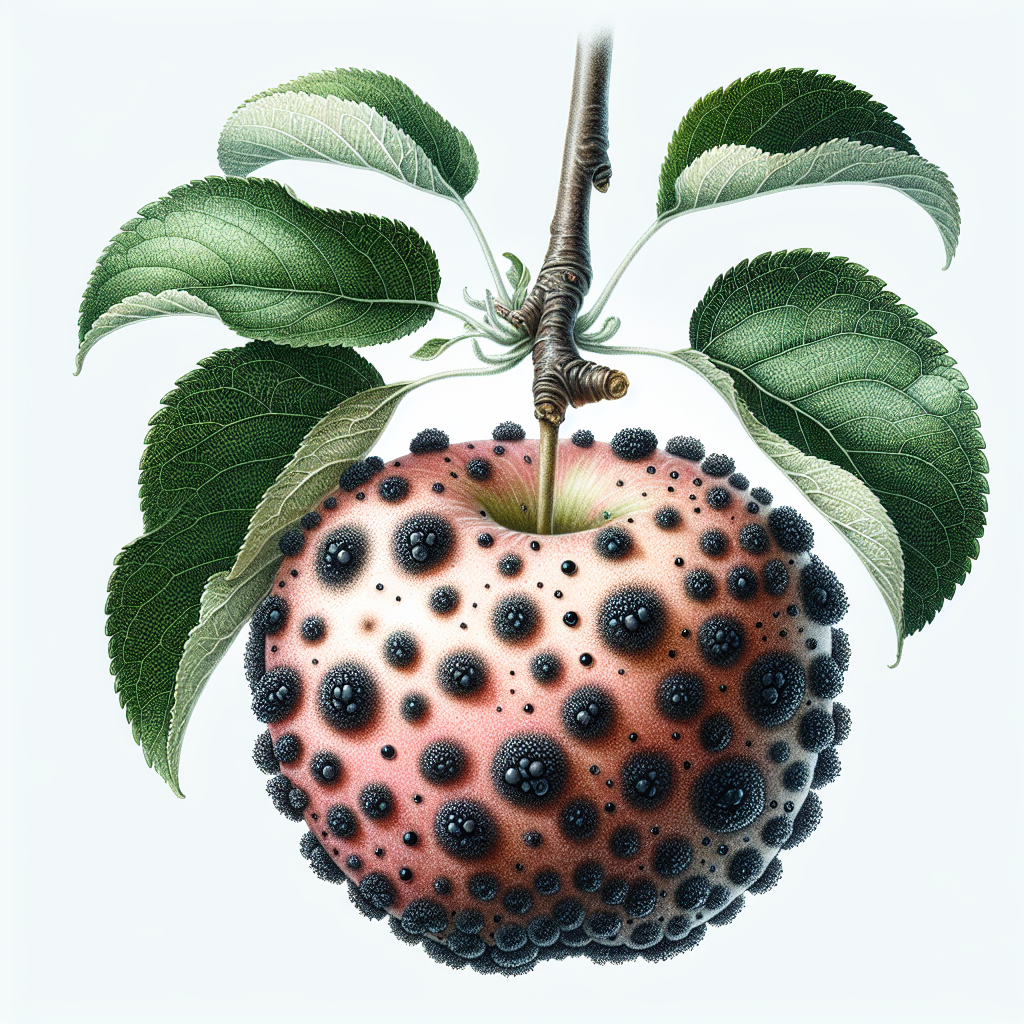
sooty blotch/flyspeck
Sooty blotch and flyspeck are superficial fungal diseases primarily affecting apple and pear fruits, causing dark, sooty patches and tiny black specks that reduce market value without impacting yield. These pathogens thrive in warm, humid conditions and spread via splashing rain and wind. Effective management relies on cultural practices, sanitation, and organic fungicides applied preventively.
View Profile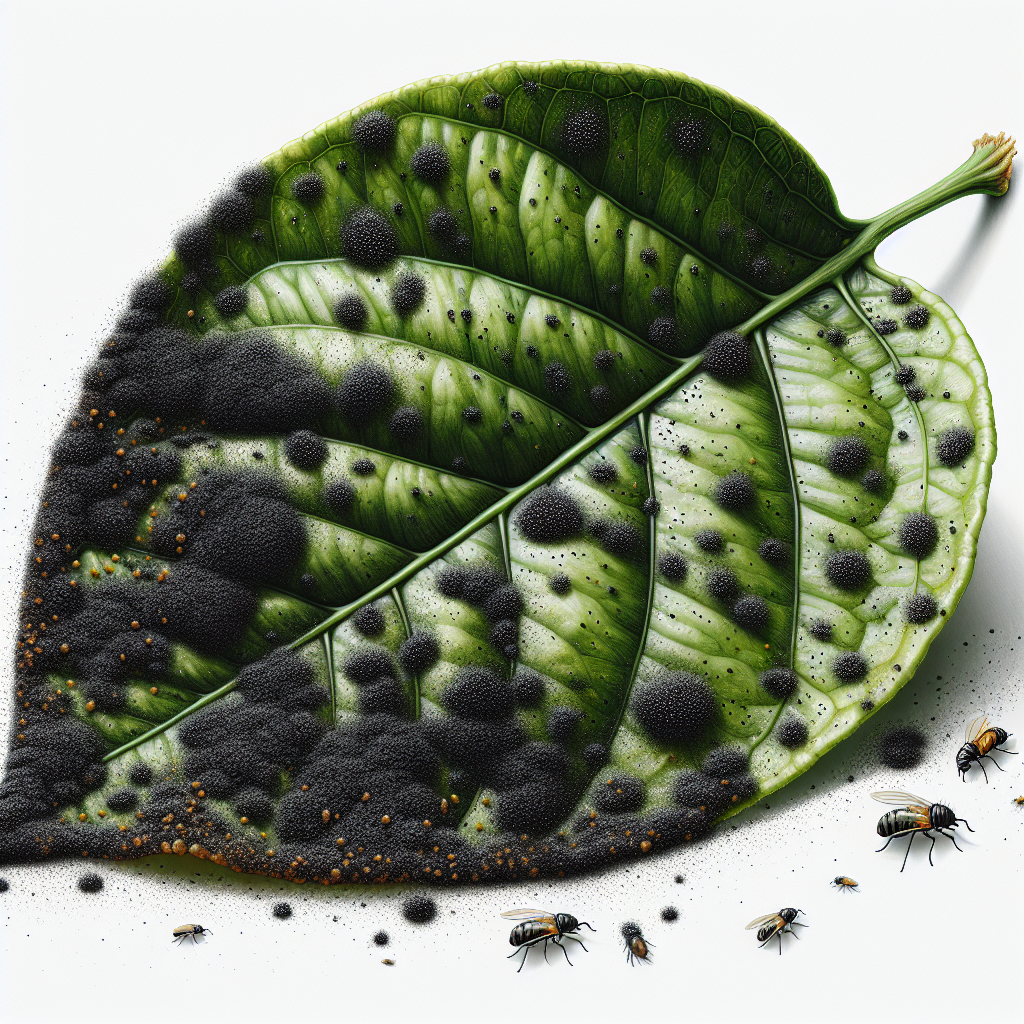
sooty mold
Sooty mold is a black, powdery fungal growth that appears on leaves, stems, and fruits coated with sticky honeydew excreted by sucking pests like aphids and scale insects. While not directly pathogenic to plants, it blocks sunlight, impairs photosynthesis, and reduces crop quality and market value. Effective management focuses on controlling the underlying insect infestations through organic methods and cultural practices.
View Profile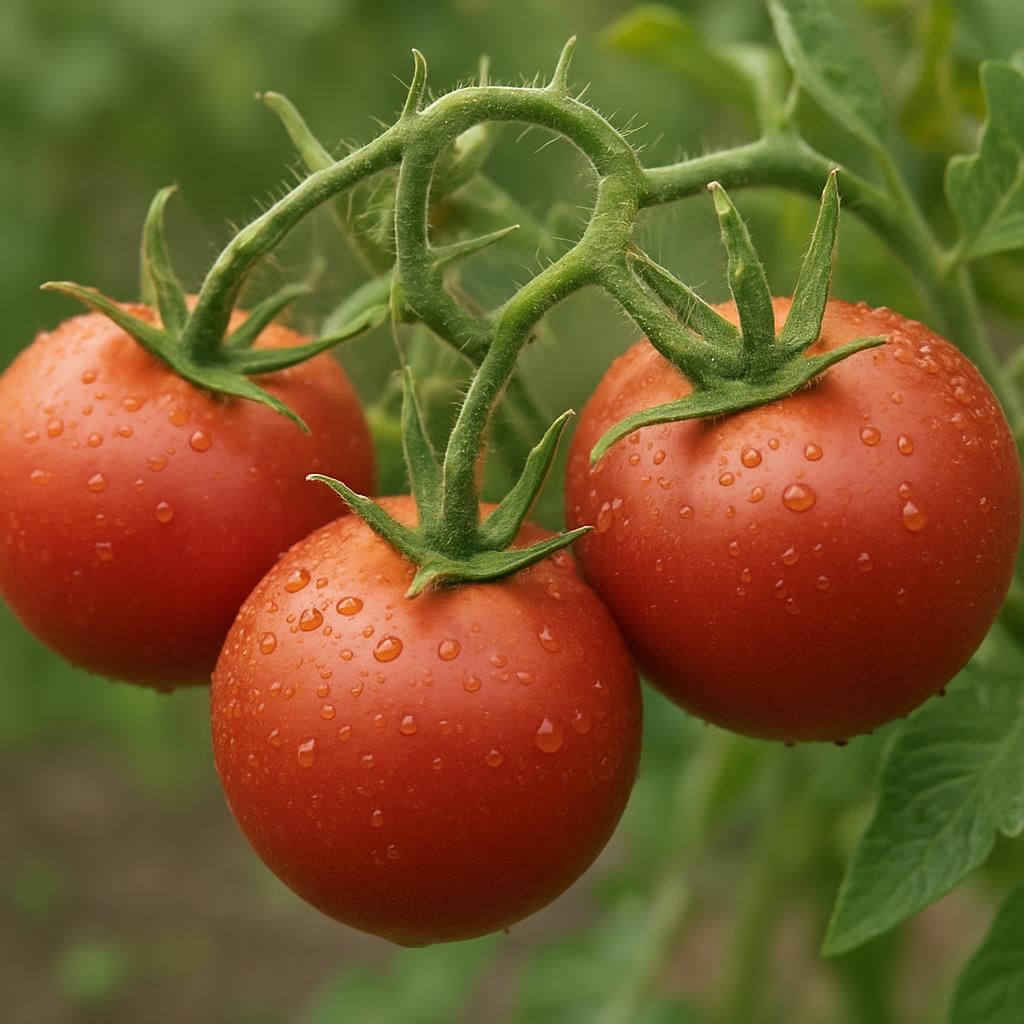
Sophie's Choice Tomato
Sophie's Choice Tomato is an early-maturing, cold-tolerant heirloom-type cultivar prized by northern gardeners for reliable fruit set in short seasons. This determinate plant produces medium-sized, smooth, deep-red fruits with balanced sweet-tart flavor and thick walls ideal for fresh eating and canning.
View Guide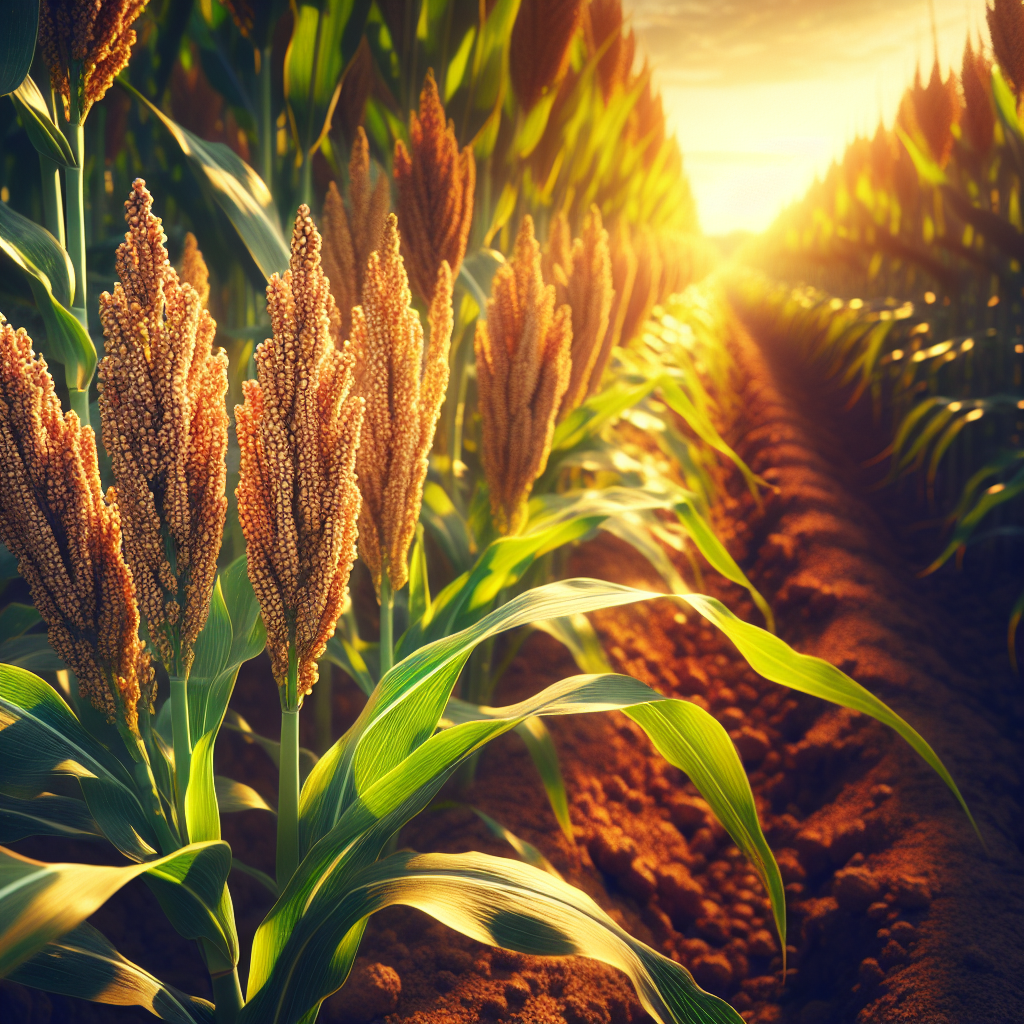
Sorghum
Sorghum is a heat-loving, drought-resilient cereal grass grown for grain, forage, syrup, and bioenergy. It is one of the world’s most adaptable staple crops, performing well where rainfall is limited, temperatures are high, and soils are too marginal for less resilient cereals.
View Guide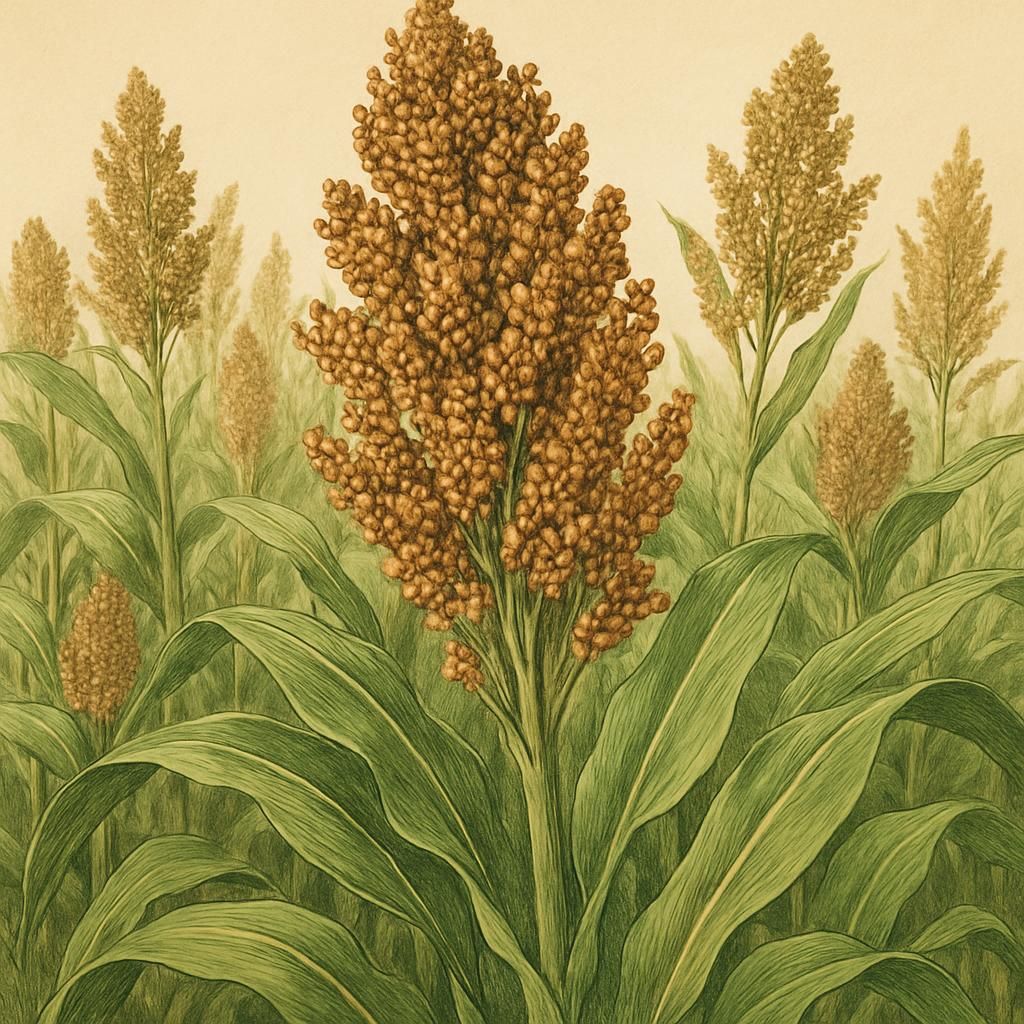
Sorghum (Hegari)
Sorghum (Hegari) is a versatile cereal crop known for its adaptability to various climates and soil types. It is primarily used for grain, forage, and syrup production across the globe.
View Guide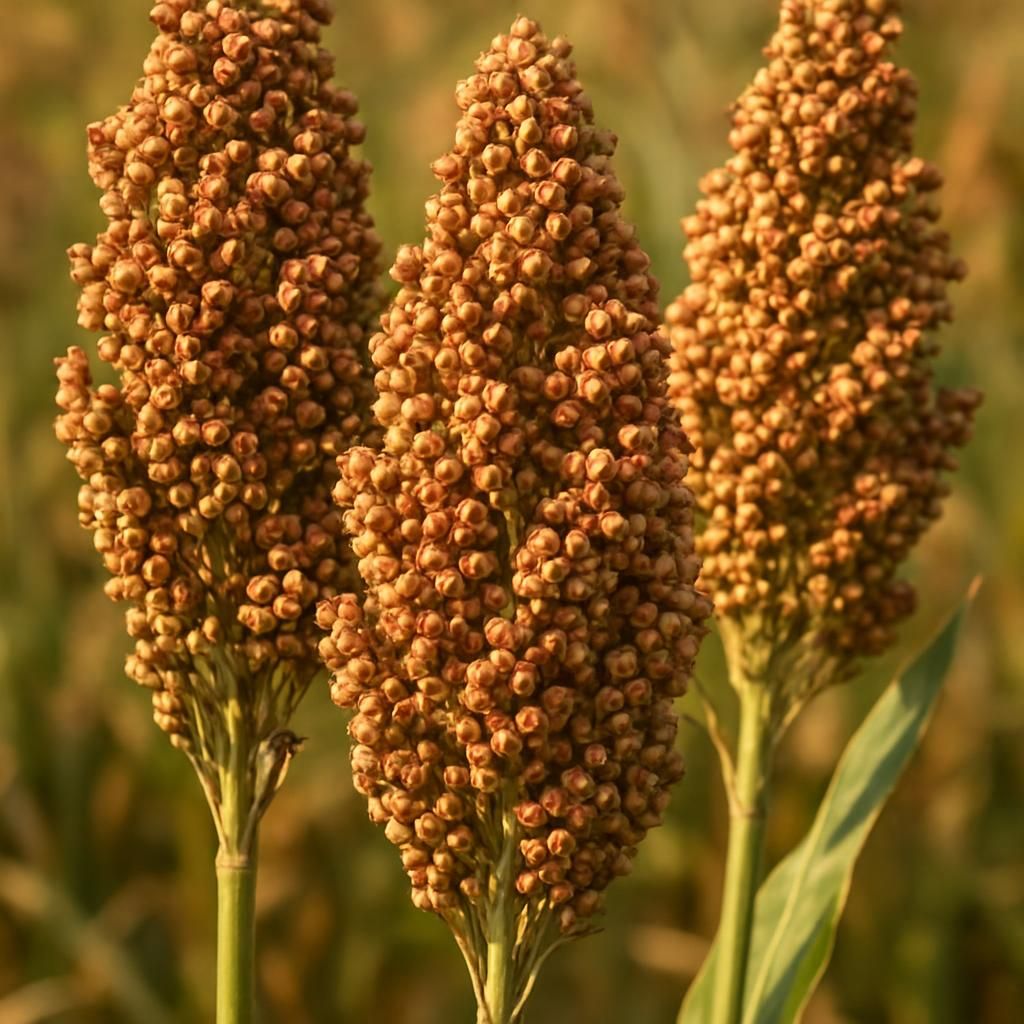
Sorghum (Milo)
Sorghum, also known as Milo, is a resilient, drought-tolerant cereal crop grown worldwide. It serves as a significant source of food, fodder, and biofuel.
View Guide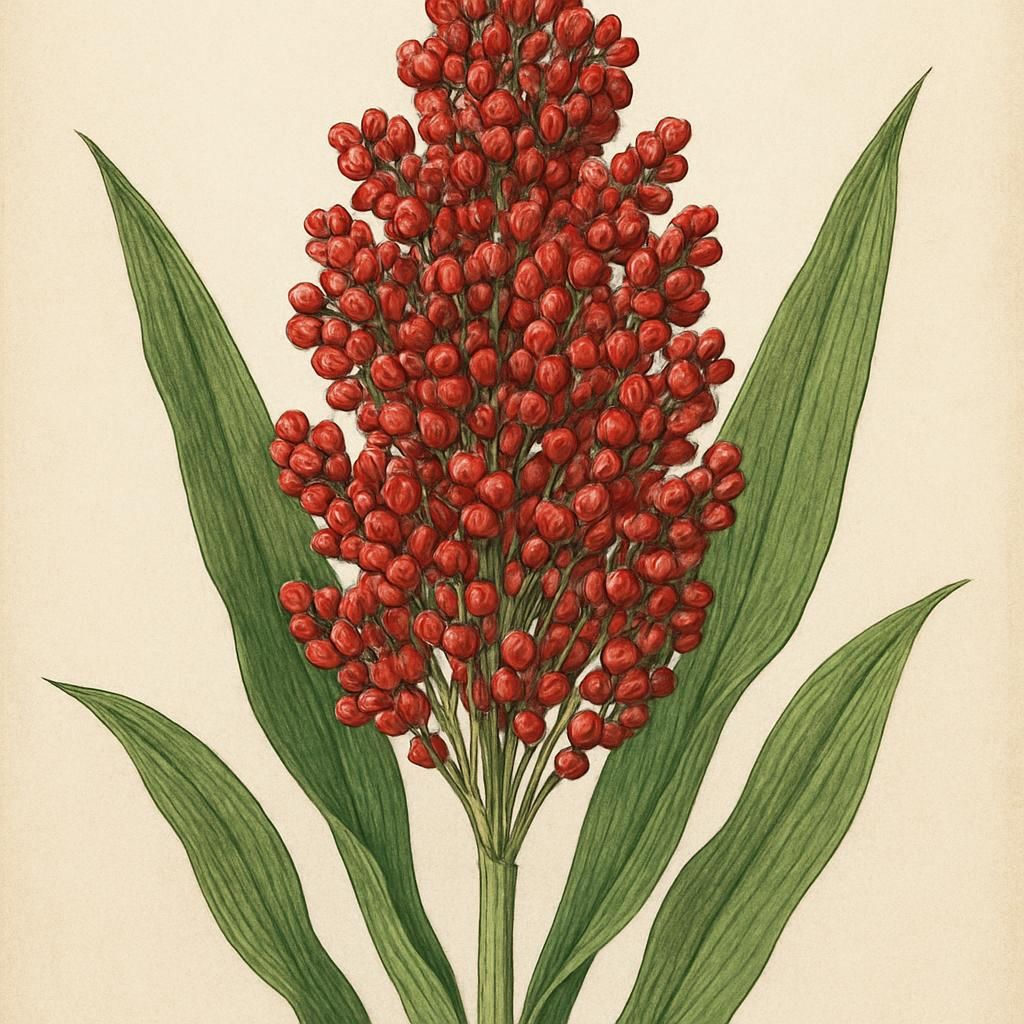
Sorghum (Red Feterita)
Red Feterita is a drought-resistant sorghum variety known for its high grain yield and adaptability to diverse climates. It is favored in arid regions for its low water requirement and nutritious grain output.
View Guide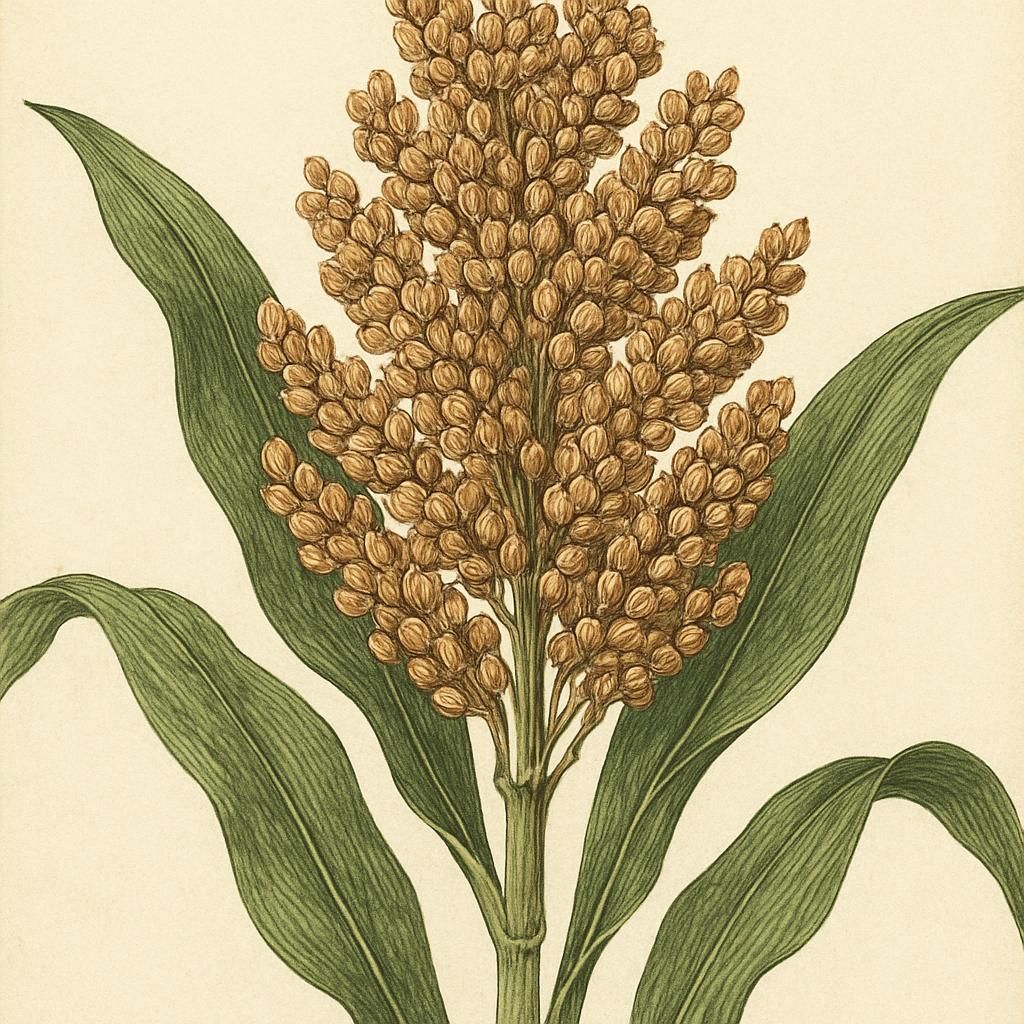
Sorghum (Shallu)
Sorghum (Shallu) is a versatile crop known for its drought tolerance and nutritious grain. It's an essential staple in arid regions, offering economic and food security.
View Guide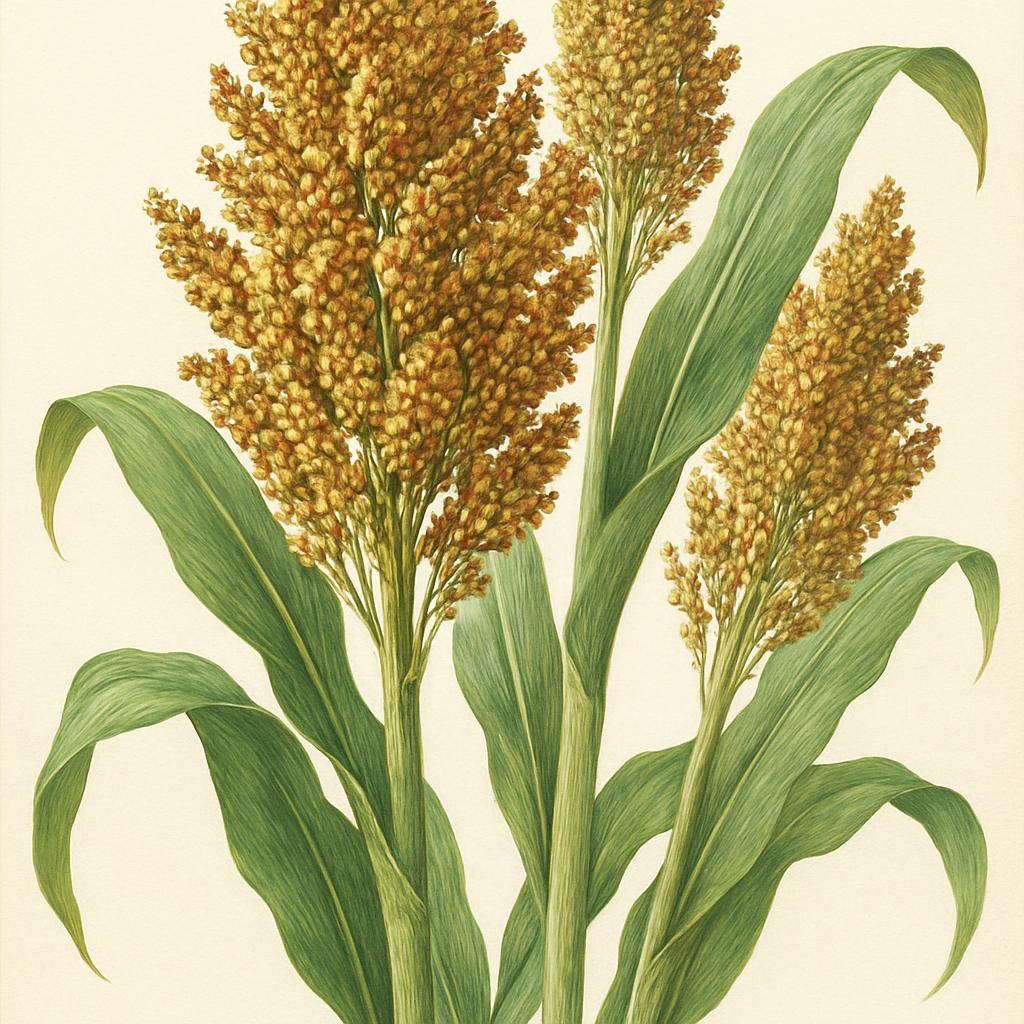
Sorghum (Sweet Sugar Drip)
Sorghum (Sweet Sugar Drip) is a popular variety of sweet sorghum known for its high sugar content, used to produce syrups and syrups. It is a drought-tolerant crop suited for various climates, making it an excellent choice for sustainable agriculture.
View Guide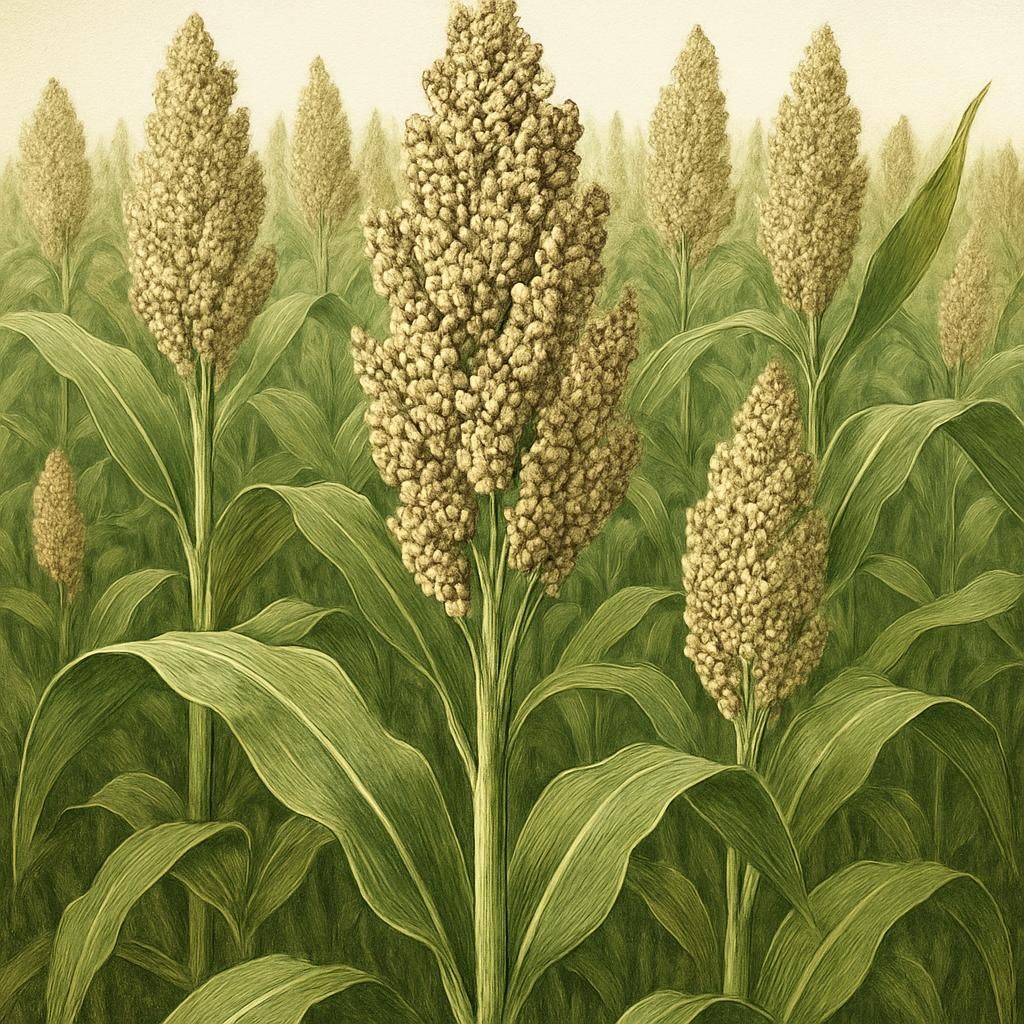
Sorghum (White Kafir)
White Kafir sorghum is a resilient, drought-tolerant crop ideal for grain production. It thrives in warm climates and requires minimal care, making it suitable for sustainable agriculture.
View Guide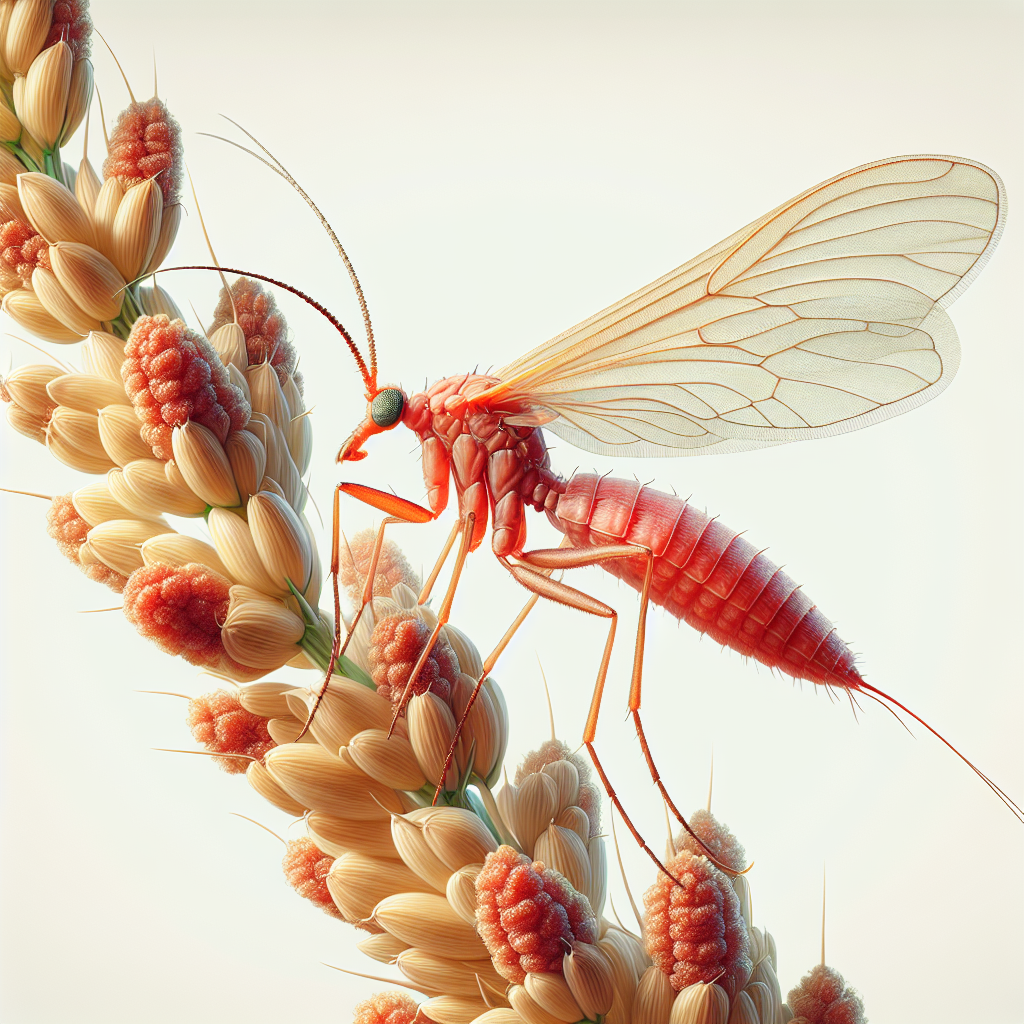
sorghum midge
The sorghum midge is a tiny gall midge that devastates grain sorghum by laying eggs in developing florets, causing significant yield losses up to 100% in susceptible crops. This guide provides comprehensive diagnostics, lifecycle insights, organic management strategies, and prevention tactics for farmers battling this pest. Learn to identify damage early and implement effective controls to protect your [Sorghum (crop)](/wiki/sorghum) harvest.
View Profile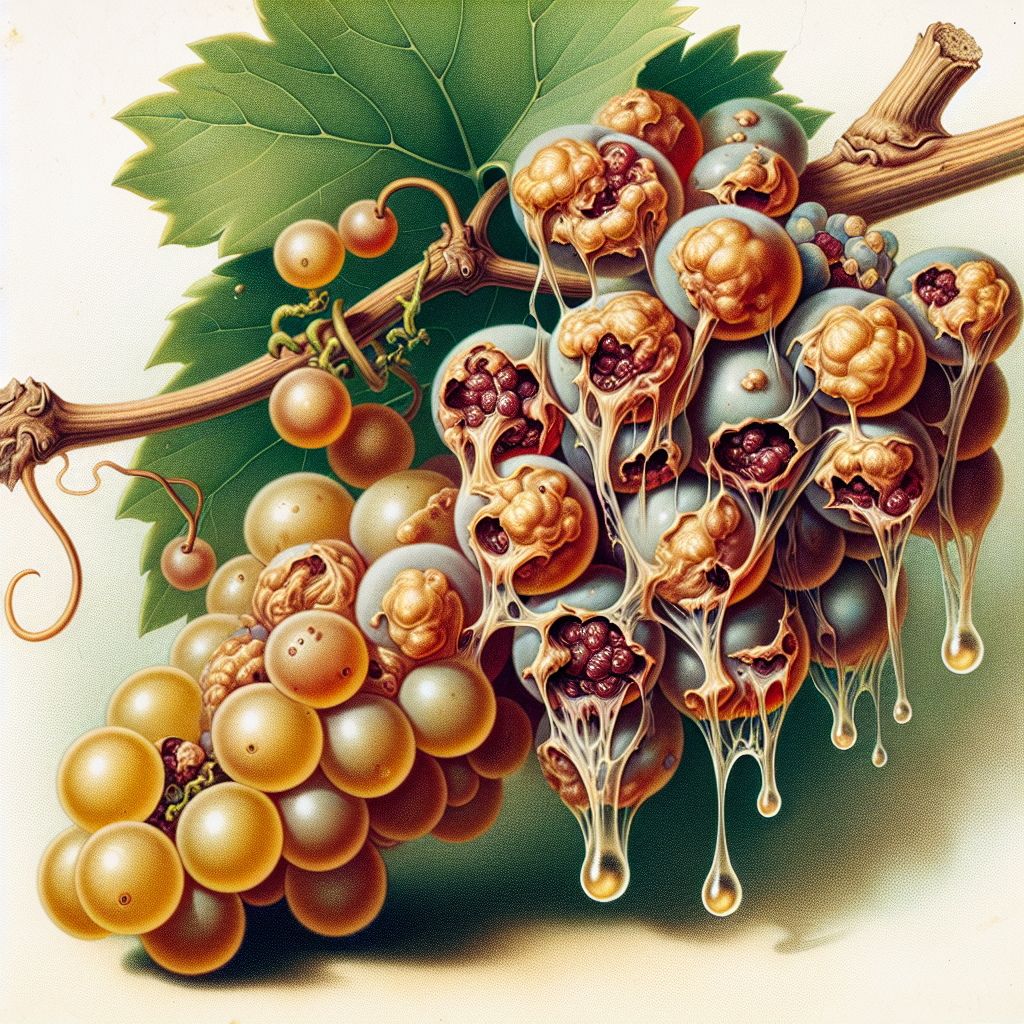
Sour rot
Sour rot is a destructive post-harvest and late-season disease primarily affecting grapes and soft fruits, characterized by fermentation and breakdown of fruit tissue into a vinegar-like mush. It spreads rapidly in warm, humid conditions, often initiated by insect damage from spotted wing drosophila. Effective management relies on cultural practices, sanitation, and targeted organic treatments to minimize losses.
View Profile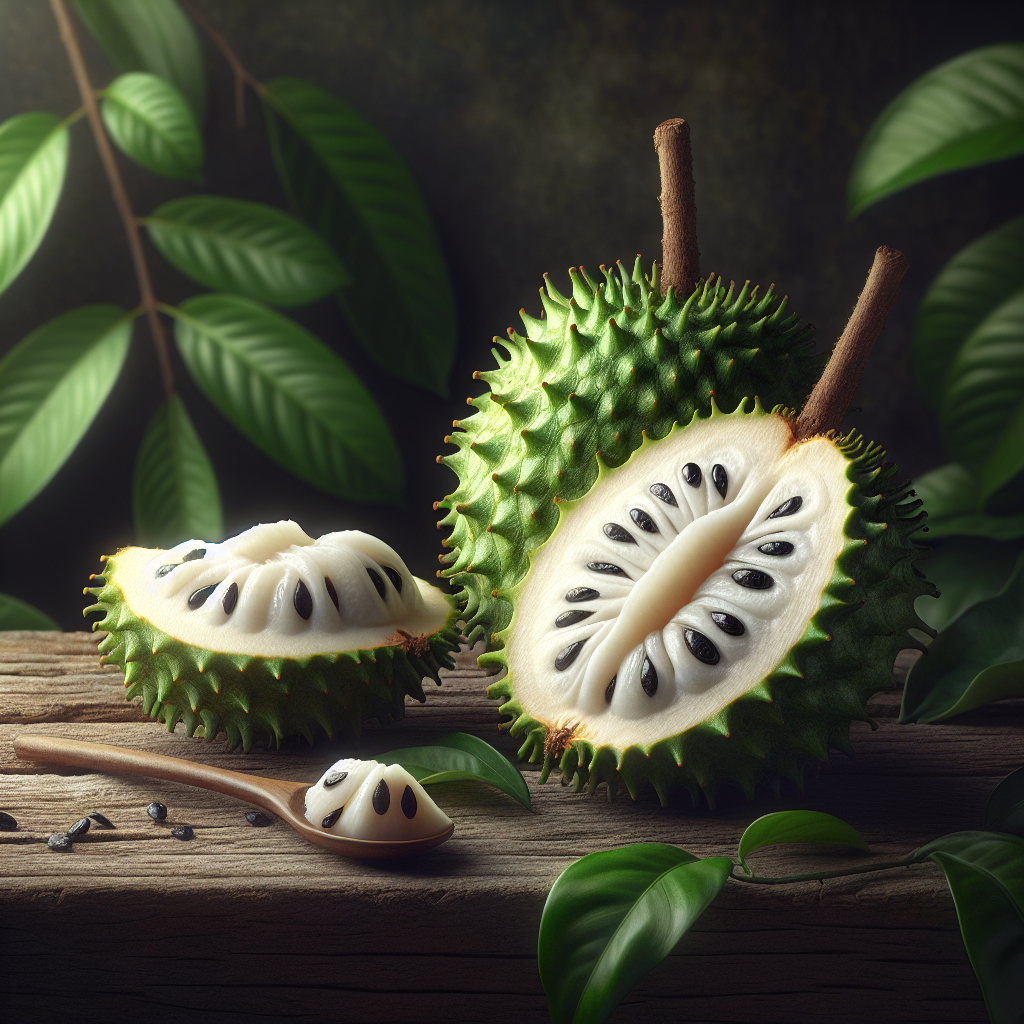
Soursop (Whitman Fiberless)
Soursop (Whitman Fiberless) is a premium, low-fiber cultivar of the tropical Annona muricata, prized for its creamy, custard-like fruit with exceptional flavor and minimal seeds. This guide provides expert cultivation advice for optimal yields in suitable climates or controlled environments. Ideal for home gardeners and small farms seeking high-value exotic fruit production.
View Guide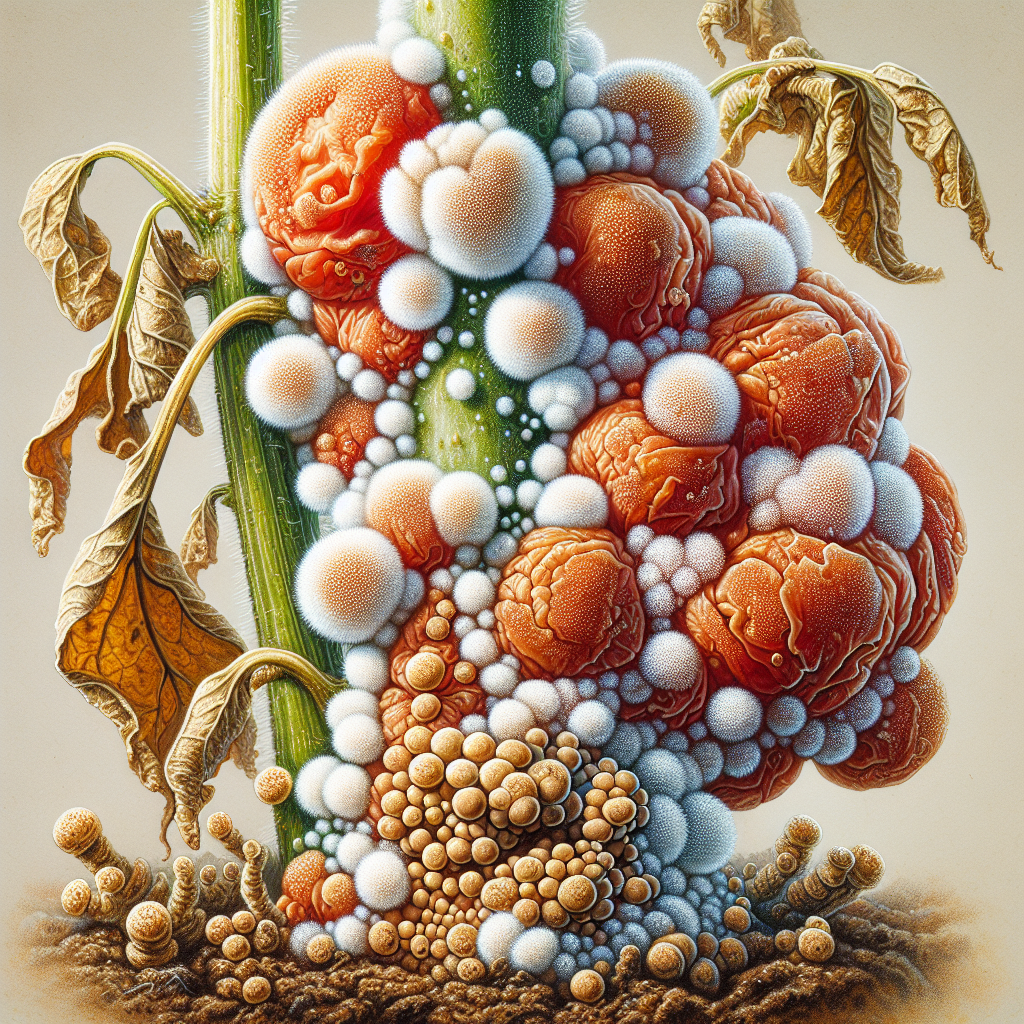
southern blight
Southern blight is a destructive soilborne fungal disease caused by Sclerotium rolfsii, primarily affecting warm-season crops in humid environments through root and stem rot. It spreads via hardy sclerotia and thrives in high-temperature, poorly drained soils, leading to rapid plant wilting and death. Effective management relies on cultural practices, sanitation, and organic amendments to suppress the pathogen.
View Profile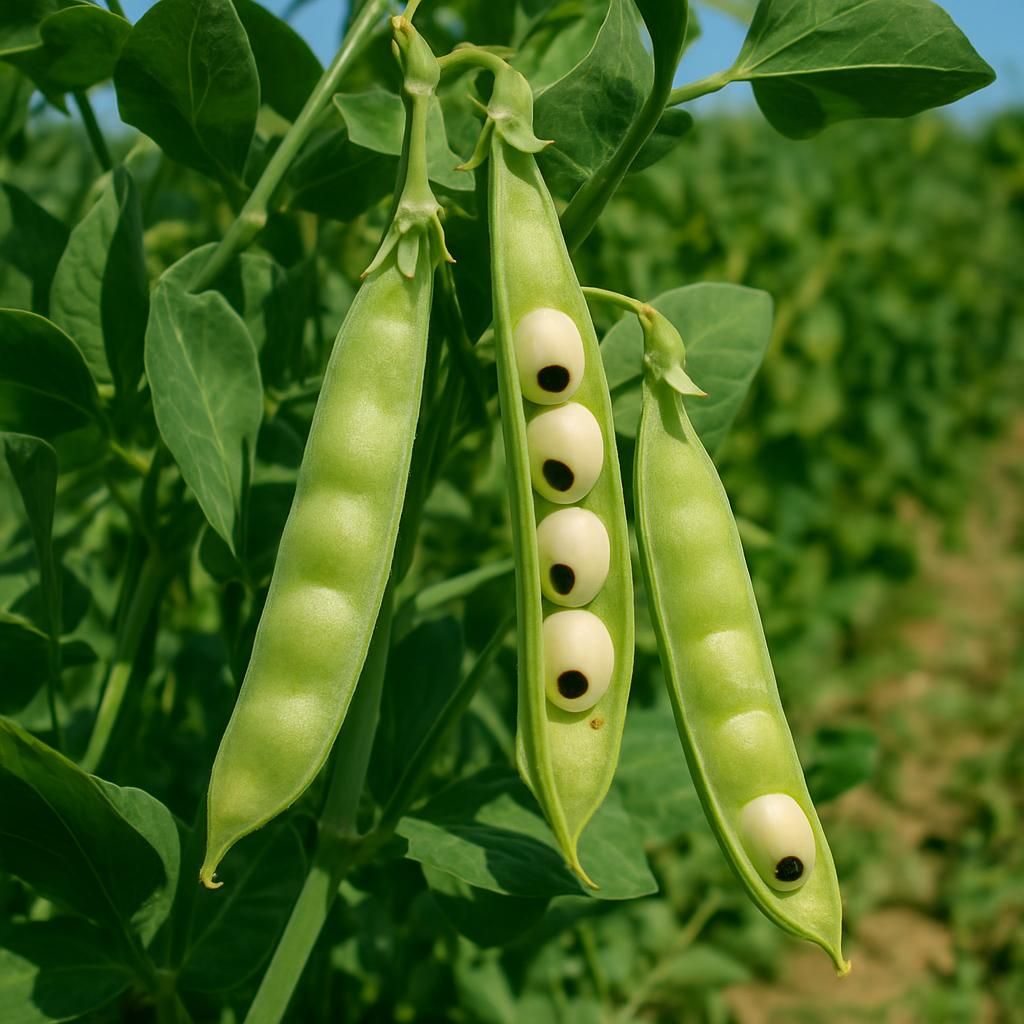
Southern peas
Southern peas, also known as cowpeas or field peas, are warm-season legumes prized for their edible pods, seeds, and soil-building nitrogen fixation. They thrive in hot climates and poor soils, making them a staple in Southern U.S. agriculture and home gardens. This guide covers every stage from soil prep to storage for reliable, high-yielding crops.
View Guide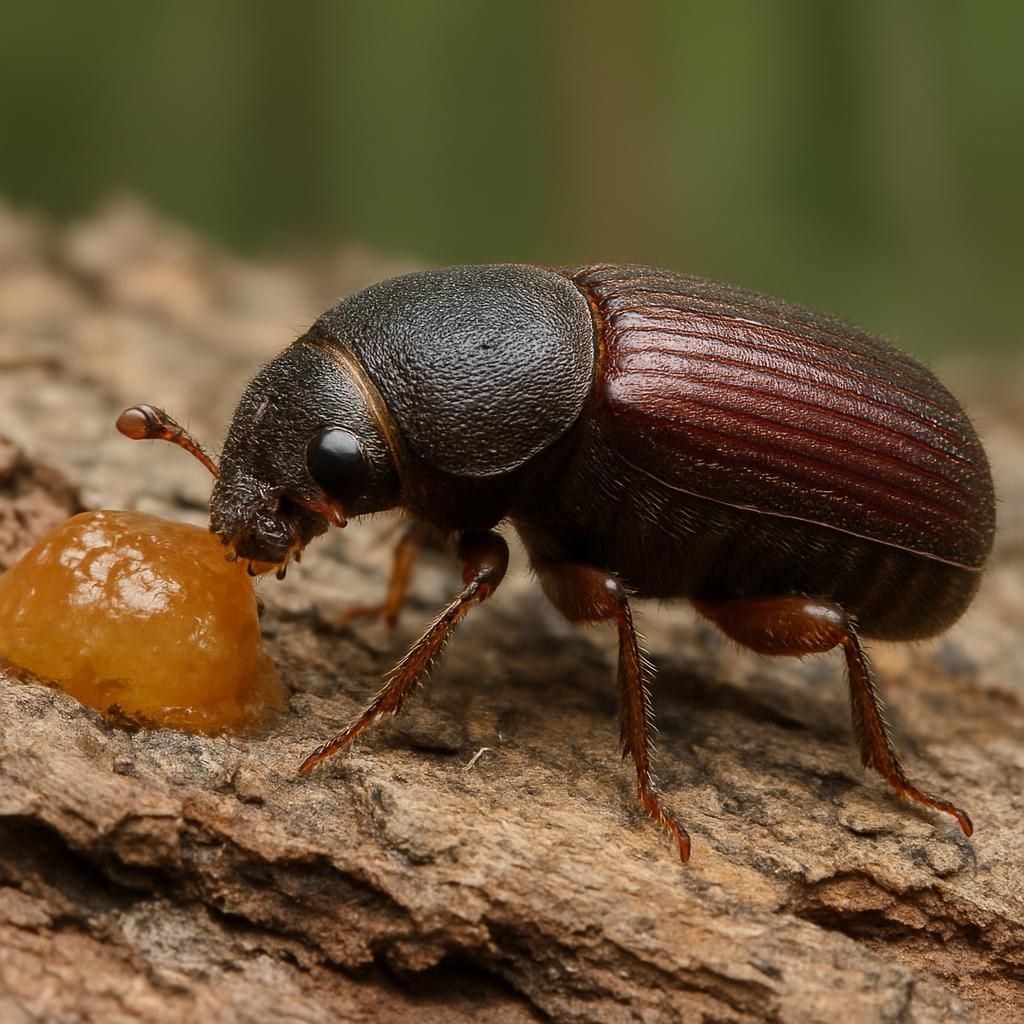
Southern pine beetle
The Southern pine beetle is one of the most destructive forest pests in the southeastern United States, rapidly killing pine trees through mass attacks and fungal associations. Effective diagnosis and integrated management are essential to protect timber resources and forest health.
View Profile
southern red oak
Southern red oak is a fast-growing, long-lived deciduous hardwood native to the southeastern United States, valued for its high-quality timber, wildlife habitat, and landscape resilience. This comprehensive guide covers every stage of cultivation from site selection to harvest and storage.
View Guide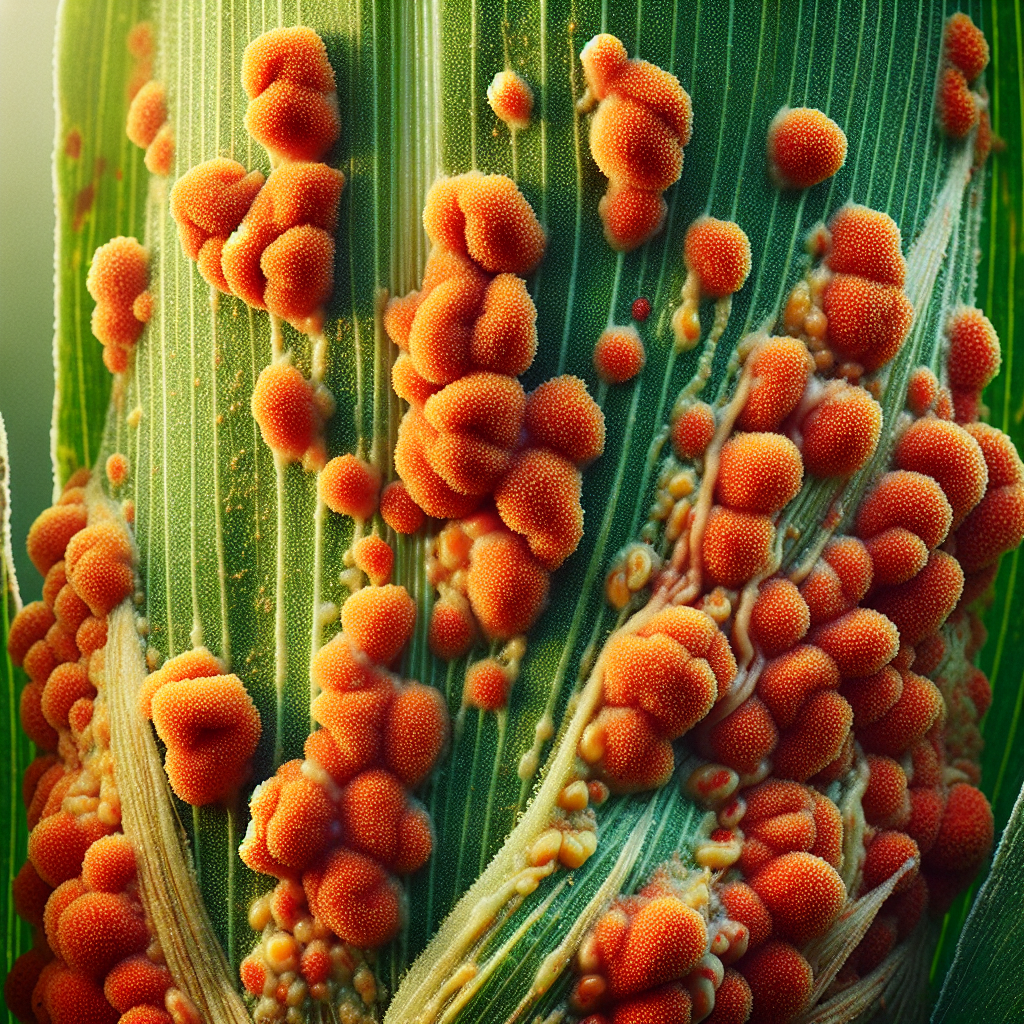
Southern rust
Southern rust is a destructive fungal disease primarily affecting corn, caused by Puccinia polysora, leading to significant yield losses in warm, humid regions. It manifests as distinctive orange pustules on leaves, disrupting photosynthesis and weakening plants. Effective management relies on resistant hybrids, timely fungicide applications, and cultural practices to minimize spread.
View Profile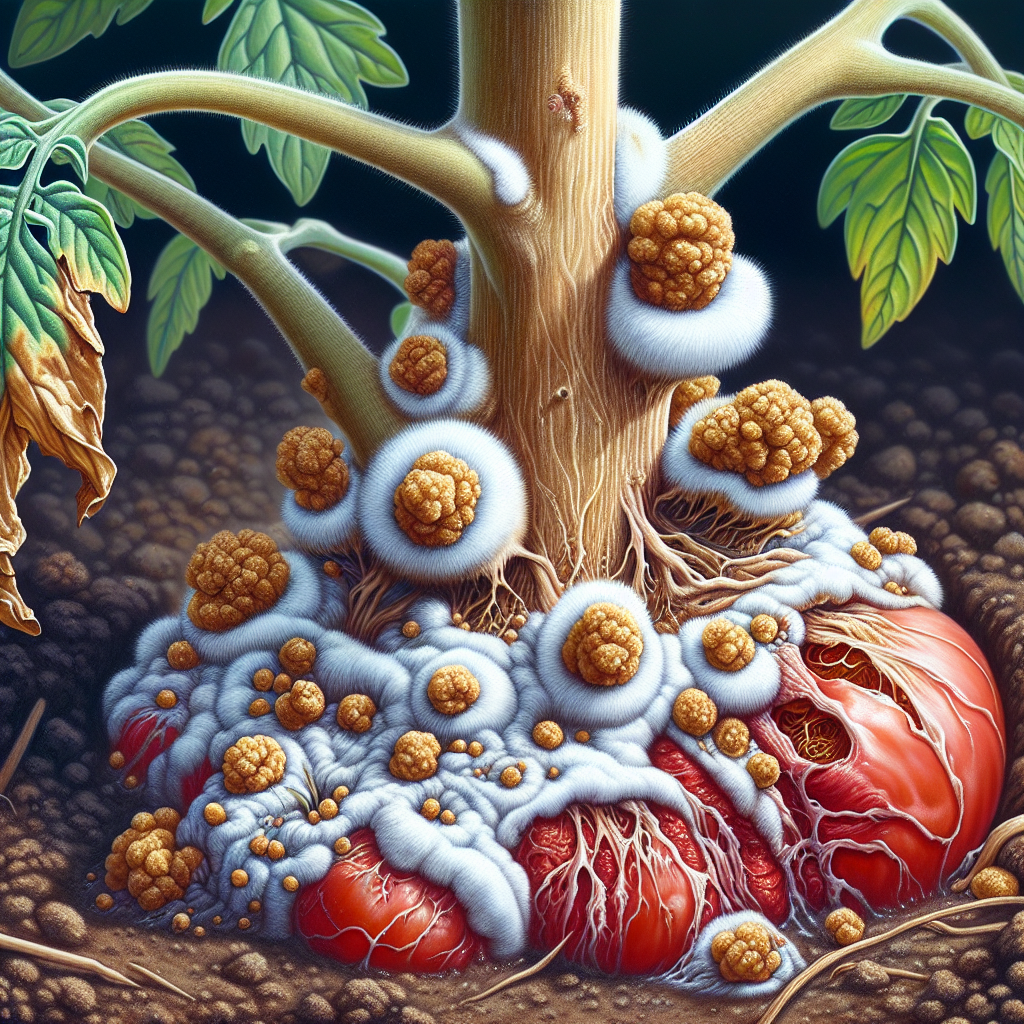
Southern stem rot
Southern stem rot is a destructive soilborne fungal disease caused by Sclerotium rolfsii, primarily affecting warm-season crops in humid environments by rotting stems at the soil line. It spreads rapidly through sclerotia and infected plant debris, leading to sudden wilting and plant death. Effective management relies on cultural practices, sanitation, and organic biocontrols since no cure exists once infection occurs.
View Profile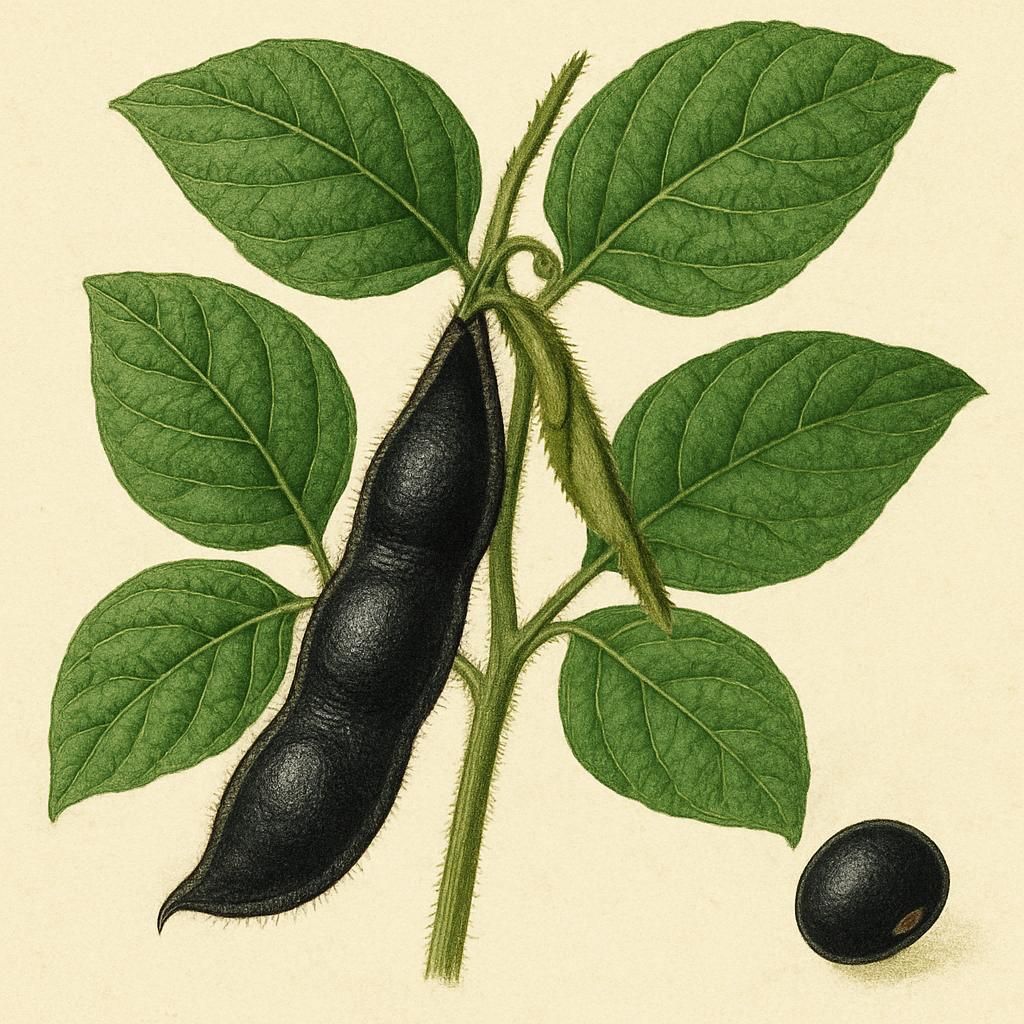
Soy Bean (Black Jet)
Soy Bean (Black Jet) is a variety of soybean known for its dark seed coat and high protein content. It thrives in warm climates and well-drained soils, offering a robust yield with proper care and management.
View Guide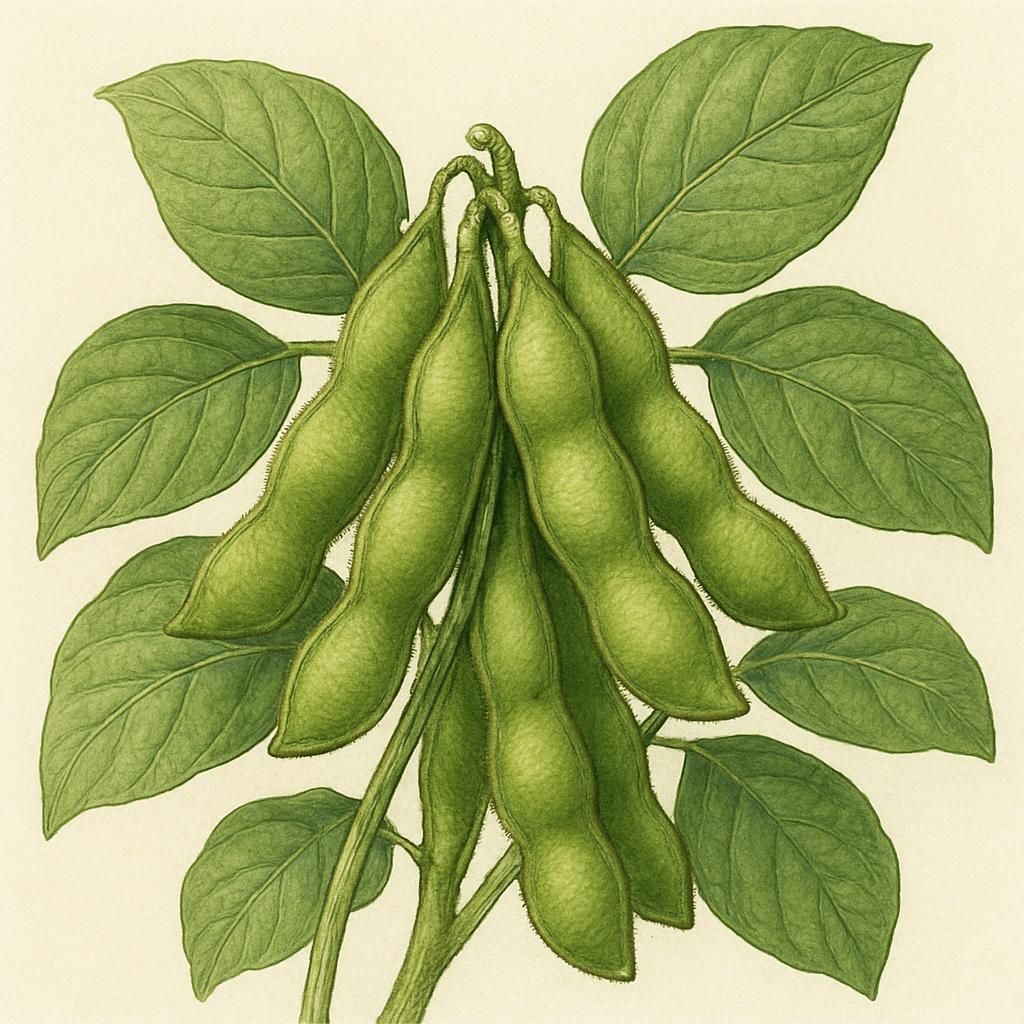
Soy Bean (Envy Edamame)
Soy Bean (Envy Edamame) is a popular legume known for its rich nutritional profile, often grown for its immature green seeds. This crop thrives in temperate climates with well-drained soils and is revered for its ease of cultivation, nutritional value, and versatility in the kitchen.
View Guide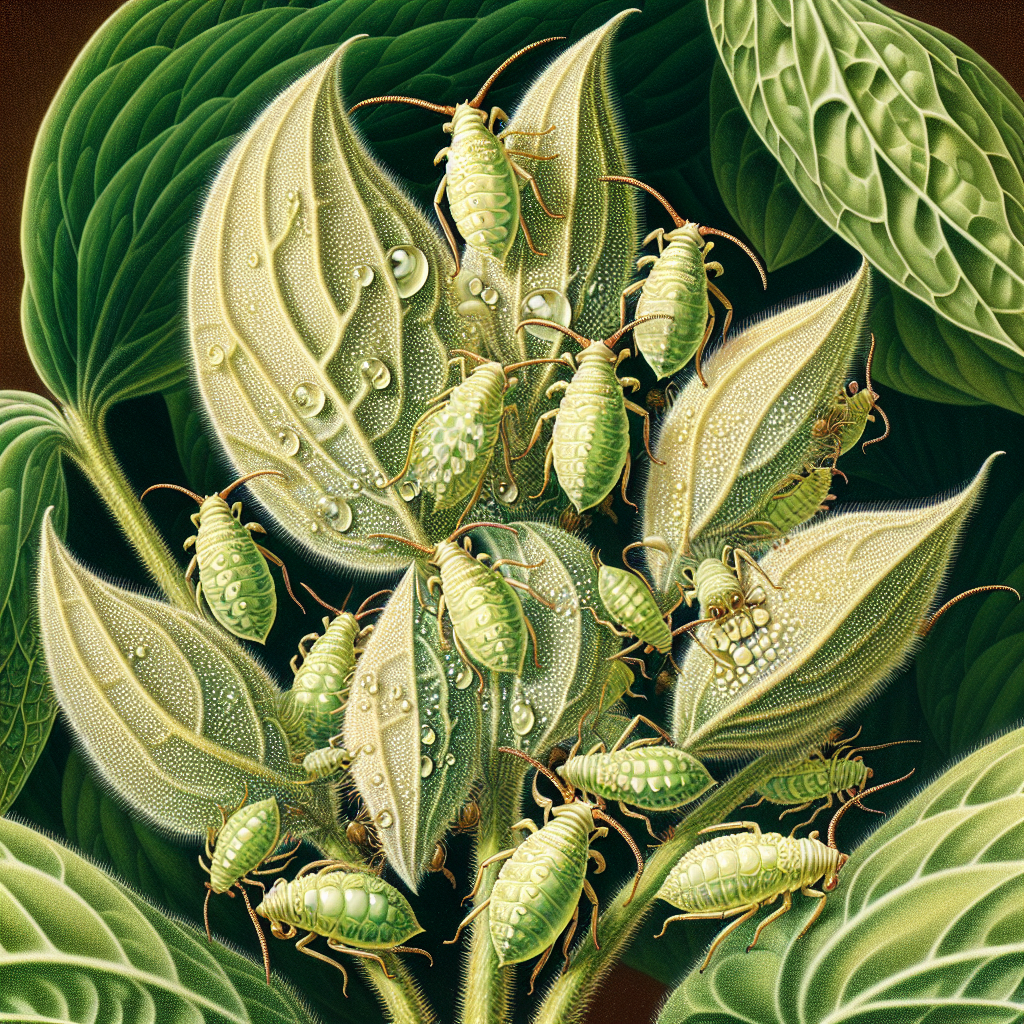
soybean aphid
The soybean aphid (Aphis glycines) is a major pest of soybeans, capable of causing significant yield losses through direct feeding and virus transmission. Native to Asia, it has become a widespread issue in North American soybean production since its introduction in 2000. Effective management combines scouting, biological controls, and resistant varieties for sustainable control.
View Profile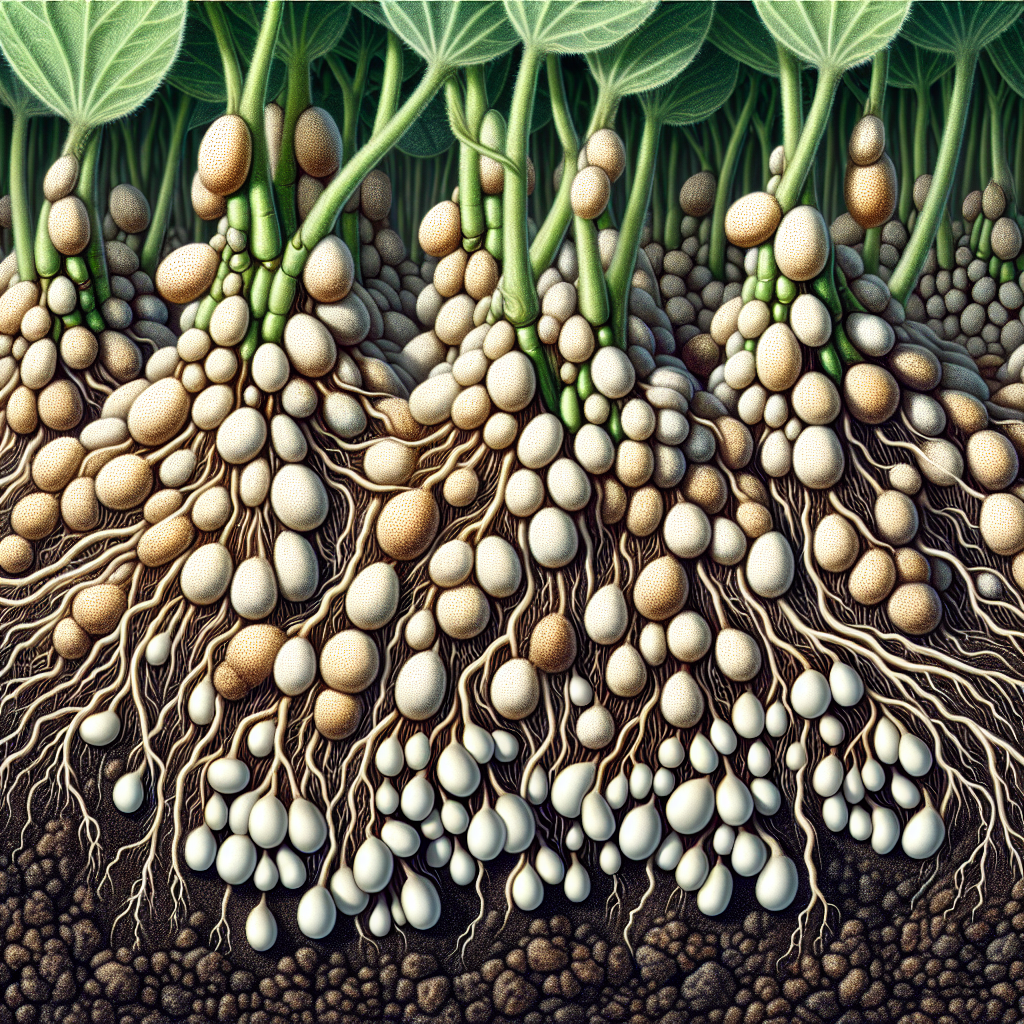
soybean cyst nematode
The soybean cyst nematode (SCN), Heterodera glycines, is a microscopic roundworm that attacks soybean roots, causing significant yield losses worldwide. Farmers can identify it by yellowing plants, stunted growth, and tiny white cysts on roots. Effective management combines resistant varieties, crop rotation, and soil testing for long-term control.
View Profile