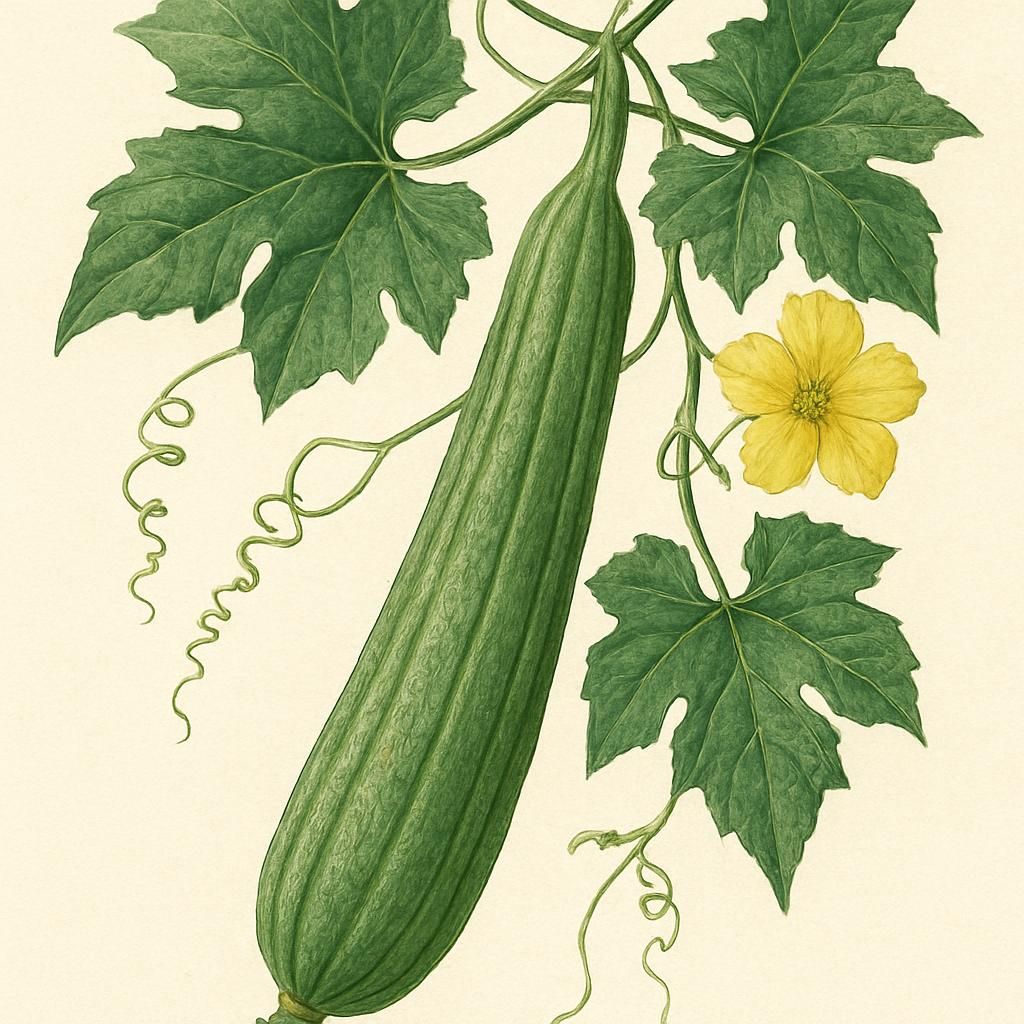
Introduction to Sponge Gourd (Luffa aegyptiaca)
Sponge Gourd, or Luffa aegyptiaca, is a popular crop not just for its edible young fruits but also for its fibrous mature fruits used in making luffa sponges. This dual-purpose nature makes it a favored choice among cultivators in tropical and subtropical regions. Whether you're aiming for a food harvest or the raw materials needed for natural sponges, Luffa aegyptiaca has a lot to offer.
Botanical Profile of Sponge Gourd (Luffa aegyptiaca)
Luffa aegyptiaca belongs to the Cucurbitaceae family and is a vine plant. It has large, yellow flowers and can grow to considerable lengths, often requiring support or a trellis to reach its full potential. The plant is monoecious, bearing both male and female flowers on the same plant, which supports pollination.
Soil, pH, and Climate Requirements for Sponge Gourd (Luffa aegyptiaca)
Luffa aegyptiaca prefers well-drained, fertile soil with a neutral to slightly acidic pH. It requires a long, warm growing season, thriving in temperatures between 20°C and 30°C.
| Parameter | Ideal Conditions |
|---|---|
| Soil Type | Well-drained, sandy loam |
| Soil pH | 6.0 - 7.5 |
| Temperature Range | 20°C - 30°C |
| Rainfall | Moderate, with good drainage |
Step-by-Step Planting & Propagation
- Seed Selection and Preparation: Start with high-quality seeds from a reputable supplier. Soak seeds in water overnight before planting to enhance germination.
- Sowing: Plant seeds directly in the field after the last frost. For indoor propagation, use biodegradable pots.
- Spacing: Maintain a spacing of about 60 cm between plants and 120 cm between rows to ensure adequate sunlight and air circulation.
- Trellising: As a climbing plant, providing a trellis or similar structure is essential for support and optimizing fruit quality.
- Watering: Maintain consistent soil moisture but avoid waterlogging, which can lead to root rot.
Care & Maintenance Regimes for Sponge Gourd (Luffa aegyptiaca)
Sponge gourd requires regular care and maintenance to promote healthy growth and optimal yields.
| Care Aspect | Schedule/Frequency |
|---|---|
| Watering | Twice a week or as needed to maintain moisture |
| Fertilization | Every 4-6 weeks with a balanced fertilizer |
| Pruning | As needed to remove dead or diseased leaves |
Pests, Diseases & Organic Management
Luffa aegyptiaca plants can fall prey to various pests and diseases, including Aphids, Spider Mites, and powdery mildew. Organic management strategies include:
- Utilizing neem oil or insecticidal soap to control aphid populations.
- Encouraging beneficial insects like ladybugs to keep pest numbers down.
- Ensuring proper air circulation and avoiding overhead watering to prevent fungal diseases.
Harvesting, Curing & Optimal Storage
To harvest, allow the fruits to mature on the vine until they turn brown and feel light. For sponge production, remove the skin and seeds from the dried fruit, then wash and cure. Store dried sponges in a cool, dry place.
Companion Planting for Sponge Gourd (Luffa aegyptiaca)
Good companion plants for sponge gourds include Nasturtium, which can repel pests, and Marigold, which reduces nematode populations. Avoid planting near potatoes as both crops are susceptible to similar diseases.
For those interested in deepening their understanding of soil revival techniques, consider reading The Forgotten Art of Fall Soil Revival: 8 Organic Strategies for Small Farm Resilience.