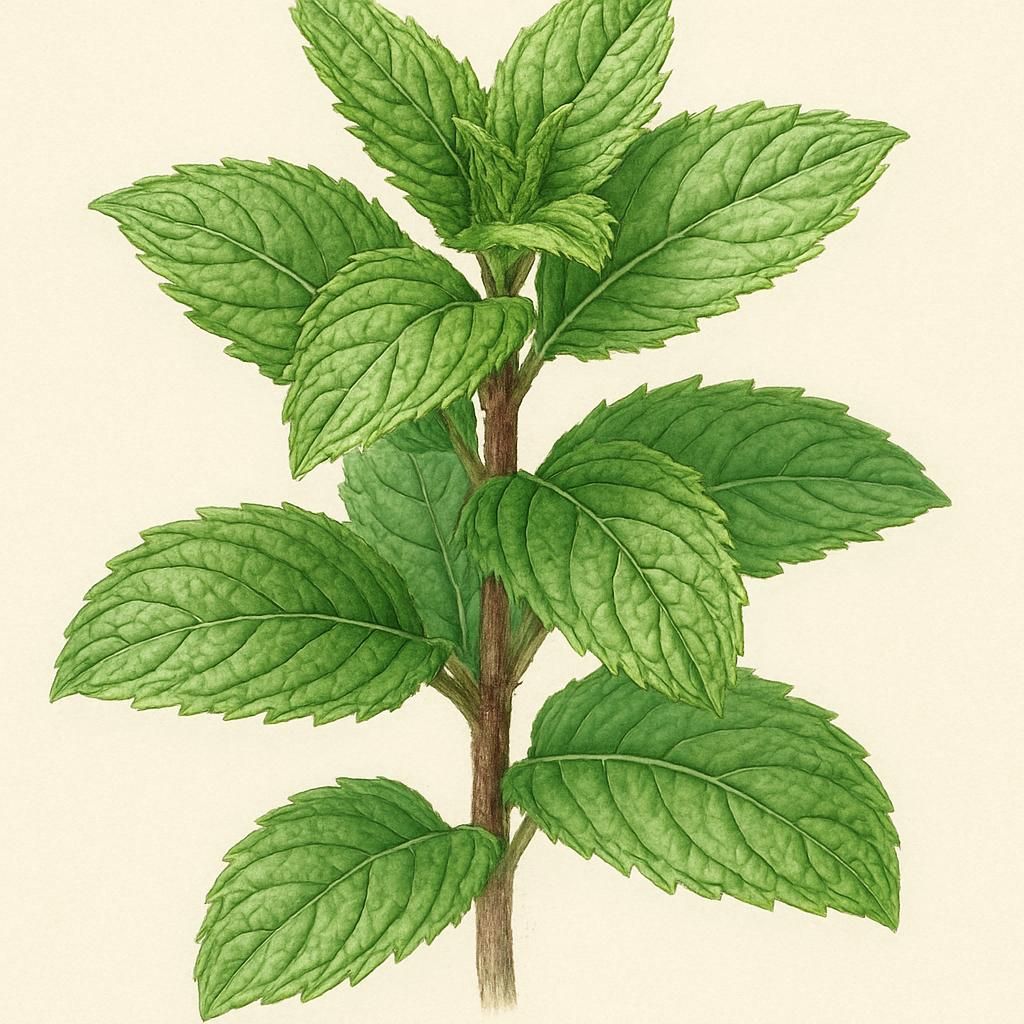
Introduction to Spearmint (Kentucky Colonel)
Kentucky Colonel Spearmint is a beloved perennial herb appreciated for its aromatic leaves and versatile use in culinary creations, beverages, and herbal remedies. It is an improved cultivar of common spearmint, known for its heightened aroma and flavor, making it an excellent choice for growers looking to indulge in home gardening or commercial agricultural ventures.
Botanical Profile of Spearmint (Kentucky Colonel)
Botanically referred to as Mentha spicata var. Kentucky Colonel, this variety of spearmint thrives in temperate climates and is characterized by lush green leaves and a vigorous spreading habit. Being part of the Lamiaceae family, it is related to other popular herbs like basil and rosemary.
Soil, pH, and Climate Requirements for Spearmint (Kentucky Colonel)
For optimal growth and flavor, Kentucky Colonel thrives under specific conditions, detailed in the table below:
| Condition | Ideal Parameter |
|---|---|
| Soil Type | Well-draining, loamy |
| Soil pH | 6.0 - 7.5 |
| Temperature Range | 50°F - 85°F (10°C - 29°C) |
| Sunlight Requirements | 6-8 hours of direct sunlight |
Step-by-Step Planting & Propagation
Spearmint Kentucky Colonel can be propagated via division, cuttings, or seeds, though it has a preference for stem cuttings or division due to the higher likelihood of maintaining the plant's desirable traits.
- Location and Preparation: Choose a sunny location and prepare the soil by tilling it and incorporating organic matter for improved drainage and nutrient content.
- Propagation from Cuttings: Take 4-6 inch cuttings from a healthy mother plant and remove the lower leaves. Plant the cuttings in moist, well-prepared soil.
- Watering and Care: Water immediately after planting and keep the soil consistently moist until the cuttings establish roots.
- Planting Seeds: If planting seeds, sow directly into the soil after the danger of frost has passed. Lightly cover with a fine layer of soil.
Care & Maintenance Regimes for Spearmint (Kentucky Colonel)
Once established, spearmint is relatively low-maintenance. Refer to the following care schedule for optimal growth:
| Task | Frequency |
|---|---|
| Watering | Twice a week; more in drought conditions |
| Fertilizing | Once a month with balanced fertilizer |
| Pruning | Regularly trim to encourage bushiness |
Pests, Diseases & Organic Management
Spearmint Kentucky Colonel is susceptible to common pests and diseases such as Spider Mites and Powdery Mildew. Regular inspection and organic management practices can mitigate these issues:
- Spider Mites: Control with insecticidal soap or neem oil.
- Powdery Mildew: Improve air circulation and avoid overhead watering.
Recent insights on organic pest control can be found in 7 Summer Pest Traps That Sabotage Small Farm Harvests.
Harvesting, Curing & Optimal Storage
Begin harvesting sprigs of Kentucky Colonel mint once the plant reaches 12 inches in height, usually around 60-70 days post-planting. Cut early in the morning when essential oils are most concentrated.
- Curing: Rinse leaves in cool water, pat dry and bundle the sprigs for drying, or dry the leaves quickly at a low temperature in a food dehydrator.
- Storage: Store dried leaves in airtight containers in a cool, dark place to maintain flavor.
Companion Planting for Spearmint (Kentucky Colonel)
Companion planting with crops like Cabbage and Tomato can enhance the health and productivity of Kentucky Colonel spearmint by deterring pests common to these crops. For strategies on effective companion planting, consider Spring Companion Planting: 8 Organic Pairings to Maximize Small Farm Yields.