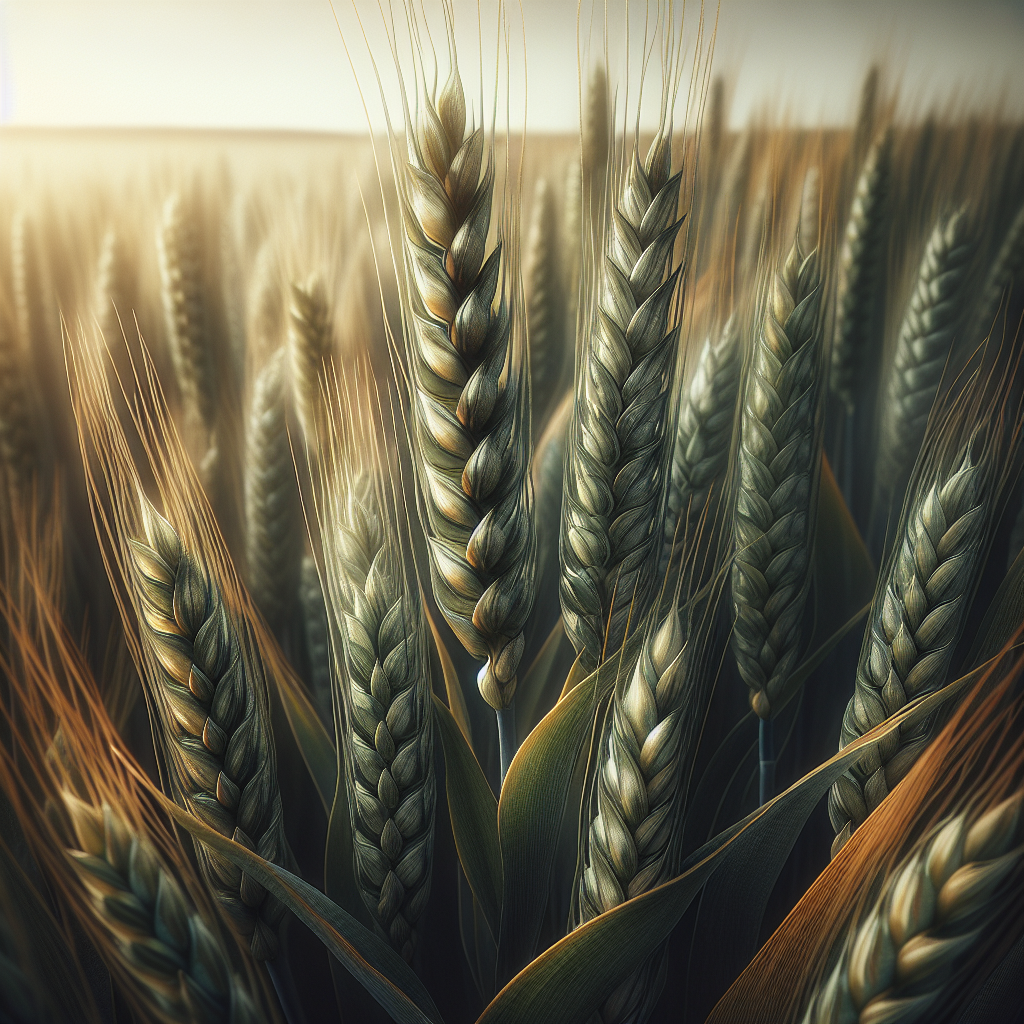
Introduction to Spelt
An ancient cereal with deep roots in European agriculture, spelt remains one of the most useful grains for growers seeking resilience, straw yield, and a premium specialty market. It is often grouped with wheat, but it behaves differently enough in the field and after harvest that it deserves its own management strategy. Unlike free-threshing modern bread wheats, spelt is a hulled grain: the kernel remains enclosed in a tough husk after threshing and usually requires dehulling before milling or food use. That extra processing step is the tradeoff for a crop that often offers better performance in lower-fertility soils, stronger competitiveness against weeds during early establishment, and excellent winter hardiness in many regions.
Historically, spelt was widely grown across Central Europe and parts of Western Asia, especially in mixed farming systems where grain, straw, and livestock integration mattered as much as pure grain yield. In modern production, growers choose it for artisan flour, whole grain baking, porridges, livestock feed, and straw. The grain has a rich, slightly sweet and nutty flavor, and its nutritional appeal has helped create niche demand in local food markets. From a production standpoint, the key to success is understanding that spelt usually grows taller, lodges more easily under excessive nitrogen, and requires careful timing at harvest because the hulled spikelets can mask kernel maturity if you rely only on surface appearance.
For growers already familiar with wheat, spelt will feel recognizable, but it generally rewards a more moderate fertility program and closer attention to lodging risk, dehulling logistics, and crop rotation planning.
Botanical Profile of Spelt
Spelt belongs to the grass family Poaceae and is classified botanically as Triticum spelta. It is a hexaploid hulled wheat, closely related to common bread wheat, but with distinct agronomic and morphological features. Plants typically produce tall culms, often 90 to 150 cm depending on cultivar, soil fertility, rainfall, and seeding density. Leaves are narrow to medium width, glaucous to medium green, and the plant tends to tiller well under cool conditions.
The inflorescence is a spike composed of spikelets attached along the rachis. In spelt, the spike often appears lax to moderately compact, and at maturity the spikelets remain tightly enclosed by glumes. This hull adhesion is one of the defining differences between spelt and modern free-threshing wheats. The protective hull can reduce some grain weathering and mechanical damage, but it also lowers net cleaned grain output after dehulling. Farmers should account for that when estimating finished food-grade yield.
Spelt is usually autumn-sown in temperate zones, though spring forms exist in some regions. Winter types dominate commercial production because they capitalize on cool-season moisture, establish a strong root system before spring, and often outyield spring forms where winters are not excessively harsh. Vernalization needs vary by cultivar, so seed source and local adaptation matter.
Compared with modern semi-dwarf cereals, spelt generally has:
- Greater height and straw biomass
- Strong cold tolerance
- Good performance under moderate fertility rather than high-input conditions
- Lower lodging resistance if overfertilized
- Strong suitability for organic and low-input systems
- Hull retention requiring postharvest processing
Common cultivar differences include awned versus awnless heads, winter hardiness, plant height, disease tolerance, and baking quality. Some lines are selected for artisan milling and protein content, while others are chosen for forage-grain dual use. Ask seed suppliers for data on lodging resistance, fusarium tolerance, and regional adaptation rather than buying only on the basis of heritage branding.
Soil, pH, and Climate Requirements for Spelt
Spelt is notably forgiving, but “forgiving” does not mean “indifferent.” Good yields and test weight still depend on matching the crop to well-drained ground, restrained fertility, and a climate that supports steady cool-season growth.
The ideal soil is a fertile but not overly rich loam or silt loam with good structure and moderate water-holding capacity. Spelt can perform better than many modern wheats on marginal soils, including lighter soils or fields with lower nitrogen reserves, but it still suffers in compacted, waterlogged, or severely nutrient-depleted ground. Root development is best where topsoil is friable, oxygenated, and free from plow pan restriction. If a spade reveals dense layers at 10 to 20 cm depth, yield potential and drought resilience will both decline.
A target soil pH of 6.0 to 7.5 is generally ideal, with 6.3 to 7.0 being especially reliable. Below pH 5.8, nutrient availability becomes less favorable, microbial cycling slows, and aluminum or manganese toxicity may begin to interfere with root growth in susceptible soils. Above pH 7.8, micronutrient lock-up can reduce vigor, especially if the soil is calcareous and low in organic matter.
Nutrient needs are moderate. Spelt often thrives where total available nitrogen is lower than what would be recommended for high-yielding modern bread wheat. Excess nitrogen drives lush top growth, thinner cell walls, delayed maturity, increased foliar disease pressure, and lodging. If soil organic matter is above 3.5% and the previous crop was a legume such as peas, supplemental nitrogen may need to be reduced substantially. In many field systems, total available nitrogen in the range of 50 to 100 kg/ha is adequate depending on target yield, soil mineralization, and whether straw removal is planned.
Phosphorus and potassium should be guided by soil test results. Phosphorus is particularly important for root establishment and overwintering, while potassium supports stalk strength and water regulation. Where lodging is a concern, maintaining adequate potassium is often more important than pushing nitrogen. Sulfur may also improve protein formation on low-organic-matter soils or sandy ground.
Spelt prefers temperate climates with cool establishment periods and moderate spring conditions. Winter forms tolerate significant cold once established, especially when seeded early enough to develop 3 to 4 leaves before hard frost. Ideal growing temperatures are roughly 12 to 22°C through vegetative growth and grain fill. Prolonged heat above 30°C during flowering and grain filling can reduce kernel size and yield. It is generally less suited to humid subtropical climates with sustained warm winters and heavy disease pressure.
Moisture requirements are moderate. Seasonal water demand is usually in the broad range of 350 to 600 mm, depending on soil, season length, and evaporative demand. Critical moisture periods include germination, tillering, stem elongation, booting, flowering, and early grain fill. Spelt does not tolerate standing water; if water persists on the surface for more than 24 to 48 hours in cool soils, root oxygen declines and disease risk rises sharply. Signs of overwatering include pale lower leaves, slowed tillering, shallow root systems, and patches of uneven growth in low spots. By contrast, drought stress often first shows as blue-green leaf color, midday leaf rolling, shortened stems, and poor grain fill.
For broader rotation and fertility concepts, see soil health strategies.
Step-by-Step Planting & Propagation
Spelt is propagated by seed. Use certified, cleaned seed whenever possible, especially for food-grade or larger-acreage production. Saved seed can perform well, but only if it is true to type, disease-screened, and tested for germination and thousand-kernel weight.
Select the right field. Choose land with good drainage, low perennial weed pressure, and no recent history of severe cereal diseases such as fusarium head blight or take-all. Avoid planting after another cereal if disease carryover is a concern.
Prepare a firm seedbed. Spelt does not require a powdery seedbed, but it establishes best where seed-soil contact is consistent. In conventional systems, shallow final tillage followed by rolling can help. In reduced-till systems, residue should be evenly distributed and slot closure must be reliable.
Time planting carefully. Winter spelt is usually sown in autumn, often slightly earlier than winter wheat in colder areas so it can establish before deep winter. In many temperate regions, this means 2 to 4 weeks before the average first hard freeze. Spring spelt should be sown as early as the soil can be worked in spring, because cool conditions support tillering and later sowing sharply reduces yield.
Adjust seeding rate. Typical drilled rates range from 120 to 180 kg/ha, but actual seeding should be based on target plants per square meter, seed size, germination rate, and planting date. A common target is 250 to 350 established plants/m2 for winter spelt. Late planting, rough seedbeds, or high weed pressure justify higher rates. Because spelt seed remains hulled, bulk weight can be misleading; always calibrate using seed count and germination rather than relying only on kilograms per hectare.
Set depth correctly. Sow 2.5 to 5 cm deep depending on soil texture and moisture. In heavier or colder soils, stay near the shallower end if moisture is adequate. Planting too deep weakens emergence and reduces tiller potential.
Use row spacing that matches your weed strategy. Standard grain drill spacing of 15 to 19 cm works well. Narrower rows close canopy faster and help suppress weeds. Wider rows may be useful in mechanical weed management systems, but can reduce canopy competitiveness unless population is adjusted.
Roll if needed. In stony fields or where harvest close to the ground is expected, rolling after seeding can improve combine safety and emergence uniformity.
Under good autumn conditions, seedlings should emerge in 7 to 14 days. Aim for uniform stands with healthy green leaves and white, fibrous roots. Patchy emergence usually points to seed depth inconsistency, slug pressure, crusting, or poor seed vigor.
Care & Maintenance regimes for Spelt
Once established, spelt is relatively straightforward, but the best results come from disciplined management rather than neglect.
Monitor stand density early. A thin stand can still compensate through tillering if established early, but late or uneven stands rarely fully recover. Count plants and tillers in several spots. Healthy winter stands entering spring should show active crowns, anchored roots, and no heaving from freeze-thaw cycles.
Nitrogen management is the single most important maintenance decision. If spelt is grown for grain, avoid the temptation to feed it like modern semi-dwarf wheat. Split applications are safer than a large early dose. For example, apply a modest base amount at or before planting if soils are poor, then a restrained topdress at early spring green-up or early tillering if the crop shows genuine need. If leaves are dark green, growth is lush, and the stand is already dense, adding more nitrogen increases lodging risk more than yield potential.
Water management is mainly about preserving even soil moisture, especially in spring. In rainfed climates, this means prioritizing well-structured soils and residue cover. Under irrigation, maintain moisture in the root zone without saturation. A practical target is to keep the top 15 to 30 cm of soil moist but aerated, roughly around 60 to 80% of field capacity through active growth. If squeezed soil from the root zone forms a weak ball that breaks easily, moisture is usually adequate; if it smears, shines, or stays sticky, it may be too wet. During flowering, severe moisture stress can reduce grain set. During grain fill, stress leads to shriveled kernels and low test weight.
Weed control depends on early competition. Spelt’s tall habit and vigorous canopy often suppress annual weeds better than shorter cereals, but it still needs a clean start. Use stale seedbeds where practical, rotate with broadleaf crops, and avoid letting winter annual weeds establish before sowing. In organic systems, tine weeding at the right growth stage can help, but timing must be precise to avoid damaging seedlings.
Lodging prevention is essential. Risk rises with high nitrogen, fertile manured ground, dense stands, high rainfall, and tall cultivars. Potassium sufficiency, moderate seeding rate, and restrained fertility are the main tools. If the crop begins to look overly lush by stem elongation, avoid late nitrogen. On small farms, note which field sections are richest and use them for lower-input lots in future seasons.
Spelt straw is valuable and abundant. If straw is removed, replace exported potassium and some nitrogen over time. If straw is chopped and incorporated, expect temporary nitrogen immobilization during decomposition, especially before a following spring crop.
Pests, Diseases & Organic Management
Spelt is often praised as tough, but it is not pest-proof. Its reputation for resilience comes mainly from adaptation to low-input systems and competitive growth, not immunity.
Common insect issues include aphids, wireworms, cereal leaf beetles, and slugs in cool, damp establishment periods. aphids matter not only for sap feeding but for virus transmission, especially barley yellow dwarf virus. Inspect field edges and sheltered patches first. Beneficial insect habitat, balanced fertility, and avoidance of excessively lush growth help reduce outbreaks. slugs are more likely in heavy residue and cool wet autumns; traps, residue management, and shallow pre-seeding cultivation can reduce pressure.
Diseases to watch include rusts, powdery mildew, septoria-type leaf blotches, take-all, common bunt, and fusarium head blight. Relative susceptibility depends on cultivar and climate. Dense canopies, high nitrogen, and prolonged leaf wetness increase foliar disease severity. Fusarium risk rises when flowering coincides with wet weather, especially after maize or small-grain residues.
Organic management should focus on prevention:
- Rotate out of cereals for at least one season, preferably with legumes or broadleaf crops.
- Avoid sowing into infected cereal residue when disease pressure is known.
- Choose locally adapted seed with disease tolerance data.
- Use moderate fertility to prevent rank, disease-prone growth.
- Maintain airflow through appropriate population and balanced nutrition.
- Clean seed thoroughly and consider approved seed treatments where permitted.
Seedborne diseases are particularly important in hulled grains because poor-quality saved seed can carry problems into the next crop. If planting farm-saved seed, conduct germination and seed health testing. Bunt-infected lots should not be replanted.
Bird damage is usually minor once fields are established, but newly sown fields and ripening edges can attract feeding. Rodent pressure may increase where grassy margins are unmanaged.
Harvesting, Curing & Optimal Storage
Harvest timing is critical because quality loss can occur quickly if mature heads are left through wet weather. Spelt is usually harvested when grain moisture falls to about 12 to 14% for direct storage, though combining may begin slightly higher if drying capacity exists. Do not rely solely on the external look of the hulls. Check kernels inside spikelets: mature grain should be firm, difficult to dent with a fingernail, and no longer milky or doughy.
Plants typically turn golden-brown at maturity, and straw below the heads should be drying down. Because spelt is hulled, harvested material is often measured as spikelets rather than fully naked grain. This affects yield calculations and storage planning.
Combine settings need adjustment to avoid cracking kernels while still separating heads efficiently. Cylinder speed generally should be lower than for some free-threshing grains, while concave clearance may need careful tuning. Since the hull remains attached, the aim is usually to thresh the spikelets from the plant, not strip the hull from the kernel in the combine. Every machine and cultivar differs, so test small batches and inspect samples for broken grain, unthreshed heads, and excess fines.
If harvested above safe storage moisture, dry promptly with unheated or low-heat air to preserve germination and baking quality. For long-term storage, keep hulled grain or cleaned spikelets cool, dry, and protected from insects. A target of 12% moisture or slightly lower is prudent for extended storage in most farm environments; in warm climates, 11% is safer. Storage temperatures below 15°C greatly reduce insect activity and slow spoilage.
Watch for condensation in bins, especially after warm grain is moved into cool storage. Signs of trouble include musty odor, caking, hot spots, insect presence, and moisture migration on bin walls. Aerate when outside air conditions allow. Because dehulling usually occurs after storage, maintain lot identity by field and cultivar if quality premiums are part of your marketing plan.
Spelt straw can be baled once moisture is low enough to avoid heating, generally under 15 to 18% depending on bale density and storage conditions. Its long, resilient straw is valued for bedding, mulch, and sometimes craft uses.
Companion Planting for Spelt
In broadacre grain systems, companion planting is better understood as intercropping, undersowing, border planting, or rotational pairing rather than the close-spacing vegetable-garden model. The most useful companions are species that improve soil nitrogen, support beneficial insects, or protect the soil without strongly competing during grain fill.
Leguminous companions are especially valuable. Clover is one of the best understory partners where moisture is adequate and equipment can handle an undersown system. It helps cover soil after harvest, contributes nitrogen to the following crop, reduces erosion, and can suppress late-season weeds. Low-growing white clover types are often less competitive during the cereal phase, while red clover may offer more biomass after harvest.
Peas can be used more effectively in rotation than in true mixed stands for many growers, but in some forage-grain systems they are mixed with cereals to improve feed value and total biomass. If grown together for grain, maturity mismatch and separation logistics can become difficult.
Flax is sometimes paired in diversified systems because it occupies a somewhat different canopy niche and can fit into rotations that break cereal disease cycles. It is more often a rotational companion than an intimate intercrop, but it complements spelt well in low-input farms.
Garlic or other alliums are not field-scale companions in the agronomic sense, yet small growers sometimes use border rows near grain plots to diversify pest habitat and improve overall farm layout. More important than any single companion species is system design: avoid overcompetition, match plant architecture and timing, and select companions that improve soil cover or fertility without increasing harvest complexity beyond your capacity.
For most serious grain growers, the best "companion planting" plan for spelt is a legume-supported rotation, occasional undersowing with clover, and clean broadleaf breaks between cereal crops.