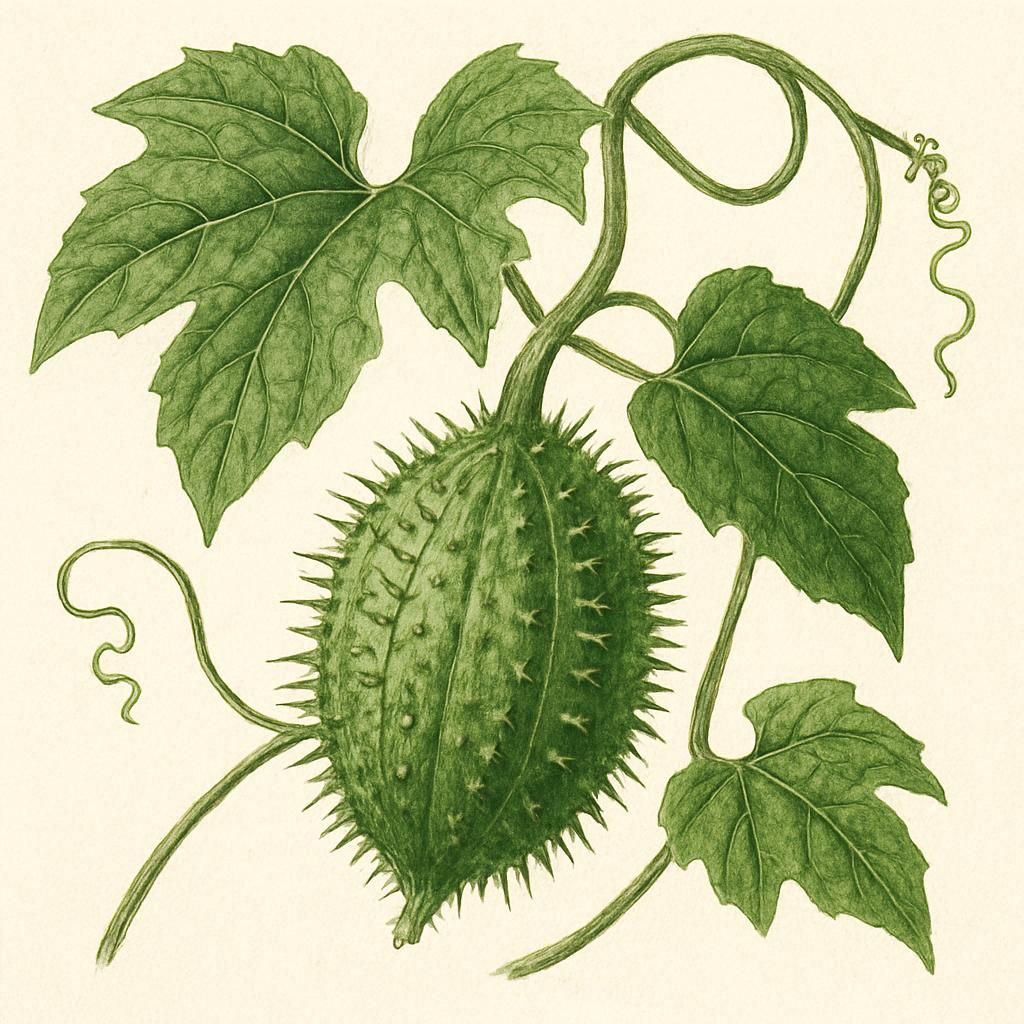
Introduction to Spine Gourd (Kantola)
Spine gourd, commonly known as Kantola, is a fascinating vegetable native to the Indian subcontinent. Prized for its potential health benefits, Kantola is gaining recognition both in local cuisines and alternative medicine for its nutrient-rich profile and subtle flavor that complements a wide variety of dishes. Its popularity is not confined to domestic cultivation but is also attracting interest from international culinary circles, thanks to its low-calorie content and high fiber levels.
Botanical Profile of Spine Gourd (Kantola)
Belonging to the Cucurbitaceae family, spine gourd, or Momordica dioica, is characterized by its spiny, oval-shaped fruit borne on a climbing vine. The plant is dioecious, meaning male and female flowers grow on separate plants. This climbing plant can reach up to 6 meters long and is often supported by trellises to optimize fruit production.
Soil, pH, and Climate Requirements for Spine Gourd (Kantola)
The cultivation of spine gourd is relatively simple when the specific soil and climate needs are met. Here is a quick reference table for the ideal growing conditions:
| Aspect | Ideal Condition |
|---|---|
| Soil Type | Well-drained sandy or loamy soil |
| Soil pH | 6.0 - 7.5 |
| Climate | Warm tropical to subtropical |
| Temperature | 24°C - 30°C |
Spine gourd prefers regions with abundant sunshine and moderate rainfall, making it a suitable candidate for tropical regions.
Step-by-Step Planting & Propagation
Propagation of spine gourd is typically achieved through seeds or vegetative cuttings. Here’s a step-by-step guide:
- Seed Selection: Choose mature, well-dried seeds from healthy fruits.
- Germination: Soak seeds in water for 24 hours before sowing to speed up germination.
- Planting: Plant seeds about 2.5 cm deep in prepared seed beds or nursery trays.
- Transplanting: Once seedlings reach about 8 cm, they can be transplanted to the main field.
- Spacing: Maintain a spacing of approximately 1.5 meters between rows and 1 meter between plants.
Care & Maintenance Regimes for Spine Gourd (Kantola)
Regular care is vital for successful cultivation:
| Regime | Actions |
|---|---|
| Watering | Moderate, ensure soil is moist but not waterlogged |
| Fertilizer | Compost or well-rotted manure before planting; also apply balanced NPK fertilizer every 6 weeks |
| Pruning | Trim excess foliage to promote airflow and remove diseased parts |
Proper irrigation and fertilization are paramount in boosting yield. The practice of mulching can help retain soil moisture while suppressing weeds.
Pests, Diseases & Organic Management
Spine gourd is susceptible to pests like Spider Mites and fungal diseases such as powdery mildew. Implementing organic pest control methods like neem oil applications and introducing beneficial insects can significantly mitigate these risks.
Harvesting, Curing & Optimal Storage
Kantola is typically ready for harvest about 60-70 days post-sowing. Harvest the fruits while they are green and tender for the best flavor. For storage, keep the harvested gourds in a cool, dry place. Proper refrigeration can help prolong freshness without compromising nutritional values.
Companion Planting for Spine Gourd (Kantola)
Implementing companion planting with crops such as Thai Basil can help deter pests naturally and improve soil health. For more insights on boosting farm resilience through strategic plant pairings, refer to our comprehensive blog on Summer Companion Planting: 10 Organic Pairings to Boost Small Farm Resilience.
To discover more regarding effective farm planning, our entry on Crop Rotation Realities: 6 Organic Patterns That Deliver for Small Farms provides additional strategies.
In conclusion, spine gourd is not only a visually unique addition to gardens but also an economically beneficial crop given its health-promoting properties. By adhering to recommended cultivation practices, farmers can enjoy abundant fruitful harvests and contribute to culinary variety.