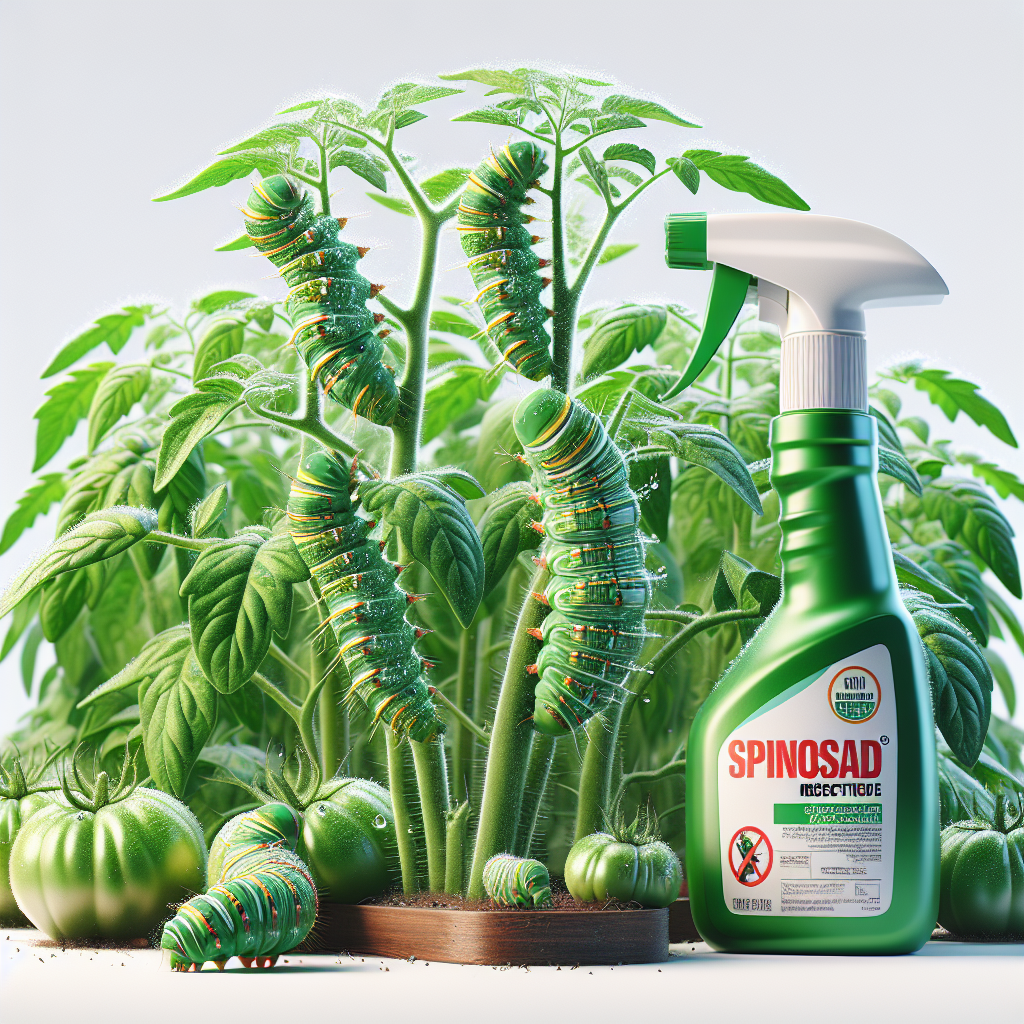
Introduction to Spinosad
Spinosad stands as a cornerstone in modern organic pest management, offering growers a powerful, naturally derived tool to combat destructive insects without resorting to synthetic chemicals. Originating from the fermentation of the soil bacterium Saccharopolyspora spinosa, spinosad targets the nervous systems of pests through contact and ingestion, causing excitation, paralysis, and eventual death. Approved for organic use by bodies like the USDA National Organic Program, it's particularly valued for its selectivity—sparing most beneficial insects like bees when applied correctly.
This guide serves as the ultimate resource for agricultural professionals, detailing how to diagnose application issues, understand its mode of action 'lifecycle,' identify environmental factors influencing efficacy, and implement organic control plans. Whether managing outbreaks on tomato or cabbage, mastering spinosad ensures higher yields and sustainable farming. For small farms, integrating it with AI-driven timing can prevent costly misapplications—check out Why Timing Kills Small Farm Profits - And How AI Task Scheduling Saves Your Harvests for optimization tips.
Key benefits include rapid knockdown (within hours) and residual activity up to 7-10 days, making it ideal for foliar sprays on vegetables, fruits, and ornamentals. However, improper use can lead to resistance in target pests like thrips or caterpillars, underscoring the need for rotation and IPM strategies. With global adoption spanning over 100 countries, spinosad has protected billions in crop value, but success hinges on precise diagnostics and management.
Identifying Symptoms & Damage
Diagnosing spinosad-related issues starts with distinguishing pest damage from treatment failures or plant stress. Effective spinosad use leaves clean, undamaged foliage post-application, but symptoms of under-dosing or resistance mimic unchecked pest activity: skeletonized leaves from leaf-feeding caterpillars, silvery scarring from thrips, or mined tunnels from leafminers.
Visual Diagnostics:
- Immediate Post-Spray: Droplets dry without phytotoxicity; minor leaf spotting may occur on sensitive crops like cherry tomato but resolves quickly.
- Resistance Indicators: Surviving larvae continue feeding 48-72 hours post-application, wriggling actively rather than convulsing. Check undersides for live armyworms or corn earworm.
- Over-Application Damage: Yellowing leaf margins, cupping, or necrosis, especially in hot conditions (>90°F). Test on a small area first.
Damage Progression: Early infestation shows pinholes; advanced cases feature defoliation (up to 50% loss on potato) or fruit scarring. Use a 10x hand lens to spot spinosad-intoxicated pests: rigid bodies, stopped feeding. Quantify damage with a 1-5 scale: 1 = trace, 5 = >50% foliage gone. Pair with sticky traps for adult counts—thresholds vary by crop, e.g., 5 thrips/leaf triggers spray.
Field scouting weekly prevents escalation. Differentiate from diseases like powdery mildew (white powder) or early blight (concentric rings). Lab confirmation via ELISA tests verifies spinosad residues if harvest intervals are missed (typically 1-3 days pre-harvest).
Lifecycle and Progression of Spinosad
Spinosad isn't a pest with a biological lifecycle but a biopesticide with distinct activation and degradation phases mimicking pest progression management.
Mode of Action Stages:
- Application (0-1 hour): Nicotinic acetylcholine receptor agonist binds upon ingestion/contact.
- Excitation (1-4 hours): Pests cease feeding, show tremors.
- Paralysis (4-24 hours): Lethal to larvae/nymphs; adults less susceptible.
- Residual Decay (3-14 days): UV light and rain degrade active spinosyns; reapply at 5-7 days for heavy pressure.
Progression in Field Use:
- Day 1-2: 80-95% mortality in susceptible caterpillars.
- Week 1: Population crash; monitor for survivors.
- Resistance Buildup: Repeated use selects for resistant genes; rotate after 2-3 apps.
Factors like pH (optimal 6-8) affect stability—alkaline water reduces efficacy by 50%. Half-life: 1-3 days sunlight, 9-16 days soil. In IPM, time sprays for neonate larvae (most vulnerable). Track via degree-day models for pests like European corn borer.
Environmental Triggers & Risk Factors
Spinosad performance hinges on environment; mismatches cause failures.
Triggers for Poor Efficacy:
- Temperature: >95°F volatilizes actives; <50°F slows uptake. Ideal: 60-85°F.
- Humidity: High RH (>80%) enhances contact but risks fungal growth.
- Rainfastness: 2-4 hours; add stickers for wet climates.
- UV Degradation: Spray evenings; half-life halves in full sun.
Risk Factors:
- Resistance Hotspots: Overuse on cotton or sugarcane breeds tolerance in Helicoverpa species.
- Water Quality: Hard water precipitates; use adjuvants.
- Crop Stage: Avoid blooms to protect pollinators on strawberry.
Soil pH >8 binds spinosad, reducing systemic uptake. Drought-stressed plants show 20% less control. Monitor via weather stations; hyper-local forecasts mitigate risks (Why 80% of Small Farms Battle Weather Disasters).
Organic Control & Treatment Plans
Organic spinosad protocols emphasize IPM for sustainability.
Step-by-Step Plan:
- Scout: Threshold-based (e.g., 10% defoliation).
- Prep Mix: 0.2-0.5 oz/gal water; agitate constantly.
- Apply: High-volume (50-100 gal/acre), cover undersides; dusk timing.
- Rotate: Alternate with BT, neem, or [neem oil](/wiki/neem-oil—not listed, adapt).
- Monitor: Reapply if >10% survival.
Treatment Table:
| Pest | Rate | Intervals |
|---|---|---|
| Thrips | 4-6 oz/acre | 5-7 days |
| Caterpillars | 2-4 oz/acre | 7-10 days |
| Leafminers | 3 oz/acre | 7 days |
Combine with releases of predatory mites or parasitoids. Organic certification requires buffer zones. Efficacy: 90%+ on young larvae.
Preventing Spinosad in the Future
'Preventing Spinosad' means averting resistance and dependency.
Strategies:
- IPM Foundation: Cultural (crop rotation), mechanical (traps), biological (Trichogramma wasps).
- Resistance Management: <2 consecutive apps/season; tank-mix with surfactants.
- Monitoring Tools: Pheromone traps, AI apps for pest ID.
- Soil Health: Healthy plants resist better; cover crops reduce carryover.
Long-term: Breed resistant varieties, diversify tools. Scout borders first—perimeter sprays cut usage 30%.
Crops Most Affected by Spinosad
Spinosad shines on high-value organics:
- Vegetables: Tomato, potato, cabbage, pepper—controls worms, beetles.
- Fruits: Apple, strawberry, grapes—thrips, leafrollers.
- Field Crops: Cotton, corn—borers, earworms.
Top 10: Cabbage loopers on brassicas, thrips on onions, caterpillars on sweet corn. Yields boost 15-30%.