Encyclopedia
Definitive guides for crops, pests, and agricultural diseases.

spotted wilt viruses
Spotted wilt viruses, primarily transmitted by thrips, cause devastating symptoms like chlorotic spots, wilting, and necrosis in a wide range of crops, leading to significant yield losses. Effective management relies on thrips control, resistant varieties, and cultural practices rather than curative treatments. This guide provides diagnostic, organic control, and prevention strategies for farmers facing these persistent viral threats.
View Profile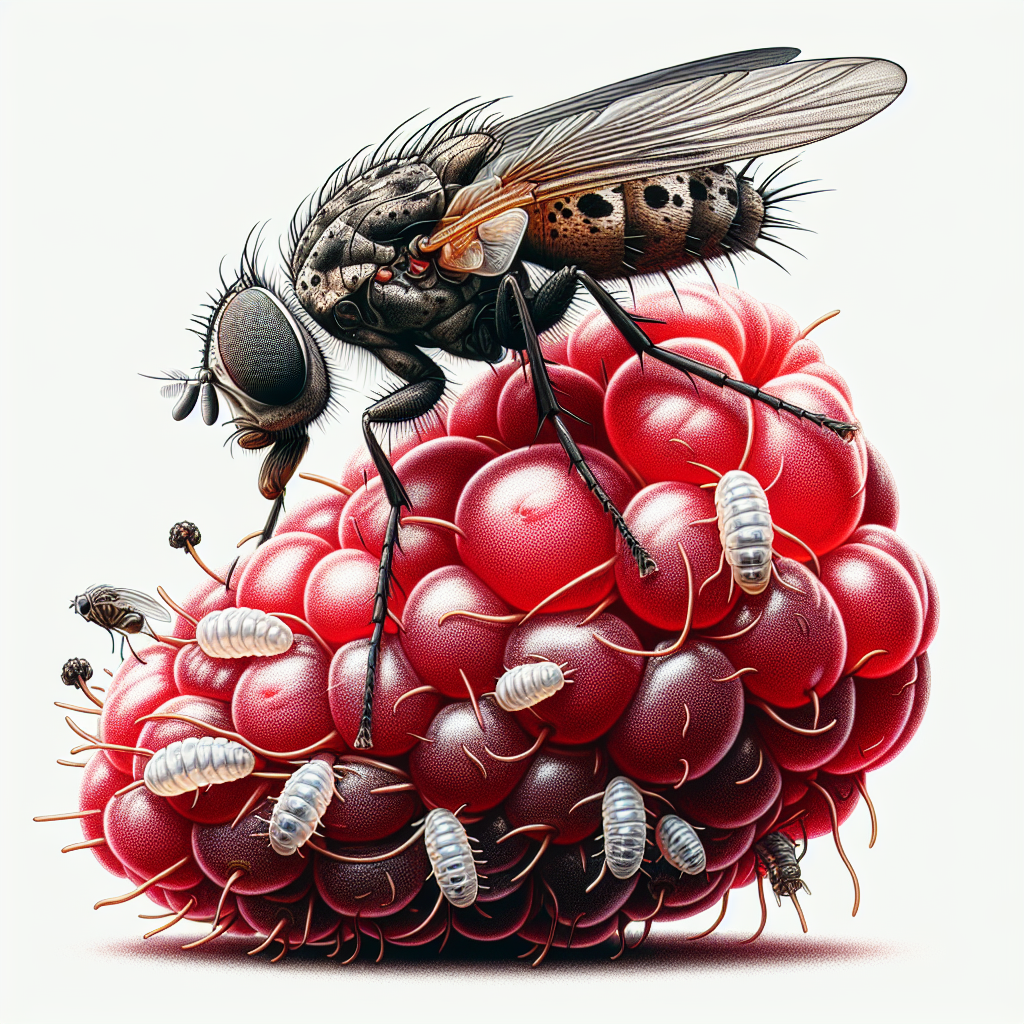
Spotted wing drosophila
Spotted wing drosophila (Drosophila suzukii) is an invasive fruit fly that infests ripening and ripe soft-skinned fruits, causing significant economic losses in berries, cherries, and stone fruits. Unlike other fruit flies, females have a serrated ovipositor that allows them to lay eggs in healthy, undamaged fruit. This guide provides comprehensive diagnostics, lifecycle insights, organic management strategies, and prevention tactics for growers.
View Profile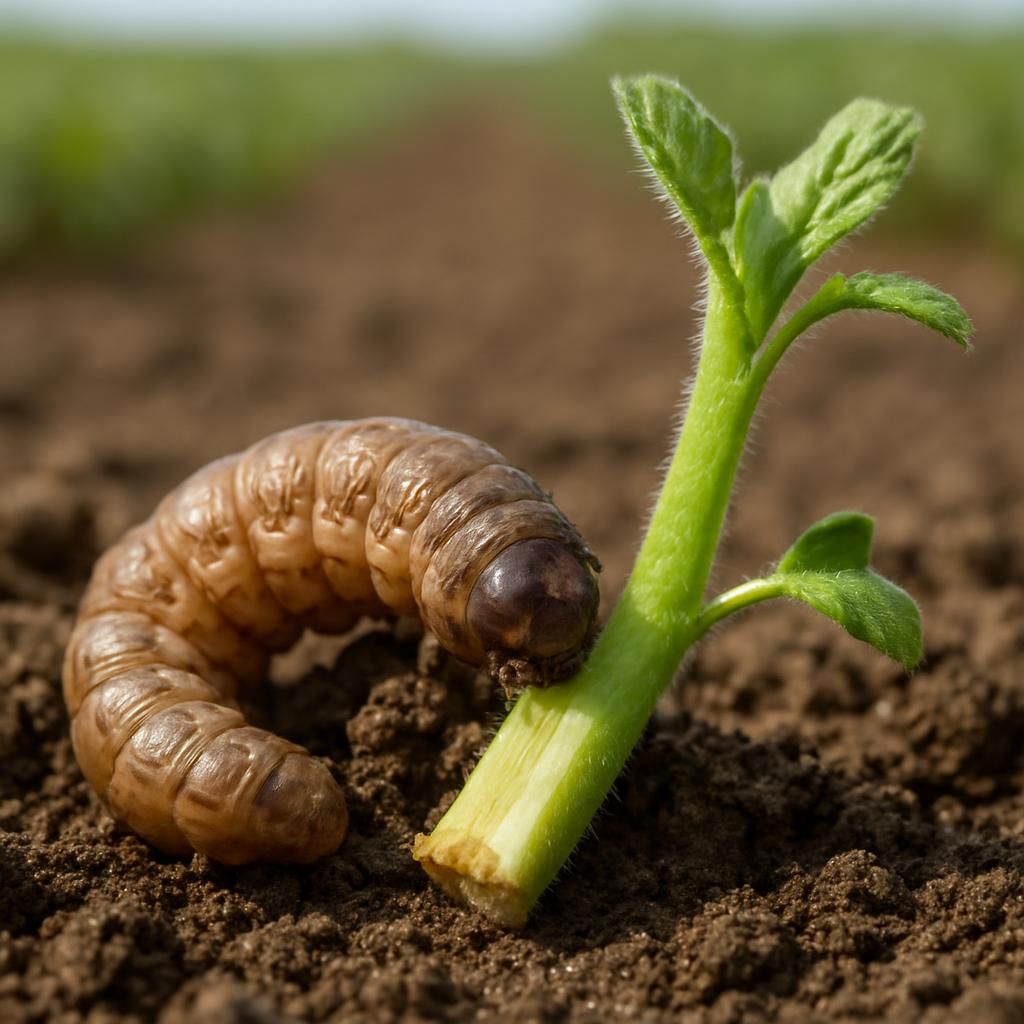
Spring Pest Patrol
Spring Pest Patrol refers to the seasonal surge of early-season pests like aphids, flea beetles, and cutworms that target emerging crops in spring. This guide provides diagnostic symptoms, lifecycle details, organic management strategies, and prevention tips for protecting your farm. Effective control ensures healthy plant establishment and maximizes yields.
View Profile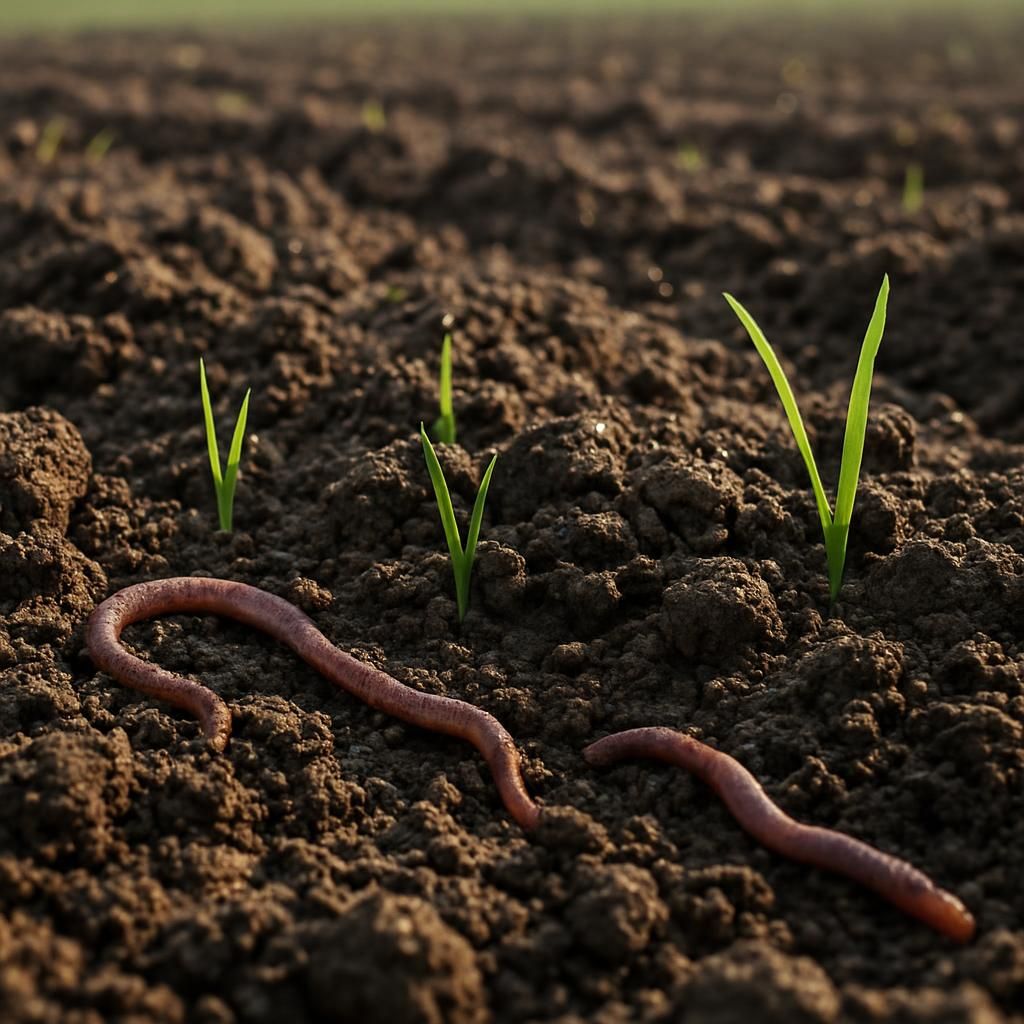
Spring Soil Awakening
Spring soil awakening describes the biological and physical transition of agricultural soils from winter dormancy to active fertility as temperatures rise and microbial life resumes. Effective management during this period sets the foundation for season-long crop performance through targeted testing, organic amendments, and structural improvements.
View Profile
Spring Triticale
Spring triticale is a fast-growing cereal grain bred from wheat and rye, combining the grain quality and standability of wheat with the hardiness and stress tolerance of rye. It is widely grown for forage, silage, cover cropping, and grain in cool temperate regions where a resilient spring-sown cereal is needed.
View Guide
springtails
Springtails are tiny, wingless hexapods that thrive in moist, organic-rich soils, often appearing as agricultural nuisances in greenhouses and high-humidity crops. While rarely causing direct plant damage, their presence signals excessive moisture and decaying matter, potentially exacerbating issues like [root rot](/wiki/root-rot) or [fungus gnats](/wiki/fungus-gnats). Effective management focuses on cultural controls to dry out habitats rather than chemical interventions.
View Profile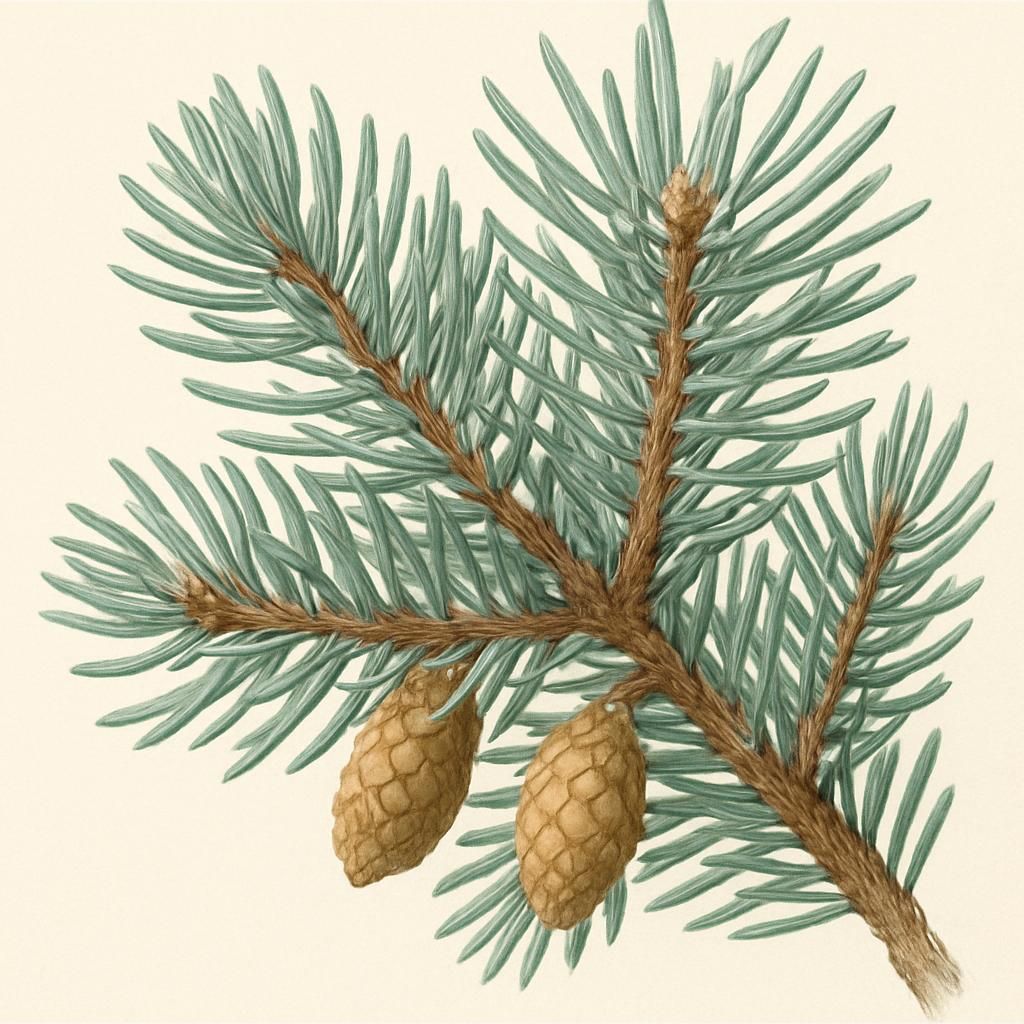
Spruce
Spruce comprises approximately 35 species of evergreen conifers valued worldwide for timber, pulp, Christmas trees, and reforestation. These hardy trees thrive in cool temperate climates and require well-drained, acidic soils. Professional growers focus on site selection, pest monitoring, and long-term spacing to achieve optimal wood quality and landscape performance.
View Guide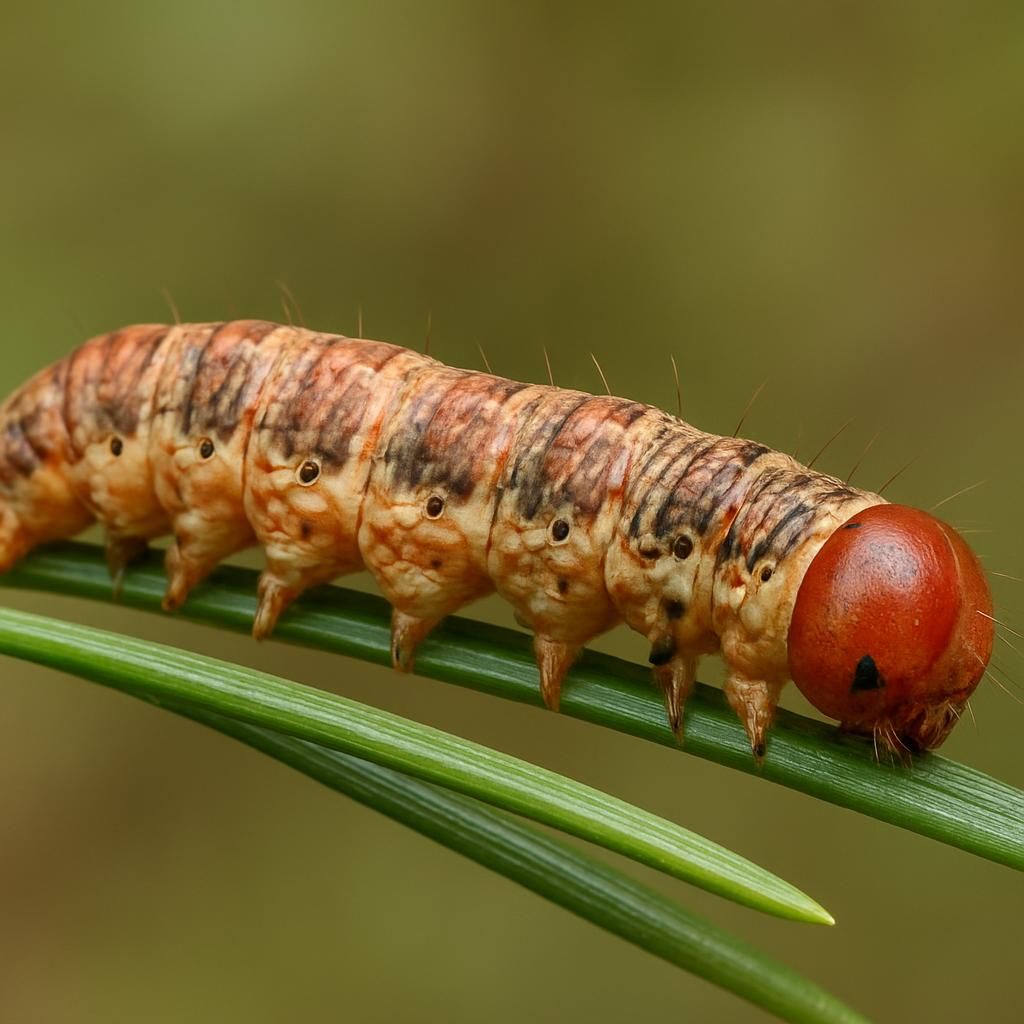
spruce budworm
The spruce budworm is a native North American moth whose larvae are among the most destructive defoliators of spruce and fir forests. Periodic outbreaks can defoliate millions of acres, reduce timber value, and alter forest succession. Effective management combines monitoring, targeted interventions, and long-term silvicultural practices.
View Profile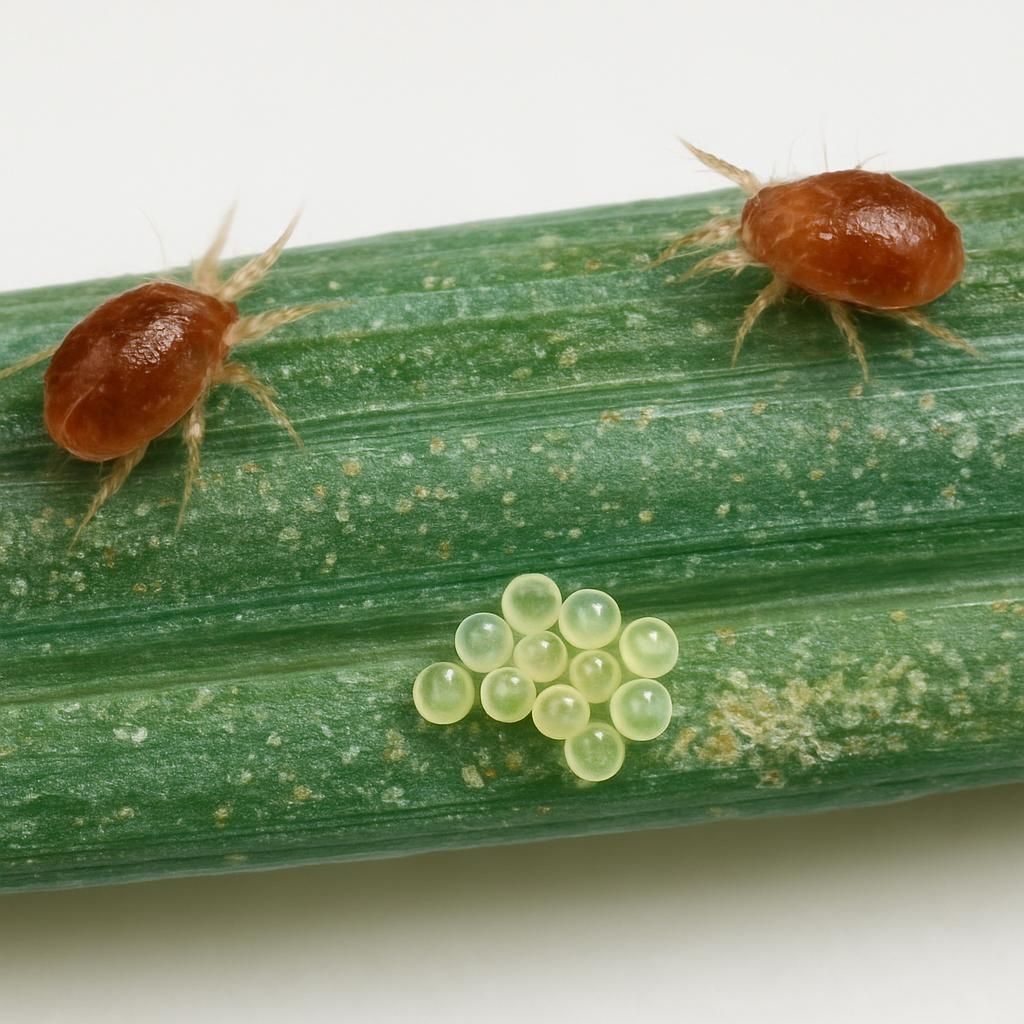
spruce spider mite
The spruce spider mite is a cool-season arachnid pest that infests conifers, particularly spruce, causing stippling, bronzing, and premature needle drop. It thrives in dry spring and fall conditions and reproduces rapidly under low humidity. Effective management combines monitoring, cultural practices, and targeted organic or conventional controls.
View Profile
spur blight
Spur blight is a fungal disease primarily affecting Rubus species like raspberries and blackberries, caused by Didymella tremulicola. It targets buds, spurs, and canes, leading to significant yield losses through blighting and dieback. Effective management relies on cultural practices, sanitation, and targeted organic fungicides.
View Profile
Squash
Squash is a diverse group of warm-season cucurbits grown for tender immature fruits, mature storage fruits, seeds, and even edible blossoms. Successful production depends on heat, fertile well-drained soil, reliable pollination, and careful management of vine growth, moisture, and common pest pressures such as squash vine borer and powdery mildew.
View Guide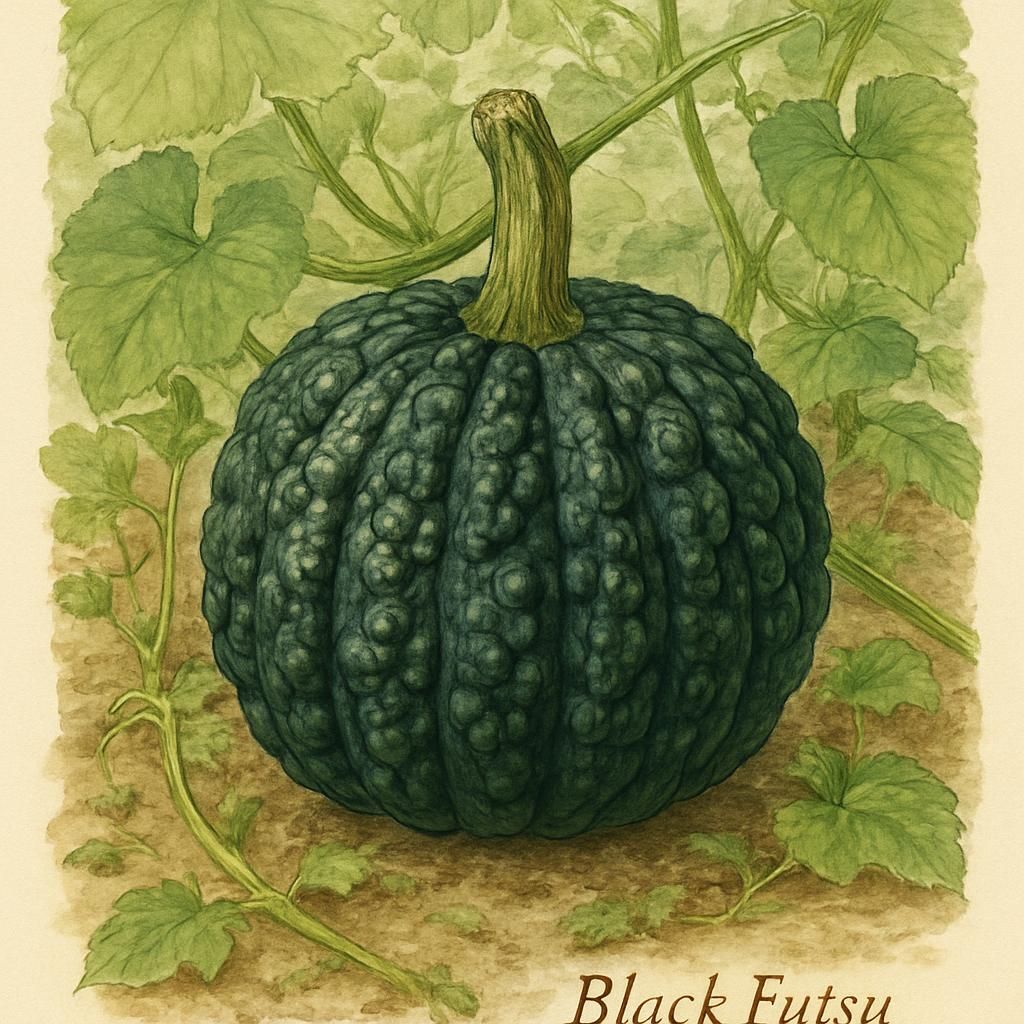
Squash (Black Futsu)
Black Futsu is an heirloom squash variety known for its unique bumpy skin and nutty flavor. This squash is both visually appealing and highly nutritious, making it a favorite among gardeners and chefs alike.
View Guide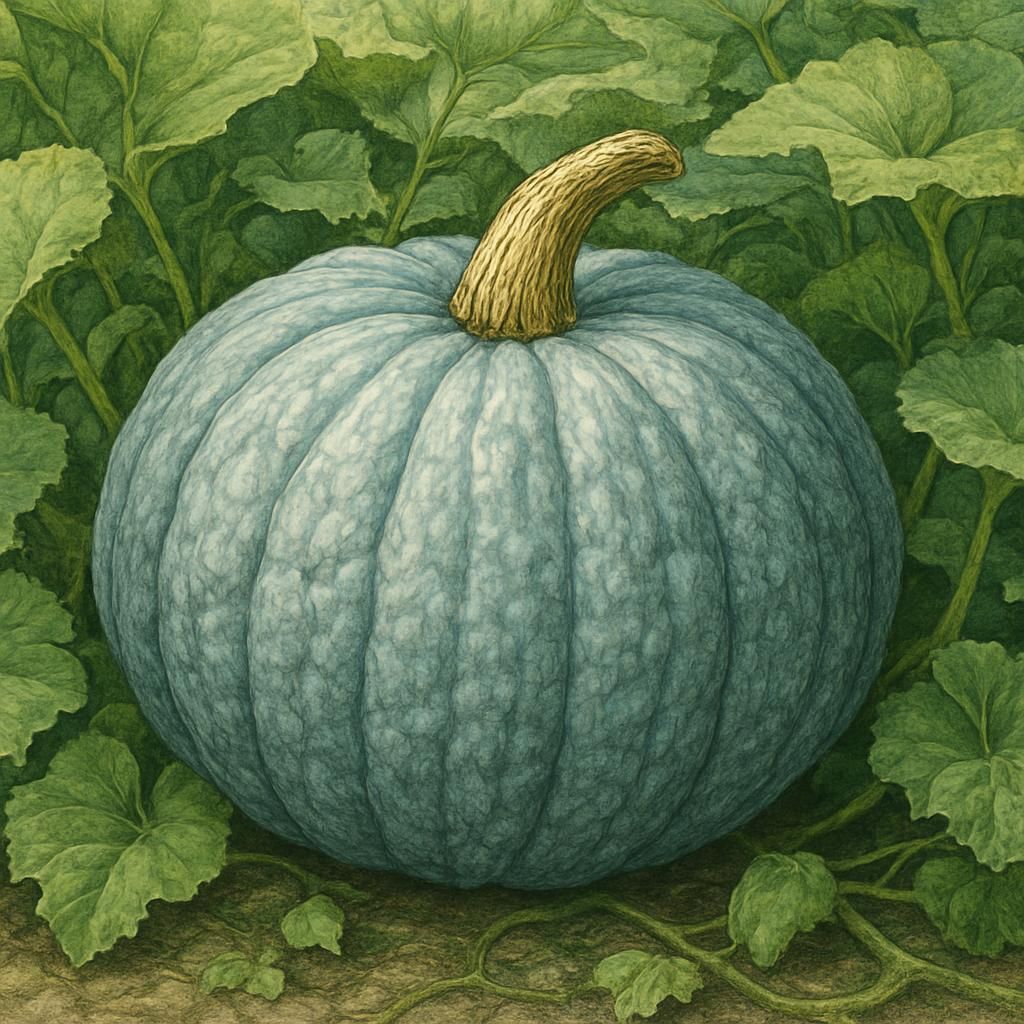
Squash (Blue Hubbard)
The Blue Hubbard squash is a large, elongated heirloom variety known for its sweet, dense flesh and bluish-gray rind. It thrives in temperate climates with well-draining, loamy soil.
View Guide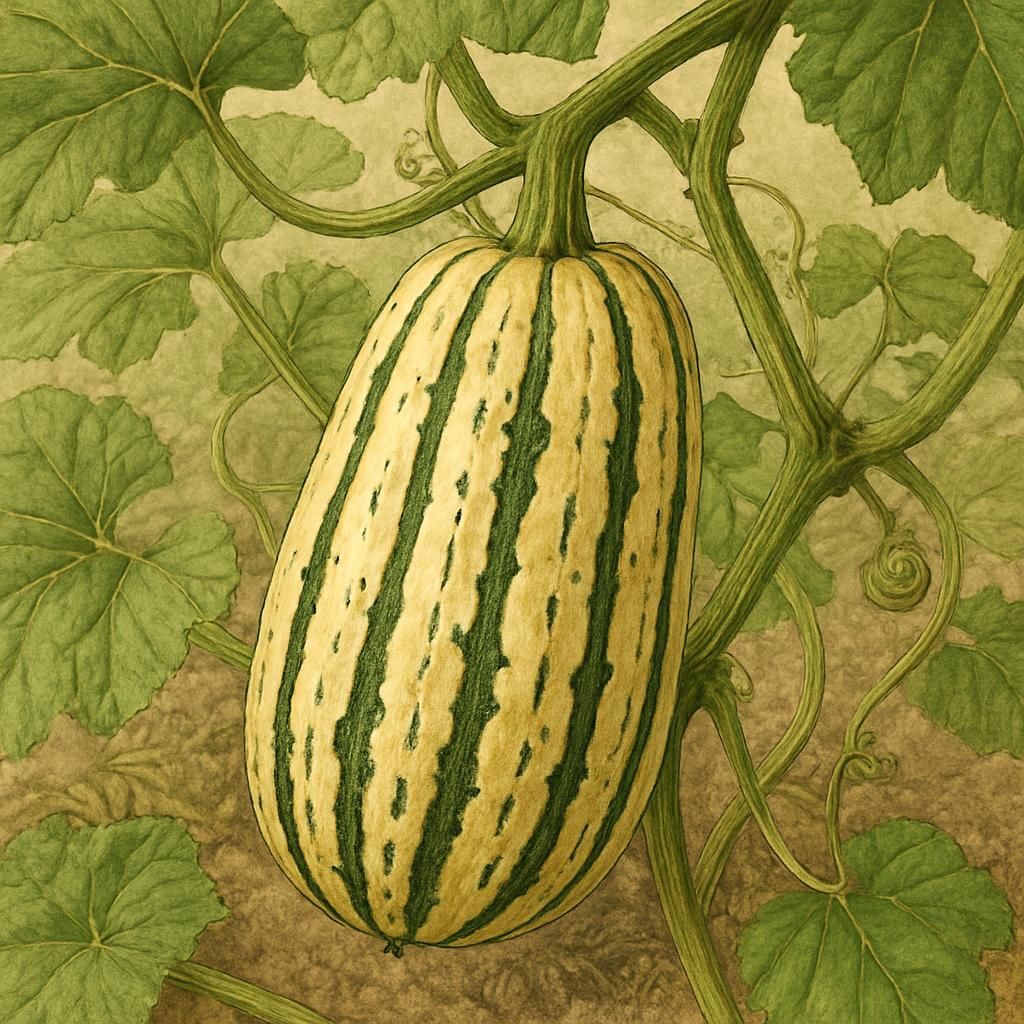
Squash (Delicata)
Delicata squash, a variety of winter squash, is renowned for its sweet flavor and tender skin. It's an excellent choice for small gardens due to its compact size and ease of growth.
View Guide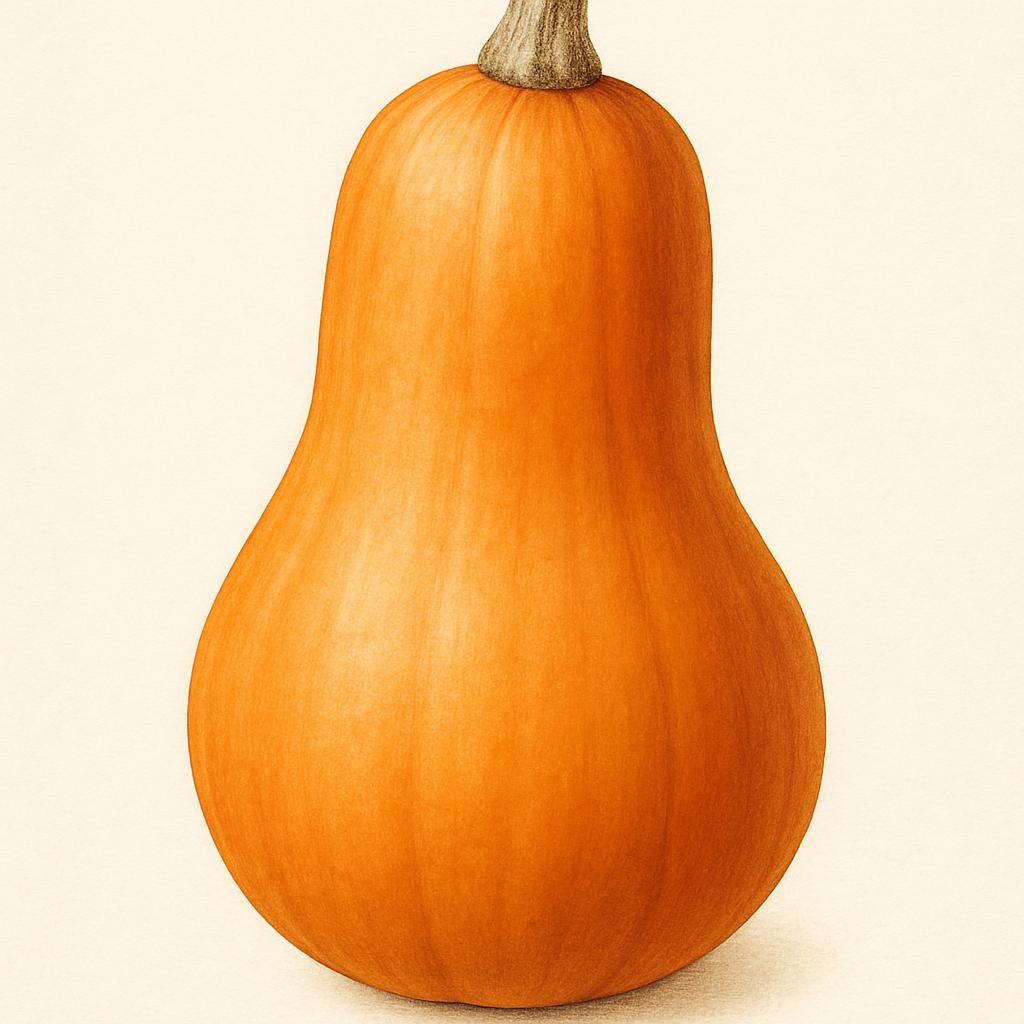
Squash (Honey Nut Butternut)
Honey Nut Butternut Squash is a small, nutty-flavored squash that offers creamy flesh perfect for roasting and soups. This specific variety is known for its compact size and sweetness.
View Guide
Squash (Pattypan - Benning's Green Tint)
Squash (Pattypan - Benning's Green Tint) is a unique summer squash variety known for its distinct shape and mild flavor. It thrives in warm climates and is an excellent choice for home gardeners and small farms seeking a consistent yield.
View Guide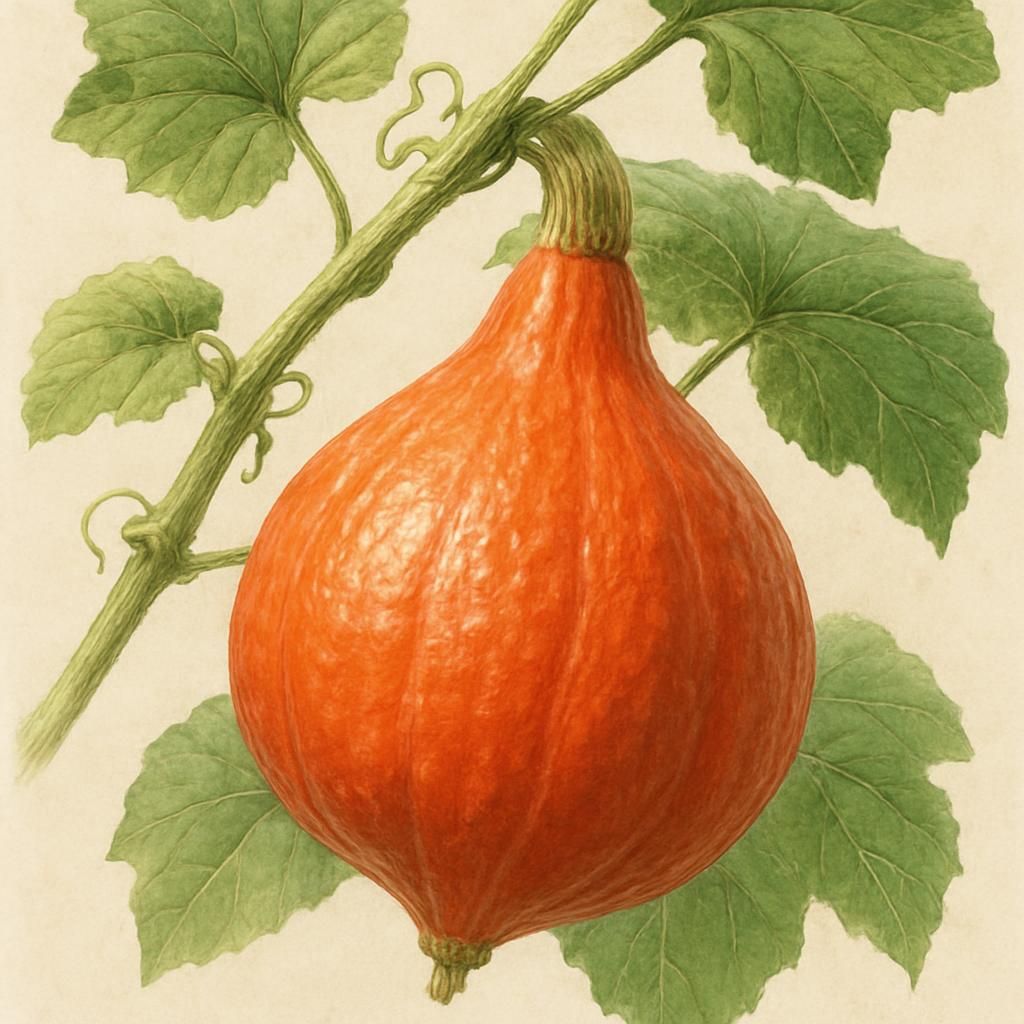
Squash (Red Kuri)
Red Kuri Squash, a robust winter squash variety, is known for its vibrant orange skin and nutty flavor, perfect for soups and roasts. It thrives in well-drained soil with a warm climate and requires minimal maintenance.
View Guide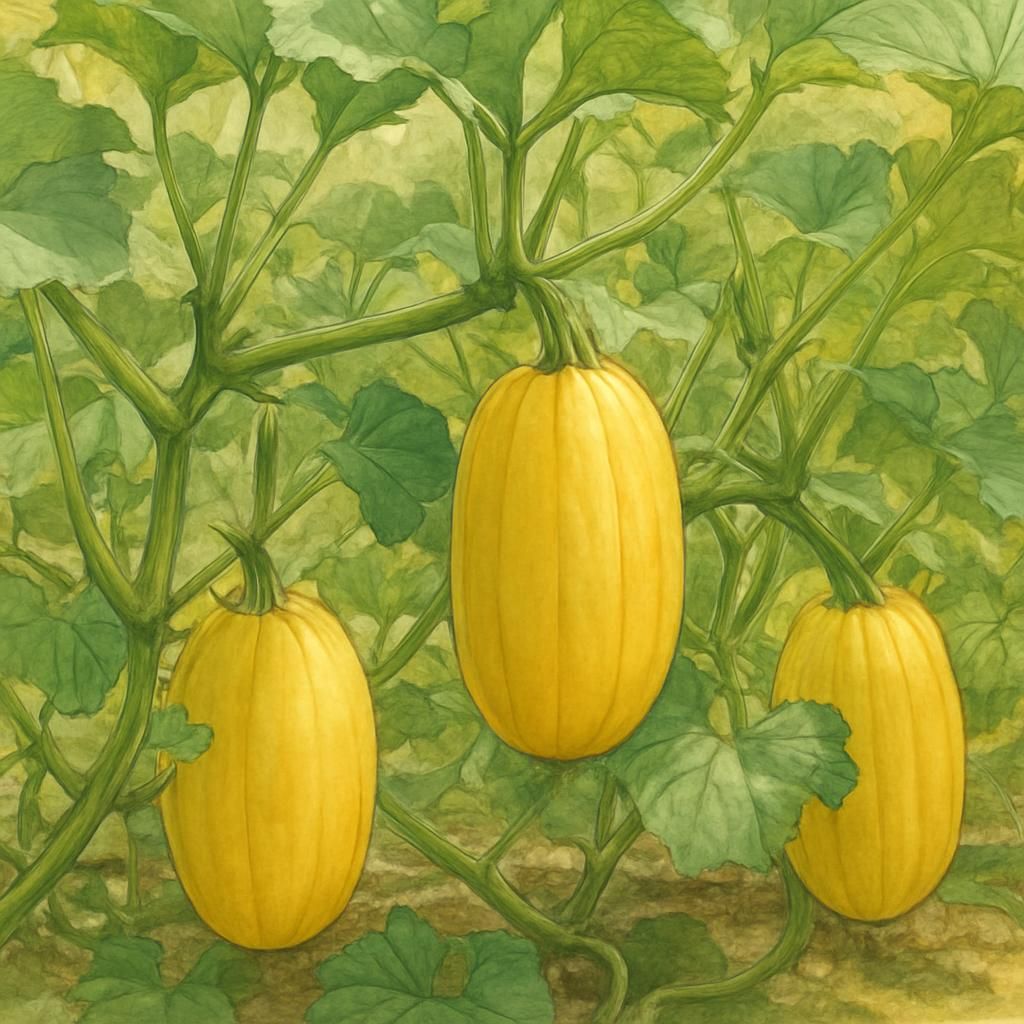
Squash (Spaghetti - Vegetable)
Spaghetti squash, known for its unique spaghetti-like strands after cooking, is a favored member of the squash family. It's a warm-season crop that thrives in well-drained, fertile soils under full sunlight, making it an ideal choice for home gardens and small farms alike.
View Guide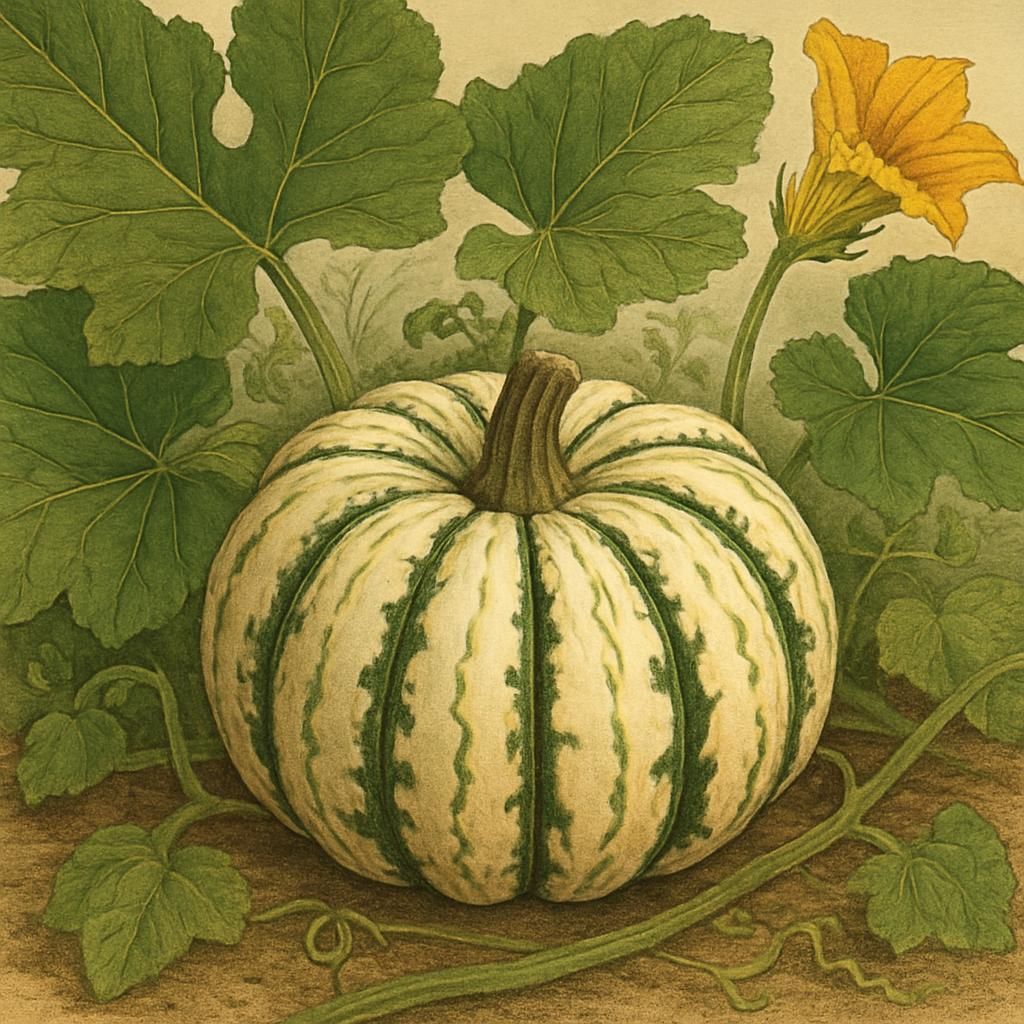
Squash (Sweet Dumpling)
Sweet Dumpling squash is a small winter squash known for its thick, sweet flesh and compact size, ideal for single servings. It thrives in warm climates and is easy to grow in well-drained, nutrient-rich soil.
View Guide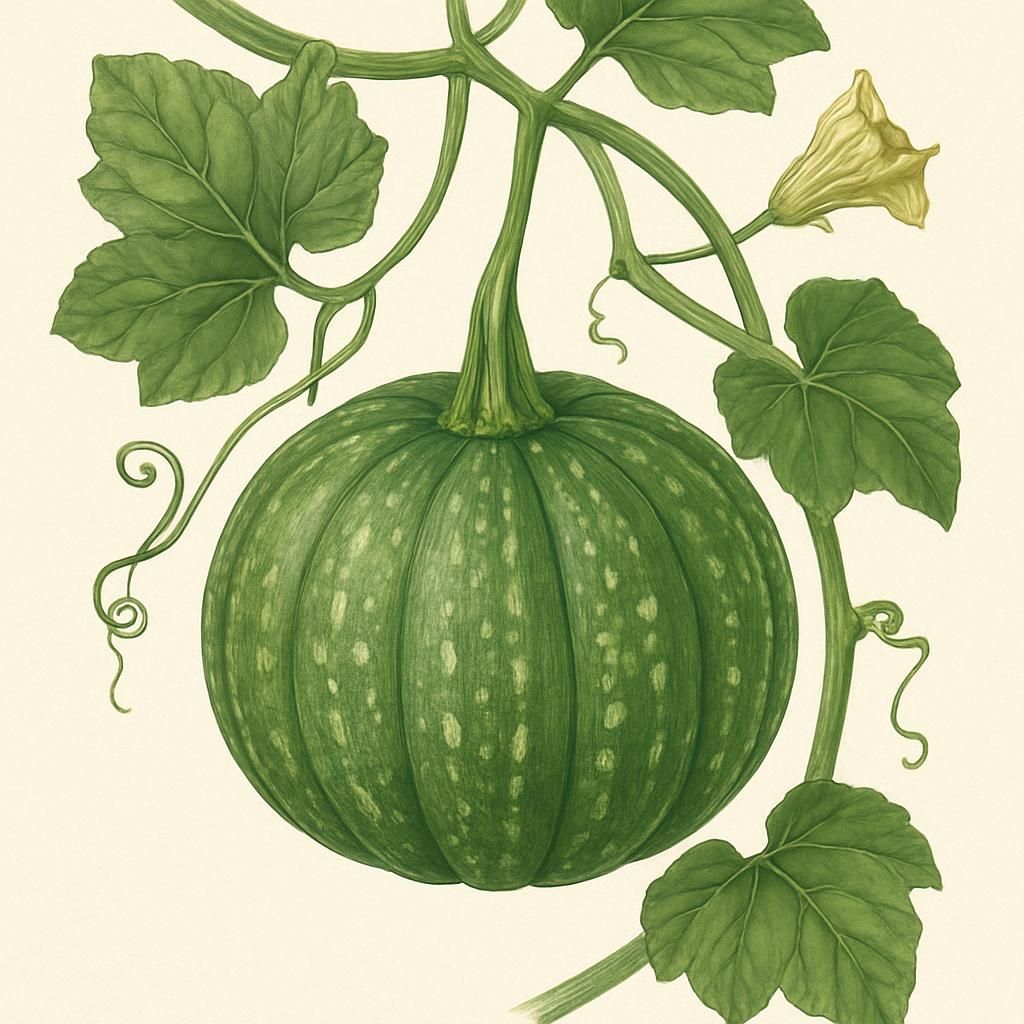
Squash (Tatume)
Tatume squash, a versatile and hardy type of summer squash, thrives in warm climates. Its vining habit and distinctive round fruits make it a popular choice for home gardeners and small-scale farmers.
View Guide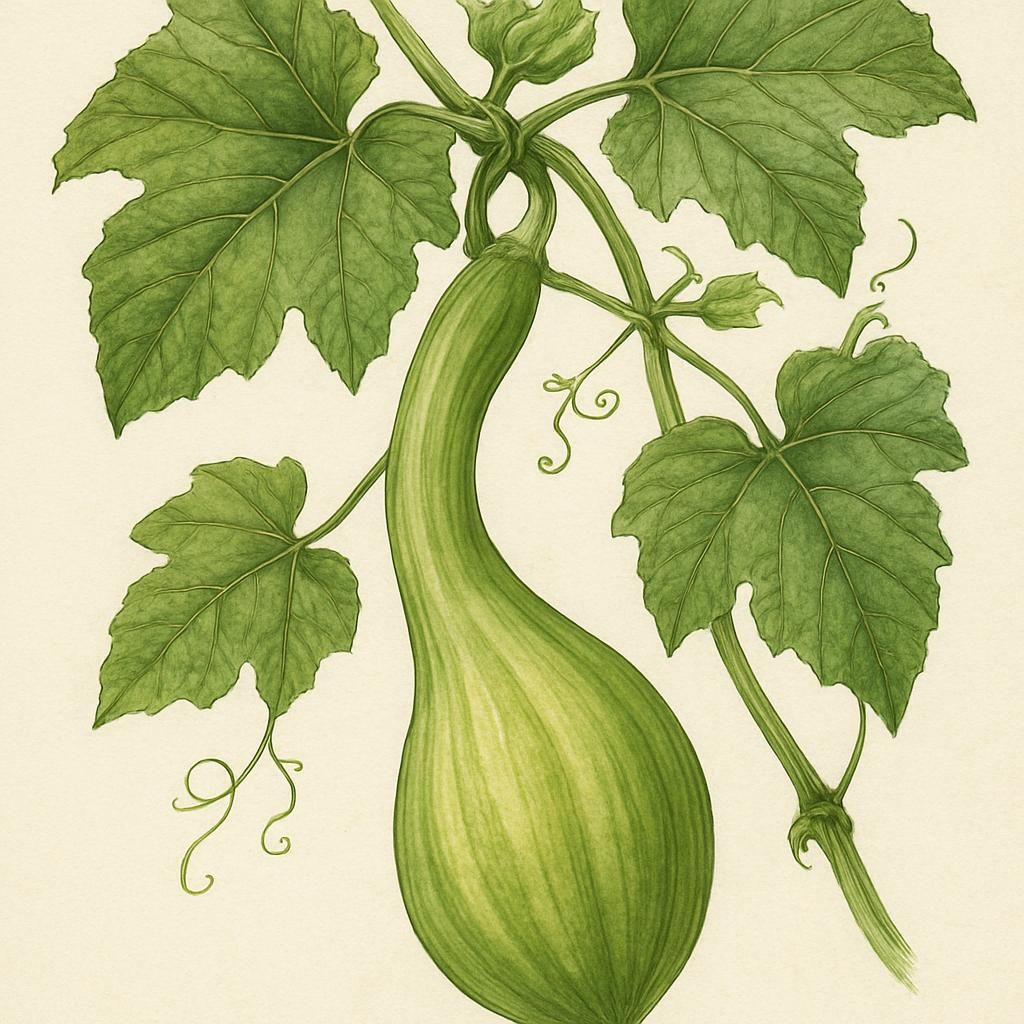
Squash (Tromboncino)
Tromboncino squash, known for its unique shape and flavor, is a versatile crop that can be grown vertically to save space. It thrives in warm climates and requires moderate maintenance.
View Guide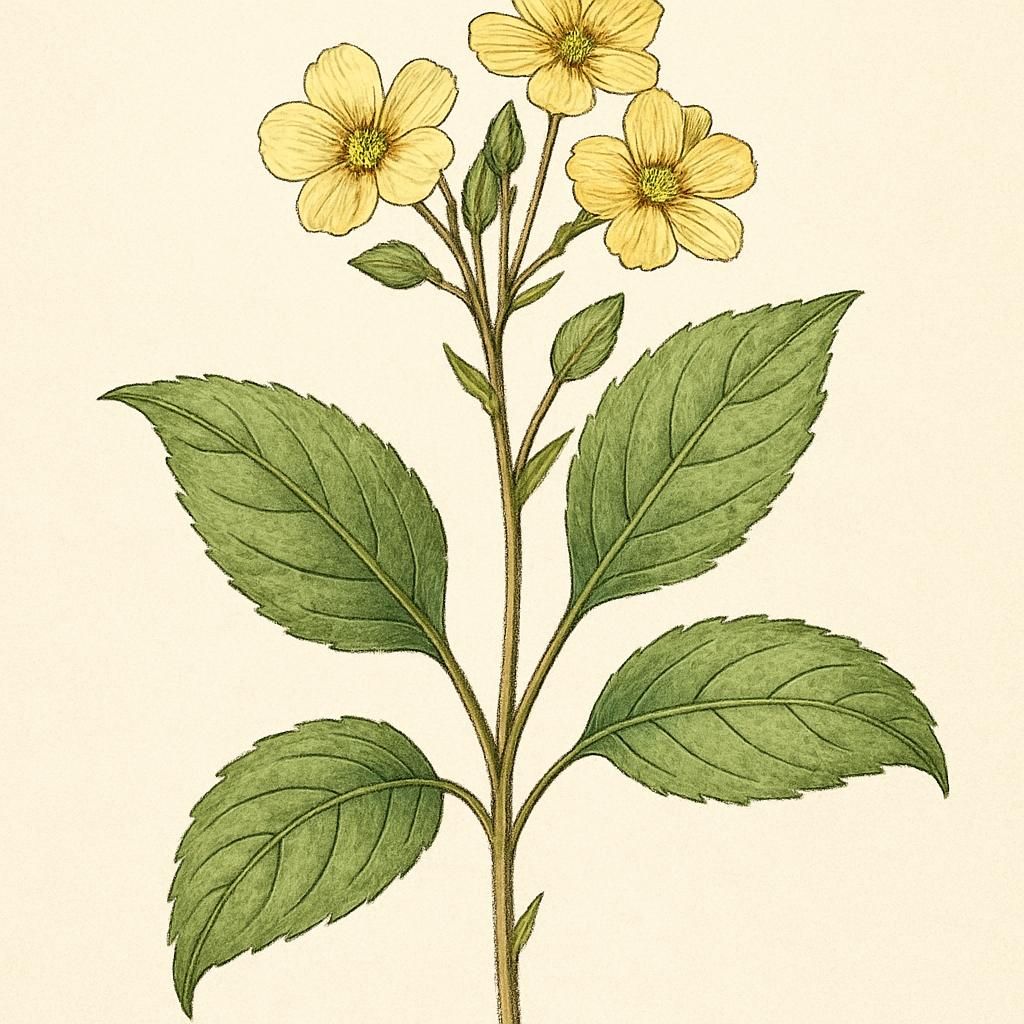
Squash (White Bush Scallop)
White Bush Scallop Squash, known for its unique saucer shape, is a popular summer squash. It is favored by gardeners for its rapid growth, ease of care, and the prolific yield of tender, white-skinned fruit.
View Guide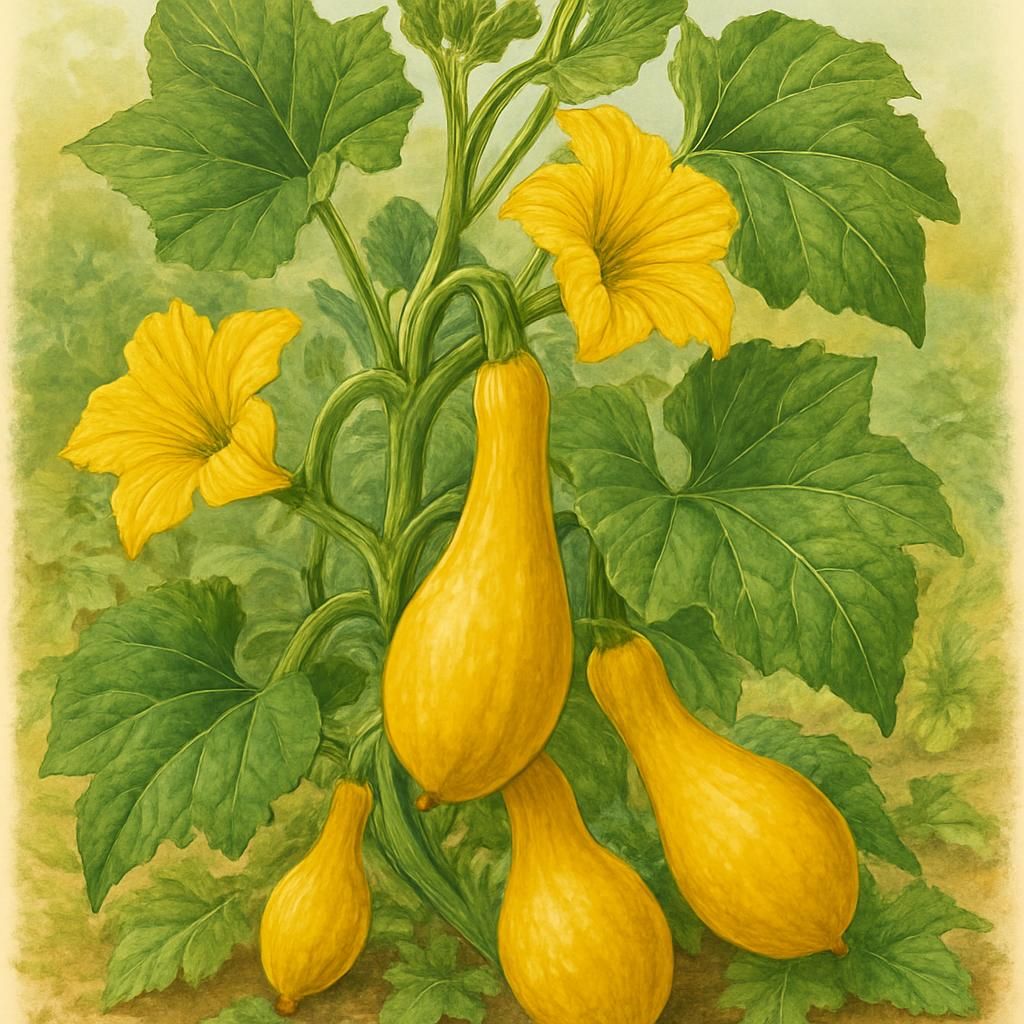
Squash (Yellow Crookneck)
Yellow Crookneck Squash is a vibrant summer squash known for its unique curved shape and smooth yellow skin. It thrives in warm climates and is highly nutritious, commonly used in a variety of culinary dishes.
View Guide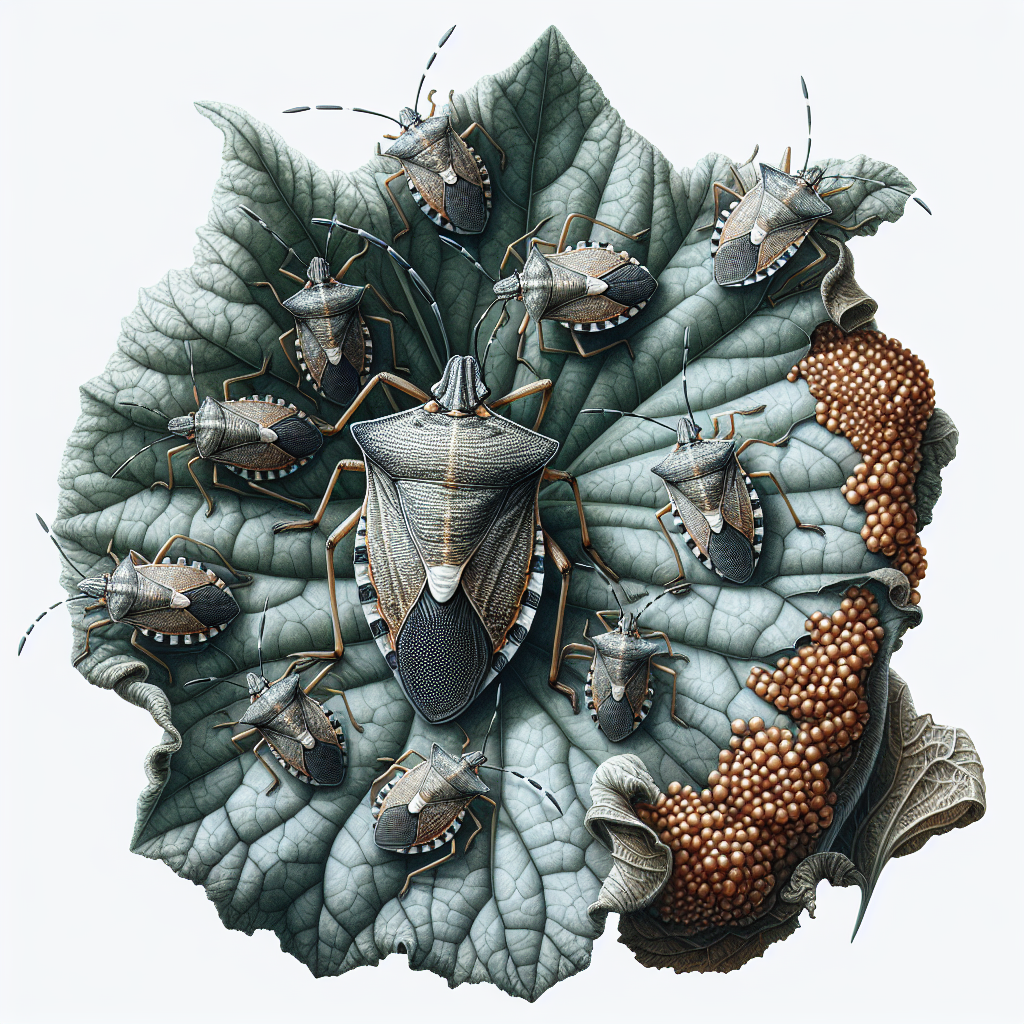
Squash Bugs
Squash bugs (Anasa tristis) are notorious pests targeting cucurbit crops like squash, pumpkins, and cucumbers, sucking sap from leaves and stems to cause wilting and plant death. Their shield-shaped bodies and gregarious nymphs make them identifiable, while organic controls focus on row covers, traps, and beneficial insects. Effective management combines early detection, cultural practices, and prevention to protect yields.
View Profile