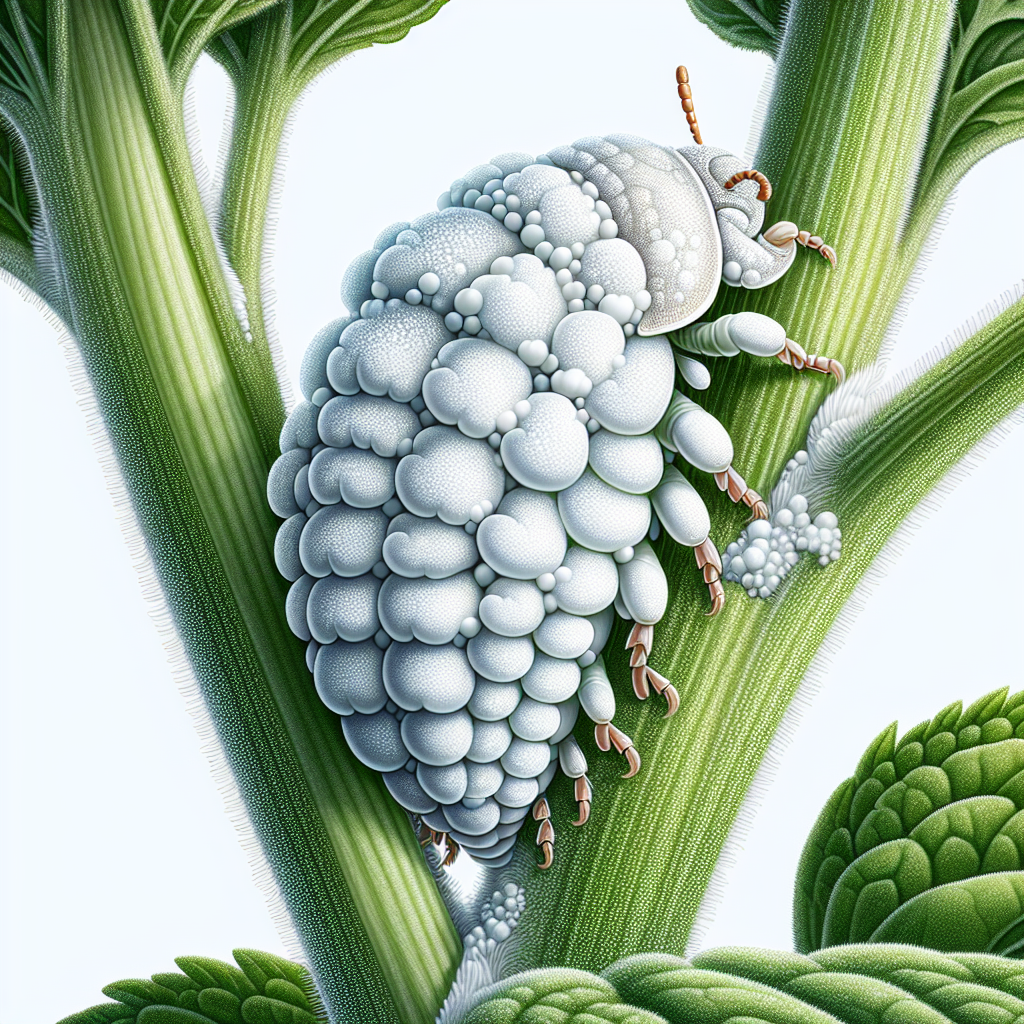
Introduction to Spittlebugs
Spittlebugs, members of the Cercopidae family, are small insects notorious in agriculture for producing frothy, spittle-like masses on plant stems, leaves, and grasses. These pests, often called froghoppers in their adult form, suck sap from vascular tissues, compromising plant vigor and yield. Common species include Philaenus spumarius (meadow spittlebug) and various Aphrophora species, thriving in temperate and tropical regions worldwide.
Farmers first notice spittlebugs through the white, bubbly foam coating young shoots—created by nymphs mixing plant sap with air and excretions for protection against predators and desiccation. While adults are wedge-shaped jumpers resembling tiny frogs (hence 'froghoppers'), the nymphal stage causes most damage. In commercial settings, outbreaks can devastate pastures, cereals, and horticultural crops, with economic losses from direct feeding and transmission of pathogens like Xylella fastidiosa in some regions.
Understanding spittlebugs is crucial for sustainable farming. Their rapid reproduction—up to three generations per year in warm climates—and polyphagous nature make them a persistent threat. Early detection and integrated pest management (IPM) are key to minimizing impacts without relying on synthetic chemicals. This guide provides diagnostic tools, lifecycle insights, and proven organic strategies tailored for small farms and large operations alike. For more on related sap-suckers, see our entry on leafhoppers.
Identifying Symptoms & Damage
Spotting spittlebug infestations early prevents escalation. The hallmark sign is frothy, white 'cuckoo spit' blobs, 1-2 cm in diameter, clinging to stems and undersides of leaves. Inside these wet masses lurks the pale yellow or greenish nymph, about 3-10 mm long with a stout body.
Visual Symptoms:
- Frothy masses on tender shoots, especially grasses, clovers, and herbaceous plants.
- Yellowing or chlorotic stippling on leaves from sap extraction.
- Stunted growth, wilting terminals, and leaf curling in severe cases.
- Adults (5-12 mm, brown/mottled) visible jumping from foliage when disturbed.
Damage Progression: Feeding punctures phloem, causing sugar transport disruption. Light infestations yield minor vigor loss; heavy ones trigger 20-50% reductions in biomass, particularly in forage crops. In ornamentals like strawberry or clover, aesthetic damage from foam and scarring devalues produce.
Differentiate from similar pests: Unlike aphids, spittlebugs produce foam; versus mealybugs, foam is liquid and mobile. Scout weekly during spring (nymphs) and summer (adults) using a hand lens. Thresholds: 5-10 spittle masses per plant warrants action. Check out Spring Pest Patrol: Organic AI Strategies to Shield Your Crops from Common Invaders for scouting tips.
Lifecycle and Progression of Spittlebugs
Spittlebugs complete 1-3 generations annually, varying by climate. Eggs overwinter in plant debris or soil, hatching in spring (March-May in temperate zones).
Key Stages:
- Eggs: Elongated, laid in slits on stems or soil; tiny, brownish.
- Nymphs (5 instars, 4-6 weeks): Non-winged, produce spittle; feed voraciously on phloem sap. First instars tiny (1 mm), maturing to 8 mm.
- Adults (2-4 weeks): Winged, highly mobile; females lay 100-300 eggs. Peak flight in late spring/summer.
Lifecycle spans 6-10 weeks per generation. In tropics, continuous breeding occurs. Overwintering adults or eggs ensure persistence. Monitor with sticky traps for adults; disrupt by removing foam gently to expose nymphs.
Environmental Triggers & Risk Factors
Spittlebugs flourish in moist, warm conditions: 20-30°C (68-86°F) with high humidity (>70%). Rainy springs boost nymph survival by aiding spittle formation.
Risk Factors:
- Weedy fields: Prefer lush, grassy weeds; dense canopies trap moisture.
- Over-irrigation: Wet soils favor egg hatch and nymph development.
- Monocultures: Grasses like alfalfa or cereals amplify populations.
- No-till residue: Harbors overwintering eggs.
- Adjacent hosts: Pastures near orchards spread via adult flight.
Climate change extends seasons, increasing generations. Poor drainage or excessive nitrogen (lush growth) heightens vulnerability. Mitigate with balanced fertility and airflow.
Organic Control & Treatment Plans
Prioritize IPM: Monitor, cultural controls, then biological/organic sprays.
Cultural Methods:
- Mow or till to destroy eggs/nymphs; remove foam weekly.
- Improve drainage; avoid overhead watering.
- Rotate crops; interplant with repellents like thyme or yarrow.
Biological Controls:
- Natural enemies: Birds, spiders, parasitic wasps (e.g., Pipunculus spp.), fungal pathogens like Beauveria bassiana.
- Release predatory insects; encourage biodiversity.
Organic Treatments:
- Insecticidal soaps/Neem oil: 1-2% solution, target foam; apply evenings (3x/week). Kills nymphs by suffocation.
- Pyrethrin (OMRI-listed): Low-dose for adults; rotate to prevent resistance.
- BT (Bacillus thuringiensis): Limited efficacy; use for mixed lepidopteran issues.
- Horticultural oils: Smother eggs/nymphs in dormant season.
Treatment Plan:
- Week 1: Scout/remove foam manually.
- Week 2-4: Soap/neem sprays; till residues.
- Ongoing: Trap adults with yellow sticky cards. Expect 70-90% control; reapply after rain.
Preventing Spittlebugs in the Future
Long-term prevention builds resilient systems:
- Crop rotation: 2-3 years away from hosts.
- Resistant varieties: Choose spittlebug-tolerant grasses/legumes.
- Sanitation: Destroy crop residues post-harvest.
- Border plants: Nasturtium as traps.
- Soil health: Healthy plants resist better; see Soil Health Mastery: 5 Proven Strategies for Small Farms to Build Fertile Ground Without Breaking the Bank.
- Monitoring tech: Use apps for early alerts. Consistent practices reduce outbreaks by 80%.
Crops Most Affected by Spittlebugs
Spittlebugs attack 200+ species, favoring grasses and forages:
- Grains: Rice, wheat, corn, sorghum—yield losses up to 30%.
- Legumes: Clover, alfalfa, soybeans.
- Vegetables: Potato, tomato, cucumber.
- Fruits: Strawberry, grapes, pineapple.
- Ornamentals/Pastures: Turf, roses.
In clover pastures, nymphs stunt forage; in rice, transmit tungro virus. Prioritize high-value crops like strawberry.