Encyclopedia
Definitive guides for crops, pests, and agricultural diseases.
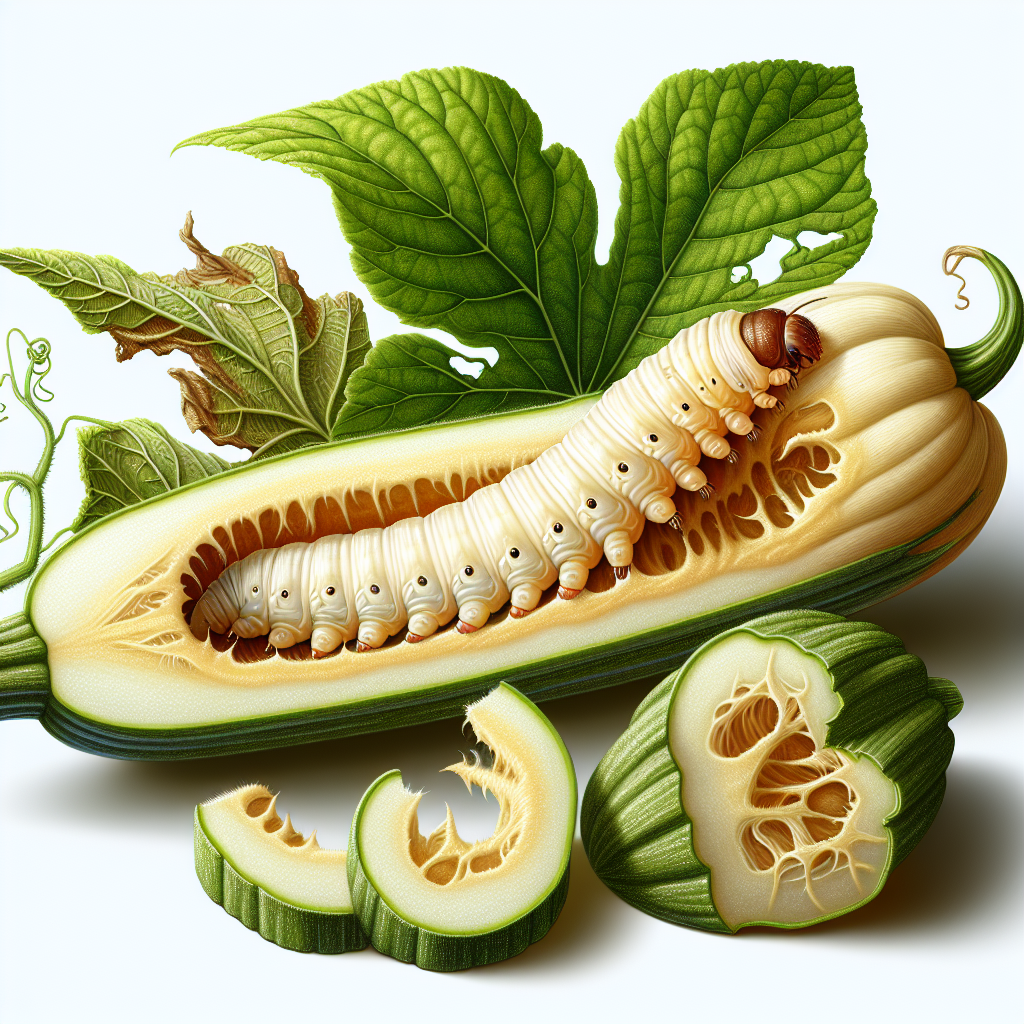
Squash Vine Borer
The Squash Vine Borer (Melittia satyriniformis) is a destructive pest targeting squash family crops, with larvae boring into stems causing sudden wilting and plant death. Effective management relies on early detection, organic controls like row covers, and resistant varieties. This guide provides comprehensive diagnostics, lifecycle insights, and prevention strategies for gardeners and farmers.
View Profile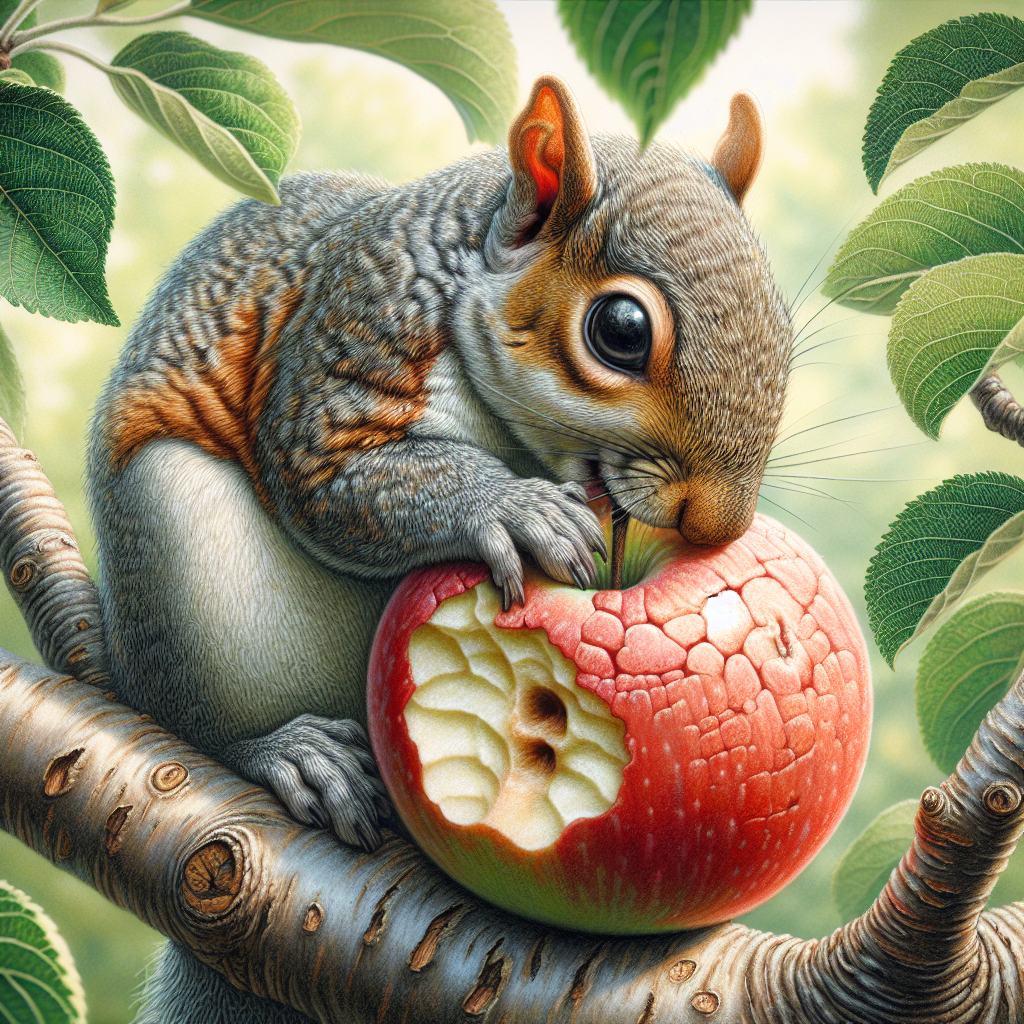
squirrels
Squirrels are highly adaptable tree-dwelling rodents that pose significant threats to agricultural crops, orchards, and gardens by gnawing, burrowing, and consuming fruits, nuts, seeds, and bulbs. This guide provides farmers with diagnostic tools to identify squirrel damage, understand their lifecycle, and implement effective organic management strategies to protect yields. Proven prevention methods and crop-specific advice ensure long-term control without synthetic chemicals.
View Profile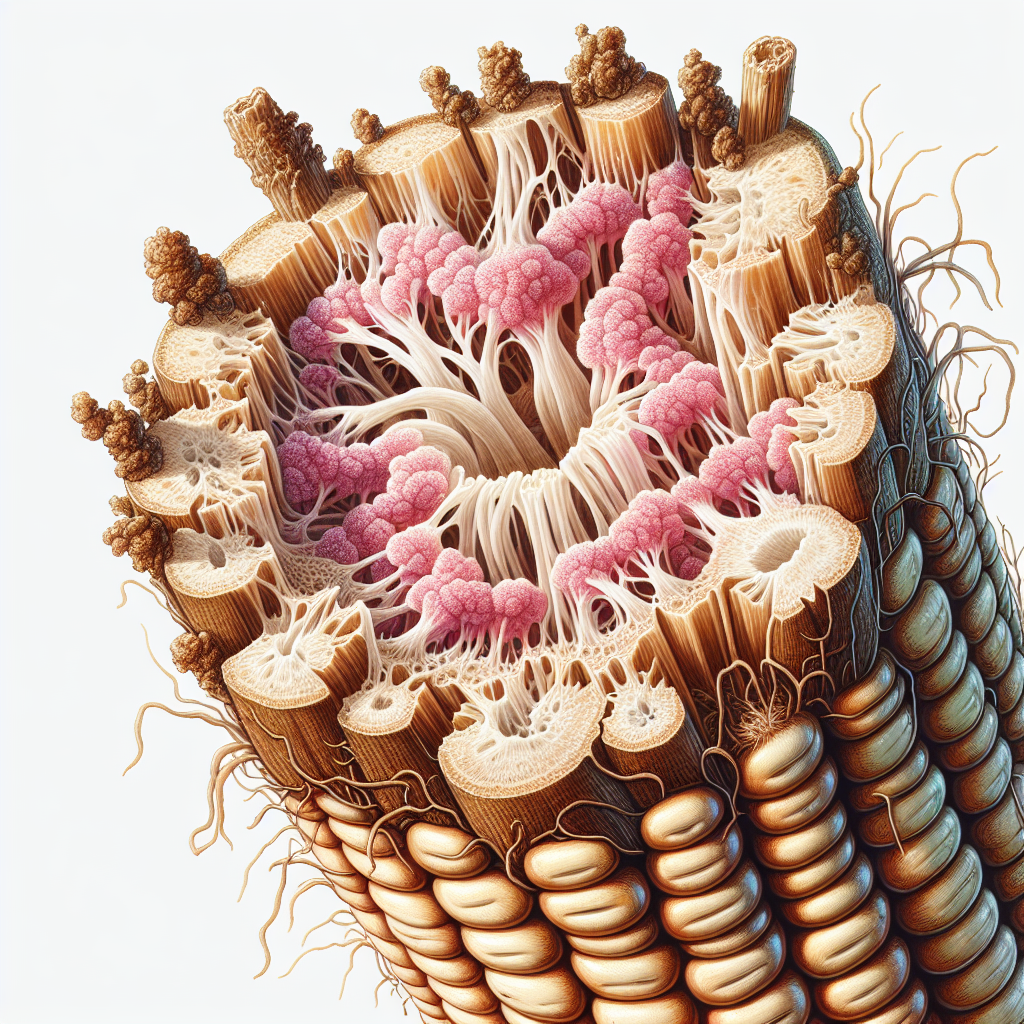
Stalk rots
Stalk rots are devastating fungal diseases affecting the vascular tissues of cereal and row crops, leading to lodging, reduced yields, and poor grain quality. Caused primarily by soilborne pathogens thriving in warm, wet conditions, they compromise plant structural integrity during critical growth stages. Effective management relies on integrated cultural practices, resistant varieties, and timely interventions to minimize losses.
View Profile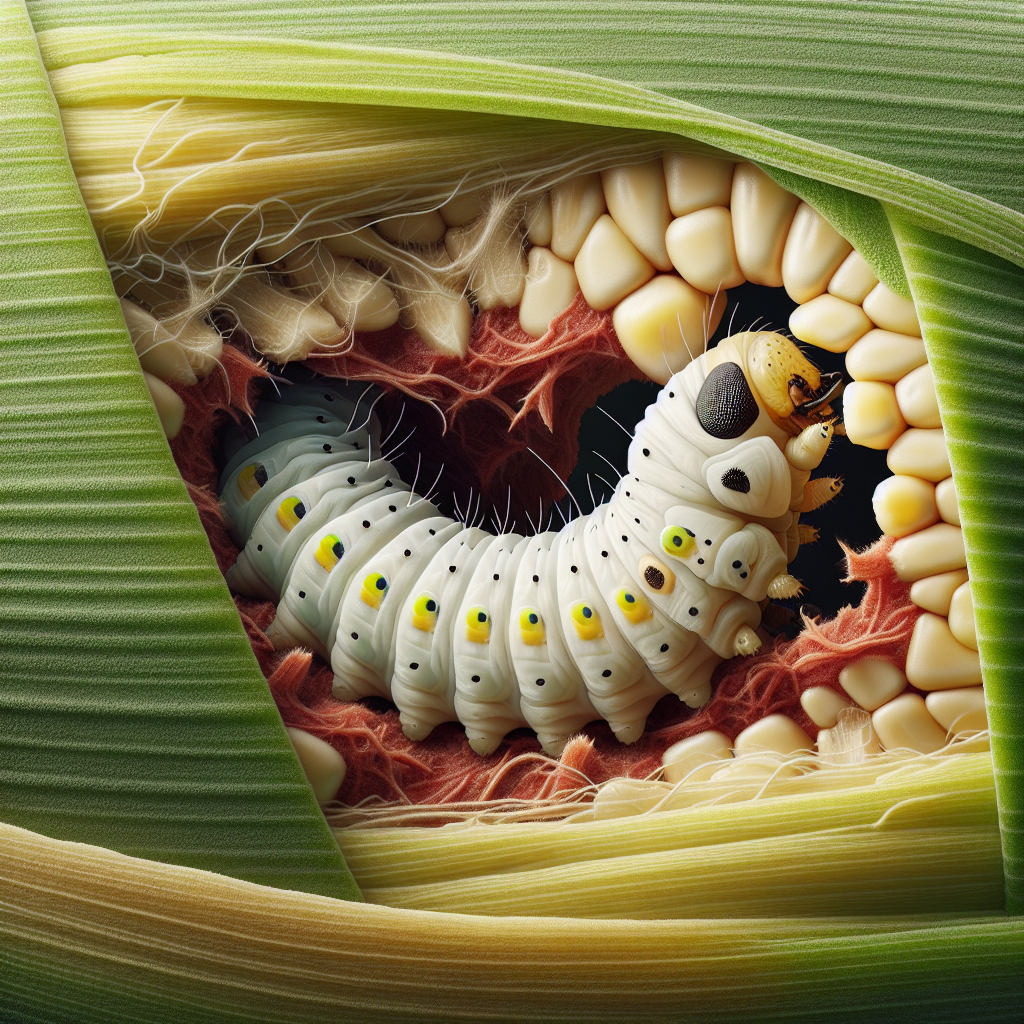
Stalk-boring caterpillars
Stalk-boring caterpillars are destructive larvae of moths that tunnel into plant stems, causing lodging, reduced yields, and secondary infections in staple crops like corn, rice, and sorghum. This guide provides comprehensive diagnostics, lifecycle insights, organic management strategies, and prevention tactics for farmers facing these pervasive pests. Effective control hinges on early detection, cultural practices, and biological interventions to safeguard crop integrity.
View Profile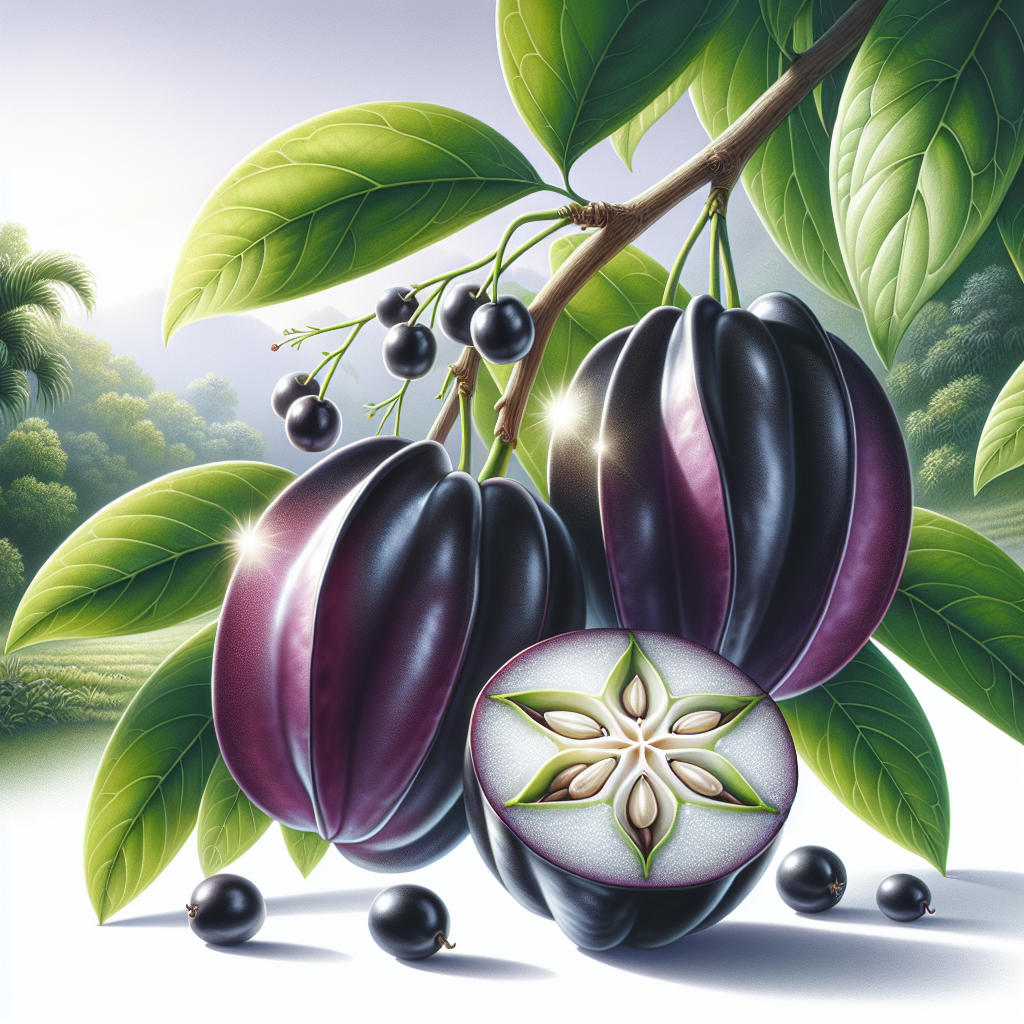
Star Apple (Chrysophyllum cainito - Haitian)
The Haitian Star Apple, or Chrysophyllum cainito, is a tropical evergreen tree prized for its sweet, star-shaped fruits with a unique milky interior. Native to the Caribbean and Central America, this variety thrives in humid, subtropical climates and offers high yields for home gardeners and small farms. This comprehensive guide covers cultivation from propagation to harvest, emphasizing organic practices for optimal growth.
View Guide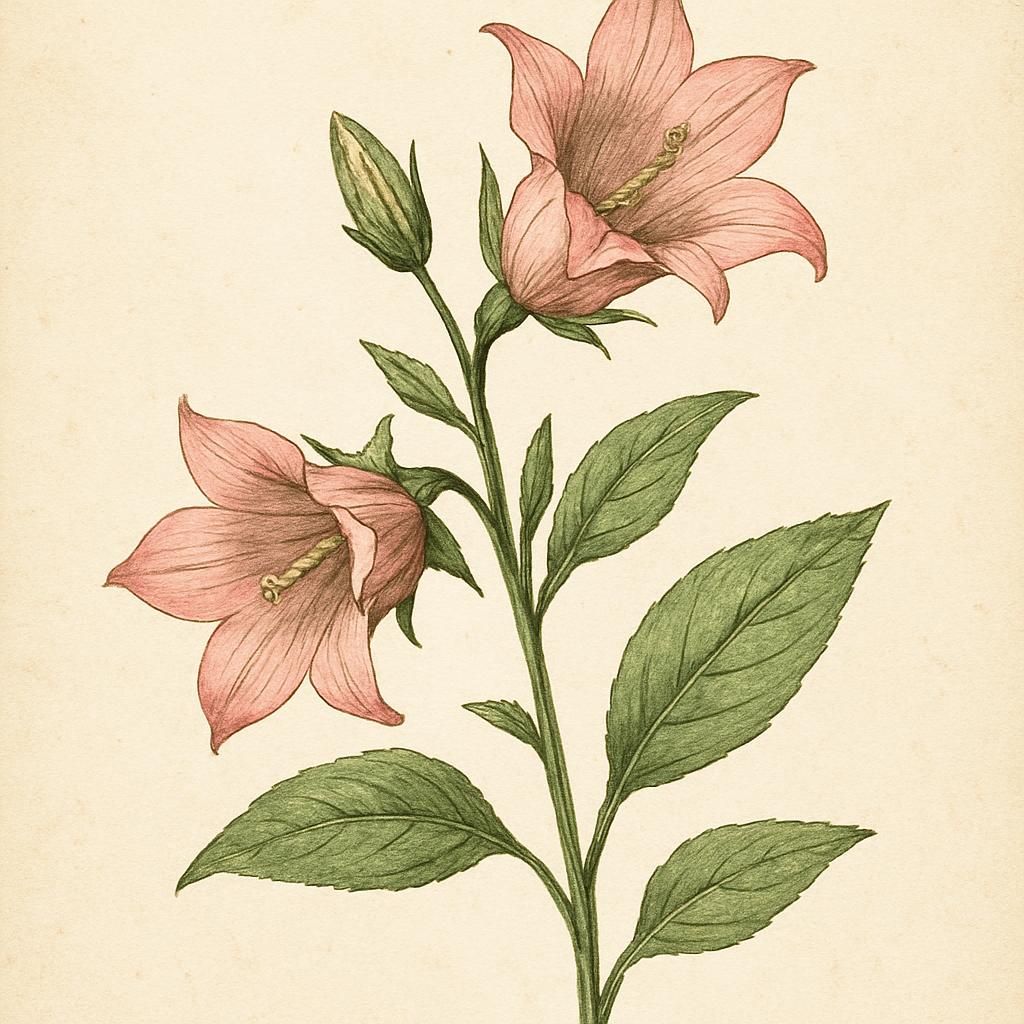
Starbonnet Rice
Starbonnet Rice is a medium-grain rice variety known for its robust growth and adaptability. Ideal for warm climates, it offers high yields and resistance to some common rice diseases, making it a favored choice among rice farmers.
View Guide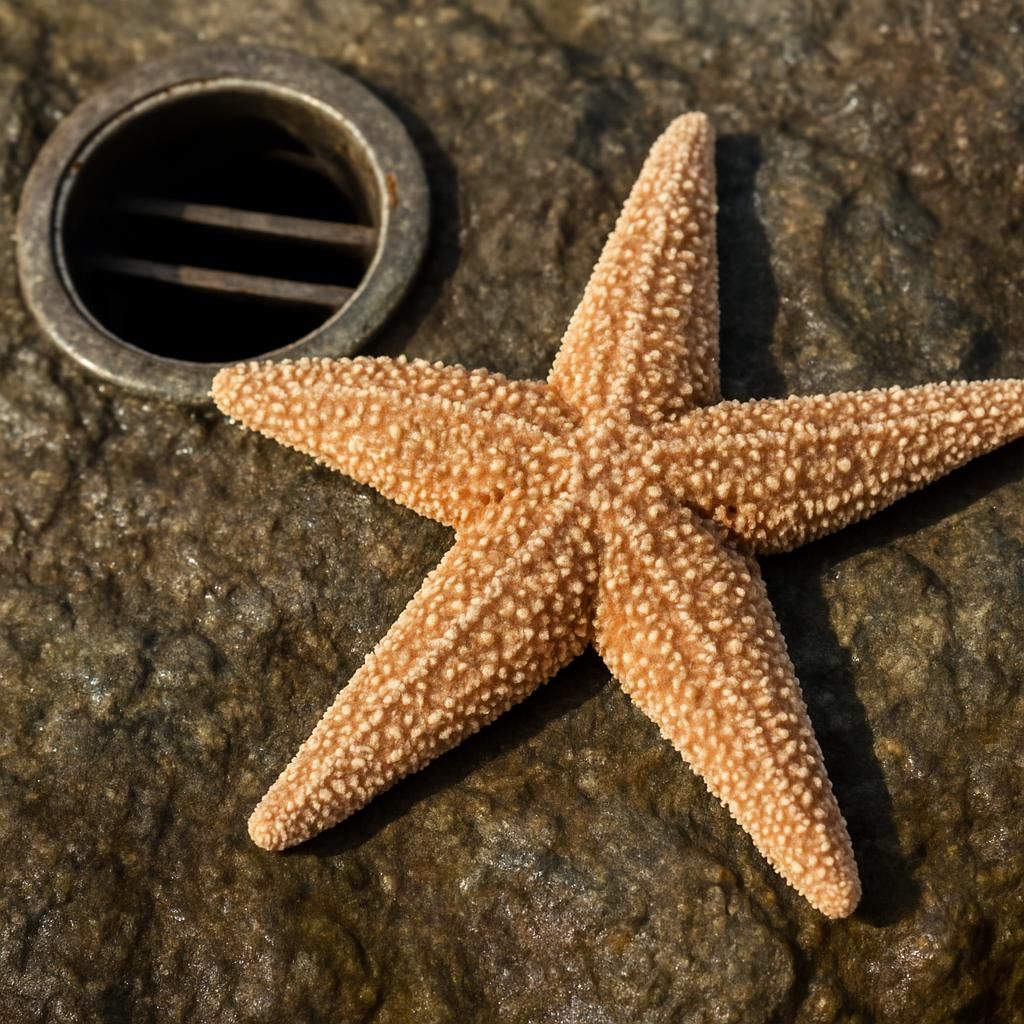
starfish
Starfish (sea stars) are marine echinoderms occasionally encountered in coastal agricultural zones where irrigation draws from brackish or seawater sources. While not a traditional terrestrial crop pest, their presence can damage coastal plantings through mechanical disturbance and salt stress. This guide covers identification, lifecycle, environmental triggers, and integrated management strategies for agricultural settings.
View Profile
Starfruit (Arkin)
Starfruit (Arkin) is a tropical evergreen tree prized for its star-shaped, juicy fruits with a sweet-tart flavor, thriving in warm climates and well-drained soils. This comprehensive guide covers everything from propagation to pest management for optimal yields. Ideal for home orchards and small farms seeking exotic, high-value crops.
View Guide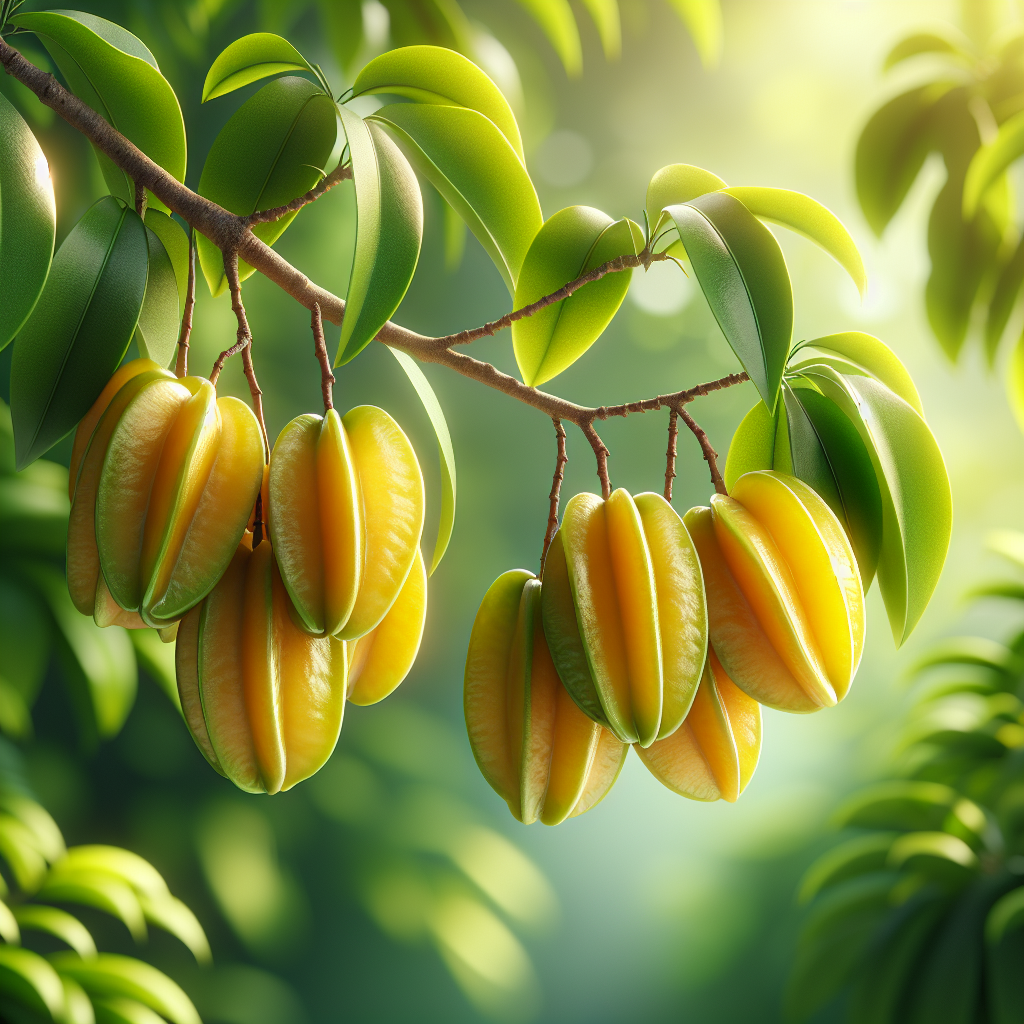
Starfruit (B-10)
Starfruit (B-10) is a high-yielding, dwarf starfruit cultivar prized for its juicy, star-shaped fruits with exceptional sweetness and low oxalic acid content, making it ideal for fresh eating. This guide provides professional growers with detailed cultivation techniques, from propagation to harvest, optimized for tropical and subtropical climates. Achieve bountiful yields with proven organic management strategies tailored to this productive variety.
View Guide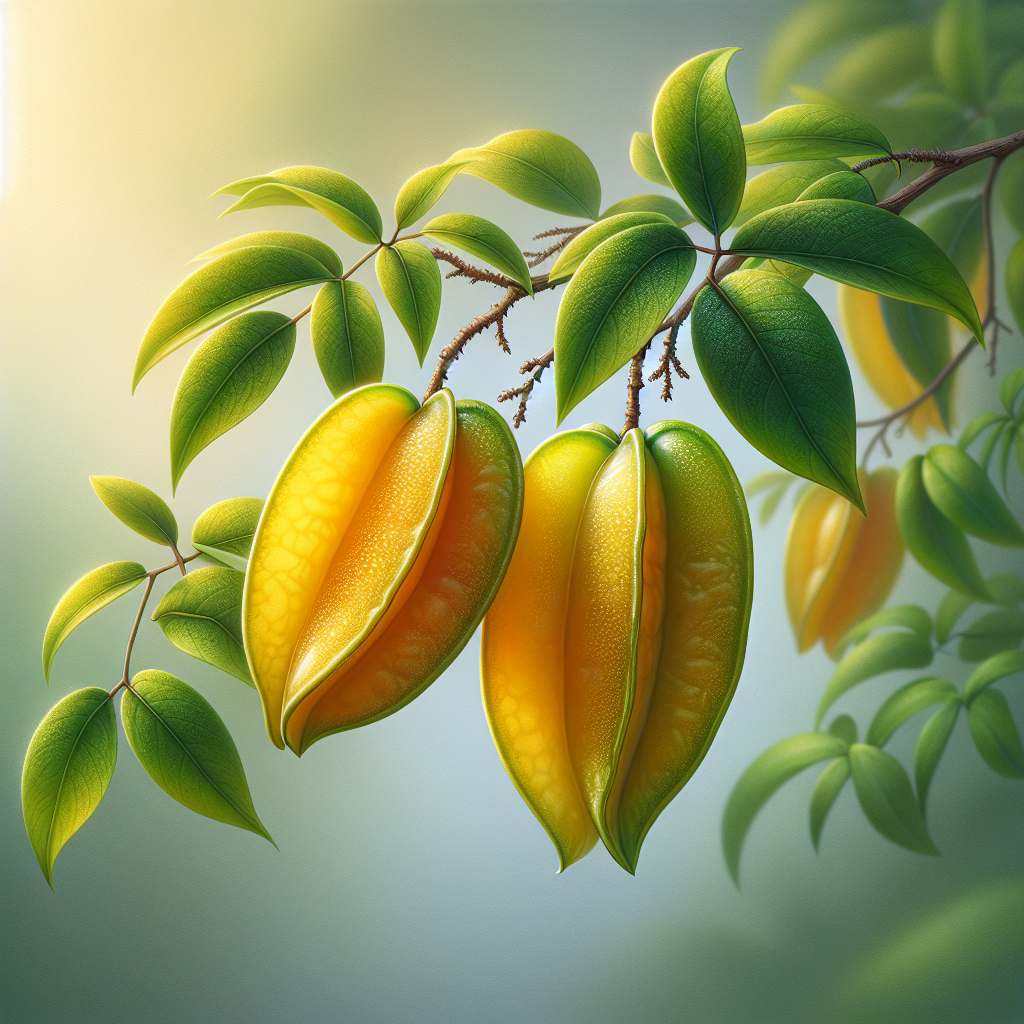
Starfruit (Fwang Tung)
Starfruit (Fwang Tung), a tropical evergreen tree prized for its star-shaped, juicy fruits, thrives in warm climates and well-drained soils. This comprehensive guide covers everything from propagation to pest management for optimal yields. Known for its crisp texture and tangy-sweet flavor, Fwang Tung is a standout variety with larger, sweeter fruits ideal for home orchards and commercial cultivation.
View Guide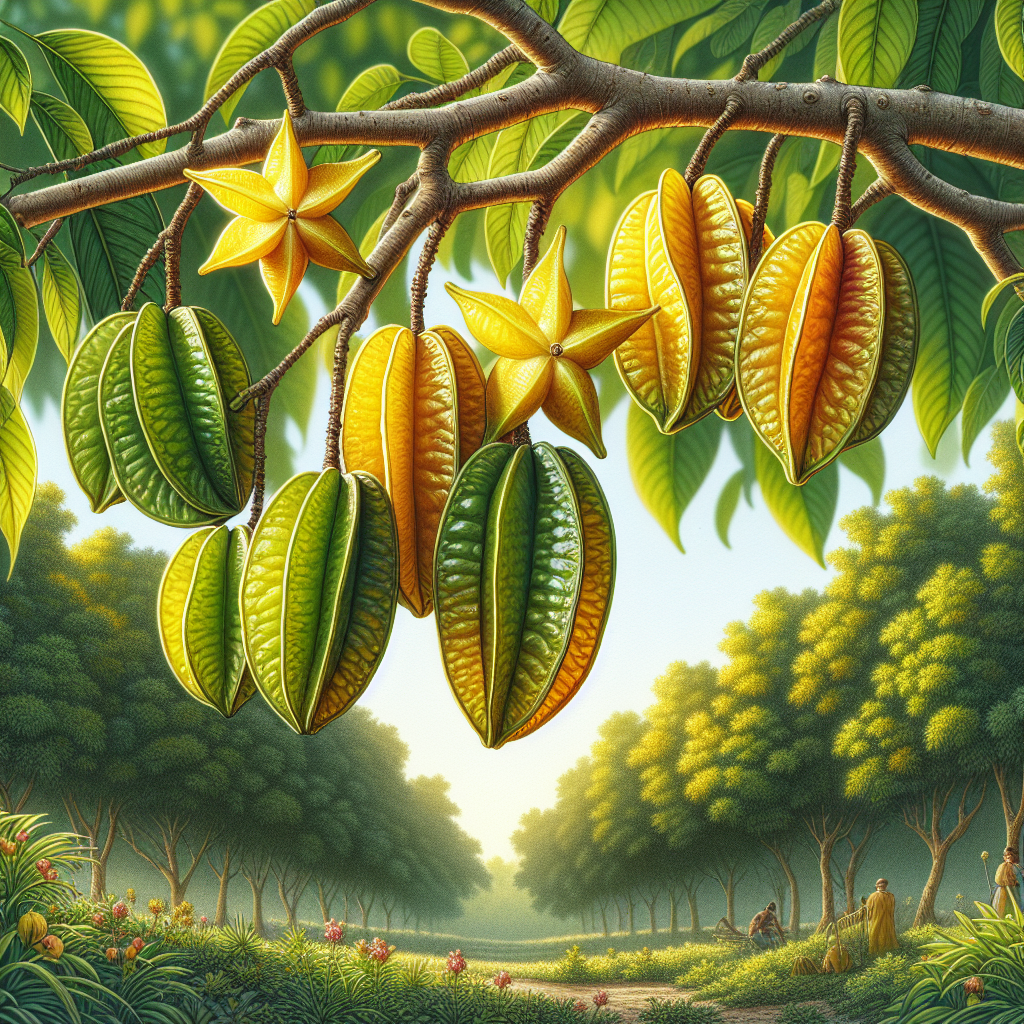
Starfruit (Kari)
Starfruit (Kari), known scientifically as Averrhoa carambola, is a tropical evergreen tree prized for its star-shaped, juicy fruits rich in vitamin C and antioxidants. This comprehensive guide covers everything from soil preparation and propagation to pest management and harvesting, helping growers achieve high yields in suitable climates. Ideal for home orchards and small farms, Kari starfruit thrives with proper care, offering both aesthetic appeal and nutritional bounty.
View Guide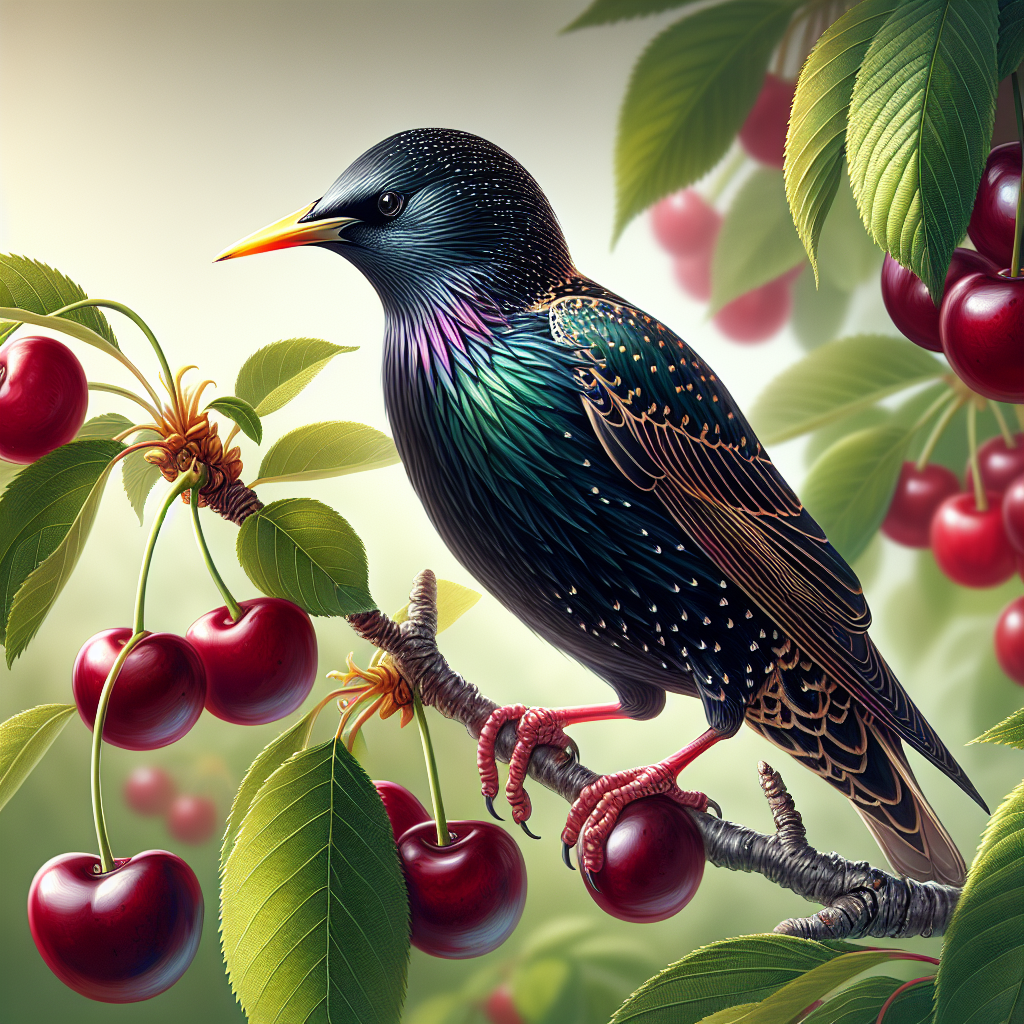
Starlings
Starlings (Sturnus vulgaris) are highly invasive birds that cause significant agricultural damage by consuming fruits, grains, and seeds in large flocks. These adaptable pests quickly overwhelm crops, leading to substantial yield losses for farmers worldwide. Effective management combines exclusion, deterrence, and habitat modification for sustainable control.
View Profile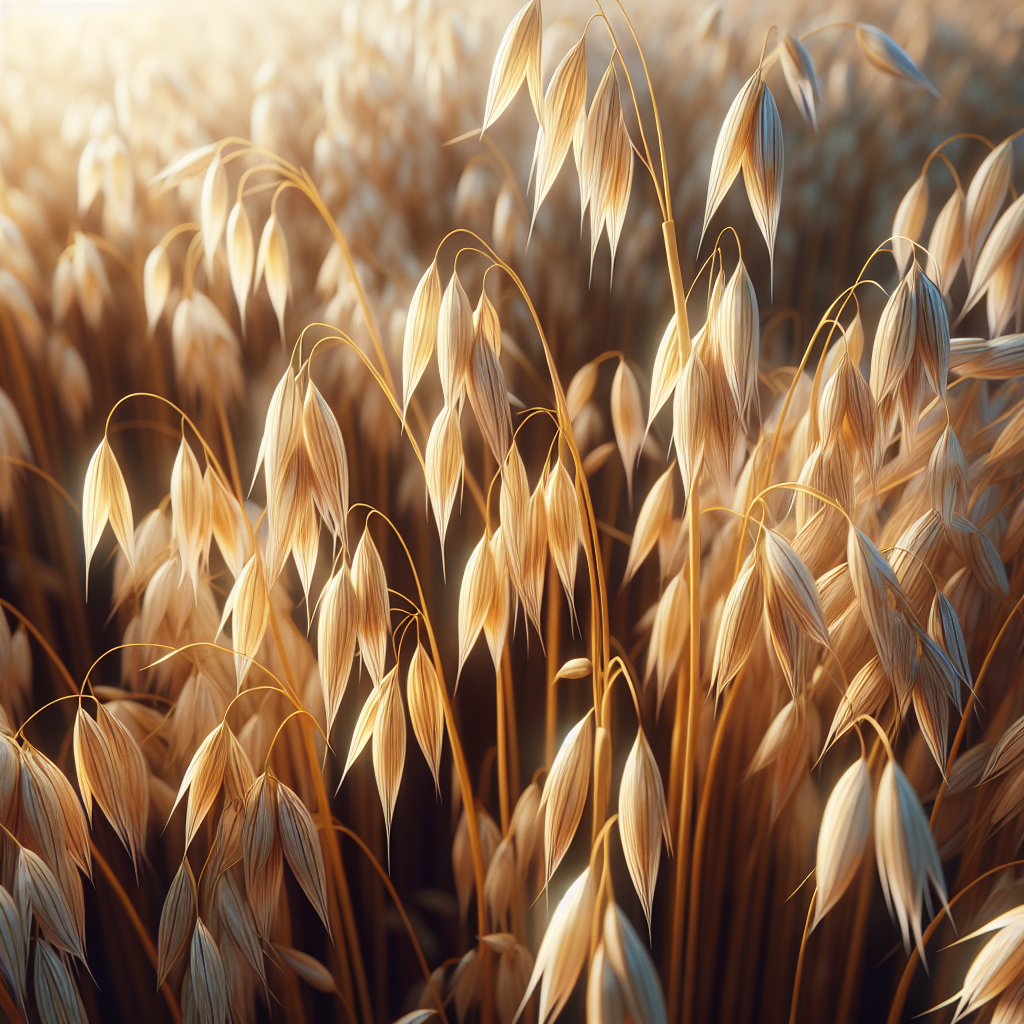
Steel Cut Oats
Steel cut oats are not a separate botanical species, but a processing style made from whole oat groats cut into pieces after harvest. To produce excellent steel cut oats, growers must first raise high-quality oat grain with strong kernel fill, low disease pressure, and proper post-harvest drying and storage.
View Guide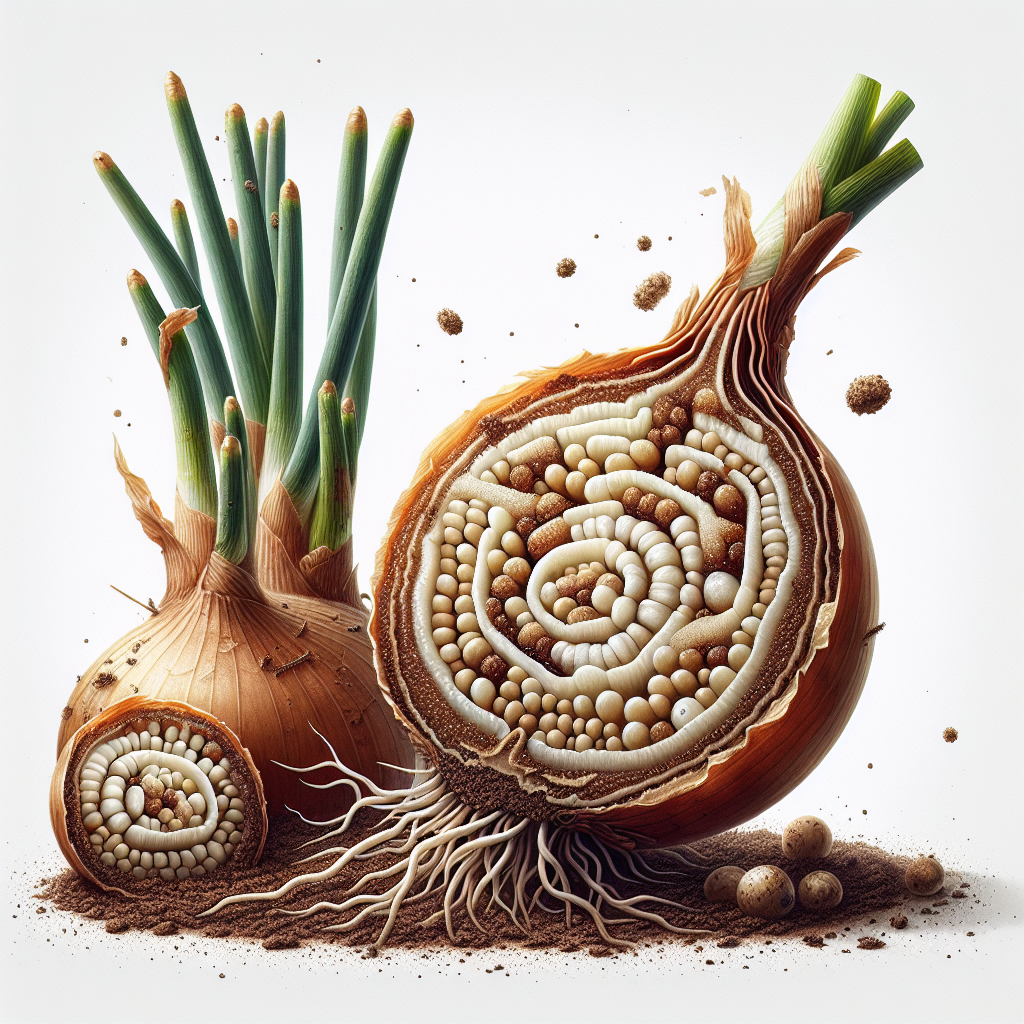
stem and bulb nematodes
Stem and bulb nematodes are microscopic worms that attack the stems, bulbs, and roots of numerous crops, causing severe swelling, distortion, and plant death. Highly persistent in soil and infested plant material, they thrive in cool, moist conditions and are challenging to eradicate without integrated management. This guide provides diagnostic symptoms, lifecycle details, organic controls, and prevention strategies for effective management.
View Profile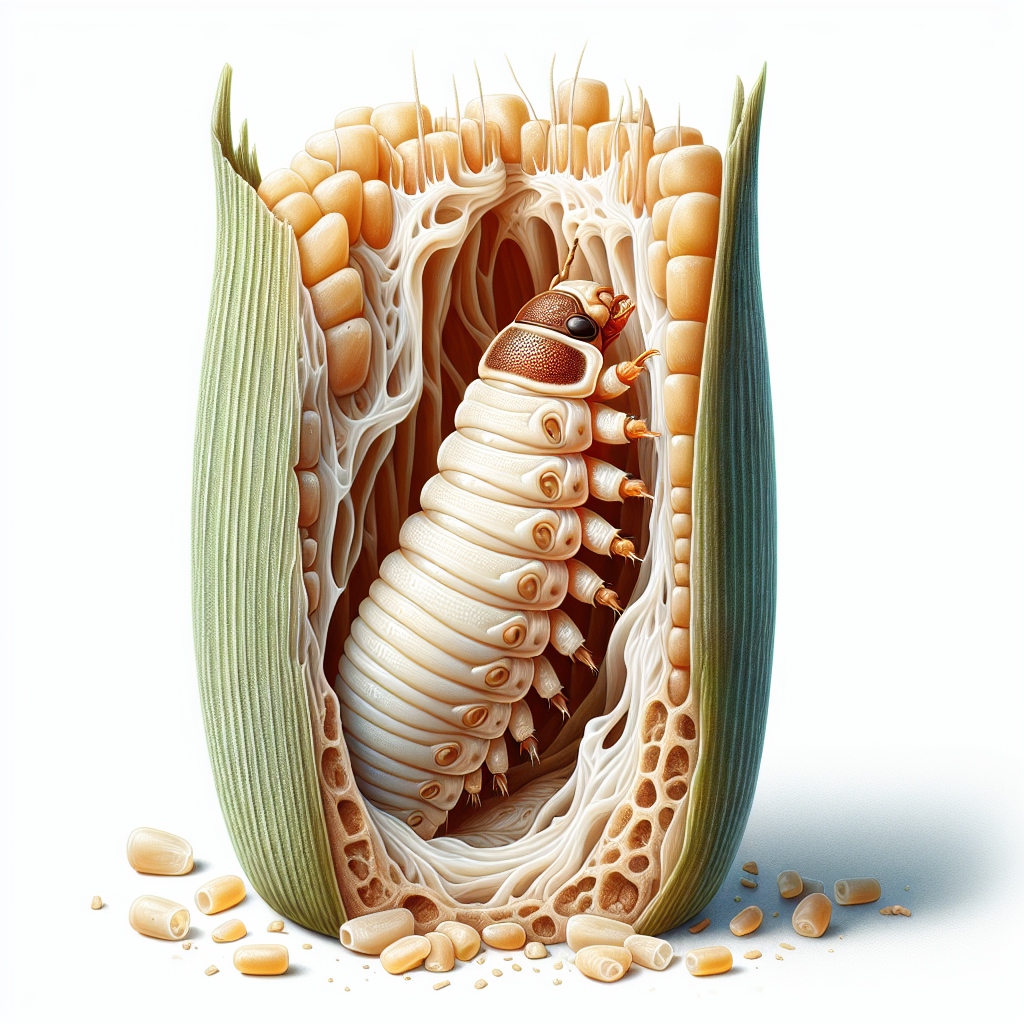
Stem and Root Borers
Stem and root borers are destructive insect pests that tunnel into plant stems and roots, causing structural weakening, nutrient blockage, and significant yield losses in staple crops. These borers affect a wide range of agricultural plants, particularly cereals and sugarcane, by disrupting vascular tissues and promoting secondary infections. Effective management combines cultural practices, biological controls, and vigilant monitoring for sustainable crop protection.
View Profile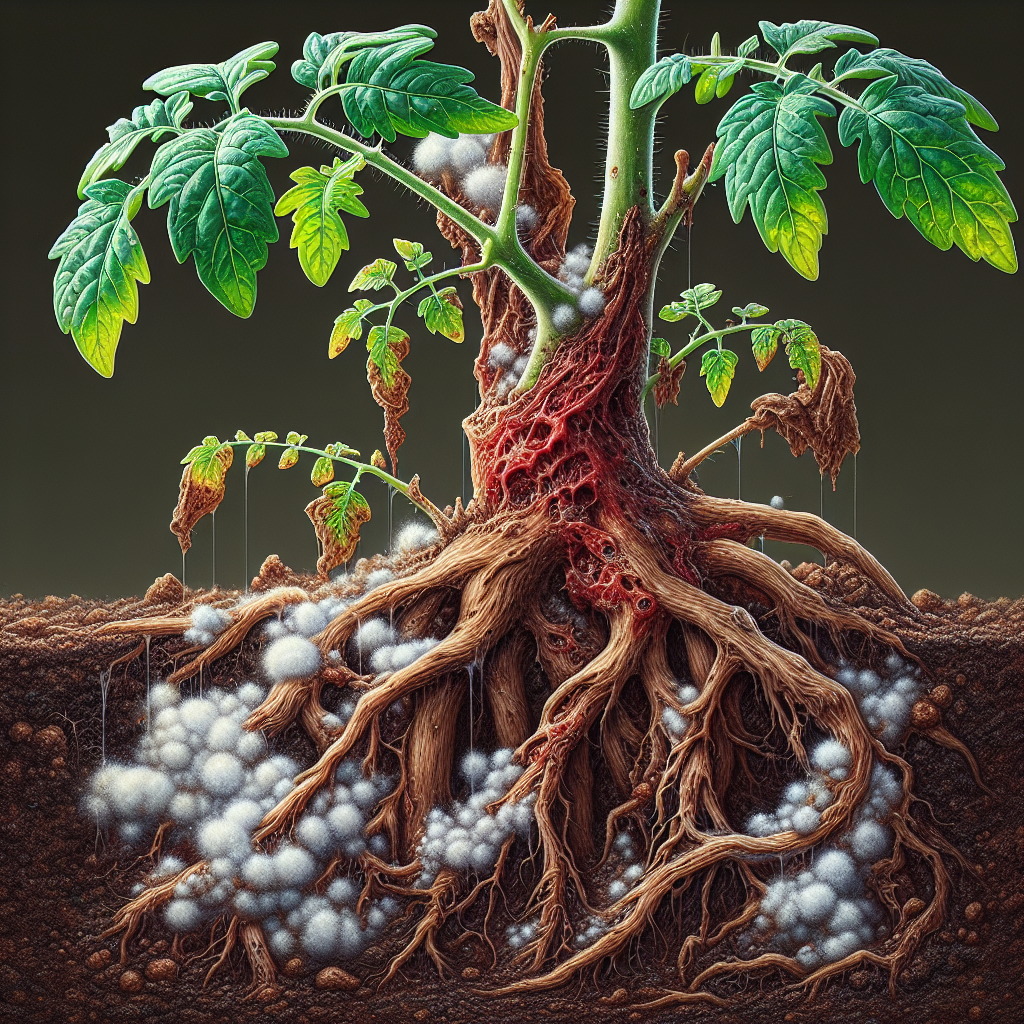
Stem and root rots
Stem and root rots are devastating soilborne diseases caused by multiple fungal and oomycete pathogens that attack plant roots and lower stems, leading to wilting, yellowing, and plant death. They thrive in poorly drained, waterlogged soils and are particularly destructive in warm, humid conditions. Effective management relies on cultural practices, resistant varieties, and organic biocontrols to prevent widespread crop losses.
View Profile
Stem base rots
Stem base rots are devastating soil-borne fungal and oomycete diseases that attack the lower stems and crowns of plants, leading to rapid wilting, lodging, and crop failure. Commonly triggered by excessive moisture and poor drainage, they affect a wide range of field and horticultural crops. Effective management relies on cultural practices, resistant varieties, and organic biocontrols to minimize losses.
View Profile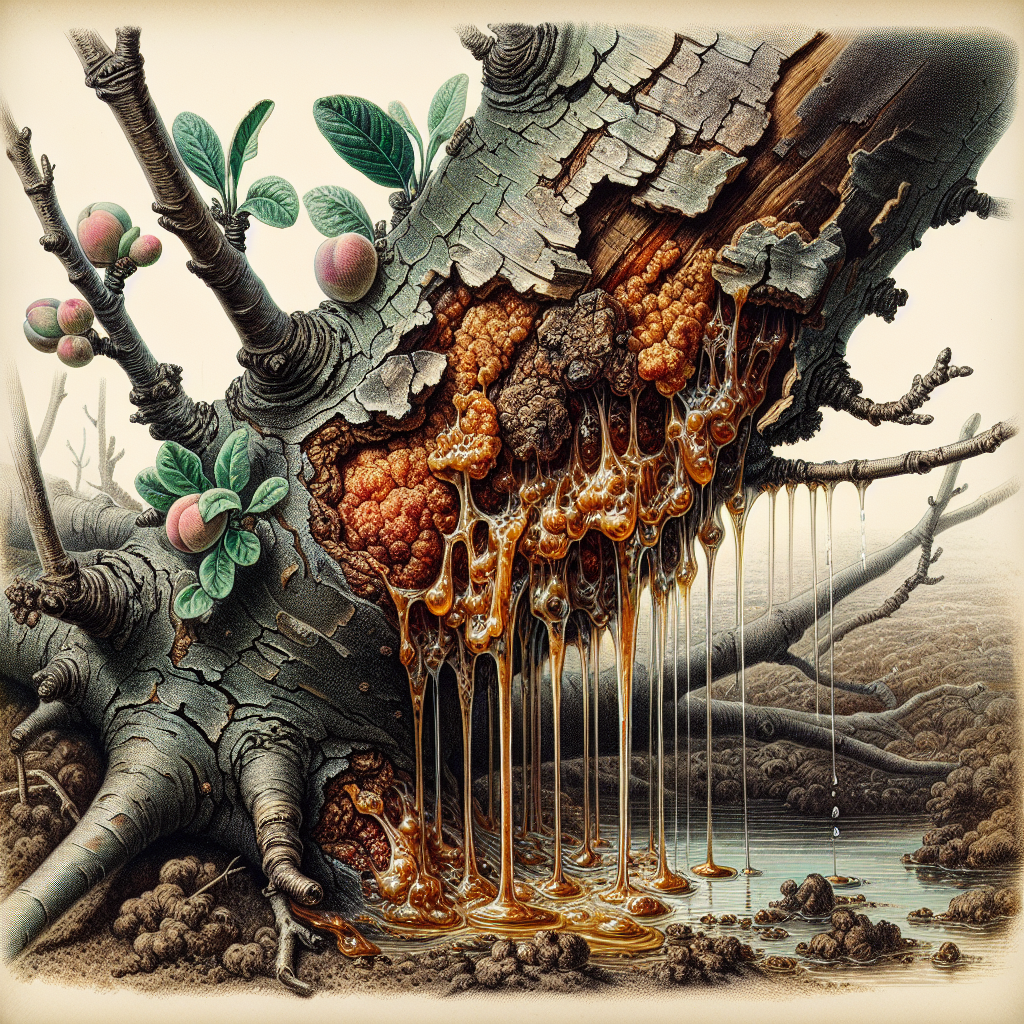
Stem bleeding
Stem bleeding, also known as gummosis, is a destructive disease primarily affecting stone fruit trees and tropical crops, characterized by oozing sap or gum from stem lesions. Caused mainly by Phytophthora fungi, it thrives in wet conditions and leads to girdling, dieback, and plant death if unmanaged. This guide provides diagnostic, organic management, and prevention strategies for affected crops.
View Profile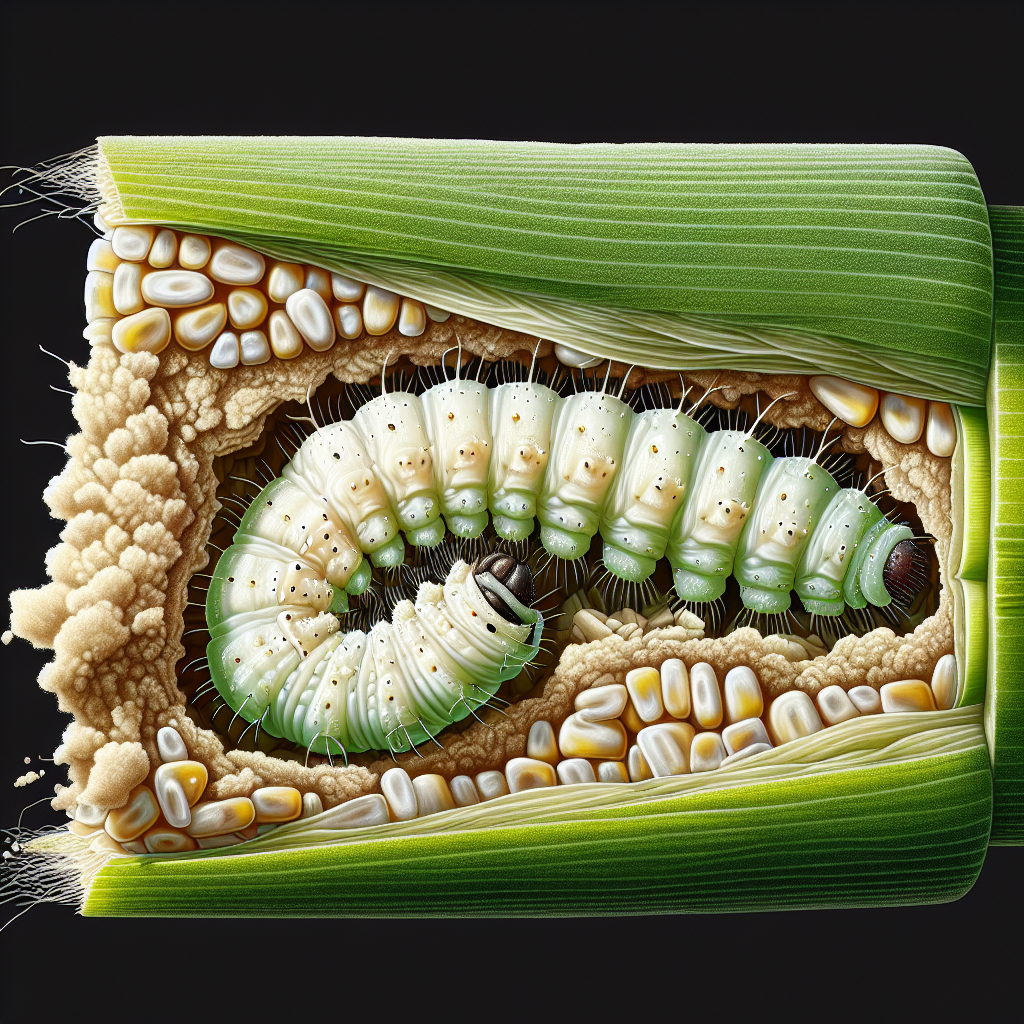
Stem borers
Stem borers are destructive moth larvae that tunnel into plant stems, causing wilting, lodging, and significant yield losses in staple crops like rice, corn, and sugarcane. This guide provides comprehensive diagnostics, organic management strategies, and prevention tactics for farmers battling these hidden invaders. Early detection and integrated approaches can protect harvests effectively.
View Profile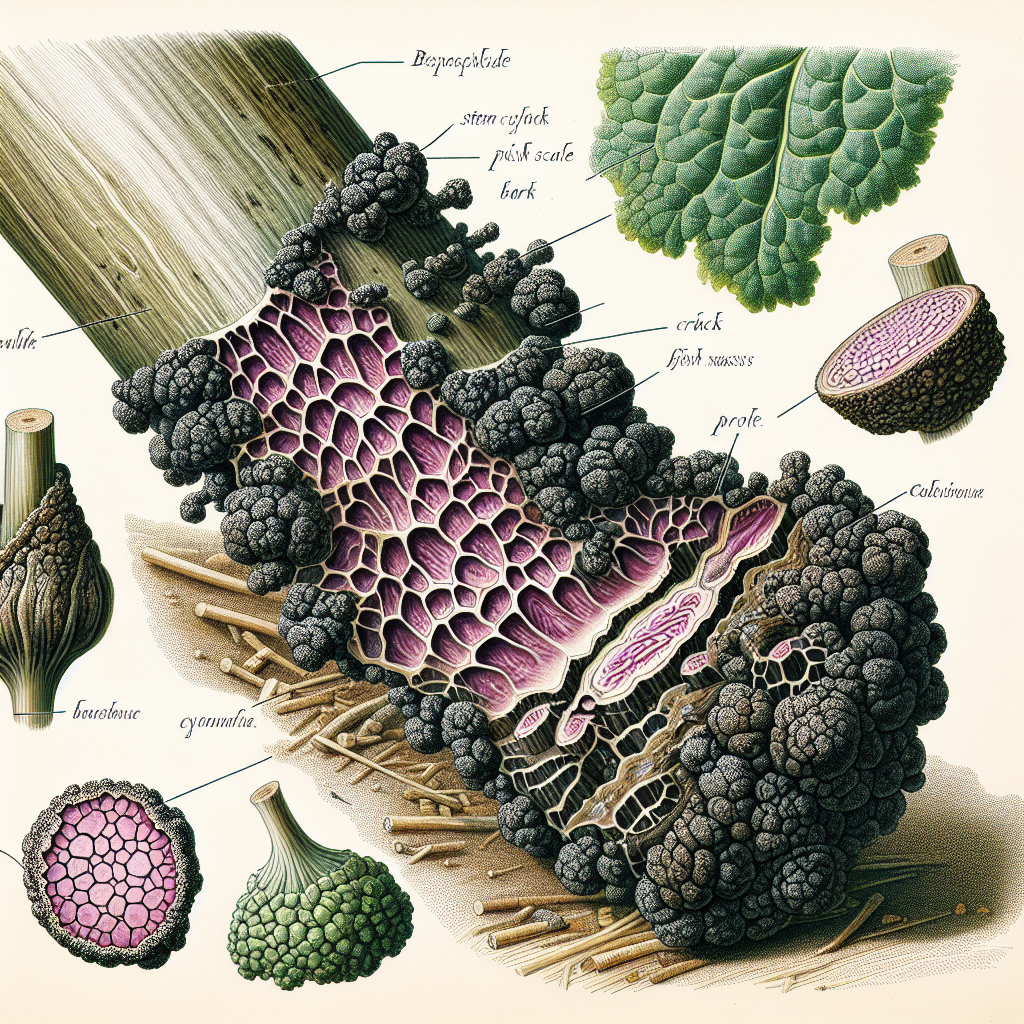
Stem canker
Stem canker is a devastating fungal disease primarily affecting cruciferous crops like cabbage and broccoli, causing sunken lesions on stems that girdle and kill plants. Early detection through characteristic dark cankers and wilting is crucial for management. Organic control relies on crop rotation, resistant varieties, and sanitation, while prevention focuses on reducing moisture and improving airflow.
View Profile
Stem Rot
Stem rot is a devastating fungal disease affecting a wide range of crops, causing wilting, discoloration, and collapse of plant stems due to tissue decay. Primarily triggered by soilborne pathogens thriving in wet conditions, it leads to significant yield losses in vegetables, legumes, and ornamentals. Effective management relies on cultural practices, resistant varieties, and organic fungicides to prevent outbreaks.
View Profile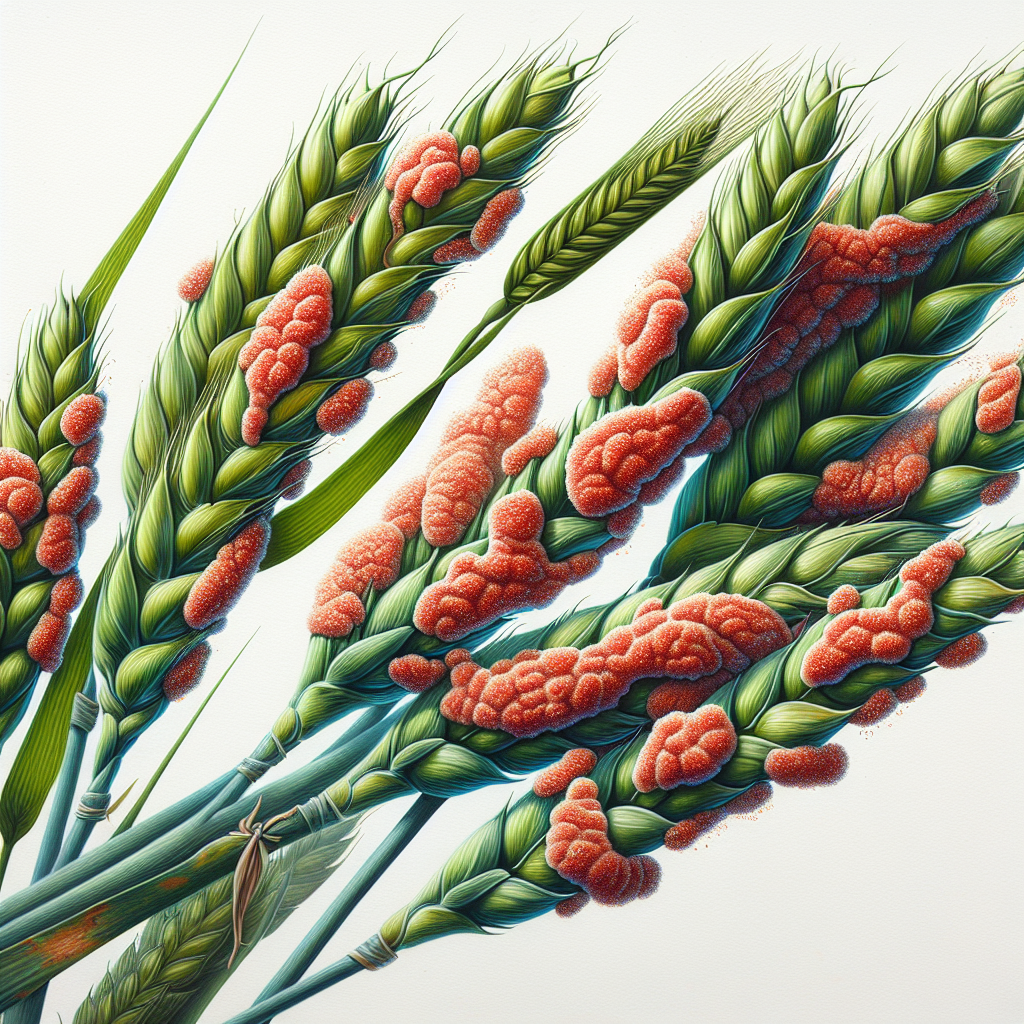
Stem Rust
Stem rust is a devastating fungal disease primarily affecting cereal crops like wheat, barley, and oats, caused by Puccinia graminis. It manifests as reddish-brown pustules on stems, leaves, and heads, leading to severe yield losses if unmanaged. Effective management relies on resistant varieties, timely fungicide applications, and cultural practices to disrupt the pathogen's lifecycle.
View Profile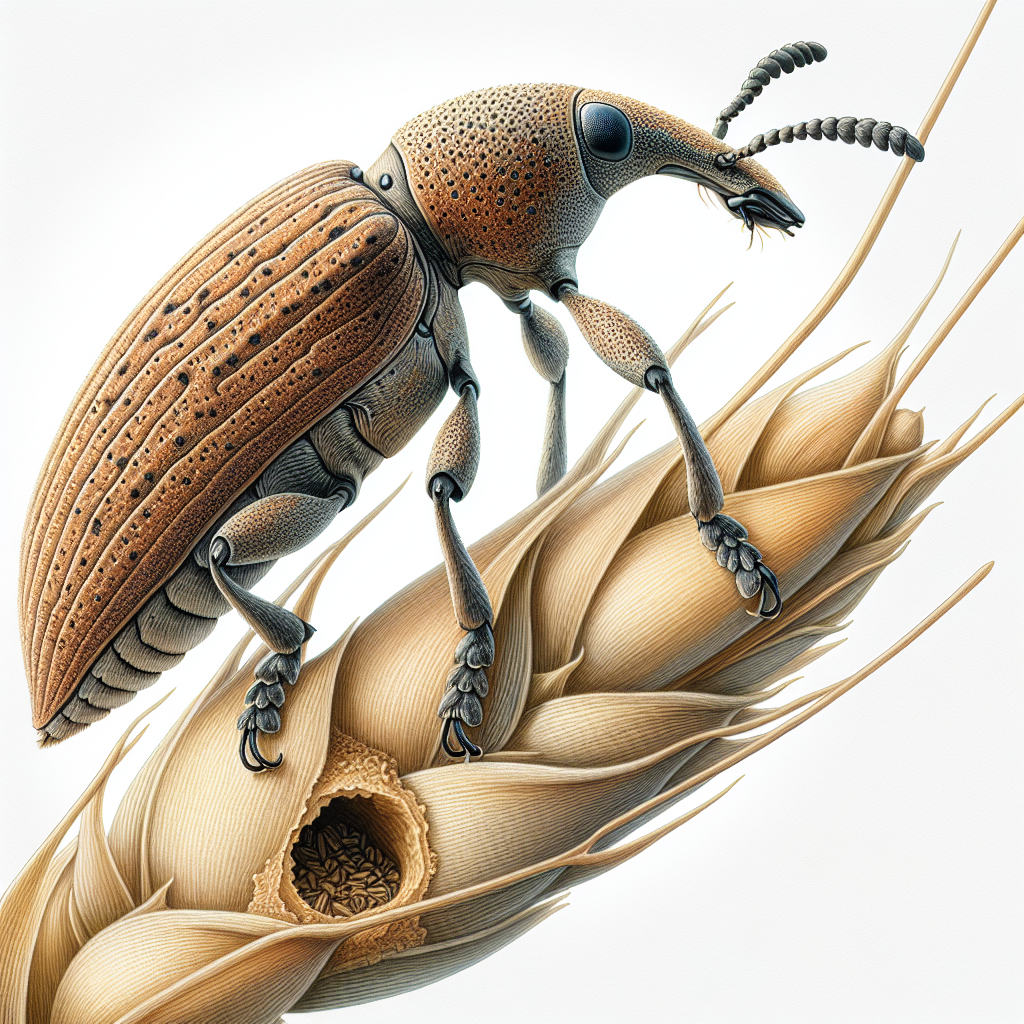
stem weevils
Stem weevils are destructive beetles that bore into plant stems, causing lodging, reduced yields, and plant death in cereals, legumes, and grasses. This guide provides comprehensive diagnostics, lifecycle insights, organic management strategies, and prevention tactics for farmers facing infestations. Protect your crops with proven, practical agricultural techniques.
View Profile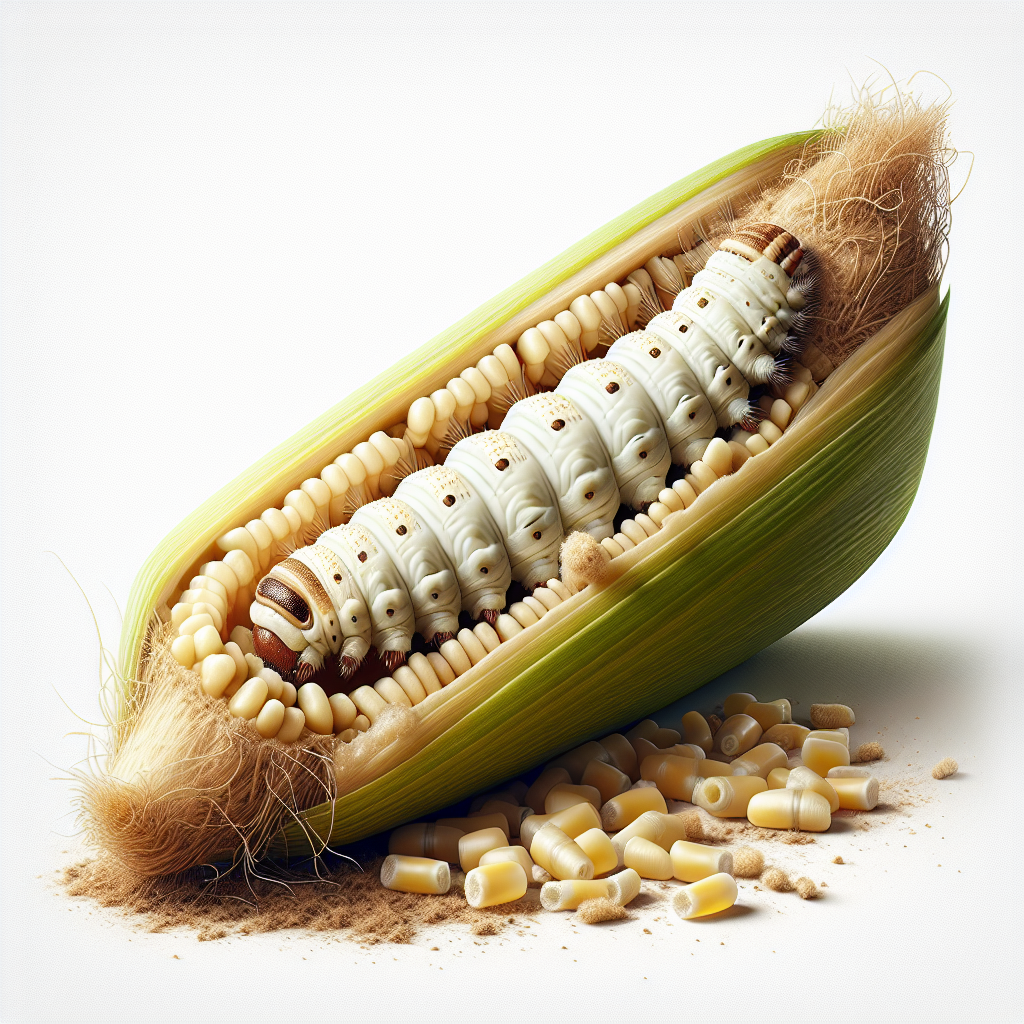
stem-boring pests
Stem-boring pests are destructive insects that tunnel into plant stems, causing structural weakening, reduced yields, and plant death. Common in cereals, sugarcane, and maize, they include moths, beetles, and wasps whose larvae feed internally. Effective management combines monitoring, cultural practices, and organic controls for sustainable agriculture.
View Profile